 Housekeeper
Local housekeeping enquiries
Regular Housekeeping in Limehouse
Set up an appointment that works from the actual door all the way to the last room. Tell us how your Limehouse home is reached, what needs doing most often and what can alternate. Start with the complete postcode.

Can I use Limehouse Basin as an arrival cue?
Yes. Give the whole postcode and the street, lobby or gate that provides the permitted residential route.
Can you plan around a home office in my living room?
Yes. Tell us which surfaces stay in use and what area can be cleaned first without disturbing them.
Meet Housekeepers Covering Limehouse
Tell us your postcode and preferred frequency so the office can check who covers your address.
Get a QuoteFind the land-side entrance before you agree the day
The Canal & River Trust gives Limehouse Basin’s address on Goodhart Place and describes the opening of the swing bridge at Narrow Street. Those details help identify two parts of the area. For a visit, carry the directions on to your residential street and use the actual postcode. If a home faces towards the water but its lobby is reached from another street, give the name or number someone should see from that side. Explain whether a visitor can follow the path you use or needs to approach through a different entrance.
For a building reached through a yard or a staffed reception, set the arrangements as part of choosing a date. Say who can admit the housekeeper and how they get to the correct floor. The person at the door may need a lift name or a flat number in a different form from your usual postal address. Give ordinary directions on the enquiry and discuss keys or codes privately with the office. If an appointment changes, check the entry route and who can be there. That is especially important if an alternative day means a reception desk or usual gate is unavailable.

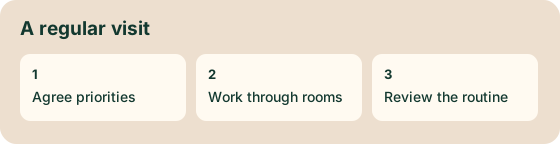
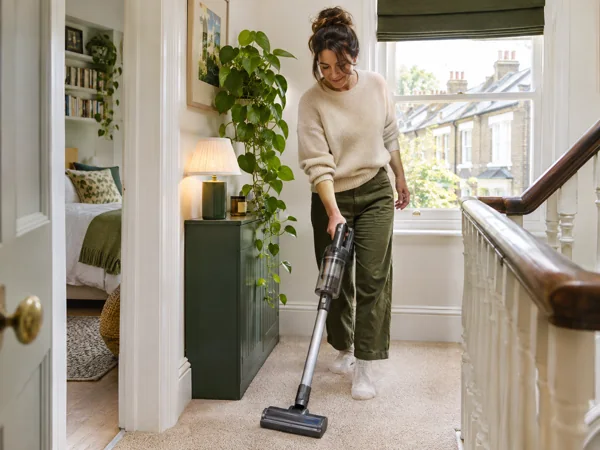
Plan the floor journey through the home
Start by tracing the route from the entrance to the kitchen, main bathroom and most-used living space. Tell us what floor finish occurs on each part. A mat can hide where a hard floor meets another material, and there may be a small threshold or short stair even if the home is described as a flat. Decide which floor areas you most want vacuumed or mopped and where to work around a loose edge. Let the housekeeper know when people or pets will need to pass through. Leave one practical way around any damp floor where possible.
Put the tools and products in a cupboard or other place the housekeeper can reach on arrival. A small hoover head may be needed for stairs or the narrow edge of a rug. If one area needs a different attachment or a product for its finish, leave them together. Then explain where used cloths and floor equipment should go. Check a battery or a spare bag before the visit. If a surface needs more than ordinary vacuuming or mopping, describe the material and condition to the office so it can be discussed as separate work.
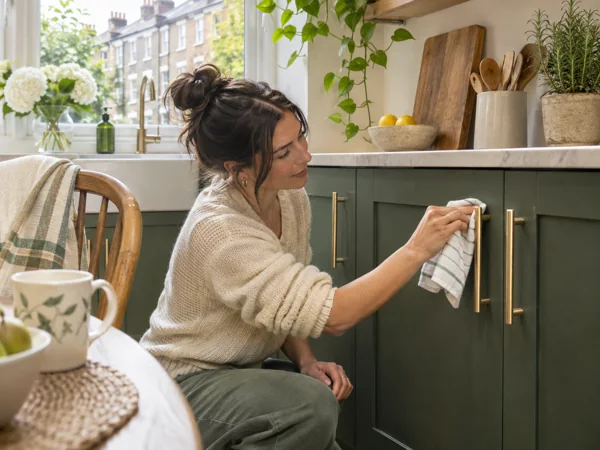
Place kitchen work into a window when counters can be reached
Choose the accessible counter, sink, hob and splashback or other surfaces used each day. Tell the housekeeper where the worktop used for cooking ends and any dining or working area begins. If a tall appliance does not move easily, show where to clean around it. Give a dry spot for light items you would like moved. If somebody is preparing food when the visit starts, leave another accessible job until the kitchen is free and any hot surfaces have cooled. Mention when the floor can be done, especially if the room sits on the only way to another part of the home.
Point out a specific product for finishes such as a treated worktop, sealed tile or painted unit. Name the place where it should be applied and where the cloth is kept. Raise anything inside an oven or fridge with the office ahead of time. Describe the part of the appliance and the work needed. That lets the office discuss the quote and how it should be arranged without assuming the ordinary kitchen appointment can stretch to include it. Tell us when it will be clear and what other small work you still want done in the normal visit.
Define a bathroom job even when the rooms are similar
Give each bathroom a name or location so the housekeeper can follow the order. Say which accessible bath, shower, basin, mirror, toilet and floor items you want included and what room needs the most time. A guest bathroom may see little use while a smaller shower room needs frequent attention. If the shower is normally busy around arrival, choose another room first and give a point when it can be reached. For a basin with products all around it, make space or agree which bottles can be moved and where to leave them.
Show the products for materials with care instructions and identify any places where there are damaged tiles or fittings. Leave a replacement towel or bathmat only when that is an agreed part of the visit. Say where the used one should go. Tell the office if something needs more work than an ordinary bathroom clean, such as a difficult area of grout or a surface with special instructions. A separate arrangement can be considered based on the condition. Keep the time in the ordinary visit available for the fixtures you use the most.

Choose the correct way into a Limehouse home
| Starting point | Explain | Check |
|---|---|---|
| Waterside landmark | Street route to building | Which lobby admits visitors |
| Shared reception | Block and lift number | Who can sign a visitor in |
| Independent door | House number and approach | Whether a gate is open |
Make a quiet room available without moving items used for work
For bedroom upkeep, list the accessible surfaces and floor areas you want cleaned and mention if a bed should be changed. Put the right linen beside it and a place for the old sheets. A room with a desk can take separate instructions for the working area and the rest. If the room needs to remain closed until later, give the housekeeper another agreed area to start. Say whether to return to the bedroom at a particular point or leave it off if the door stays shut. Bedrooms not used every week can be good candidates for a rotation.
Choose the sitting room surfaces you want reached, and identify the furniture or objects that stay in place. If the dining table holds a laptop or papers, decide which part can be wiped and when it will be clear. Agree the floor route near the seating and any delicate rug edges. If the sofa or chairs need fabric work, ask separately and describe the material. The housekeeper can reach accessible dusting and the floor on a regular visit without treating the upholstery itself as part of it.

Coordinate when someone will return or take a pet out
Give a likely time for the household to come back, and say which room or route should be ready. If the housekeeper will be working while you are in, describe calls, cooking or other things that will take up some of the space. Keep a starting job available at arrival. An alternative day might mean a different room order even if the same list applies. Confirm the schedule with the office before arranging another visitor or asking a resident to leave a key. A particular period can be more important than the choice of weekday if access depends on it.
If you have an animal, say which doors must stay closed and who will handle the pet during the appointment. Explain when it is taken out and when it will return. Let the housekeeper know which feeding or bedding items can be moved and where they should go. Choose a floor job while the pet is elsewhere if that works, then make sure the route is clear by the time it comes back. Give revised directions before the next visit if a changed schedule affects access, the pet’s location or the room order.

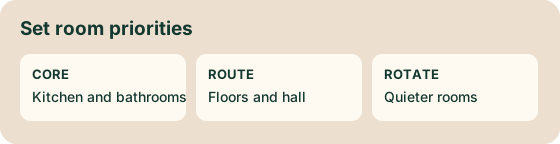
Prepare the floor and room sequence
| Room or route | Regular work | Plan with the household |
|---|---|---|
| Hall | Vacuum or suitable damp clean | When it can dry |
| Kitchen | Reachable daily surfaces | After cooking |
| Work and living room | Available surfaces and floor | Items to leave in place |
Find what should repeat after you try the first appointment
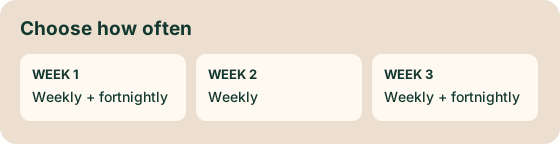
Choose weekly or fortnightly as a starting point and give the main jobs that should happen at either frequency. If you clean some areas yourself, say what they are and where help would make the most difference. With weekly visits, an underused room can stay on a slower rotation. With a fortnightly plan, describe what accumulates during the longer gap. After the first clean, assess the order and length based on what was accessible and which tasks took longer. Speak to the office about it and ask which choice would suit the regular work.
Make a short note that can be followed each time. Where circumstances change temporarily, tell us what to reach on that date instead of expecting an informal change to carry across visits. If an appointment needs to move, give the new day and an alternative time, then check the final arrangement before changing the people or supplies available. Choose whether a special request takes time from the ordinary list or needs its own visit. Keep the first few priorities clear when you ask about a different length or discuss a price for the revised plan.
Keep occasional work visible but outside the recurring quote
Share the full postcode, which rooms and levels are involved, and the tasks you want done in the usual window. Say if a floor route or a large bathroom needs more time on the initial visit. Bring up any supplies that may not be ready. After you discuss the appointment, agree which work fits within it and which room may rotate. If one room is only available on particular dates, include that information when asking for a repeat day and settling how often the visit should take place.
Discuss an oven interior, a professional carpet or upholstery clean, or more detailed spring cleaning as a separate request. Explain which room or item needs it and how it will be available. Give relevant material and condition details. If the additional work needs its own date and entry route, check both ahead of time. Keep the ordinary task list stable where possible so you can see how the regular arrangement works once the separate job is complete.
Put work on the right visit
| Task | Typical approach | Detail to mention |
|---|---|---|
| Main shower | Repeat routine | Coating or chosen product |
| Guest bedding | When the room has been used | Linen ready at the right bed |
| Rug treatment | Discuss separately | Material and condition |
Quotes for Limehouse homes
From £23 per hour. Confirm the rate and visit length for your address when you request a quote.
Get a QuoteRelated cleaning services
- Spring cleaning · Ask about a one-off visit for rooms that need additional time.
- Oven cleaning · List the oven cavities and removable parts when requesting appliance cleaning.
- Carpet and upholstery cleaning · Tell us the material and which areas or pieces you want treated.
- End of tenancy cleaning in Limehouse
Local references · Canal & River Trust’s Limehouse Basin guide
Limehouse housekeeping questions
Can the housekeeper approach from a different side to the waterside path?
Give the full address and the agreed visitor route. Include the lobby sign and who will open the door.
Can I put the entrance floor ahead of other work?
Yes. Explain which routes must stay open and when anybody will need to pass through.
Can I keep the kitchen table set up for work?
Yes. State which surface should stay as it is, and give an available kitchen area or another first job.
Can I skip the guest bathroom until it has been used?
Yes. Set it on an occasional list and tell us when its shower, basin or floor should be added.
Can I ask for a separate appointment after visitors have left?
Yes. Describe the rooms involved, the tasks and the date they will be accessible.
What if a different weekday has limited use of reception?
Check when guests can be admitted and tell the office how the alternative time affects the entrance.