 Housekeeper
Gardening Services in London
Discuss a one-off garden tidy or ongoing maintenance. Give the highest-priority jobs first and show any access constraints, planted areas to preserve or heavier work to assess.
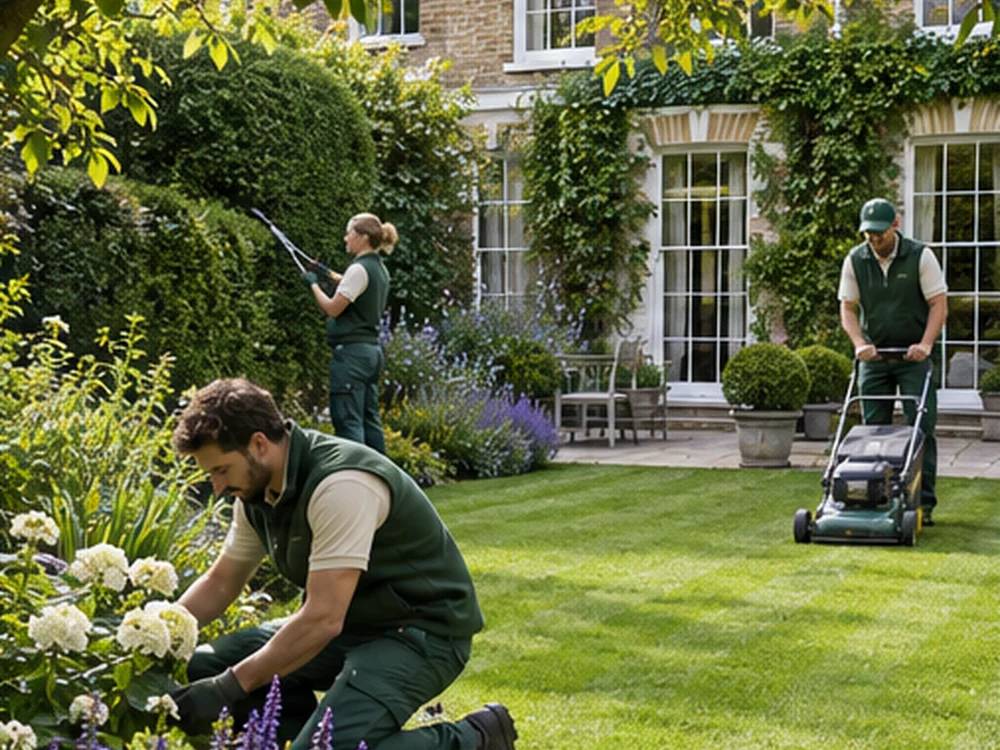
Can I book a London garden tidy as a one-off? List the first jobs to finish and show the garden condition, outside access and waste volume.
Can I request regular maintenance? Discuss frequency based on the garden, priorities and seasonal growth, then confirm availability for your postcode.
Walk the garden and list priorities
Start by identifying what should be kept, cut back or left to establish. For a garden inherited from a previous occupier, identify anything you recognise before broad clearance. Distinguish planted areas, beds and pots from patchy grass or unwanted growth. A few photos taken from the entrance and far end help put the work into context.
Set a clear first job. You may just need the path cleared to a shed and the lawn cut before a family gathering. If the border has grown into a fence, tell us whether the aim is to make the boundary accessible or reshape the planting. Ask separately about design, planting changes or construction.
Describe hedges and shrubs with measurements
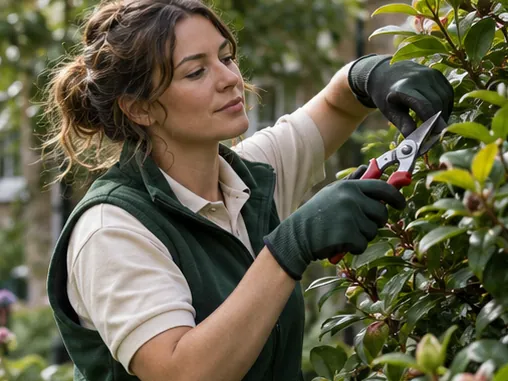
Give the approximate height and length of each hedge, whether it can be reached from both sides and where its boundary lies. Overhang above a public footpath or communal route can affect access. Say how far back you want the hedge cut and flag plants that should be shaped rather than reduced hard.
If there are signs of nesting wildlife or protected features, mention them before trimming and ask what can be done at that time. Unstable branches, significant tree work and tall equipment access need separate discussion. Photograph tall growth beside a shed or glass roof so the working position is clear.
Garden work to describe
| Job | Detail to send | Condition to mention |
|---|---|---|
| Lawn | Approximate dimensions and growth | Hidden stones, slopes or saturated ground |
| Hedge | Height, length and accessible sides | Boundary, wildlife and overhead obstacles |
| Beds | Photos and plants to retain | Dense roots, runners or fragile seedlings |
| Leaves and cuttings | Estimated volume | Compost, green bin or separate removal |
Agree what happens to the lawn and borders
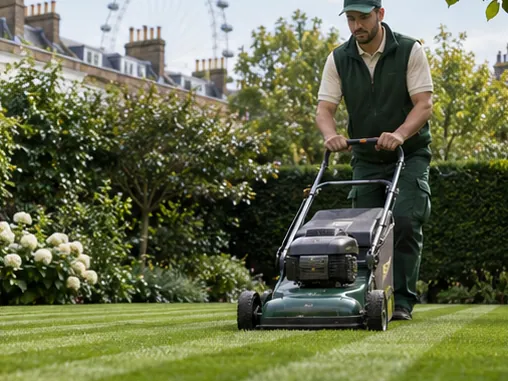
A lawn with regular growth is a different job from a long, uneven plot with hidden stones or garden items. Tell us how long it has been since the last cut and clear hoses, toys and tools. Identify wire, low lighting or other things a mower could catch.
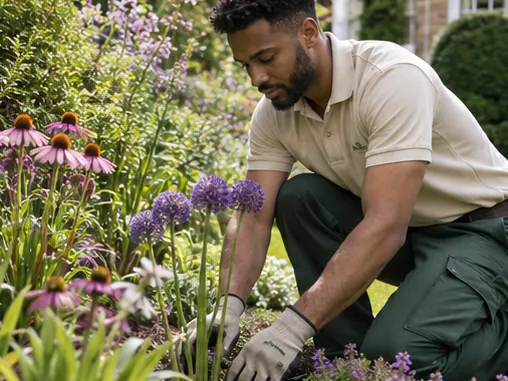
For beds, show flowers or seedlings you want left in place. Ask whether weeding, edging and leaf collection are included in the same visit. A border with dense perennial planting takes more care to work through than a bare bed. Discuss any ground cover or planted bulbs you want protected.
Plan access and green waste
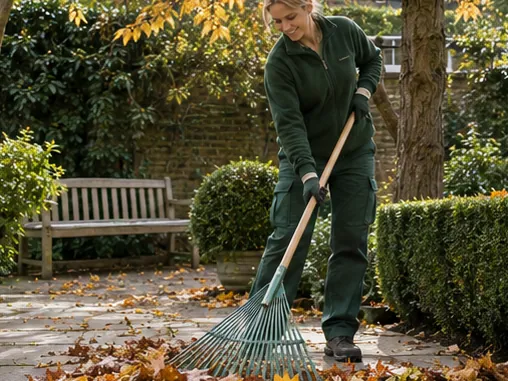
Tell us whether equipment can arrive through a side gate or must pass through the house. Mention steps, narrow openings, parking and distance from the street. If the garden is shared, confirm who has agreed access and which areas are included.
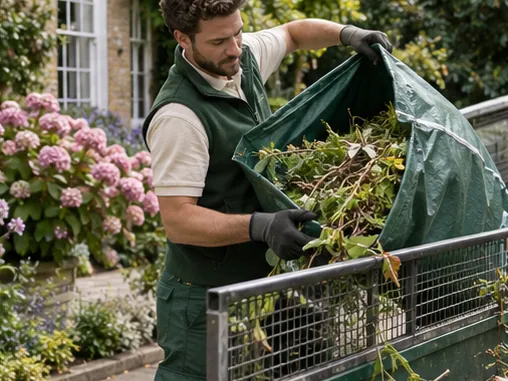
Ask how cuttings and leaves will be handled. You may have a working compost arrangement or a local green waste container with limited capacity. Identify mixed rubbish or bulky items separately and ask about rubbish removal if the collection is outside the agreed garden work.
Pick the type of garden visit
| Request | Best starting point | Agree before arrival |
|---|---|---|
| Routine maintenance | Recurring list of paths, lawns and beds | Frequency and seasonal changes |
| One-off tidy | Clear priority and photographs | Time, cuttings and access |
| Overgrown garden | Walk-through or detailed description | Hidden waste, branches and extra equipment |
| Design or landscaping | Separate brief with measurements | Planting and construction requirements |
Use the first visit to plan maintenance
Once the garden is manageable, note which jobs return quickly and when you want to revisit them. Grass, edges and paths can need attention at a different interval from shrubs or seasonal pruning. As growth changes, revisit the list and reallocate time.
If paved areas need work, compare the garden priorities with patio and path cleaning. Plan garden clearance first where it will leave soil and clippings on the paving. Discuss the dates together if there is a definite event or access deadline.
Write a garden brief in three parts
- Keep. Identify plants, pots and established features to preserve. If you do not know the plant names, use broad photographs and labels that tell the gardener exactly which specimens you mean. Include any spaces reserved for children, pets or visiting wildlife.
- Work on. Describe the paths, lawn, beds and shrubs that need time. Give the desired result rather than a single instruction such as cut everything back. Note a rose near a paving edge or a shrub that needs space around a window.
- Leave for later. Mark changes that need consent, special equipment or a different season. Tell us if an outdoor structure is under repair or if a plant is due to be moved. Keep a separate note of any follow-on job you want quoted.
A small city garden with restricted access
Where there is no side return, all tools and cuttings may need to travel through the home. Check the hall route for rugs, furniture and narrow turns. Tell us where muddy tools can safely be set down and whether there are exterior steps. A compact garden can still take substantial time if it is difficult to move material from the back to the street. Give the details before the quote is arranged.
Agree where bags or cuttings will wait while work continues. Avoid reserving a shared stair or entrance without permission, particularly in a converted house. If a resident needs the path regularly, pick a sequence that keeps it usable. Let the gardener know whether a gate must stay shut to contain a pet or whether there is a usable tap for the assigned work.
Route through the house
- Check doors, steps and hallway
- Set down tools in an agreed spot
- Plan where cuttings will pass
Decide between presentation and heavier clearance
If the garden needs to look presentable for a move, decide what someone will see first. Mowing a manageable lawn and clearing the path may be better priorities than removing every plant. If there is dense growth, show what lies underneath and flag broken containers or rubble. Ask which work can be planned as maintenance and which needs a separate look at the waste and access.
For a garden intended to stay planted, describe the desired width of paths and the height of shrubs around windows. Consider the effect of pruning on screening and flowering. Agree where cuttings will go, particularly if there are more than a green bin can hold. A single visit can then have a defined end point even if other projects remain.
Tidy or clear?
- Presentation · First path and lawn
- Maintenance · Preserve agreed planting
- Heavy clearance · Assess access and volume
Plan shared gardens with a named contact
For a garden serving several flats, confirm who can authorise changes to planting and shared access. Let residents know when lawn or path work will take place and what they should move beforehand. If an area needs longer attention, ask how it will be left at the end of each visit. Clear instructions matter when residents have different ideas about what should be kept.
Shared garden decisions
- Name the person who approves work
- Mark communal and private areas
- Tell residents what to move
Review seasonal tasks separately
Keep one list for recurring jobs and another for work that only comes up at particular times. Leaf collection, edging, lawn growth and pruning follow different patterns. Ask which activities suit the conditions at the time of your booking and when the list should change. If weather affects the ground or the amount of cuttings, agree what work can still be done safely and usefully.
Seasonal maintenance list
- Repeat · Lawn, paths and borders
- Seasonal · Leaves and pruning
- Conditions · Review before each slot
Allow for access changes over the year
A route which is clear in winter may be narrow once shrubs are in leaf. Photograph a side passage if growth extends across it or if the gate is difficult to open. Decide what can be cut back to restore access and what should only be tied out of the way. In a shared garden, agree who can make that decision on the day. If maintenance is recurring, give the gardener a clear note about paths, boundaries and seasonal obstructions for future visits.
Keep outside access open
- Show growth across the route
- Agree what can be cut or tied back
- Mark boundaries for future visits
Gardening Services FAQs
Can you cut a hedge shared with my neighbour?
Confirm permission and which sides can be accessed. Provide the desired height and boundary before booking.
Can cuttings go in my compost?
Say how much space you have and whether the expected material is suitable for your arrangement.
Do you need access through the house?
A side route is useful if available. If the route is through the house, describe stairs, flooring and narrow doors.
Can you maintain the garden while I am away?
Agree instructions, access and who can authorise changes before arranging recurring visits.
Discuss your gardening services visit
Related services and information: Pressure Washing, Rubbish Removal.
Housekeeper London customer feedback
What our customers say
The gardeners did a great job cutting back the overgrown hedges and clearing the borders. They worked steadily and left the garden looking neat without taking too much off the plants.
Gardening
We booked a general garden tidy-up before the summer. The lawn was cut, weeds removed and shrubs trimmed. The team took away the green waste as agreed.
Gardening