 Housekeeper
Rug Cleaning in London
A loose rug needs its own assessment. Tell us its size, material and condition, and include photos of the back, edge and any area that needs particular attention.
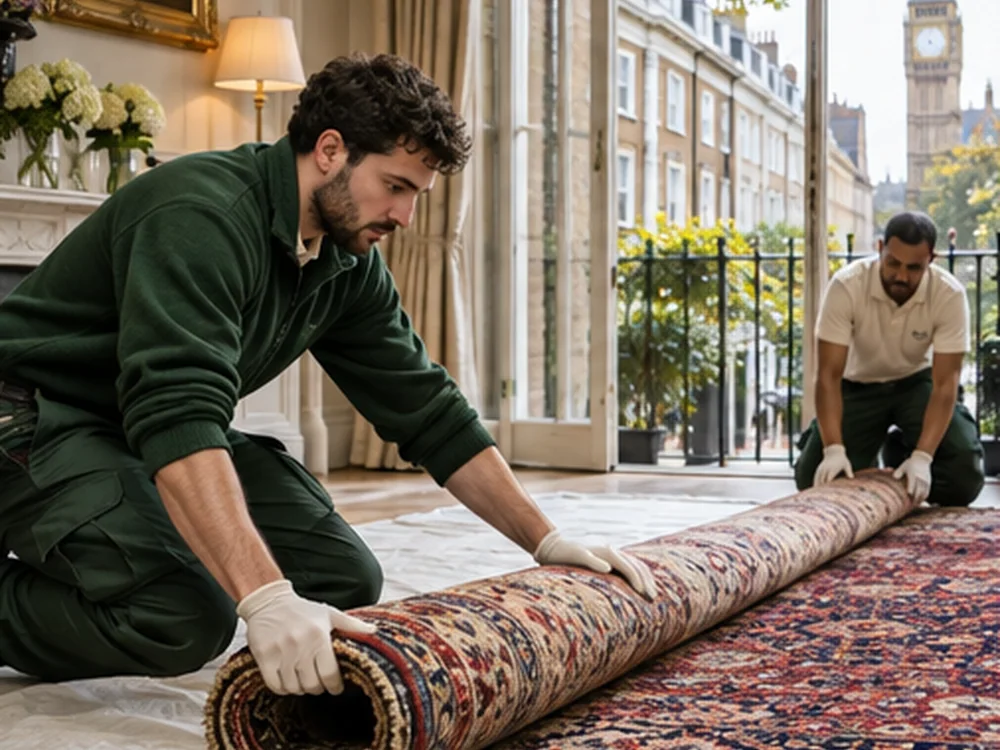
Can I ask about a rug cleaning quote in London? Give the size, fibre or label and photographs of the backing, fringe and marks.
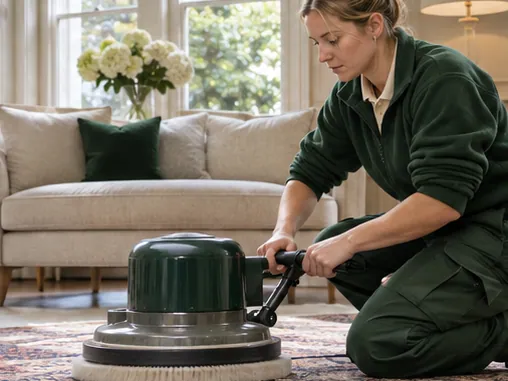
Will the rug be cleaned in my home? Ask which options are suitable after checking the textile and what space is available for safe handling and drying.
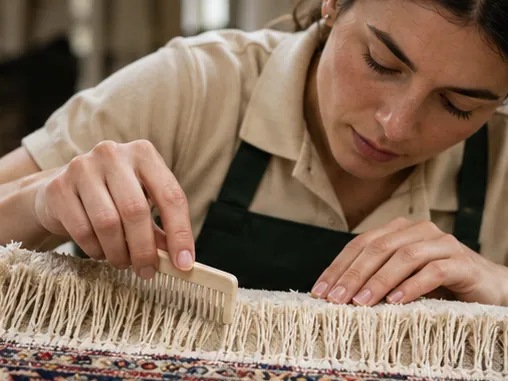
Measure the rug and identify its construction
Measure both the length and width and say if the measurement includes the fringe. A long runner may need a different handling plan from a broad living room rug, even with the same area. Take a photo of the front and back and include a care label if one is attached.
Check what you know about the fibre, weave and backing. Wool, cotton, synthetics and mixed materials do not all tolerate the same treatment. Some fibres have a lustre that changes with pressure or moisture. Send the maker’s details if available and mention if the construction is hand-knotted, tufted or otherwise unusual.
Draw attention to vulnerable areas
Show loose fringe, stretched edges, thin patches and earlier repairs in close-up photographs. A fringe may be original to the weave or attached separately, and worn ends can become more vulnerable with handling. Ask the technician to assess it separately if that is the area you want improved.
Uneven colour may be due to sun exposure, pile direction or wear. If one half of the rug was beneath furniture, tell us how long it was covered. Photograph the rug in natural light from different directions. Explain whether the main concern is a dark mark, the appearance across the whole rug or a change in feel underfoot.
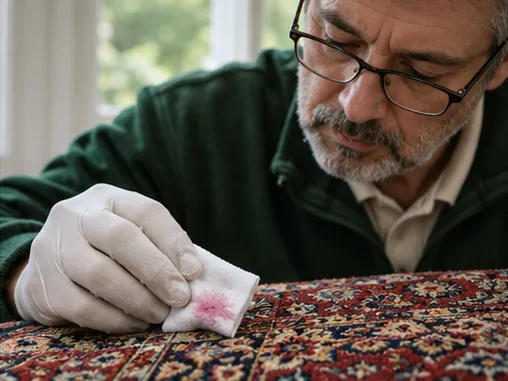
Rug identification before treatment
| Feature | Useful detail | Why it matters |
|---|---|---|
| Dimensions | Length, width and fringe separately | Handling and area |
| Fibre | Label, maker or known blend | Treatment and moisture compatibility |
| Backing | Woven, glued or separate underlay | May limit method or drying arrangement |
| Condition | Wear, loose corners and previous repairs | Gives a baseline and shows fragile areas |

Explain stains, backing and previous treatments
A spill may have reached a lower layer or the floor underneath. Tell us what was spilt, how long it sat and which products have been used. Old pet marks and repeat spills can behave differently from surface dirt. Identify any off-the-shelf shampoo or stain spray even if the spot now looks dry.
Pay attention to the backing. A glued or brittle back can restrict handling and moisture. If there is a separate rug pad, mention it so it can be treated as a distinct item. Show evidence of dye transfer to the floor or a towel and ask how the proposed method will account for it.
Discuss how the rug can be handled and dried
Provide the room size and floor type. If cleaning in the home is suitable, agree where the rug can be worked on without putting a timber or sensitive floor at risk. Where collection or specialist off-site care is suggested, ask who handles lifting, packing and return, and check the likely lead time.
Do not roll up a damp rug or return it over a floor before the recommended drying period has passed. Ask how the rug should be aired and how to prevent damage from weight or traffic while it is drying. If it is under a table or sofa, agree who will move those pieces and when.
Clarify which result matters
| Concern | Information to share | Discussion |
|---|---|---|
| Spill | Age, liquid and products already used | Likely improvement and fibre suitability |
| Odour | Whether backing or floor was affected | Surface treatment may have limited effect |
| Fringe | Wear, loose threads or colour change | Agree separate handling |
| Uniform colour | Covered area, sunlight and pile direction | Identify wear or fading before cleaning |
Decide if other textiles belong in the same visit
List loose rugs individually even when a matching sofa or fitted carpet is being quoted. The appropriate method can differ, and each surface needs its own condition check. For fixed fitted surfaces, see carpet and upholstery cleaning.
This is a new enquiry category. Ask the office to confirm the available rug service, method and pricing for your textile before booking. A valuable or delicate rug may be better assessed by a specialist restorer, especially when repair is the main objective. Keep a record of any care instructions and measurements for the quote.
Record the details before moving the rug
- Measure without pulling the edges. Give the width and length and say whether fringe is included. If the rug has an unusual shape or damage that makes it difficult to move, provide an overall photograph with a measurement of the affected area.
- Check the back where it is easy to see. Photograph a corner or exposed edge without folding it sharply. Mention a stiff backing, a loose layer or material left on the floor. If you have earlier care instructions, share the relevant part with the quote enquiry.
- Describe how the rug is used. Say if it sits under a dining table, in a busy hall or on a floor that is sensitive to water. Show stained, faded or worn areas and tell us which changes matter to you most.
A hallway runner and a handmade living-room rug can need different visits
A runner may look dusty at the entrance and be much lighter beneath an occasional table. Identify uneven wear through the centre and vulnerable edges that catch on shoes. Tell us if there is an underlay, gripper or backing that has shifted. If you want the floor cleaned as well, quote it separately. The rug may need to stay out of the hallway while the material dries, so plan another route or leave the floor safely bare.
For a handmade rug, consult any information from its maker or supplier. Colour, fringe and previous repairs can matter more than the amount of ordinary dirt. Explain whether there is any sentimental or financial value that should affect the decision about moving or treating it. If specialist off-site care is recommended, ask what the collection and return process involves and how the condition is recorded.
Runner or handmade rug
- Runner · Show traffic wear and backing
- Handmade · Share maker’s care notes
- Fragile edges · Agree safe handling
Prevent a hidden problem from being missed
Check if a spill travelled into the pad or onto the flooring. If the appearance changes when the pile is brushed in another direction, describe that before asking for spot treatment. A long-standing shadow or a flat section may remain after the textile is otherwise clean. Share any knowledge of dye bleed and give an honest list of products already used. A suitable next step may involve further assessment before any work is agreed.
If there are several marks on a patterned rug, note exactly which ones are of concern. It can be difficult to distinguish a dark part of the design from a stain in a poorly lit picture. Take photos during the day and use the rug edge or motif to identify the spot. Describe how long the rug has been in place and if it spent time folded or stored.
Follow where a spill went
- Face · Mark the visible area
- Backing · Note any deeper damp
- Floor · Describe residue underneath
Agree transport and aftercare where relevant
For a large rug, give the stairs, lift and nearest loading position. If the rug can be treated on site, explain where it can air without blocking doors or lying back on a sensitive floor. For collection, establish who will roll and carry it and what you need to do before pickup. Check where the cleaned rug will be returned and when furniture can be placed over it again.
Plan handling and drying
- Share stairs and lift access
- Agree on-site or other suitable handling
- Check when the rug can return
Confirm what is part of the enquiry
Ask separately about fringe, backing, an underlay and repairs. Where treatment is suitable, get the method and individual charges explained before confirming. A quote for a fitted carpet or sofa should not automatically be applied to a loose rug. Photographs of both sides, a measure of the size and a short description of the result you want are a practical starting point.
Agree the items in the quote
- Treatment for the rug
- Separate fringe or pad assessment
- Repair where needed
Identify where colour and texture change
Take a daytime photograph in each direction along the pile if one side looks lighter. Show the areas that were under furniture and explain where the rug usually faces the window. If the rug has acquired a hard patch or loose backing in storage, note how it was kept. The assessor can compare those details with visible soil and discuss which changes can reasonably be improved. If the textile needs a repair, ask for that to be discussed before a cleaning decision.
Colour and direction check
- Photograph with the pile and against it
- Show furniture and window exposure
- Identify brittle backing or repairs
Rug Cleaning FAQs
Can silk or viscose rugs be cleaned the same way as wool?
No single method suits them all. Share the material and care advice so suitability can be discussed.
Do you need a picture of the underside?
Yes, if you can take one safely. A clear image can show the backing and help identify earlier repairs.
Can you price several rugs together?
Send a size, photo and condition note for each one. They may require different handling and drying.
Will cleaning mend a frayed edge?
Cleaning and restoration are separate. Show the damaged section and discuss repair before deciding on cleaning.
Discuss your rug cleaning visit
Related services and information: Carpet and Upholstery Cleaning, Cleaning Prices and Quotes.