 Housekeeper
A regular housekeeper for your home
Regular Housekeeping in Cubitt Town
Use the first visit to agree a dependable running order for your Cubitt Town home. Start with the rooms you use every day. Then give us the full postcode, the entrance to use and the jobs you would like put on an alternating list.

Can I use Island Gardens to explain where the house is?
Yes, as a landmark. Include the residential street, building name and full E14 postcode so the housekeeper can find the correct door.
Can some rooms be kept off the repeat visit?
Yes. Give us a core list and identify rooms that should be skipped or done occasionally.
Meet Housekeepers Covering Cubitt Town
Tell us your postcode and preferred frequency so the office can check who covers your address.
Get a QuoteUse an Island Gardens reference without confusing the entrance
Tower Hamlets’ appraisal identifies part of the Island Gardens conservation area as being within Cubitt Town and describes the area near Manchester Road and Saunders Ness Road. The council lists Cubitt Town Library separately on Strattondale Street. Those are useful reference points, but neither identifies a residential entrance on its own. Give the exact street and full postcode, including a flat or building name where it appears on the outside. If the entrance actually opens on another road or a court on the inland side, include that approach as well as the official address.
Explain how to get to the door after leaving a public path. Say whether the housekeeper should follow a signed route or be met at a gate. A building with two ways in may reserve one for residents, or a door by the water may not let visitors reach the lift. Ask what guest entry applies at the time you want before putting that route into your enquiry. Use the office to discuss any handover involving a key or sensitive code. If you expect to be away, set the person or building contact who will actually be available on the day.

Start from the end of the visit and work backwards
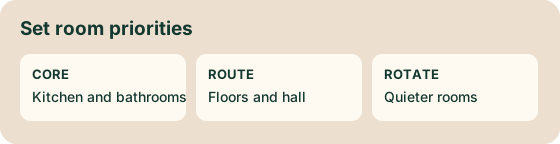
Think first of the room you most want ready after the housekeeper leaves. That might be a bathroom you share during the early morning, the end of the kitchen used to prepare an evening meal or the entrance floor that takes the most foot traffic. Choose a clear starting item and a short core list. Be specific about an available door, table or clean stretch of floor. A room that is used for half the appointment can sometimes be done later if the other agreed work is accessible first.
For a flat with a single entry route, tell us when someone needs to pass over the last floor to be cleaned. For a home with a second way out, check which door a visitor can actually use. Note the time of any work call or other regular appointment, and choose work that can be done around it. Review the first visit with the office if a priority area has not been easy to reach. A change to the order can be more practical than adding work when someone is still using that space.
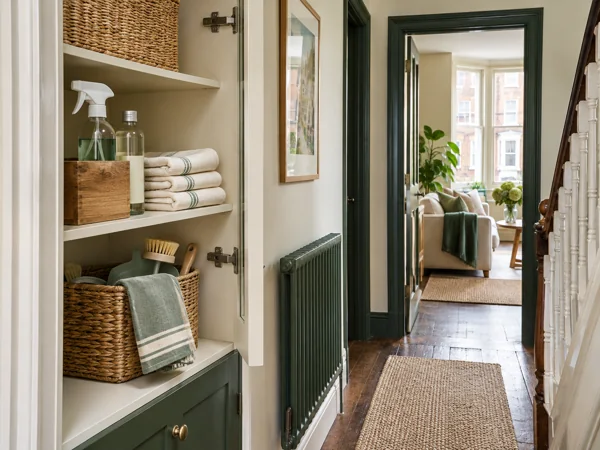
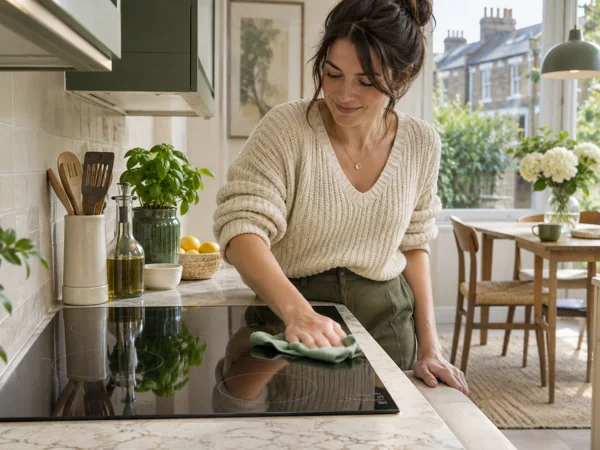
Call out the wet and dry sides of the kitchen
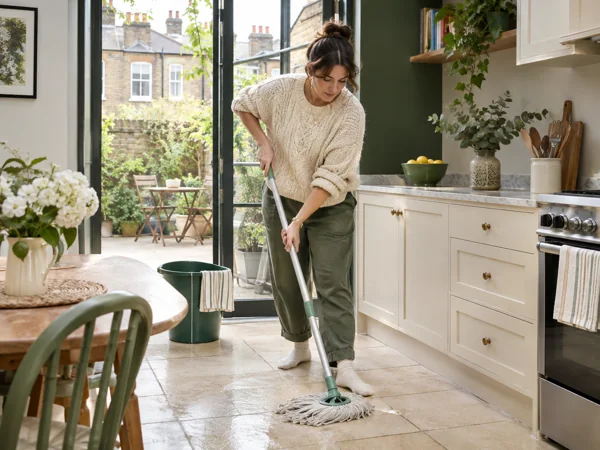
List what should be done near the sink and what matters along the counter away from it. Choosing the basin, open worktops, splashback and hob gives the housekeeper a line to follow. If your dining surface runs straight into this area, say where the kitchen work ends and when you would like the table wiped. Mention anything that should not be moved, particularly recently used appliances or containers. Empty dishes from the space you want reached and keep paper items far enough away for the agreed surfaces to be cleaned and dried.
Show the cloth or product you normally use on surfaces with a particular finish. A tile or stone splashback may have different instructions from the worktop or cupboard handles. Tell us where the products should be returned. If cooking is normally underway at the start of the appointment, choose when the counters and hob will be available. Ask separately about the inside of an oven or fridge. Give the office the item, condition and amount of work you have in mind instead of assuming the recurring visit will include it.
Access notes for Cubitt Town addresses
| Possible route | Tell the office | Confirm |
|---|---|---|
| Street frontage | Residential door name and flat number | Whether guest entrance is here |
| Shared riverside path | Where to leave the public route | Gate or waiting point |
| Lobby and lift | Building core, level and door label | How a visitor is admitted |
Explain which bathroom can stand a longer gap
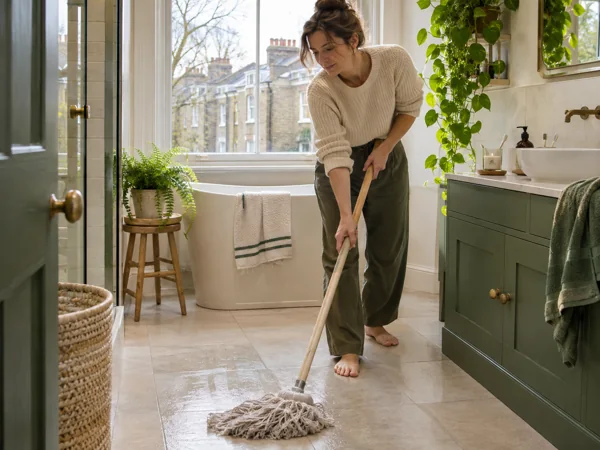
For a home with more than one bathroom, give them names or locations so the housekeeper can distinguish them on the first visit. Tell us which is in constant use and which can move down the list if time is needed for another priority. List the basin, toilet, mirror, bath or shower and floor where they apply. If one toilet is in a very small separate room, mention it in the enquiry even when it takes less time. Decide when the shower room can be left free during your preferred hours.
Point out where the household keeps toothpaste, toiletries and cleaning cloths. For the regular visit, agree how far to work around a shelf that stays in use. If a fitting or glass has specific care guidance, share the product and show which surface it is for. Leave spare towels or mats in the bathroom only if a change has been agreed. Let us know if wear or a damaged fitting means a particular corner should be avoided. Extra treatment can be discussed separately before it changes the size of the recurring job.
Agree how bedrooms and a home office enter the rotation
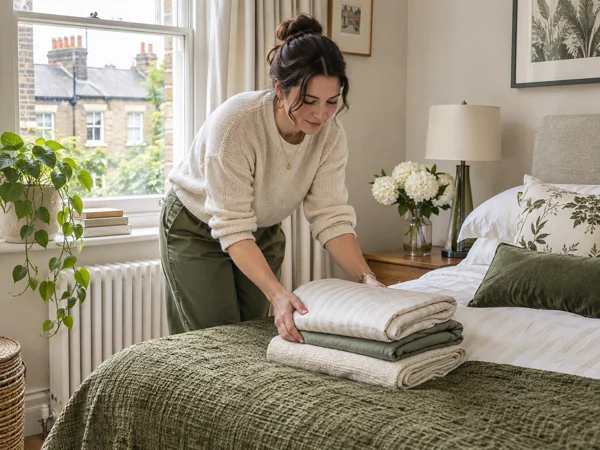
Name the bedrooms you would like done every time and any that should alternate. A space used for work may need to stay closed until a conversation ends, while another bedroom will be free at the start. Identify the accessible floor and surfaces, and make clear which papers and devices should stay where they are. If you want to include a bedding change, provide the correct set for each bed involved. Show where to put the used sheets if the laundry is elsewhere or the housekeeper will not reach that room during the visit.
For a living area, point out the surfaces used most and give a place for any toys or cushions that can be moved. Consider how much floor can be reached around the furniture. A soft rug with a loose corner or an electrical lead running through a floor route may need a separate decision about how to work around it. Choose a high-use area before adding dusting or tidying in less urgent corners. If you want the fabric of a chair or sofa treated, ask about the suitable appointment and how to describe the material.
Set the floor route and keep the kit within reach
Tell us which floor types sit beside one another and where the transitions occur. A hallway can have a short hard floor before the sitting room carpet begins, and a mat may cover the join. Share which surfaces should be vacuumed and which take a mop, and mention any loose edges or damage. For internal steps, include the number of landings and the particular attachment you would like used. Move footwear or give it a designated place. Show where a damp floor would interfere with someone returning home or accessing another room.
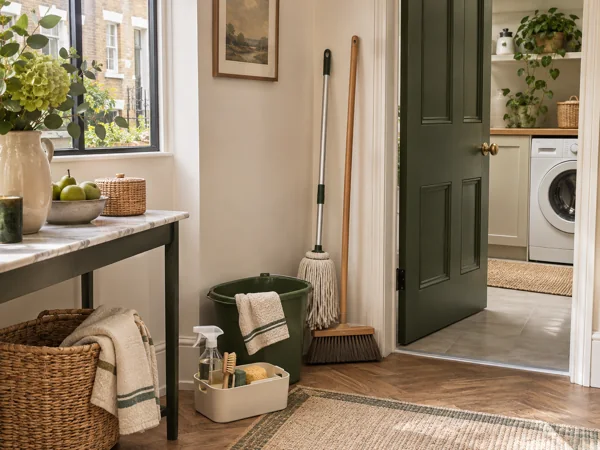
Put the suitable products and floor tools where the housekeeper can get them. If the equipment cupboard is outside the flat, check permission and access before using it as the only storage point. Make sure the hoover has the needed attachment and check its bag or battery. Keep a cloth or mop head apart if a specific finish needs it. Tell us where to leave items after the clean. If the products are kept near a pet or in a locked cupboard, agree another arrangement when the usual person is out.
Move between the main rooms
| Room | A task to repeat | What you may choose to rotate |
|---|---|---|
| Kitchen | Accessible preparation surfaces | Cupboard fronts |
| Bathroom | Daily-use shower and basin | Guest room fittings |
| Bedroom | Floor and agreed surfaces | Linen when the room was used |
Set a visit rhythm around pets and other arrangements
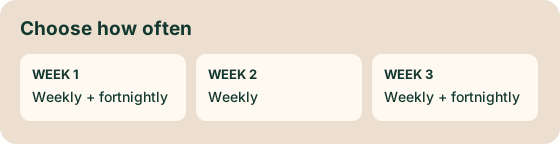
Weekly may suit a home where the same few parts need attention every few days. Fortnightly may fit where the household can look after some of those tasks between appointments. For either option, say what ends up waiting in a typical week and which room must be ready first. Choose a preferred day and another window that would work. If an upcoming date changes, update the office and say what happens to the available rooms and entry arrangements. A housekeeper can only follow the order that is possible when the doors are open.
Give information about pets early. Say who will manage the animal, how it uses the space and which doors must stay closed. A dog walk can create a useful gap for a floor to be cleaned and dried if the housekeeper knows the return time. An indoor cat should have an agreed place that can stay secure as doors are used. Explain which bowls or bedding can be moved and where they go. On a day when nobody is home, settle pet care and access before expecting the same cleaning order to work.
Use the quote to agree what can be done separately
Give the office a useful room count along with the postcode and frequency. Include bathrooms, floor levels and any room that needs extra time during the first visit. Ask how the appointment can fit those needs and which jobs can move to another date. Give feedback if the first clean shows that a task takes a different amount of time. A clear list explains what you want from the service when the number of bedrooms alone cannot capture your routine.
Suggest an individual appointment for a more detailed clean or describe a specific textile, floor or appliance that needs extra work. For a professional carpet or upholstery treatment, tell us what and where the item is and what happened to it. In an apartment, also check whether the separate work needs different access or space. Agree the work and its timing with the office before telling a building or arranging time away from home. Keep the standard housekeeping list ready for the visits that follow.

Request information for a regular quote
| Detail | Example | When to discuss |
|---|---|---|
| Time window | Preferred weekday plus alternative | At first enquiry |
| Pet access | Door that remains closed | Before the visit |
| Extra item | Carpet, sofa or oven interior | As a separate job |
Quotes for Cubitt Town homes
From £23 per hour. Confirm the rate and visit length for your address when you request a quote.
Get a QuoteRelated cleaning services
- Spring cleaning · Ask about a one-off visit for rooms that need additional time.
- Oven cleaning · List the oven cavities and removable parts when requesting appliance cleaning.
- Carpet and upholstery cleaning · Tell us the material and which areas or pieces you want treated.
- End of tenancy cleaning in Cubitt Town
Local references · Tower Hamlets’ Island Gardens appraisal · Tower Hamlets Residents’ Hub locations
Cubitt Town housekeeping questions
Is the library a sufficient meeting point?
It can help as a landmark, but also give the exact address and the route to the residential entrance.
Can a housekeeper use a different door when I am out?
Discuss which door building rules permit and how someone will admit the housekeeper on that date.
Can I put the kitchen after a regular morning call?
Yes. Tell us when the room becomes available and what you would like reached first.
Can the bathroom closest to the hall be cleaned late in the visit?
Ask about that order and say when people will need to walk through the hall or use the room.
Can a guest bedroom go onto the list for one week only?
Yes. Give the date, the work you want there and what can move down the list.
Should I ask separately about a marked rug?
Yes. Describe the material and the mark so the office can discuss what treatment would suit.