 Housekeeper
Regular Housekeeping in London
Set up a recurring clean for the rooms you use every day. Agree a regular schedule, a room list and the small household jobs you want to fit in alongside cleaning.

Can I arrange weekly housekeeping in London? Ask for a regular day and share your postcode, preferred time and the rooms to prioritise.
Can we change the list between visits? Yes. Agree which jobs should take priority and discuss extra time if the list grows.
Start with a week in your home
Think through the ordinary week before choosing a visit time. If Tuesday is the day when everyone is out, access may be straightforward. If Thursday is the day before guests arrive, fresh linen and bathrooms may matter more than a clean staircase. Tell us what the appointment is meant to take off your hands. A clear order is especially helpful in a home with more rooms than can realistically be cleaned in one visit.
At the first meeting, describe the rooms, the floor materials and the jobs you expect each time. Point out surfaces that mark easily and ask which products belong in each room. If you have a list on the fridge, it helps to distinguish the jobs you always want from things that are worth doing when there is time. Keep the list brief enough to agree before cleaning starts.
Kitchens and bathrooms on the regular list
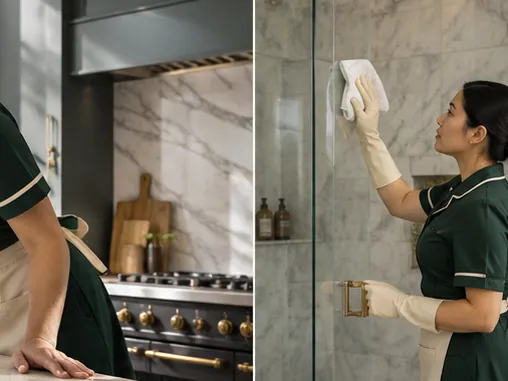
We start with the surfaces that get used daily. In the kitchen that usually means the sink, accessible worktop, splash marks around the hob and the outside of appliances. If you want the washing-up done or the dishwasher emptied, tell us how much time you want to allow. Leave hot pans and a recently used hob to cool. Furniture polish and strong bathroom products belong away from worktops used for food.
In bathrooms the basin, toilet, shower or bath and mirror come first, followed by the floor. Tell us if a floor is unsealed or if the shower surround is natural stone. Heavy scale or a shower screen that needs patient treatment is worth mentioning separately. On a shorter visit you can ask us to concentrate on the main bathroom and give the cloakroom only a quick clean.
What a recurring clean can cover
| Space | Usual priority | Useful note before the visit |
|---|---|---|
| Kitchen | Accessible counters, sink, splashback and hob exterior | Specify safe products for stone or oiled timber |
| Bathroom | Toilet, basin, mirror, bath or shower and floor | Identify delicate fittings and any stubborn scale |
| Bedrooms | Dust reachable furniture, vacuum and change bedding if agreed | Leave clean linen for each bed |
| Shared rooms | Vacuum, dust and tidy agreed surfaces | Mark spaces in use or papers to leave alone |
Bedrooms, bedding and the sitting room
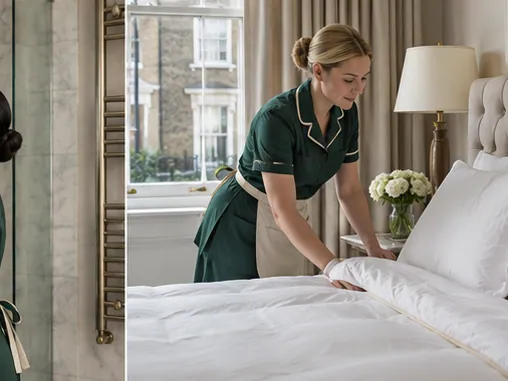
A cleaner can dust reachable furniture, vacuum around the bed and mop a suitable hard floor. If you want a linen change, leave one clear set per bed. Mention a top bunk, a heavy mattress or any bedding that needs to be aired first. For an occupied home office or teenager’s bedroom, tell us which surfaces and papers should be left in place.
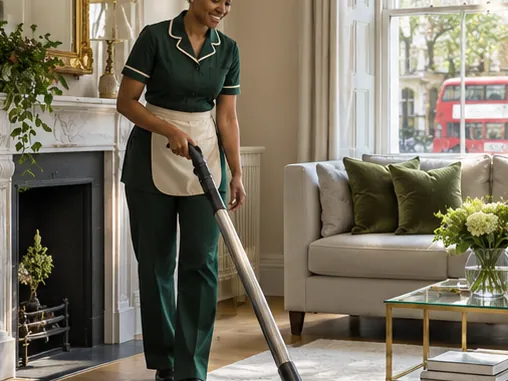
In the sitting room, point out cables, low ornaments, pet bowls and anything that should stay where it is. Sofas can be straightened and the accessible floor vacuumed during a normal visit. For staining, ingrained dirt or fabric extraction, discuss carpet and upholstery cleaning separately. A recurring visit works best when the housekeeper can work through the items already agreed instead of deciding how to handle specialist fabric on the day.
Make access straightforward
If you plan to be out, agree how the cleaner should enter and lock up. For a staffed block, provide the concierge’s opening hours and any visitor registration requirement. In a house with a side gate, explain which entrance to use and how to close it securely. Share access codes through an agreed booking channel only after the arrangement is confirmed.
For pets, let us know if a dog is likely to bolt through a front door or a cat needs to be kept out of a particular room. Leave clear instructions for anyone working from home. If a call is scheduled for the first hour, it may be possible to start in the kitchen and leave vacuuming outside your office until later. If access changes on the day, call before the housekeeper travels.

How to choose your visit rhythm
| Frequency | Common household pattern | What to discuss first |
|---|---|---|
| Weekly | Busy kitchens, frequent bathroom use and bedding changes | Agree the essential list and a practical day |
| Fortnightly | Lighter use with basic upkeep between visits | Allow for a little more time on floors and bathrooms if needed |
| One-off | Guest preparation or several rooms that need extra attention | Agree a separate priority list and duration |

Rotate the jobs that need less frequent attention
Every visit has a finite amount of time. Once the core jobs are established, build a short rotation around what actually collects dust or fingerprints. Skirting boards on the landing might need attention one week and open shelves in the sitting room the next. Put away breakables first if a shelf is crowded. Ask about laundry and ironing separately, and say where items should be left when the job is finished.
If you are preparing for visitors, say whether you want the usual routine shortened so the spare bedroom can be made up. If a room is being decorated, take it off the regular list until it is ready. An occasional backlog can be discussed as a one-off spring clean. Visit length, access, the number of bathrooms and any extras are useful details for an individual quote.
Set up the first recurring visit
- Start with two essential rooms. In a busy flat, that might be the bathroom and kitchen. Ask for the likely time before adding linen changes or an extra bedroom, especially if you need the visit to finish before someone comes home.
- Leave product instructions beside the supplies. A clearly labelled stone cleaner or a cloth set aside for glass is easier to follow than a list of brand names in a message. Tell the housekeeper which cupboard contains everything needed.
- Agree how to flag a change. If a child is ill, a visitor is staying or a home office will be occupied, get in touch early and say what can come off the usual list. Keep the next date and preferred room order together.
A plan for a shared flat
In a shared home, decide who can agree extra time and who will leave products and access. Tell us which bedrooms are private and which communal areas everyone expects to be cleaned. A bathroom with several users can take priority over dusting furniture in rooms people maintain themselves. Ask housemates to clear the counters before the chosen day, or note the corners that should be left untouched when belongings are there.
If the routine works for the first few visits, keep the same list until there is a reason to change it. A holiday, a new housemate or a switch to home working can make a different day more useful. Discuss the notice needed for a change and confirm when the normal appointment resumes. For a flat connected to a concierge desk, check whether repeat visits require fresh approval each time.
Shared flat plan
- Shared rooms · Kitchen, hall and main bathroom
- Private rooms · Confirm which doors stay closed
- Named contact · Agree access and extra time
Keep expectations consistent across visits
Treat the first visit as a chance to check the planned length. A house with two bathrooms, stairs and a kitchen that gets used throughout the day might need different priorities from a home with an unused spare room. Ask which jobs were reached and discuss whether to add time, alternate a room or take an occasional job out of the standard list. That conversation gives the housekeeper a clearer plan for the next visit than a longer list without priorities.
Review after the first clean
- Check what fitted into the visit
- Choose: re-order, rotate or add time
- Confirm the list for next time
Create a short handover note
Leave a way to tell two similar rooms apart and include a line about which floor material is where. If you use several sets of cloths, identify them by room. Put changed instructions at the top of the note so the housekeeper can spot them quickly. If the appointment is shared between household members, decide who checks the next date and who can answer a question about products, bedding or access. Once the routine feels settled, keep only the details that still affect the work.
What to leave in the handover
- Room names · Identify similar bedrooms
- Supplies · Share cupboard and cloth details
- Changes · Put new instructions first
Regular Housekeeping FAQs
Can I ask for the same housekeeper?
You can state a preference when arranging regular visits. Ask how cover is handled if the regular cleaner is away. The postcode and day affect the available options.
Can I leave cleaning products for different rooms?
Yes. Say where they are kept and which surfaces they are for. Mention allergies or a preference to avoid fragranced products before the visit.
What happens if I add a room?
Tell us which existing jobs can wait or ask about allowing more time. The housekeeper can then follow a clear order.
Can you work while I am at home?
Tell us if you need a quiet room or if there are calls during the appointment. Agree the order before vacuuming or working around desks.
Discuss your regular housekeeping visit
Related services and information: Spring Cleaning, Cleaning Prices and Quotes.