 Housekeeper
Mould Removal in London
Tell us where mould is visible and what you know about moisture in the property. Ask about assessment, appropriate surface work and any building repair needed before treatment is agreed.
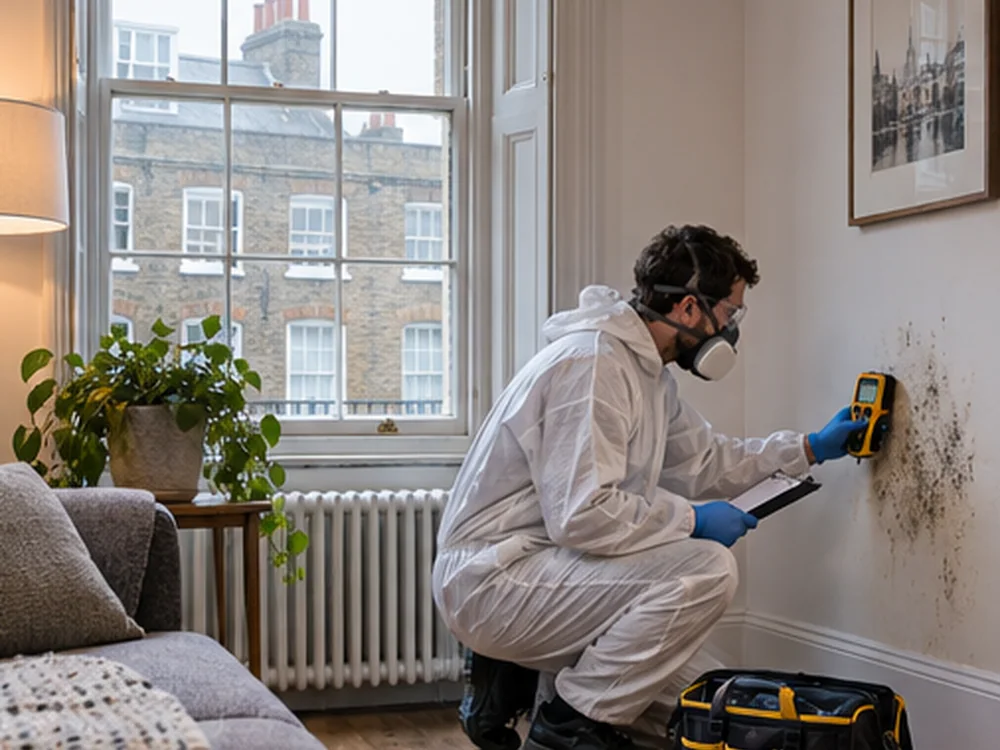
Can I ask about mould in a London flat? Give the affected rooms, approximate area and any known leaks, cold surfaces or persistent condensation.
Can removing visible marks solve a damp problem? Address the moisture source as well. Recurring growth may need a building or ventilation assessment.
Explain where the problem first appeared
Say which walls, ceilings or window surrounds are affected and when you first noticed the issue. Distinguish an isolated small patch from changes across several rooms. Photograph the room as well as a closer view from a safe position, and mention if the area has expanded since you last checked it.
Tell us about leaks, building work, heating changes or prolonged condensation. If a patch follows rainfall or appears below plumbing, describe the timing and the room above. Mark whether the surface is an outside wall, behind a wardrobe or next to a shower. This information helps the assessor give an appropriate next step.
Treat moisture as part of the enquiry
Visible growth and the reason moisture is present are related but distinct. A leaking pipe, defective rainwater fitting or damp building material needs attention from the appropriate property professional. If you are renting, report recurring damp or mould to the responsible landlord or agent and keep a record of when it was raised.
Tell us if a repair has already been carried out and when the area was last seen dry. A recent leak can leave moisture in materials even when the surface looks better. Ask who will assess moisture and whether confirmation of drying is needed before decorating or replacing affected porous materials.
What helps a mould enquiry
| Observation | Details to send | Why it helps |
|---|---|---|
| Visible patch | Room, size, surface and time noticed | Distinguishes isolated and recurring issues |
| Condensation | Windows affected and regular timing | Informs a ventilation discussion |
| Water damage | Leak history or rainwater pattern | May need building or plumbing repairs |
| Material damage | Lifting paint, soft plaster or affected fabric | May require assessment beyond surface work |
Describe surfaces and materials accurately
A painted hard surface, wallpaper, plasterboard and fabric call for different decisions. Give details about lifting paint, damaged plaster or persistent odour. Visible symptoms on a wall do not establish what is happening behind it. Where an area is extensive, hidden or linked to unresolved water damage, ask for suitable specialist assessment before accepting a cleaning quote.
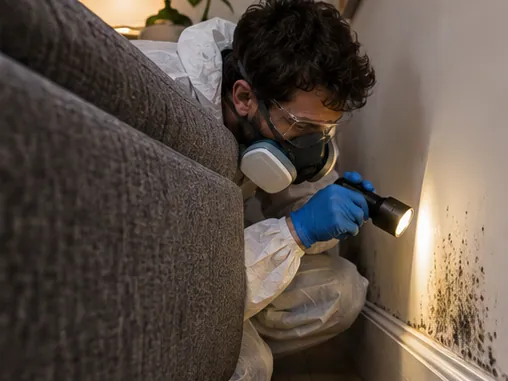
Include adjacent possessions only if they are part of the enquiry. Tell us if the affected area is close to bedding, upholstered furniture or stored goods. Ask what should remain undisturbed in advance of assessment and what, if anything, can safely be moved.
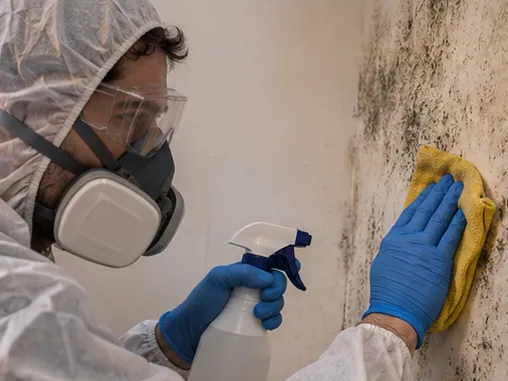
Agree access and explain who uses the space
State whether the room is occupied, the property is managed or there are restrictions on access. Let the assessor know if the affected room is a bedroom, shared workroom or a space used by people who may need particular consideration. Discuss arrangements for occupants and pets before any work takes place.
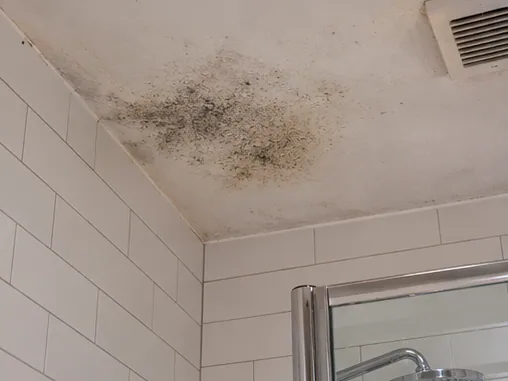
Describe where the assessor can stand and what furniture blocks the area. If a ceiling or area above stairs is involved, give approximate height and photographs from a safe position. Ask what exclusions or preparation will be written into the quote and who is responsible for any subsequent building work.
Who to speak to about next steps
| Situation | First discussion | Information to keep |
|---|---|---|
| Rented home | Landlord or managing agent | Dates, photos and any earlier reports |
| Active leak | Appropriate property repair professional | Where and when water appears |
| Recurring surface marks | Assessment and moisture history | Repairs, ventilation and affected rooms |
| Extensive or hidden damage | Specialist property assessment | Extent, access and work already done |
Plan the follow-up as well as the visit
Ask for the affected areas and proposed work to be listed. Establish who handles repairs, ventilation matters or damaged finishes. An improved appearance after surface treatment does not confirm that underlying moisture has been resolved. Keep the enquiry information and any property professional’s findings together so repeat problems can be compared.
This is a new enquiry category. Contact the office to confirm whether assessment and treatment can be arranged for your property. If external water is the suspected source, discuss roofline or drainage assessment first. A separate gutter check may be relevant if rain visibly overflows at the affected wall.
Prepare a record of what you have seen
- Mark changes on a simple room plan. Note external walls, windows, pipes and adjacent rooms. Show the position without lifting finishes or moving anything that might be affected. Take dated photos from a safe location if you can.
- Write down moisture events. Include leaks, heavy rainfall where relevant, prolonged condensation and any known building repairs. Give dates or approximate periods. Record if the area returned after redecoration or a previous attempt to deal with it.
- Name the person responsible for the property. Give the landlord, managing agent or owner’s role. Ask who can approve assessment and repairs, especially where the affected area is in a shared hallway or the suspected source is outside the flat.
A patch around a bay or window
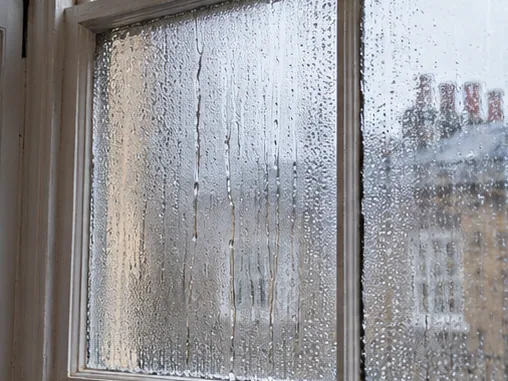
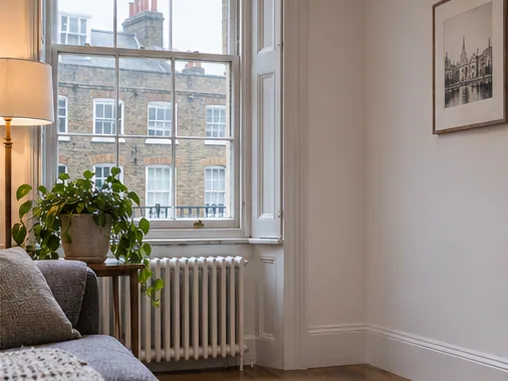
Describe whether you see water on the glass, a mark below the frame or a change at the wall beside it. Note when it appears and which rooms regularly experience condensation. Consider whether a recent plumbing fault or leak elsewhere has already been identified. These details do not diagnose a cause; they help the assessor decide which questions and observations belong in the first visit.
For a cold room that is occupied or used intermittently, let the property professional know about heating patterns, ventilation and access to outside walls. If furniture stands close to a wall, explain its position rather than disturbing it before advice is given. Keep a clear record of what you have reported and avoid assuming that a fresh finish after decorating resolves the cause.
What to note at a window
- Where moisture appears
- When it occurs and which rooms recur
- Share the record for assessment
A second visit after a leak
Tell the office when the leak was identified and when the appropriate repair was completed. Ask the property professional whether affected material has dried and how that has been established. An earlier contractor may have records or photographs that help confirm the sequence. If plaster or other materials remain damaged, separate the assessment for repair from any enquiry about dealing with visible surface marks.
Discuss how residents can use the property while further checks are made. In a rented flat this may involve a property manager, a contractor and a tenant who have different access arrangements. Confirm who will pass on the details and who can respond to a question about an adjoining room. If a check needs approval from the building owner, arrange it before trying to book work within the flat.
After a leak
- Confirm the repair details
- Ask whether materials are dry
- Agree access for further checks
Record what is outside the proposed work
An enquiry should make clear where the affected area is and which decisions need another specialist. Tell us about soft finishes, historic water damage, stored items or a smell that is not visible at the wall. Ask what evidence the adviser needs, how the affected room can be assessed and what work needs to happen before it can be redecorated. If the situation is changing quickly, report it to the responsible property contact again with the new information.
Identify the right next step
- Active moisture · Arrange appropriate assessment
- Damaged material · Discuss repair
- Visible marks · Assess after cause review
Agree what the follow-up will cover
Keep the original observations with any findings about moisture, repairs or the condition of materials. Note areas that were excluded and what would prompt a further check. For homes with several affected rooms, ask for a clear sequence of assessment and any agreed treatment, including arrangements for the people who use those spaces. Confirm which availability and responsibilities the office can actually offer before accepting an appointment.
Keep a follow-up record
- Affected rooms and dates
- Findings, exclusions and repairs
- Changes to report to the property contact
Keep building work separate from appearance checks
Ask who can inspect a damaged gutter, a suspected leak or a room with persistent condensation and record what they agree to check. If repairs are arranged, give the assessment team the date and details so they can understand which materials were affected and what drying information is available. Keep the original photos. Discuss a follow-up if the appearance changes or the same part of a room suffers again. This lets the responsible person compare moisture and repair findings with visible signs at a later date.
Building work and visible marks
- Record who is responsible for repairs
- Keep dated photos and findings
- Review again if symptoms recur
Mould Removal FAQs
Can you price it from a single close-up?
It helps to have wider photos, room details, size and moisture history. A visit may be needed before work can be quoted.
Should I paint over it first?
Discuss the moisture and surface condition before redecorating. New paint can conceal visible evidence without addressing the source.
Can you confirm the issue will never return?
Recurrence depends on moisture and building conditions. Ask which causes and repairs are included in the agreed plan.
Can a bathroom clean deal with the same problem?
A usual bathroom clean covers agreed fixtures and accessible surfaces. Repeated or extensive affected areas should be assessed separately.
Discuss your mould removal visit
Related services and information: Gutter Cleaning, Contact and Cleaning Jobs.