 Housekeeper
Tile and Grout Cleaning in London
Arrange cleaning for tiled floors and accessible tiled areas. Describe how the surface was finished and show any grout that is stained, loose or missing.
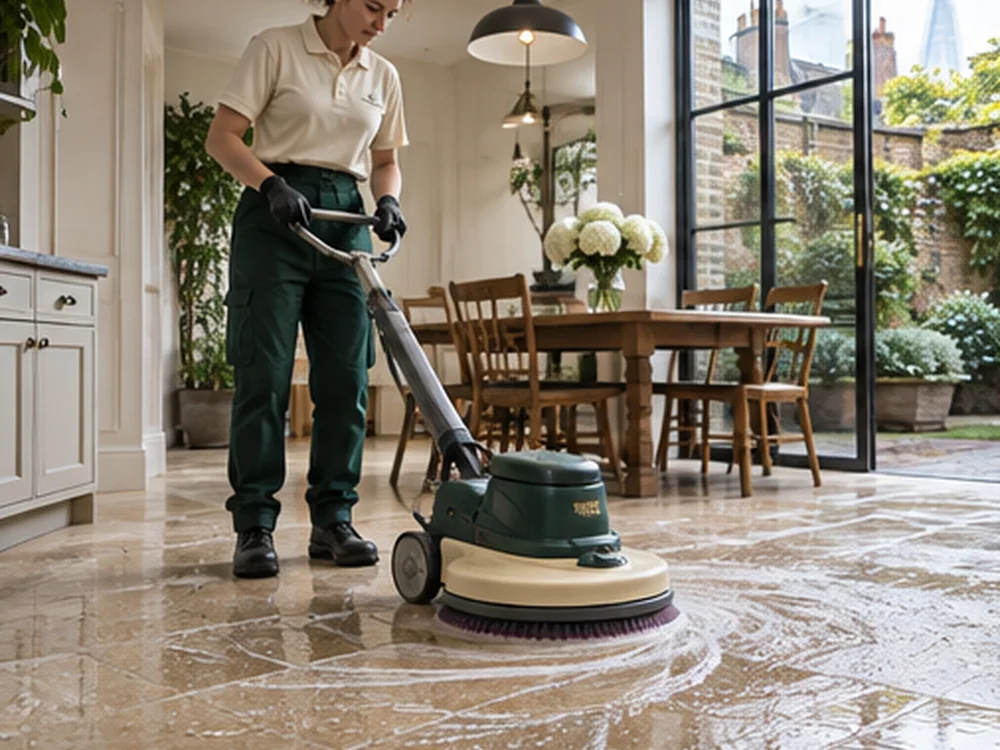
Can I get a quote for a tiled London hallway? Include measurements, tile material and photos of the darkest grout lines and any damaged tiles.
Do tiles need sealing after cleaning? Suitability depends on the material and existing finish. Ask for sealing to be assessed and priced separately.
Identify tile, grout and seal
Check if the tiles are ceramic, porcelain, natural stone or another material. A mottled surface can disguise both dirt and damage. If you have a spare tile or the fitter’s paperwork, use it to identify the finish. Tell us if the grout is cement-based or epoxy if you know.
Mention an existing sealer, floor polish or protective coating. Older porous tiles may have been waxed or sealed more than once. A technique suited to glazed porcelain can be inappropriate on a sensitive natural stone. The material and condition need to be known before confirming which equipment and product to use.
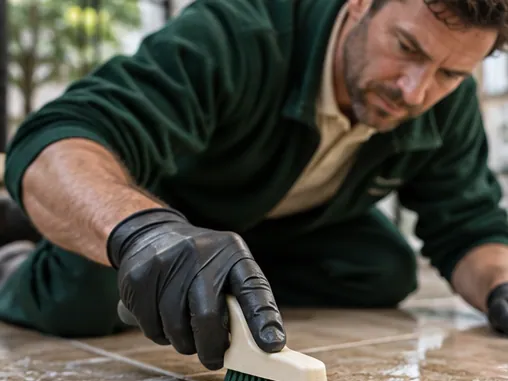
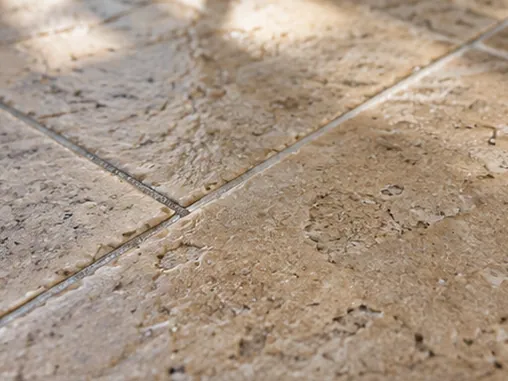
Show the condition of the grout
Photograph the junction between the tile and the joint. Surface dirt, discolouration through the grout, cracking and missing material are different concerns. Point out recent repairs and areas where grout has become powdery. Cleaning does not replace joints that are crumbling or repair loose tiles.
Pay particular attention to bathrooms and utility rooms, where repeated moisture may affect corners and edges. If dark marking returns around a shower or along a wall, describe any leak, condensation or damaged sealant. Discuss the moisture source separately if it is still active.
Assessing a tiled surface
| Feature | Information needed | Why it matters |
|---|---|---|
| Tile | Ceramic, porcelain, stone or sample | Controls product and pad choice |
| Grout | Condition and any repairs | Damaged joints may need separate work |
| Sealer | Product or history if known | Affects rinsing, stripping or further treatment |
| Edges | Thresholds, corners and fixed furniture | Some areas need separate hand work |
Agree the balance between machine and edge work
The live tile service describes a rotary machine with material-specific products. A broad floor may suit equipment that cannot reach a narrow gap behind a toilet or a corner beneath a fitted cabinet. List the areas that need manual attention so they can be considered when planning the visit.
Ask which edges and walls are included. A tiled floor and a tiled shower wall may require different tools, access and preparation. Explain if part of the floor needs to remain open or if a threshold leads into timber that must be protected.
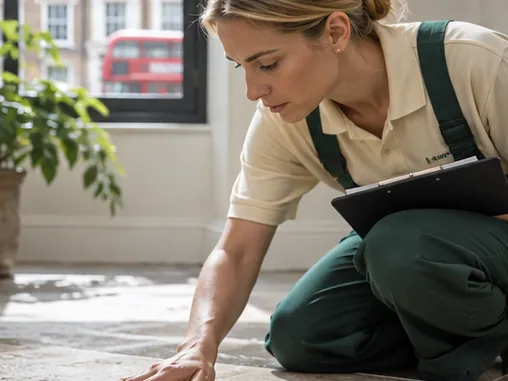
Allow for preparation, rinsing and drying
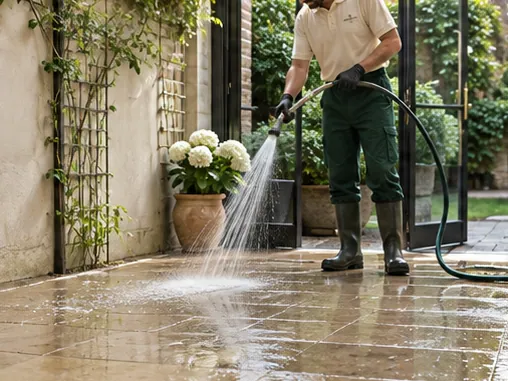
Clear rugs and portable items, and check what can be moved from the room. Give measurements for the accessible areas and tell us about stairs, a lift or building restrictions. If water tends to pool in an uneven floor, point it out during assessment.
Ask how traffic will be managed while the tiles are wet and when mats or furniture may return. If sealing has been proposed, confirm the drying interval between stages and the care instructions for the finished surface. In a shared hallway, arrange a suitable time with the people who use it.
Choosing the next action
| Issue | Useful first step | What to agree |
|---|---|---|
| Surface soil | Cleaning assessment | Areas, method and protection |
| Dark intact joint | Inspect and discuss a test | Expected improvement on that grout |
| Loose or missing grout | Ask about repair before cleaning | Sequence and responsible trade |
| Water returning | Investigate the source | Drying and repair plan |
Decide what the finished result should address
A clean, usable floor may be more achievable than restoring grout to a uniform original colour. Share photographs of your priorities and tell us which joints are of greatest concern. A floor that still needs regrouting or repair should be priced and sequenced accordingly.
For rooms with different flooring, discuss hard floor cleaning for adjoining surfaces. Give the housekeeper any aftercare instructions so ongoing maintenance follows the agreed guidance for both tile and grout.
Inspect the whole tiled area before quoting
- Show a part of the floor that rarely gets used. Photograph a quiet corner as well as the doorway or shower edge. The difference can help show original colour, traffic and dampness. Use good light and avoid a close-up that makes the material impossible to identify.
- List changes in texture and material. A border can be natural stone while the main area is porcelain. Identify glass mosaics, decorative inserts, thresholds and adjoining surfaces. Where the grout changes colour between rooms, say whether one side has been repaired or installed more recently.
- Flag areas that feel unstable. Take pictures of cracks and worn joints without pulling at them. Point out any tile that sounds hollow or moves underfoot and identify spots where water regularly appears. Ask whether repairs should happen before cleaning is considered.
A hallway with an uneven tile pattern
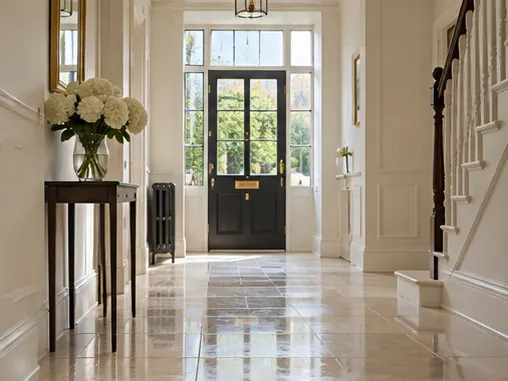
In an older London property, the entrance floor may include patterned tiles with small, closely spaced joints and worn areas by the door. Tell us if you know which tiles are original and which have been replaced. Previous coatings can hide differences in porosity. Ask how the technician will inspect the surface before recommending equipment. A floor that needs repair or conservation should be assessed on that basis before attempting to improve the appearance.
Decide how people will enter while the work is going on. If the only door opens straight onto the floor, arrange short periods when it is safe to keep the route clear. A building with shared access may need a different time or separate stages. Confirm what parts of a continuous floor the quote covers, including any short return into the stairs or another room.
Patterned hall assessment
- Identify original and replacement tiles
- Show worn joints and old coatings
- Agree when people can re-enter
Bathroom tiles need separate expectations
List the tiled wall, floor and shower area separately. Colour change near the bath may come from repeated moisture or the use of a different jointing material during a repair. A floor treatment is unlikely to address a failing silicone seal. If you see marks around the seal as well as in the joints, show both and ask who can assess them. Tell us if the bathroom has underfloor heating and ask about its use across any treatment and drying stages.
Clear removable fittings, toiletry bottles and mats before the agreed visit. If a fitted cabinet blocks part of the flooring, show its position beforehand and identify any vulnerable skirting. Ask how the room should be aired, who will move items back and whether a sealant needs a longer dry period. Keep separate work on the enclosure or bath fittings on its own line in the quote.
Bathroom surface map
- Wall tile · List joints and finishes
- Floor · Note heat and access
- Sealant · Flag damage separately
Plan the return to everyday maintenance
Find out what cleaning product, mop and water allowance are appropriate for the actual tile and joint. Leave those instructions for the person who maintains the room regularly. If the cleaned area looks uneven, assess it once dry and in ordinary light. An existing repair or change in tile finish may still be visible. A clear record of treated areas can help if some rooms are being done later.
Aftercare to record
- Approved product and mop
- Return time for mats or furniture
- Areas and treatments recorded
Compare a surface clean with a repair brief
Make a short list of which joints are soiled, which are damaged and which tiles need a closer inspection. This separates the results you can reasonably request from changes that need another trade. In a tenanted property, get consent for repair before any work affecting the surface is agreed. Confirm who is responsible for advising on the floor after each part of the work.
Choose what needs attention
- Stained joint → Assessment for cleaning
- Missing grout → Repair first
- Returning water → Investigate source
Make separate notes for the threshold and border
Photograph how the tiles meet a carpet, wooden floor or external step. Check whether the strip is level with the main area and tell us if it is loose. A narrow tiled border can be made from another material and may need different products or access. In a kitchen, note which edges disappear beneath fixed units and give an estimate of accessible floor. Confirm which edges and sections will be assessed before arranging wider work or assuming it is all priced the same way.
Border and threshold check
- Show changes in tile material
- Identify adjacent wood or carpet
- Mark loose strips and fixed furniture
Tile and Grout Cleaning FAQs
Will all the grout match afterwards?
Joint age, original colour and previous repair affect appearance. Ask for a small representative area to be reviewed first.
Can you do a shower enclosure and the floor?
Describe the wall and floor as separate surfaces. Include glass, sealant and stone details if they are relevant.
Can I use the room that day?
Confirm the period for drying and any additional sealer before planning access or replacing rugs.
Do you repair tiles that move?
Loose tiles and cracked substrates require assessment for repair. Point them out before booking cleaning.
Discuss your tile and grout cleaning visit
Related services and information: Hard Floor Cleaning, Mould Removal.