 Housekeeper
Plan your kitchen visit
Oven Cleaning in Tufnell Park
Arrange oven cleaning in Tufnell Park for the cooker and parts in your kitchen. Describe the oven, trays and grease you want assessed, then give the visitor route and next cooking time. Include details about shared access or a separate stair if the kitchen has an entrance of its own.
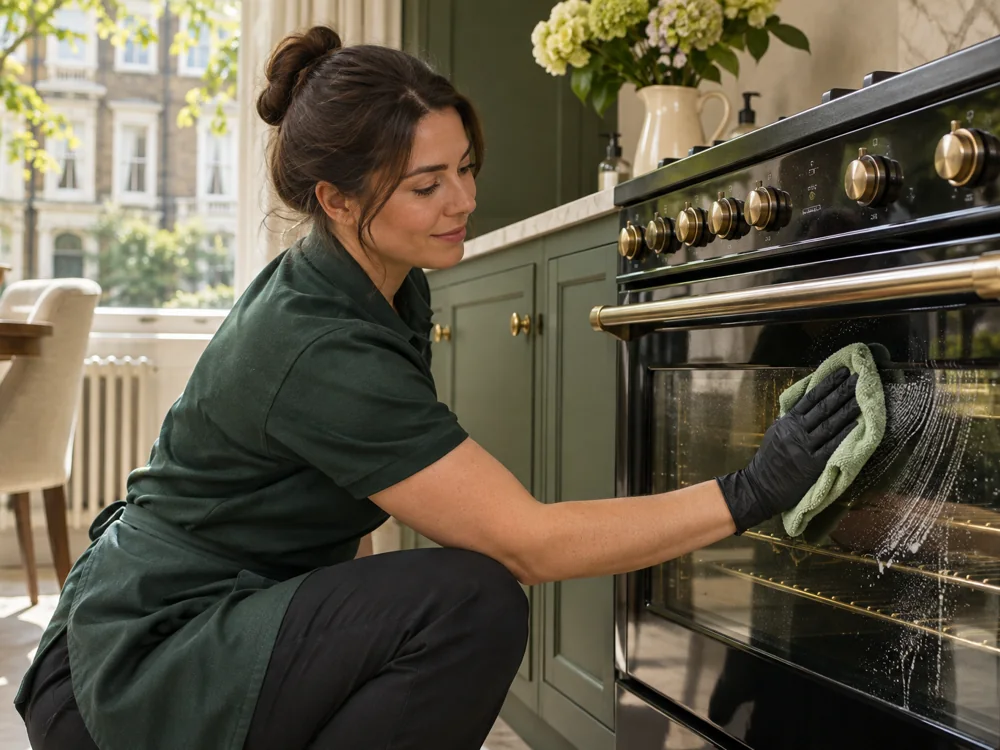
Can I enquire for an oven in a converted Tufnell Park flat?
Yes. Give your full postcode, the correct bell and the actual flight or stair to the kitchen.
Can I ask for the grill tray and main oven separately?
Yes. Identify the cavities and tray, and tell us which parts need assessment first.
Send the Tufnell Park address with the entrance a visitor can use
Transport for London lists Tufnell Park Underground station on Fortess Road. When you mention it to place your address, send the full postcode and the actual entry from the street. If a front door serves several flats, give the intercom label and kitchen floor. A basement flat may have its own stair down the side or front of the building while the main front door serves the rest. Say which one you can open and explain where a person with equipment should stand when they arrive.
Discuss unloading separately from the pedestrian route if a shared courtyard, drive or gate is involved. Check with the person responsible for the property if use of a gate or communal hall is restricted. Give the steps along the route in order rather than describing the home as being one floor down. There might be a short flight outside and a separate step into the kitchen. When somebody is meeting the technician, agree the meeting point and confirm that they can provide access to the whole route.
- Provide the residential entrance and postcode.
- Describe outside steps and interior route separately.
- Confirm any shared gate with the building contact.
Explain whether the kitchen serves your home or also a group of flatmates
If several people use the oven, give them the agreed appointment window before they put a meal in. Ask which parts of the oven they use frequently and who knows about any accessory kept out of sight. A tenant moving out may want to assess their main oven, while another person needs the hob or shared microwave. Explain which equipment is to be considered and which needs to remain accessible. This can matter as much as choosing the time if the kitchen has a narrow aisle.
In a converted property, a kitchen may open into a sitting room or across a hall that visitors also use. Look at the area when the appliance door is open to see what needs moving. Tell us where a clear work surface is available, and mention if water or power access is restricted. Keep pets and children away while the technician handles parts. Give the time when the next person needs to cook. Make sure someone at the property can hear and pass on instructions about using the oven after handover.
- Tell the household when to leave the oven cool and unused.
- Agree the items to assess and the appliances people still need.
- Pass the handover to the next person using the cooker.
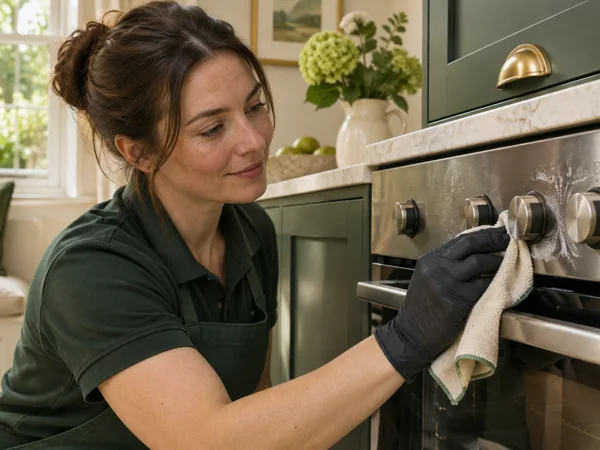
Distinguish the outside approach from the inner stair
| Part of the route | What to send | What to check |
|---|---|---|
| Street entrance | Correct property number and label | Which door the occupier can open |
| Shared hall | Extra door and kitchen floor | Who can provide entry |
| Lower-ground stair | Turns, landings and steps | Route from agreed unloading |
Prepare the area without handling unfamiliar fittings
Once the oven is cool, remove food, cookware and any loose foil that will be in the way. Move a chair or trolley if it limits the opening. Make enough room to look at trays and racks separately. Set out the specific items you want considered and say which cavity they fit. Leave a fitted rail, side support or worn panel where it is if you are unsure of the fixings. Showing how a shelf catches can be more useful than trying to clear the catch before the visit.
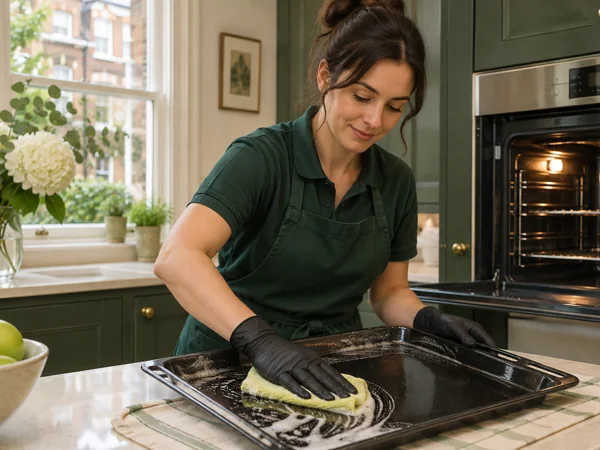
The parts you identify in the enquiry can include a grill pan, its wire insert and a detachable handle. Keep them in a group if they normally sit together. A plain rack and a coated tray can need separate consideration. Suitable removable components can be taken out for cleaning and may be soaked in a dip tank if appropriate. The technician assesses their finish, material and condition first. Mention a replacement tray and note a coating that already shows wear, so each piece can be considered as it stands.
- Remove loose food and ordinary cookware before arrival.
- Leave unfamiliar runners and supports in place.
- Identify original and replacement accessories.
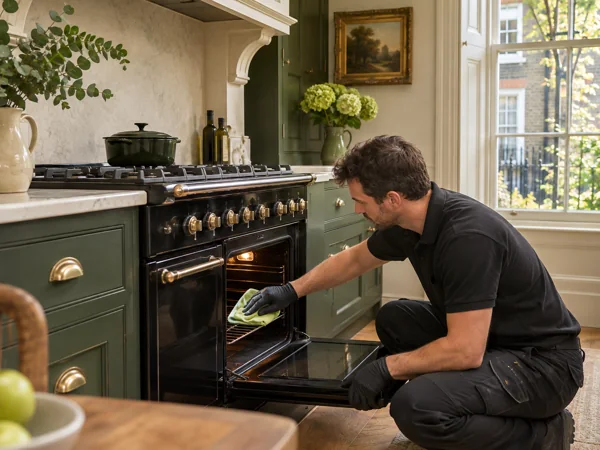
Take photos that tell the technician which oven is involved
Describe a single, double or range cooker in terms of the number of cavities you actually use. If the housing has a microwave above the main oven, give the full front so the correct door is easy to identify. A smaller cavity on a double oven can be used mainly for grilling and have its own pan. Tell us which compartment needs attention and list any others separately. Find the model in the paperwork or on a visible label near the door with the appliance cool and left in its normal place.
If part of the cooker is no longer in use, explain why before arranging cleaning. A fault with heating or a hinge can make the proposed assessment different from a routine check. Ask an appliance specialist separately about operation. Show any worn frame or loose glass already present. If a landlord or another resident is opening the flat, give them the appliance pictures and point out the parts you want the technician to consider. That person can confirm the right door and show the relevant trays.
Give the history of spills and the lining finish
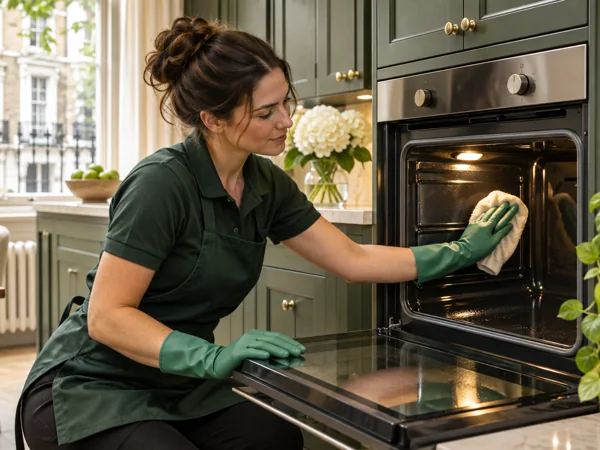
If the main issue is a mark from a spill, describe its position relative to the door or shelf. A patch under one tray can become harder after further cooking. A grill used regularly can have grease at the tray and above the opening. Tell us which parts are affected and include an overall photo for context. Some dark marks are food residue and others are discolouration or a change to a surface. Inspection lets the technician discuss an appropriate treatment for the condition actually present.
Share instructions for catalytic or other specialist linings if you have them. Give details about previous sprays or a self-cleaning cycle, including areas treated. A mark that looks the same across a seam can sit on two surfaces that need different handling. If the door glass is cloudy, compare what you see open and shut. Describe the position of a streak that seems to be behind a pane and report any earlier glass replacement. The technician can say which surfaces are reachable after assessing the model and condition.
- Explain the most recent spill or greasiest cooking task.
- Mention cleaning products and cycles already used.
- Show the mark and the finish next to it.
Identify the parts that need separate attention
| Part | Observation | What to ask about |
|---|---|---|
| Main cavity | Spill under a dish or rack | Extent and affected finish |
| Separate grill | Residue on wire insert | Tray parts and coating |
| Fitted support | Runner that catches | Assessment before moving parts |
Choose which additional cooking appliances are part of the visit
Ask for a separate hob assessment if you want it. Say whether the hob is gas, induction, ceramic or another type and show which burners, supports or cooking zones need attention. If a griddle is an independent piece, name the finish and any signs of wear. Include the way the controls are arranged if the hob and oven use the same panel. A photo of the whole worktop can show which appliance needs to be left in use and how close it sits to the oven door.
A hidden extractor can be reached from under a cupboard, while a wall-mounted hood can stand over a separate island. State the visible finish, position and height when asking about it. Give the filter type if known and distinguish the housing from a metal mesh or disposable insert. Note anything that prevents access. Ask to check what was agreed for each appliance before booking. If an inventory lists the hob or hood separately from the oven, follow that structure when explaining the additional work you want considered.
Plan handover around the rest of the property visit
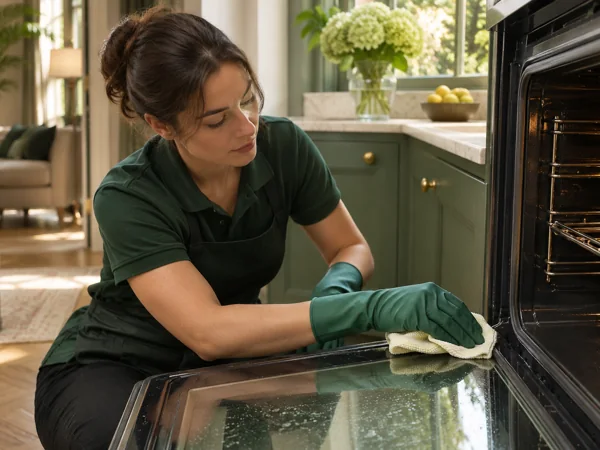
Set a clear time for who can be at the home when the technician arrives and who will open the relevant doors. The person there can show the cold oven, point out marks and confirm the agreed parts. If other cleaning takes place around the same time, tell people which worktop and entrance the technician needs. If someone else needs to handle keys later, explain who can remain at the property long enough to hear the handover. Give the next planned use of the oven before you agree a time.
When the visit ends, confirm which components were treated and when the oven can be used again. Ask which surfaces were left in place and whether there is care information to pass on. Put the ordinary baking equipment back only after confirming the relevant instructions with the technician. In a shared property, let the next cook know which trays and shelves belong to which oven. If a key holder is passing the property to somebody new, make sure the handover information reaches that person as well.
Send a request with a usable parts list and access instructions
Use your postcode enquiry to give the actual address, entrance and appliance type. Put the priority cavity first and list the relevant accessories with a short description. Give photos of the front, any mark to review and the model if it can be read safely. Include other appliances as separate entries. If someone is opening the property for you, share photos and the item list with them. Confirm when the kitchen needs to become available and include known condition or access constraints.
For a tenancy clean, compare the actual oven and parts with the inventory list. Ask to review a quote if an independently fitted grill or a spare tray was missed from the description. Give changes to the key arrangements or visitor entrance before the appointment. Confirm which parts are agreed and ask about the timing of returning the oven to use. One consistent list makes the appointment easier to confirm when the tenant, resident or agent each handles a different part of the process.
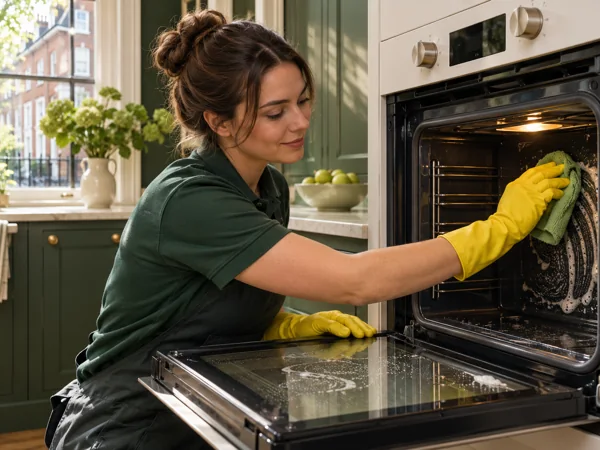
Prepare a shared kitchen for the appointment
| When | What to do | Who needs to know |
|---|---|---|
| Before arrival | Leave the oven cool and the worktop clear | Other residents |
| At inspection | Show the requested appliance and parts | Person who opened the home |
| At handover | Ask when the oven can be used | Next person cooking |
Get an oven cleaning quote in Tufnell Park
Request a quote with the oven type, number of cavities and any extra appliances.
Get a QuoteOther Cleaning Services in Tufnell Park
Local references · Transport for London – Tufnell Park Underground Station
Tufnell Park oven cleaning questions
Can I arrange a visit if my kitchen is below street level?
Give the actual lower entrance, steps and gate access along with the full postcode.
What if a flatmate has put spare trays in another cupboard?
Set out the trays you want assessed and make clear which appliance they belong to.
Should I tell the technician about a cleaning spray used weeks ago?
Yes. Say where it was applied and whether the mark appeared before or afterwards.
Can I request only one cavity in a range?
Identify its door position and the racks or trays that belong with it.
Can I use the extractor while another part is assessed?
Describe the kitchen layout and discuss which appliances need to be accessible before booking.
Can a different person receive the handover?
Give them the full appliance list and ask them to pass on the advice about use and accessories.