 Housekeeper
A routine for the home you live in
Regular Housekeeping in Tufnell Park
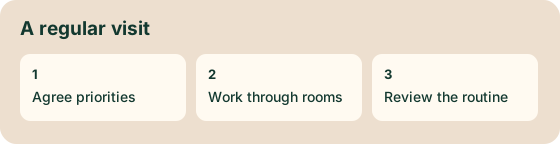
A regular housekeeping visit can be planned around the rooms you use on a normal day in Tufnell Park. Tell us where to enter, the jobs that tend to build up between visits and when the rooms will be free.

Can I give directions from Tufnell Park station?
Yes. Add the property number, flat and postcode, and describe the entrance and the label on the bell.
Can I prioritise the steps and hall after muddy weather?
Yes. Tell us what the steps and hall are made of and show where the approved equipment is kept.
Choose a local reference that leads towards your address
Transport for London locates Tufnell Park Underground station on Fortess Road. The station is a useful starting point if your street is nearby. Tell us which way the visitor should turn from Fortess Road. Give the name and number of the actual street and the full postcode alongside it. If there is a tall hedge, a divided path or more than one front door, describe the entrance someone has permission to use. For a flat, add the bell label and say how to identify the door after the shared entrance has been opened.
Tell the office who is normally able to let the housekeeper in. Give different directions if the visit needs to start through a lower-ground door or if a gate cannot be opened without someone present. Say when that person is available and what time the rooms can first be worked in. On the first date, point out any change in floor height, narrow turn or stairs between the door and the place where the equipment lives. Give the housekeeper a place to set down a vacuum while you show them the route, especially if you need the gate to close behind you. If the way in changes for one date, agree it before that appointment.
Make time for the whole route from front door to upper floor
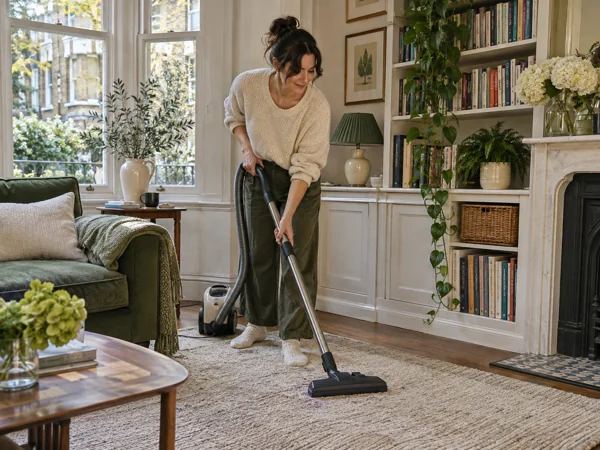
Say which sections of a hall, staircase or landing you want looked after and give the surface details along the route. If a runner stops halfway up or a floor strip marks a different finish, explain which method goes where. Point out an attachment for the stair edges if one is available. Give any instructions for skirting, banisters and the reachable areas behind or below them. Mark where the approved product is needed and agree which parts can be covered each time if access to the whole staircase is limited.
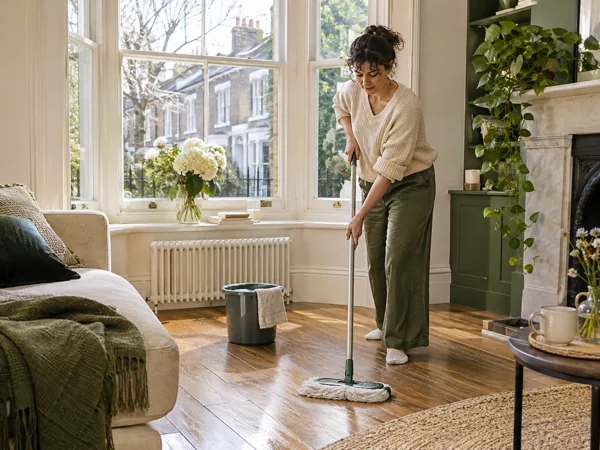
Think about the stages of the visit when the stairs are needed by the household. One part could be done early while people are upstairs, and another after they have gone out. If the stairs are cleaned with an approved damp method, agree when they can stay clear while they dry. Decide where shoes, a bike or an umbrella stand can go for work by the door. Give directions for any items too awkward to move every time. Use a clear place within reach for the smaller items that return after the floor is ready.
Discuss the kitchen in terms of the next time you will use it
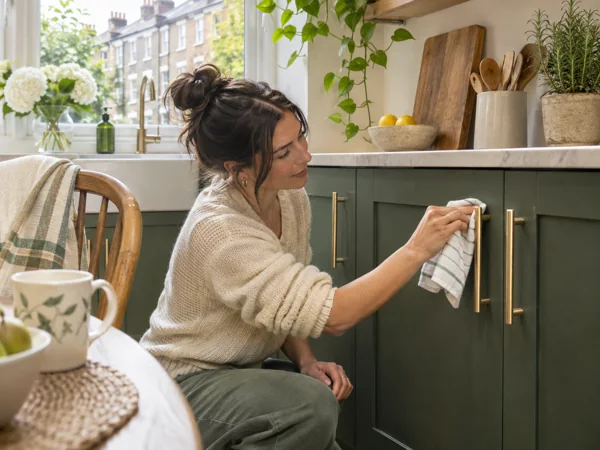
Give the housekeeper the priority areas around the sink, main preparation surface and hob. Identify the parts of the appliance exteriors and cupboard fronts you would like done and agree where to put loose items. For a kitchen that opens on to a garden or yard, say how often people walk through and whether the part of the floor by that door needs regular attention. Show how to look after any different floor or worktop finishes and let us know which ones need separate cloths.
Go through the jobs that can happen when you are preparing food or clearing a meal. If the worktop will be free later, agree another place to start and say when heavy traffic through the kitchen usually stops. Mention any details that affect work around the hob, such as pans that need to cool or controls that should be left alone. Work inside a fridge, cupboard or oven can have its own arrangement. Give a description of the job and say what still needs doing as part of the ordinary kitchen visit.
Plan tasks at changes in floor level
| Area | What to say | When to do the work |
|---|---|---|
| Entrance and threshold | Floor finish, mat instructions and shoe storage | Before the next period of heavy use |
| Stairs and runner | Approved attachments and which edges can be reached | When everybody can stay on one level for a while |
| Landing outside bedrooms | Which doors are open and whether the floor can be damp cleaned | When the route can be kept clear |
List bathroom tasks by fixture and finish
Give the ordinary work wanted in each bathroom. For a busy room, discuss the basin, taps, toilet, shower or bath, reachable mirror and floor. If there is an infrequently used cloakroom, decide what it needs and how often to plan for it. Put the suitable product with any stone, coated taps or treated screen that needs particular care. Give instructions about each surface even if the fixtures look alike. Explain which shelves or ledges are usually clear enough to reach and where smaller items can go.
A bathroom often has a time by which it needs to be usable. Give that time and say when the housekeeper will first be able to get in. If access depends on somebody getting ready to go out, have another room or task in mind. Indicate if you expect a mat or towels to be put back and how you want them left. If limescale on a fitting or marked grout needs more involved attention, give the details and care restrictions before asking how the work may be arranged.

Meet Housekeepers Covering Tufnell Park
Tell us your postcode and preferred frequency so the office can check who covers your address.
Get a QuoteFit in sleeping rooms and spaces for working at home
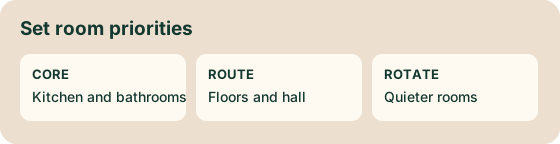
Give bedroom priorities in the order you would like them tried. Mention the rooms people use most, the ones that are often closed and the areas you want to reach before a guest arrives. Where the bed is close to a wall, say if the floor can be reached and what you want done about it. Lay out a complete set of bedding for an agreed change. Keep it near the correct bed and give a place for used sheets. If two rooms need to be made ready together, provide a separate set and instruction for each.
Tell us if one bedroom is used to work, make calls or study. Decide how to indicate that the room is available and which objects should stay undisturbed on a desk or shelf. If a room is usually occupied earlier in the day, you may be able to plan the vacuuming for later in the appointment. If time in the room is short, agree what matters most and which jobs you would prefer to leave for another visit. Tell us if a different room can always take its place when the workday changes.

Link the work to the household timetable
| Activity | What to get ready | Detail to give |
|---|---|---|
| Making lunch | Sink and accessible parts of the worktop | Time the kitchen needs to be available |
| Home working | Floor beside the desk once the room is free | Usual times for calls and any quiet alternatives |
| Guest arrival | Bedroom, bedding and agreed bathroom fittings | Date the rooms need to be ready |
Give the sitting room a realistic list of reachable areas
Describe the surfaces you use every day, such as the table, the area by the arm of a chair and the part of the floor between the door and the sofa. Give the housekeeper the method for any rug edges and say where a particular vacuum tool is kept. If books or ornaments make part of a shelf difficult to reach, either leave a clear section or describe how you want the accessible part done. Tell us which furniture should stay in place and identify any delicate fabric.
If a sitting room is used by children or pets during the visit, give the time when it can be clear and where toys, baskets or blankets can go. Say which doors need to stay shut and when you can make another room available instead. If a piece of upholstery needs a more thorough clean, describe the fabric and condition and ask about an appointment for that work. Agree how to care for the floor around it on regular dates and any places the vacuum can reach without disturbing the furniture.

Agree what to check after the first appointment
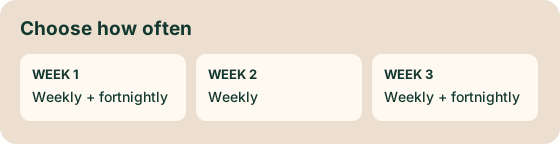
Tell us about the days you can give access throughout the month, then explain how often the most used rooms need help. Ask about a weekly arrangement if the same jobs build up shortly after each visit. For a fortnightly routine, describe the jobs the household can keep up with on the intervening week. Give a day and time window that can work for whoever opens the door. A quieter room might alternate with work along the landing if both regularly fit around the rooms you always want done.
After the first appointment, think about the work that contributed most to the household and anything that came later than you expected. Mention specific adjustments, such as doing a floor before you get home or spending more time on the bathroom basin and screen. If you have a repair or visitor coming that affects the plan, give the date and ask about a revised list. Explain if the change lasts across several visits and when the original instructions should apply again.
Set out supplies and give advance notice of different work
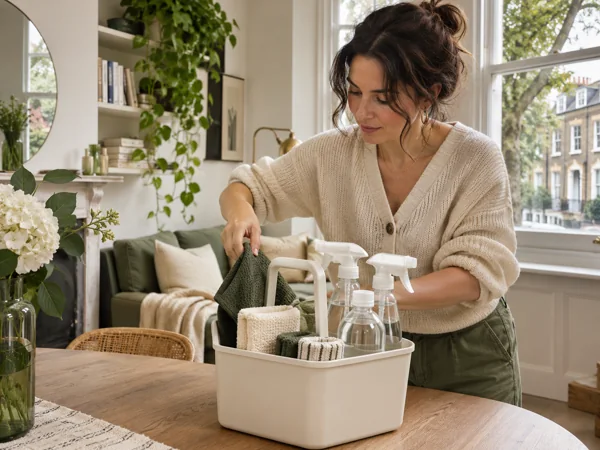
Keep the vacuum, approved products, cloths and mop in the place the housekeeper can reach on arrival. Leave any special attachment with the vacuum and write down the surfaces where a specific product can be used. If the housekeeper will work on several levels, give the routes where equipment can be carried and a place to leave it temporarily. Show where housekeepers can put items used in wet rooms before they move on to a dry area. Give a place for used cloths and any directions about emptying or storing equipment.
Ask separately about a job that needs different equipment or set-up time, such as an oven interior or a larger carpet area. Give the finish or material, the condition and where it is in the home. Mention entry restrictions or steps that could affect anything brought in. Say which ordinary duties still matter that week and which ones can wait. If supplies or linen are short on a recurring date, say what can still be completed and how you want to prepare for the following visit.

Give the details needed to plan a one-off job
| Request | Useful information | What to agree |
|---|---|---|
| Oven interior | Condition, trays and ability to reach the oven | How it fits around regular kitchen upkeep |
| Carpet area | Size, material and nearby furniture | Route for equipment between the street and the room |
| Extra bed change | Bed size, correct linen and location | Where the used set should go |
Quotes for Tufnell Park homes
From £23 per hour. Confirm the rate and visit length for your address when you request a quote.
Get a QuoteRelated cleaning services
- Spring cleaning · Ask about a one-off visit for rooms that need additional time.
- Oven cleaning · List the oven cavities and removable parts when requesting appliance cleaning.
- Carpet and upholstery cleaning · Tell us the material and which areas or pieces you want treated.
Local references · Transport for London, Tufnell Park Underground Station on Fortess Road
Tufnell Park housekeeping questions
How should I describe a side or lower-ground door?
Give the street, the door’s position, any steps and the way to reach the private entrance. Agree sensitive access details directly with the office.
Can I ask for different work on the stairs and landing?
Yes. Give details of each finish and the approved method, then say which areas matter most on the regular visit.
What if I have calls on the regular day?
Give the window when the room can be reached and say what can be done while you are using it.
Could a guest room be added before family stay?
Give the date, work needed and any linen instructions. Ask which tasks can be moved if the ordinary list already fills the visit.
What if a pet needs to stay in one room?
Identify that room, explain which door must stay closed and agree another job if the room would normally be included.
When should I mention a stained carpet or upholstery?
Describe the material, location and condition when you ask about separate work. Include details of the route for equipment.