 Housekeeper
Plan around the family kitchen
Oven Cleaning in King's Cross
If your oven needs attention between meals in a King’s Cross flat, tell us when it can be left empty and cool. A fitted appliance may share a small kitchen with a separate hob and extractor. Send the main oven details, any additional items and the access arrangements for your building so we can discuss a visit that fits the room.
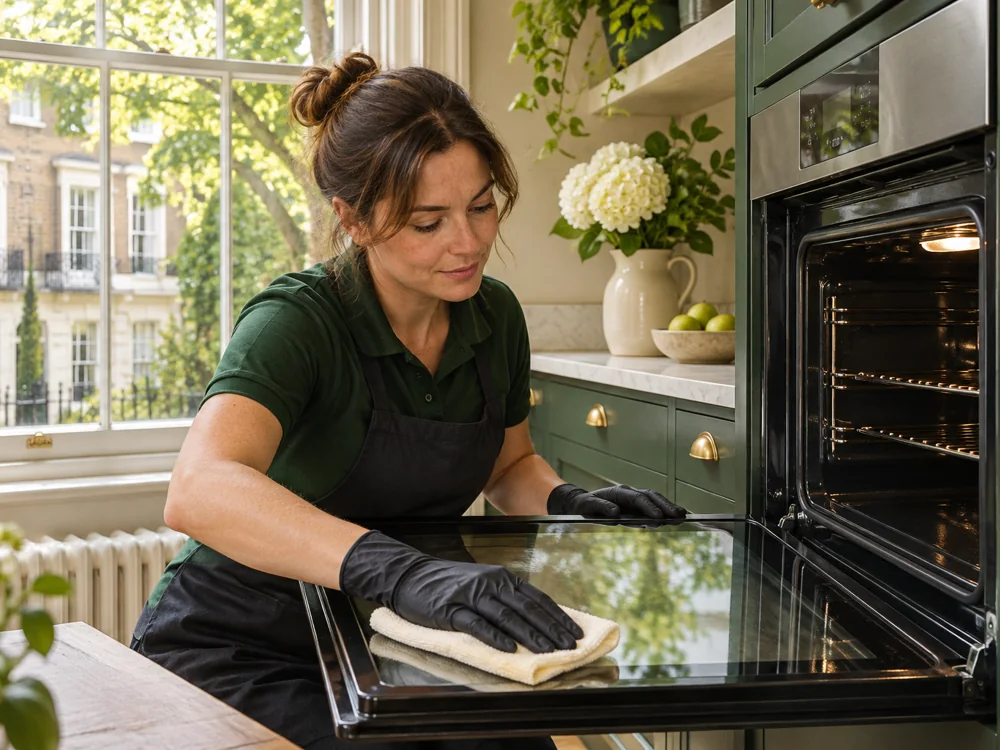
Which directions help for a home near Granary Square?
Give the full postcode and the residential entrance, including the building name if the front desk uses one.
Can I arrange this around our normal cooking hours?
Tell us when the oven will cool and when you next need it.
Leave the kitchen free between planned uses
If the oven normally serves breakfast and the next meal, work out when it can be switched off and left cool. Tell us the earliest and latest times that suit the kitchen routine. In a household where someone works from the dining table, let us know if that activity will continue nearby. The cooker may be in a tight spot or built into an open kitchen where there is little room to pass. Agree a time when the route can be clear and when children or pets can stay away from the appliance.
If one person prepares food and another will meet the cleaner, share the expected last use and the list of oven items in advance. Include the time you need it next so it can be discussed when agreeing the visit. If a separate hob is live in the same work area, mention whether other cooking can stop while the oven parts are being handled. At the end, ask when the cleaned appliance can go into use and tell whoever is making the next meal.
- Give the last cooking time and the next required use.
- Decide which household activities can move elsewhere.
- Share the timetable with the person who will open up.
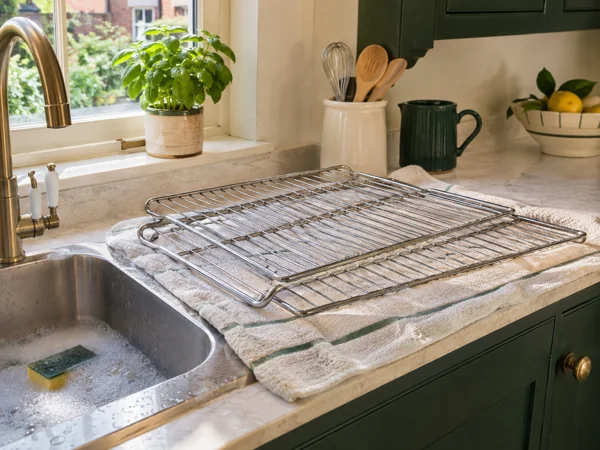
Arrange an oven appointment around the kitchen timetable
| Moment | What to give | Who should know |
|---|---|---|
| Last use | Time of last meal or baking | Person cooking beforehand |
| Visit | Cool empty oven and time available | Resident at home |
| After review | Next time the oven may be needed | Person using it next |
Tell us which appliance sits behind each matching door
A row of matching built-in fronts may include a regular oven, a combination unit and a separate warming drawer. Start by naming the appliance you use for baking or roasting and the part you want considered first. If two compartments function as ovens, describe both by their position and controls. If a drawer is used for storage, mention that separately. A full view of the cabinet can help distinguish the main oven from a nearby appliance, especially in a flat where every front uses the same finish.
An instruction booklet may identify a model or provide the names of lining and tray parts. If you can read the model inside the door frame without moving the appliance, share it. Give the condition of each relevant cavity when it is cool. A smaller grill can have a different kind of residue from the main oven. Identify which compartment you want quoted and use separate images for any additional one. Leave units and panels fixed in their normal positions while looking for those details.
Write directions from the pavement to the apartment
The Network Rail station map for King’s Cross marks entrances on Euston Road and Pancras Road and points towards King’s Boulevard and Granary Square. If a station approach is part of your explanation, add the full residential postcode and distinguish the building door from the nearest landmark. Give the name shown outside and the apartment number as separate fields in your message. If a block can be reached from a square as well as a road, say which way the person attending should enter. A lobby name may help the cleaner recognise the right door among similar entrances.
Check from the pavement how you reach your floor. Ask the building desk in advance if a visitor is expected to sign in or approach a particular door. Say who can book a lift if the building has one reserved for visits of this kind. If a shared corridor then leads outside to another block, describe that extra step. Agree a way to contact you where the entrance system requires you to meet at the lobby. Keep any details that grant access in a private exchange.
- State the residential door and postcode rather than the station address.
- Identify the person who can agree the building route.
- Confirm whether entry or lift use requires advance arrangements.
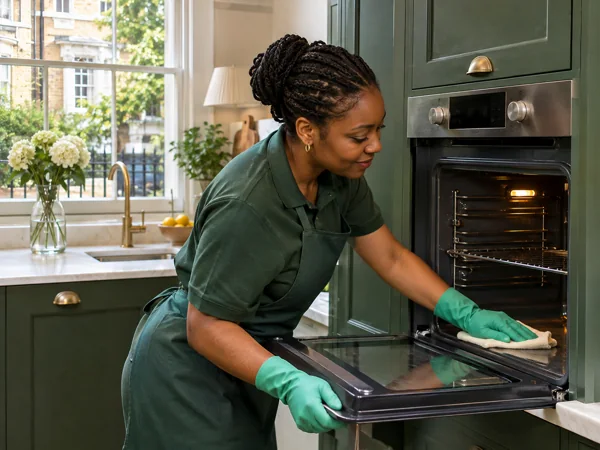
Describe the cavity surfaces likely to need a closer look
Take note of the first place you see the residue while the oven is cool. It might collect below the roasting shelf, at the back of a side liner or behind the grill pan. Explain how the position relates to an accessible edge or guide so someone can locate it. If the bottom and the side have different finishes, name those surfaces separately if you know them. Keep fitted pieces where they are. A wider photograph can show which part of the cavity you mean and how the inner panel meets its neighbour.
When a general cleaning product or an appliance programme has already been used, give any available details. Describe what the affected spot looked like after that. If you moved into the property recently, note any original wear you know from your inventory. The cleaner can assess visible grease, baked-on residue and changes to a finish before discussing treatment for accessible portions of the oven. Tell us which area you most want to review in case a part needs its own assessment. Leave the oven empty for that discussion.
- Locate residue using a fixed part of the cavity.
- Mention earlier treatments on the reported surface.
- Identify any wear or material change you have noticed.
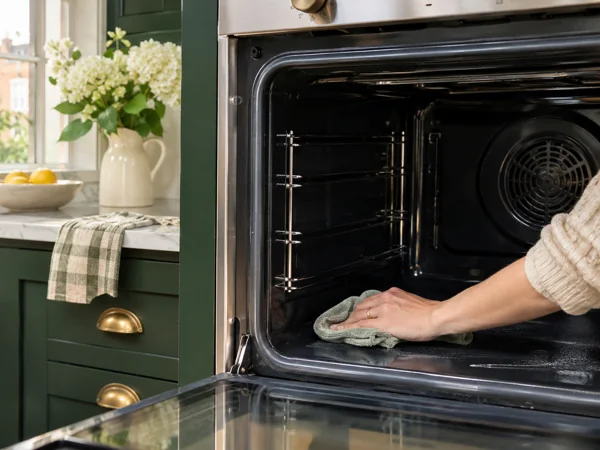
Record directions in a King’s Cross development
| Stage | Information to supply | Ask about |
|---|---|---|
| Street | Exact door and full postcode | Correct approach from the square or road |
| Reception | Name of the lobby and contact | Visitor process and lift |
| Apartment | Number and passage from the lift | Who opens the door |
Make the oven accessories easy to identify in a small room
List which racks and trays belong to the oven and identify the grill insert independently of the pan it rests in. When an oven is used daily, a spare part may live in the lowest cupboard or hang at the back of another appliance. Say where the official fittings are kept and remove your personal cookware before the visit. Keep extra pieces beside the requested oven where there is room, or tell the person opening up how to find them. Give the count before the visit if you want them all considered.
Suitable removable items can be considered for dip-tank treatment after inspection. Tell us which pieces are coated, visibly worn or harder to remove than usual. Leave unfamiliar components or fitted rails in their original positions. If you have another appliance with similar trays, label which one each item belongs to. A written list is useful when worktop space is limited. It allows any openings or parts handled during the visit to be checked with the person who cooks there most often.
Set apart the door window, buttons and handle
If the oven door is the reason for the visit, describe which glass face seems to be affected. You can show it with the door shut or open when it is cool, depending on where the mark appears. If it looks as though it sits behind the glass, say so and include the model. Access to an individual pane depends on the appliance design and condition. The same advice applies if the window is in a separate grill whose door is fitted differently from the main oven.
Next, identify any grease or wear around the exterior controls. A fascia with printed settings or a brushed handle can need its own discussion. If a strip of painted cabinet meets the fascia, show where the part you want considered begins. Point out a loose seal, damaged trim or a control with faded numbering without moving it. That information helps with reviewing accessible surfaces before they are cleaned. It gives you the same reference when you check the oven afterwards.
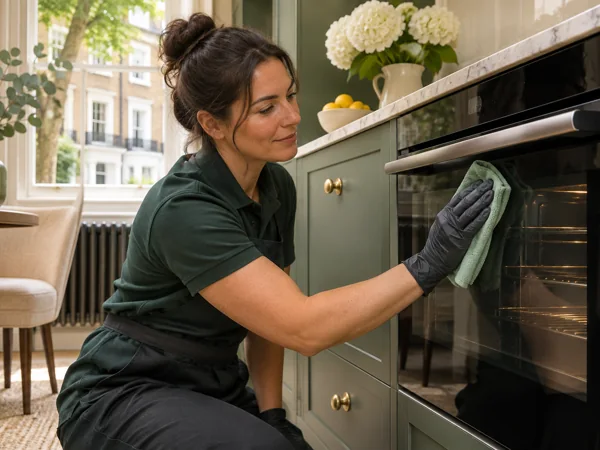
List main oven and extras by their functions
| Item | Useful identifier | What it can add to the quote |
|---|---|---|
| Oven stack | Appliance position and model | Cavity and loose parts |
| Hob | Separate gas or glass top | Cooking zone or support |
| Extractor | Location over the hob | Canopy, finish and filter |
Consider the separate cooking top and the hood above it
If people use the hob while the oven is busy, you may have different priorities for the two. Name the type of cooking top and the rings, supports or control area with visible deposits. A glass hob can be described by its heating zones and the edge near the worktop. A gas top has separate metal pieces that should be identified by function. Let us know if you want a particular surrounding surface discussed, including its finish and the way it meets the hob.
An extractor mounted above the hob may share a cupboard front but have its own controls and filters. A view from underneath can show the external layout without removing a cover. Give the model or filter detail if available from the paperwork. State whether you want the visible canopy, one filter or both considered. We can decide which items are part of the quote by keeping the hob and hood separate from the oven items. Once they are agreed, pass the list to the resident who meets the cleaner.
- Identify a particular hob zone or support.
- Give the visible hood finish and filter information.
- Review all additions separately in the quote.
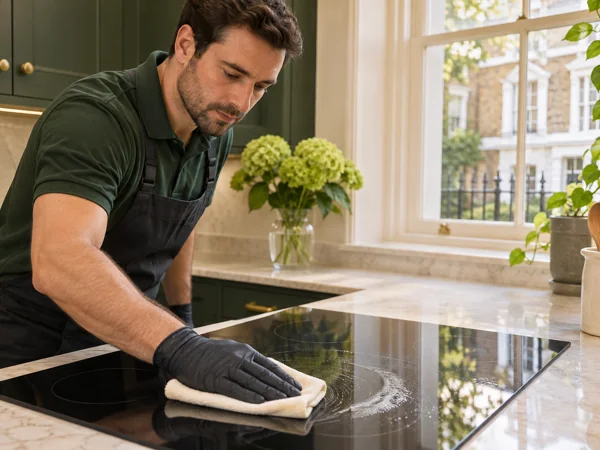
Complete the oven review before access ends
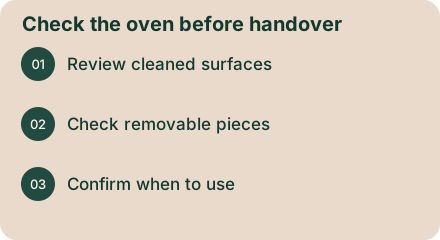
If the person meeting the cleaner is only at home for part of the day, give them the same item list as the person who booked. They should be able to identify the oven and show where any spare rack was put. After the visit, review each agreed cavity and ask which parts were handled separately. Check the mark that originally prompted the clean while the model and appliance position are clear. For a building with a planned departure through reception, leave time for this review within the access arrangements.
Give the next person to use the kitchen any instructions you have been given about its return to use. In a rented home, share the agreed areas and accessory count with whoever reviews the inventory. Keep the model and separate item details somewhere easy to find, particularly if the extractor or another cavity was discussed for a future visit. The person checking the property can then match appliance names without relying on similar cupboard fronts or asking the building team to reopen the flat.
Get an oven cleaning quote in King's Cross
Tell us the oven type, number of cavities and whether the hob or extractor also needs cleaning.
Get a QuoteOther Cleaning Services in King's Cross
Local references · Network Rail, London King’s Cross station map
King's Cross oven cleaning questions
How do I point out the right entrance if a King’s Cross block faces a public square?
Give the precise street address and building door, then describe the approach from the square if that is useful.
Can we tell you when a separate hob will be used that morning?
Yes. Give the hob position and cooking times so we can discuss how the room can be left free around the oven.
What do I put on the request for an unused shelf from the oven stack?
Give its cavity or appliance position and its usual location. Let us know if you want it assessed as an additional piece.
Can I report a control with fading markings even when the knob works?
Yes. Tell us which setting has worn and describe the finish, so it can be reviewed alongside the accessible control surfaces.
Which details should I agree with the building desk before the visit?
Ask about the allowed entrance, visitor sign-in and any booked access needed to reach your floor.
Can the person at home check just the cavity we quoted?
Yes. Share the accepted list with them and describe the cavity and loose parts that should be identified at the visit.