 Housekeeper
Mould Removal in East Ham
For a mould removal enquiry in East Ham, we ask where a visible mark begins and where it ends. Affected areas can straddle a doorway, a change of finish or an adjoining room. By describing those boundaries at enquiry stage, you give us a clearer starting point for assessment, preparation and agreement of the work we can carry out.
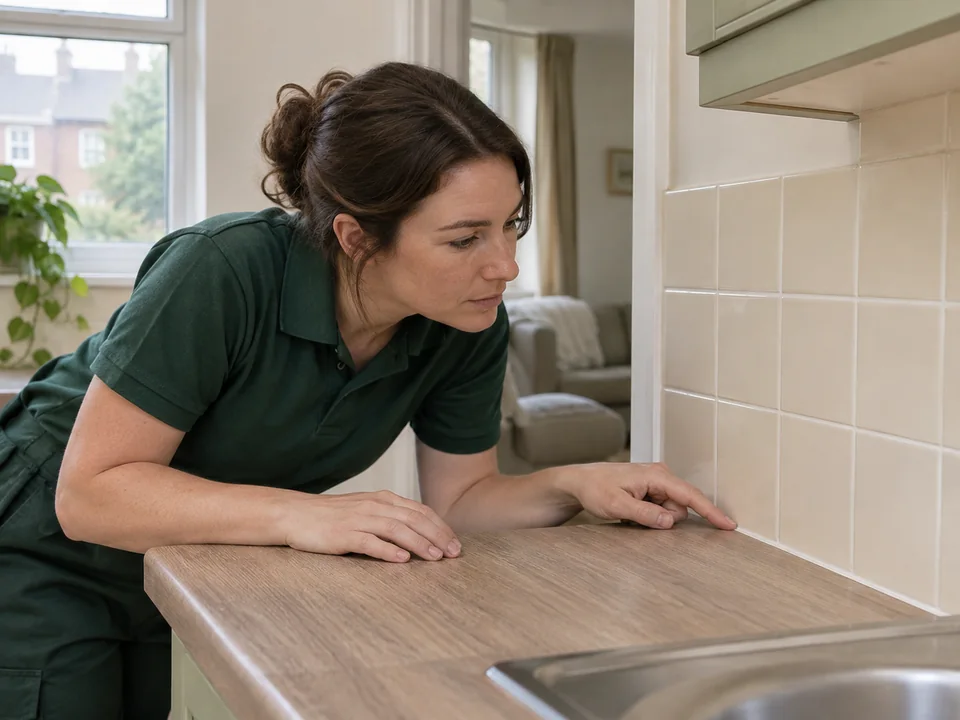
What details help at an East Ham terraced address?
Give your full E6 postcode, the entrance and which floor contains the affected rooms.
Can I include surfaces on both sides of a doorway?
Yes. Name both rooms and describe the finish on each side so we can assess them separately.
Inspect where visible growth crosses a doorway or floor junction
We inspect the affected edge from each accessible side of the opening. A line beside a threshold can run along a firm hard floor edge and continue onto painted trim or under a fitted strip. We check the material and normal reach on both sides before deciding what can be treated. If the compatible exposed face can be cleaned while the hidden continuation stays outside the work, we agree that boundary before preparation. At handover we show where the treated surface reaches and identify the adjoining part separately.
Newham Council's neighbourhood character study describes residential terraces alongside a district centre focused on High Street North. That gives useful local context without describing the interior of any one property. Give the full address and the entrance used for the visit. If the attached property or the flat above has a different entrance, make sure the affected rooms can be identified from the route we will use. A clear description helps us discuss who can open the door and confirm the work.
We inspect the side available from each level and distinguish a visible position from one that can be reached normally. A patch below a threshold or around the upper trim may involve a different finish and working position. We agree the compatible exposed face to prepare and clean, then identify any part left because the material or access was unsuitable. The review uses the same door or step as the original reference.
If the adjoining room has a separate occupier, tell us which side you can show and who decides what happens on the other side. We can discuss a first assessment of the visible part from the agreed room. A second entrance or access contact can then be considered if the enquiry needs to include the other room too.
- Describe both rooms when a mark crosses a doorway.
- Include the property entrance and the relevant floor.
- Show the standing area from a safe position in a wider photo.
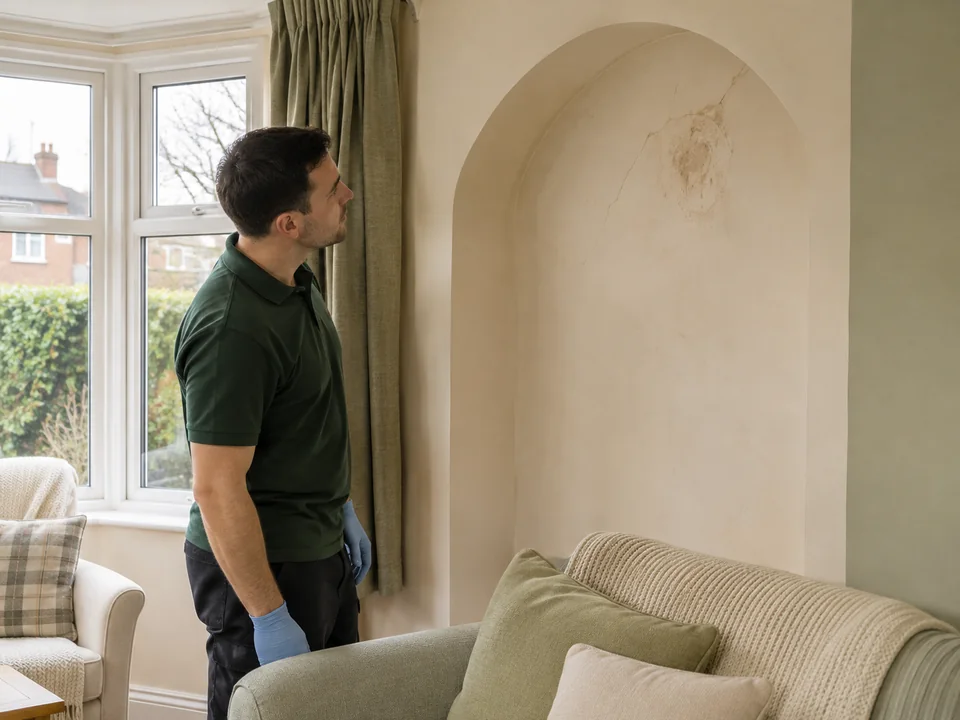
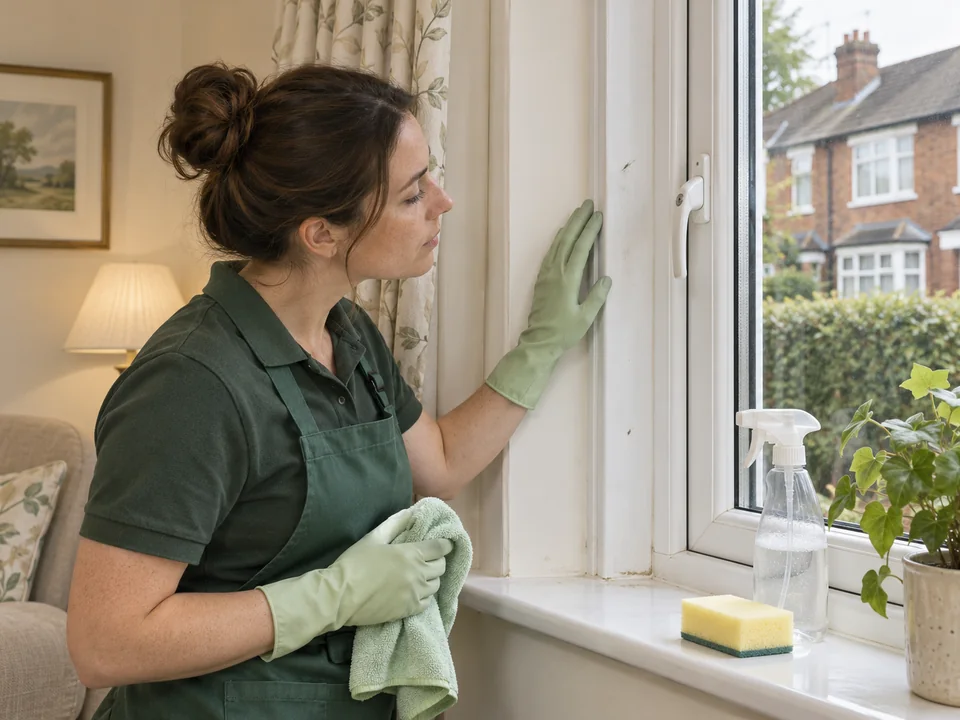
How we inspect the change in finish at a door
On an agreed assessment we look at the exposed surfaces beside each other and check where the visible mark reaches. A painted timber architrave can sit next to hard wall paint, a covering or a chipped plaster edge. We check those parts separately and consider which exposed hard surfaces appear suitable for cleaning. We ask about changes to the room and any continuing moisture issue, because cleaning a visible finish and investigating damp within a wall are different jobs.
Tell us if a previous visit identified a surface that should be left until someone else has looked at it. We identify the actual location in the room so it does not get confused with an adjacent mark. If there are published pictures from the enquiry, we use them to locate the area rather than drawing a conclusion from appearance alone. We check the condition of the surface we can see before we agree preparation or cleaning.
For multiple finishes at floor level, one edge might be accessible from the hall while another is covered by fitted storage or a heavy item. We establish where there is clear access and agree boundaries around the area. If we can see marks at an edge but cannot assess the surface beyond it, we explain the limits. This gives you a clearer basis on which to decide whether to proceed with the suitable visible work or to have the property checked first.
| Visible position | What we check | Decision to agree |
|---|---|---|
| Architrave meeting a wall | Condition of each exposed finish | Which side can be considered for cleaning |
| Low skirting edge | Room access and condition of the surface | Whether an adjacent section needs separate review |
| Threshold between two rooms | Working position and visible area on both sides | Which boundaries are included in the quote |
We prepare the working area and keep routes usable
We agree in advance which loose things can be set aside and where to keep the access route clear. In a hallway, that can mean leaving a clear route for people to pass before and after work. If the problem sits near the only entrance you use, discuss timing rather than assuming the whole area can be made available indefinitely. We agree the part of each room that can be reached so preparation is limited to the surfaces being considered.
The area near a door can include fitted thresholds, trim and loose possessions. Explain which items can be moved safely and which should stay in position. We can discuss access around a shoe rack or a light loose item, while fixed trims and floor coverings have a different decision attached to them. If the only way to reach part of the affected surface involves disturbing a fitted item, we include that limitation when we confirm the work.
We check which parts of the doorway or fitting must stay in their usual position before the work starts. We prepare the accessible face and physically remove visible mould only from the suitable hard surfaces agreed. If a separate room or concealed section remains outside the work, we point out where the cleaned area ends and why the other part needs a separate decision.
- Agree where loose possessions can go during the clean.
- Say which fitted surfaces or thresholds should remain in place.
- Plan when a shared route needs to be kept clear.
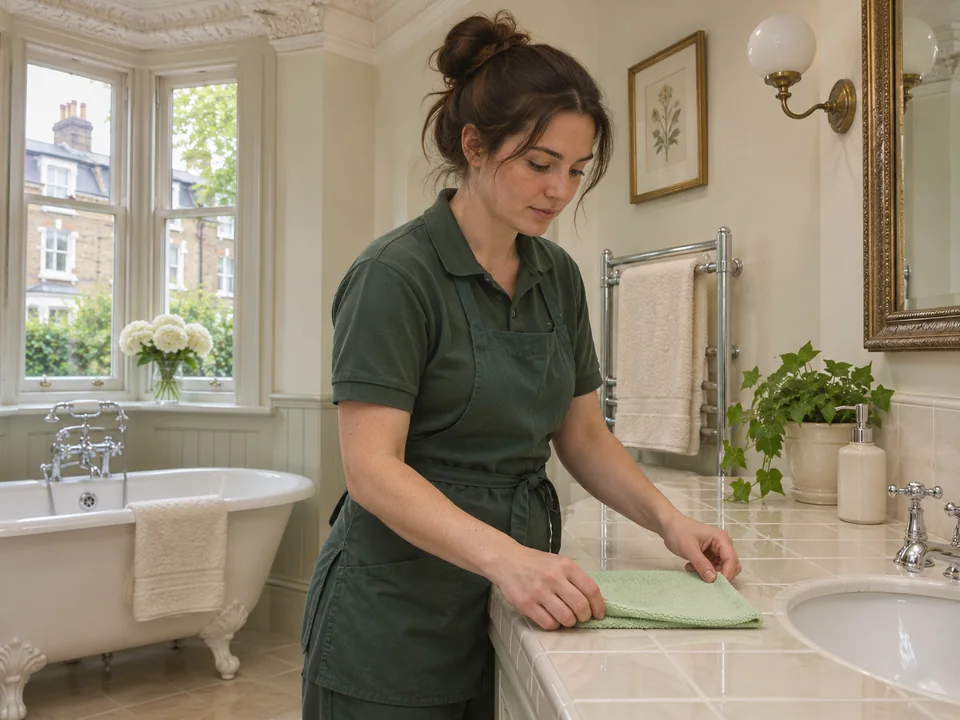

Removing visible mould on the agreed hard finishes
We remove visible mould from suitable accessible hard surfaces within the work agreed for the visit. We start with the area and finish we can assess, taking account of the visible condition of that surface. A sound hard edge and a fragile adjacent finish can be close together but still require different decisions. Before working over a change in finish, we confirm which material is included. That helps us avoid making a general assumption about every surface that the mark touches.
If a mark extends beyond what was initially described, we stop to discuss what that changes. A visible strip that crosses a threshold may bring a different finish into view or require extra access on the far side. We check whether that work is suitable and who can agree any change. If the condition or access calls for another review, we explain why and identify what parts of the original request can still be considered.
After cleaning the agreed area, we look again at the visible finish. Some marks remain in painted or damaged material even after visible growth has been removed from a suitable surface. We describe the difference in the review and identify any remaining part of the surface so it can be discussed separately. If the concern is a damp edge or a continuing change in condition, that information can be passed on to the person responsible for assessing the property.
We confirm how the discussed area relates to a recognisable feature, such as a door stop or the end of a tile run. During the review that lets us point to the same boundary without relying on the original photograph. It is particularly useful when a lighter finish meets a darker strip and visible staining makes the edge difficult to describe.
| Stage | What we do | What we agree or review |
|---|---|---|
| Visible assessment | Identify the accessible hard surface and edge conditions | Which material and section are included |
| Preparation and cleaning | Confirm the area is reachable and remove visible mould from the agreed suitable finish | Any newly visible area before continuing |
| Review | Look at the included surfaces again with the contact | What was cleaned and which concerns remain |
What to do with an affected area outside the cleaning agreed
Some requests include a surface that needs to be assessed for building condition rather than cleaned on the visit. For an affected material that feels soft or a mark linked to an unresolved leak, tell us who has been informed. We describe what we have seen on the accessible parts and discuss where an appropriate property assessment may be needed. That conversation helps you decide whether to arrange cleaning around a confirmed repair or to wait until the property concern has been considered.
If the area has changed since a previous visit, use a clear description of the same position. Explain whether the mark is on the original exposed finish or whether you can now see a separate area next to it. We use that description when discussing a follow-up. Keeping the history tied to the wall and room is more useful than telling us the whole property has the same issue, especially if only one area was accessible before.
- Identify damage or an unresolved water issue separately.
- Tell us who is responsible for investigating the property.
- Use the same room and surface description in follow-up enquiries.
Handover and requesting an East Ham quote
At the end of the agreed work, we review the surfaces with the person nominated for handover. If one room was cleaned and an adjacent finish was left for assessment, we explain both in the same conversation. Decide who needs the update when you arrange the appointment. In a rental, the person who lives there may be available on the day, while the owner or agent may need information for the next decision.
To discuss a quote, provide the postcode, name of each room and approximate length or area of the visible marks. Mention access across a threshold or any fitted items alongside the area. Ask whether we need to see it before agreeing cleaning. We can discuss the separate price and visit arrangements for routine housekeeping or a tenancy clean if you are also planning those services. Tell us which issue comes first so we can talk through when the rooms can be made available.
| If you are arranging | Have ready |
|---|---|
| Cleaning near a doorway | Positions, materials and width of accessible areas on both sides |
| Visit for a rented property | Who opens, who agrees work and who receives the update |
| Quote after another assessment | Findings about the location, relevant restrictions and dates |
Questions about arranging mould removal
What if the same mark reaches the wall and door trim?
Name the wall and trim as two visible finishes. We can assess each accessible part and explain which work is suitable to agree.
Can the hallway stay in use during preparation?
Tell us when the route needs to be available and if it is shared. We can discuss preparation and timing before the appointment.
Should I give one measurement for both sides of the threshold?
Give separate estimates for the visible area on each side. That helps us discuss the surfaces and access for each part.
Can you assess what is underneath a fitted floor edge?
Describe what can be seen without lifting anything. We discuss inspection of the accessible edge and who should assess concealed material if needed.
How do I describe a new mark above an old cleaned area?
Give its current room and height, and explain where the earlier work was done. A wider photo helps identify which area you mean.
What will you discuss with the person who opens the house?
We confirm the agreed location before work and review the visible surfaces covered at handover. Tell us who can agree a change if access or surface condition differs.
Other Cleaning Services in East Ham
Regular housekeeping in East Ham, End of tenancy cleaning in East Ham
Discuss your mould removal enquiry
Mould Removal Prices in East Ham
Tell us which rooms are affected, the approximate size of the visible patch and what surface it is on.
Get a Quote