 Housekeeper
Mould Removal in Battersea
For a Battersea mould enquiry, we look at the visible areas in the bathroom, kitchen or any other affected room and how they can be reached. We discuss the condition of each finish and any building questions first. Where suitable hard surfaces can be included, we agree preparation, remove visible mould and review the work with you.
What should I give for an SW11 flat near Battersea Park?
Send the full postcode, building name, floor and the visitor entrance. Give separate access details if a concierge or manager is involved.
Can we discuss mould by a bath and a window?
Yes. Name both locations and the finish at each. We assess their suitability and access separately.
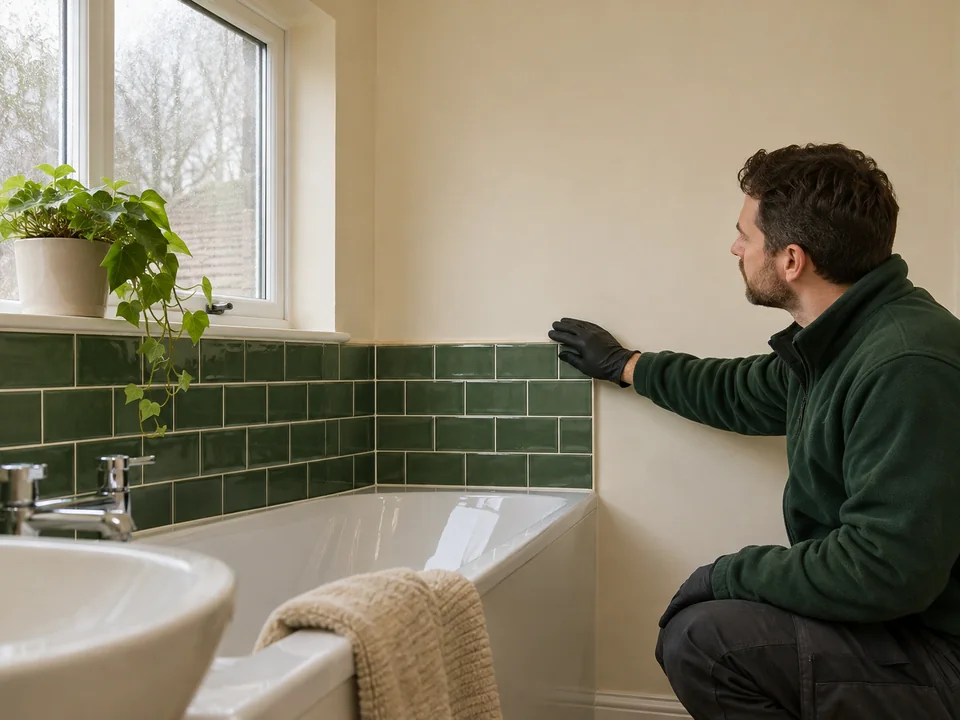
We assess bathroom marks in relation to fixtures and height
We first establish where the visible marks sit and which surfaces are involved. A bathroom has several possible positions within a small area, including tile faces and joints, painted walls and the ceiling. Tell us if the marks sit above an enclosure, near the bath edge or around a window. Give the approximate size in each position and describe whether the coating appears intact. A wider view that includes the fixture can help us understand the material boundaries and how the area can be approached. Take the picture from a safe position and give the room name if more than one bathroom is affected.
Give us an account of the room if its condition has changed after a repair or a period without use. Say if the mark was already visible before a fan or fitting was repaired and what the installer or property contact told you about the work. When a section is wet at certain times, describe the circumstances and whether you see the same marks later. We use those observations to discuss assessment and decide which details need to be reviewed separately by the person responsible for the property. A question about a fitting can stay distinct from the visible area you want cleaned.
If the only approach to a ceiling patch is over a bath, shower tray or substantial fixture, tell us what lies beneath it and the approximate height. We consider the approach alongside the condition of the coating. A lower hard surface may be suitable for assessment even when a higher section requires a different access decision. If the room needs to remain available for part of the day, explain which times are possible. We discuss the usable work area and which locations need arrangements before we proceed.
If there is a second bathroom, say whether you are asking us to assess that room too, or simply offering an alternative while the agreed room is being used. The answer affects preparation and the visit plan. We can discuss the material and locations before deciding how the affected room can be made accessible. If two people reported marks in different rooms, match their descriptions to the correct fixtures before arranging access and confirm who can answer questions about each area.
- Name the fixture and visible finish at each position.
- Describe the approach to higher areas from a safe place.
- Explain any known repair or restriction on bathroom use.
| Bathroom area | What we review | Decision to make |
|---|---|---|
| Tile face beside the bath | Visible extent and condition of the hard surface | Which area is suitable and reachable |
| Painted section above the enclosure | Height, paint condition and usable approach | Whether additional access arrangements are needed |
| Seal or joint with visible damage | Condition of that part and the adjoining finish | Whether a separate fixture review is needed |
How we prepare to assess marks in a working kitchen
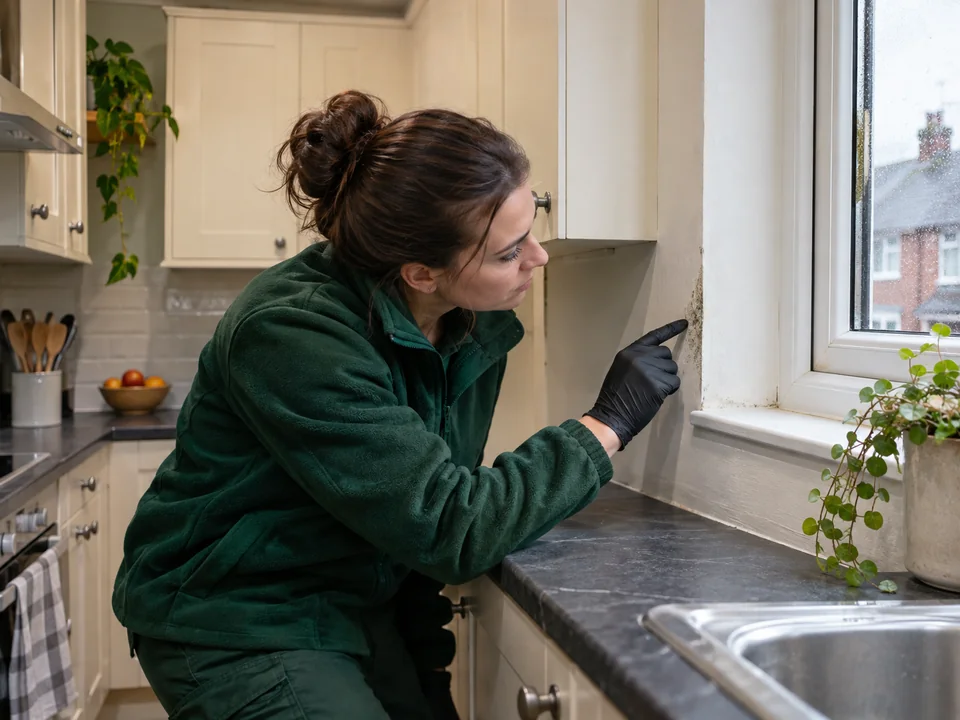
For a kitchen enquiry, tell us which fixture is closest to the visible place and how much of the area can be seen. For example, show the part of a wall alongside a fitted worktop or identify the exposed section behind a movable item if it is already clear. Describe whether a trim, panel or cupboard conceals the edge of the patch. We discuss the visible limits before agreeing a visit. If something fixed would need to be altered to give access, identify who can make that decision. A visible wall face and a concealed part inside a fitted unit have different assessment requirements.
If you have a picture from before an appliance was installed or before a repair, tell us the date and how the area looks now. An earlier view can help locate what you are describing. We use the current view to consider the access and finishes that can be assessed. Where a cupboard looks swollen or another coating has changed, explain which material appears affected and what is known about any leak or work. A separate property or material assessment may be needed to understand the condition behind the visible finish.
Tell us when the kitchen can be made available and which items have to stay where they are. We identify the immediate approach, discuss any surfaces or belongings that need protection and agree what can be cleared before work is planned. The agreed working area might be beside a space that a resident needs to use, such as the only sink. We discuss arrangements with that in mind. If there is another issue involving a fixed unit, connection or fixture, identify who has authority to consider it and keep it outside the surface work until the relevant decision is made.
An earlier report may identify a kitchen fixture while the marks you want assessed sit on a wall nearby. Give both locations and describe where one ends. We can discuss what is reachable and which section still requires a decision from someone responsible for that fixture. If another person is due to look at the kitchen, tell us what needs to remain in place for their assessment and when the room will be available again.
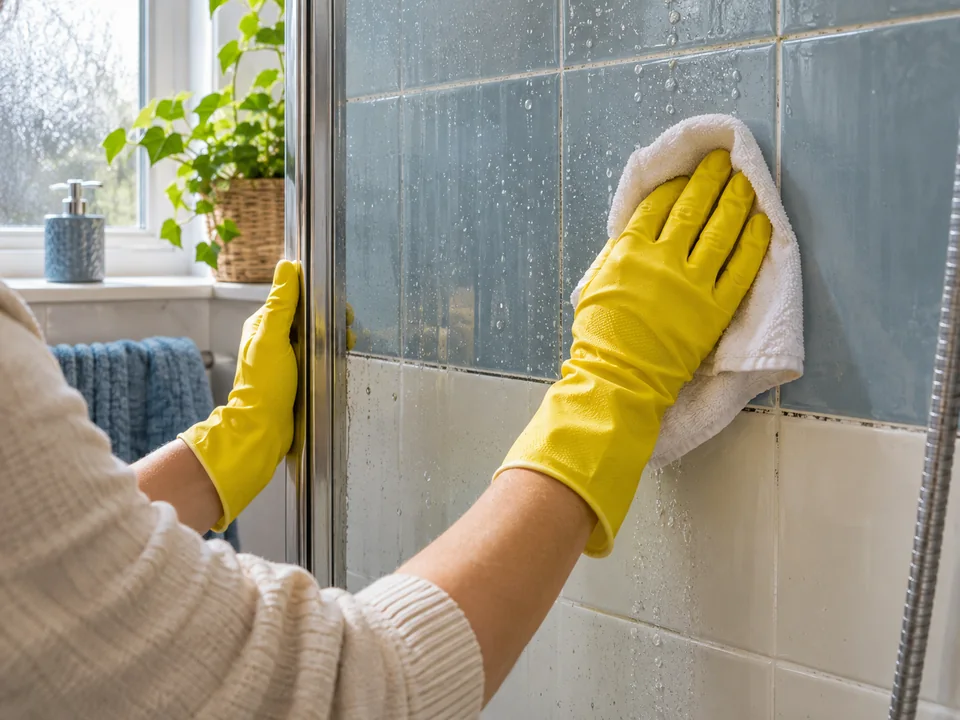
| Kitchen position | Information we ask for | Possible separate decision |
|---|---|---|
| Exposed wall by fitted units | Material, approximate size and clear approach | Which visible hard surface can be included |
| Edge behind a fitted panel | Where you last saw the marks and what is concealed | Further access and material assessment |
| Area beside a recently repaired fixture | Repair date and observed position | Whether the property condition needs to be checked first |
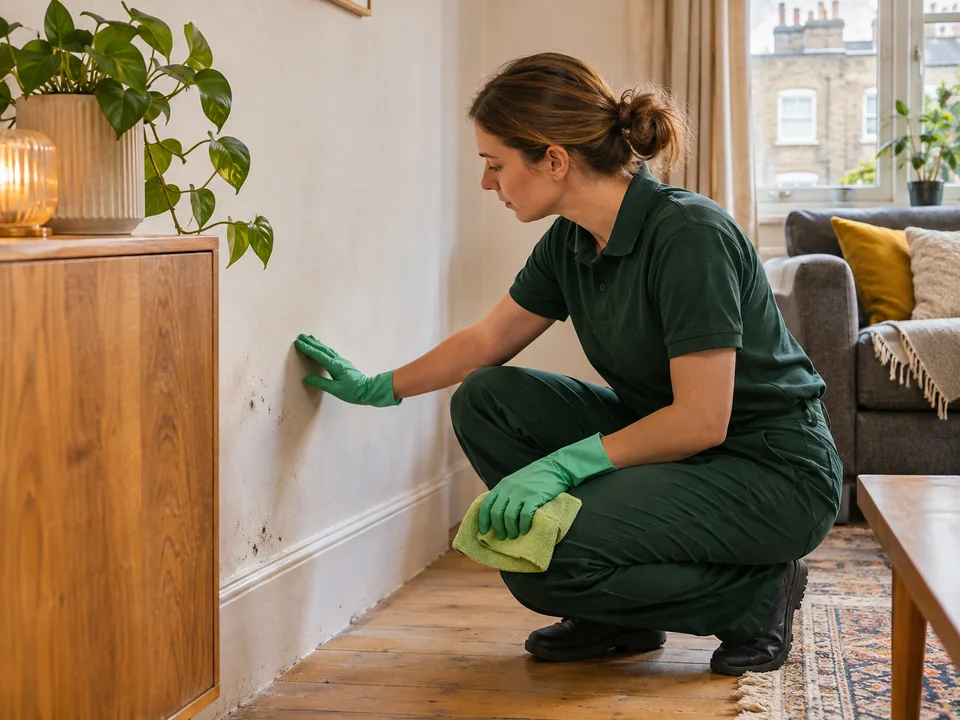
We distinguish windows, adjoining finishes and management questions
A window area can include hard trim, a painted reveal and fabric nearby. We review what is visible and where one finish meets another. Use a wide picture to show the boundaries and give the position from inside the home. If you see moisture on the glazing at certain times, describe what you have observed and when the visible marks remain. Tell us if a person responsible for the property is already checking a defect or the material condition. We discuss suitable surface work separately from investigation of the cause and repair to the window or building.
Wandsworth's conservation material describes the streets around Battersea Park and their relationship with the Thames. Its appraisals also identify Battersea Square as a distinct conservation area. Use those landmarks to orient a visitor if helpful, and give the exact SW11 postcode, door and floor for the property itself. For a managed building, say if a service entrance or sign-in process applies. If the area you want discussed lies on an internal face of a window or balcony door, identify that face. External access and building defects belong with the responsible property contact.
If an area is hidden by a fitted blind, high above a unit or partly obscured by a covering, describe what can safely be seen. We can assess the exposed part and discuss what else would need to be reviewed. If marks touch another finish or a portable item, describe each separately. A visible hard surface may be suitable for cleaning while a delicate or porous material needs another decision. Ask which work can be considered after the visible area is assessed, and name the contact who can confirm what should remain in place.
When a window has more than one opening section, use a fixed reference such as the left-hand opening when viewed from inside the room. Give the wall, frame or trim a separate description so it can be identified in a wider photograph. If an earlier image shows a different curtain or panel, explain what changed. We use the updated information to discuss which finish can be assessed and whether additional preparation is needed.
- Identify the inside face and surrounding materials separately.
- Give the precise SW11 address and authorised entrance.
- Tell us who handles a separate fixture or building report.
We agree the surfaces, remove visible mould and review the result
Once the suitable work area is agreed, we confirm which exposed hard surfaces are included. We discuss preparation and the approach to the room before cleaning starts. We remove visible mould from the agreed accessible hard surfaces. If the material or visible area differs from the original description, we discuss it before changing the work. We identify where a fixture, damaged finish or concealed material needs a separate decision. Surface treatment of the agreed area does not determine what lies behind a finish or resolve a defect that may still be affecting the property.
We go through the areas covered at the final review and identify anything left outside the arrangement. Agree who receives that information if the resident, building contact and person approving work are different. Keep the location descriptions and any separate repair references with the handover. If visible signs return, say exactly where and when you noticed them and identify any recent changes to the room. That gives us a starting point for discussing the next assessment and whether another property check is required.
For a quote discussion, give the complete postcode, the materials and size of each affected area, the access available and any other appointment that influences when a room can be reviewed. If a bathroom or kitchen will be used between visits, tell us what needs to remain accessible. We can also discuss ordinary cleaning requests for different areas of the home. Give those tasks their own room lists so the office can review the appropriate type of visit and the work included.
An agreed working area might stop at a material change even when the marks remain visible beyond it. We identify that limit in the final review so it can be passed to anyone arranging an independent material assessment. If the resident needs to discuss how a remaining location will be handled, keep the earlier room and surface description. A known location helps us explain what was included and which parts were left for a separate decision.
- Confirm included surfaces and preparation before work begins.
- Review the result with the agreed contact.
- Keep unresolved fixture and property decisions separate.
| Visit stage | What we confirm |
|---|---|
| Prepare | Available room, work boundary and items to protect |
| Clean | Agreed suitable accessible hard surfaces |
| Review | Locations covered and any outstanding decisions |
Questions about arranging mould removal
Which details help if a bathroom patch is above the bath?
Tell us the room and ceiling height, what is directly underneath and the available approach. Show the setup from a safe position where possible.
The marks reach from the kitchen wall to a panel. Should I give one size?
Give the size and visible condition of each part. We consider the exposed hard surface and panel separately when discussing the work.
Can I describe a mark on the inside of a glazed door without using the balcony?
Yes. Identify the inside finish and give any safe view from the room. Tell us if an external building or glazing matter is being reviewed separately.
My building uses different entrances for visitors and services. Which route do I give?
Confirm with the building contact which entrance applies to the appointment. Provide both the postal address and the agreed arrival instructions.
An appliance repair is booked tomorrow. What can we discuss before then?
Share the location and what the repair concerns. We can discuss the visible area and decide what information should be available before surface work is agreed.
Can the office explain what was left outside the work to the landlord?
Agree who receives the information. At review we identify the areas covered and any separate issues that still need a property or material decision.
Other Cleaning Services in Battersea
Oven cleaning in Battersea, Regular housekeeping in Battersea