 Housekeeper
W1G W1H W1U W1W · Rental handover
End of Tenancy Cleaning in Marylebone
Explain whether the property is furnished, which interiors should be empty and whether original or specialist finishes need particular care. Include the time when the last room will be ready.
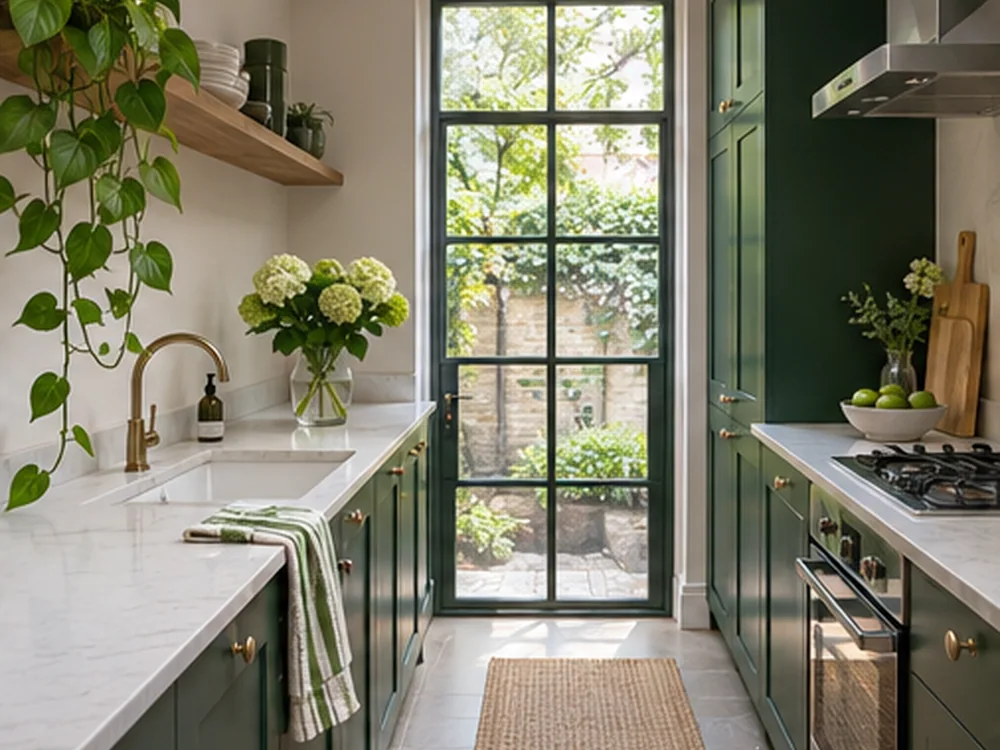
Allow for details around furnished rooms and stairs
When furniture stays, list accessible floor space and ask who is responsible for moving anything heavy. Tell the office about floor runners on the stair, rugs hung over a rail and drapes only if they form part of a request. Photograph and report wear that was hidden until removals. For carpet or upholstery cleaning, name the textile or send a label if known, and explain how long the rooms can be left clear after treatment.
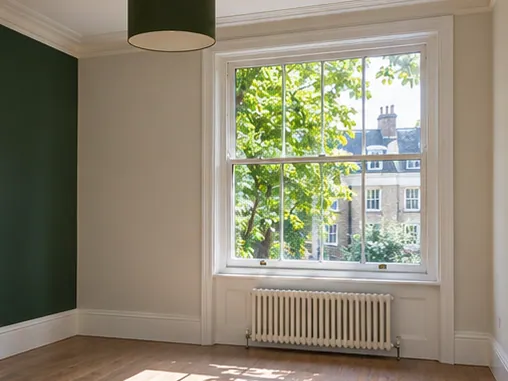
Identify safely reachable window glass by room. Some sash windows have additional glazing or catches that need careful handling. Report a stuck catch, cracked pane or missing restrictor to the agent before asking to include the window. In a period room, mention vents, painted panels, a hearth and skirting detail if they are listed for the clean. Keep the relevant instructions handy so the office can say what is practical.
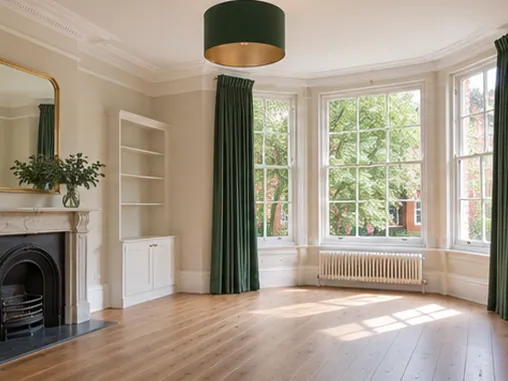
Put fitted features and finish instructions in the booking brief
Where the main kitchen flows into a utility or breakfast area, list the equipment across both spaces. An under-counter refrigerator and a larger one behind a tall door each need a decision about food, shelves and how to leave the appliance after cleaning. Check removable trays against the inventory. Give the office a clear photograph of the oven model and cavities where you want an itemised request for oven cleaning.
Send care guidance for a stone counter, timber edge or metal splashback if provided by the owner. A ring on natural stone can come from changes to its finish; a photo can show the location and approximate size without requiring you to diagnose it. Identify cabinet lining that is loose or must stay in place. Arrange any required disconnection or movement of a fitted appliance separately with the responsible person.
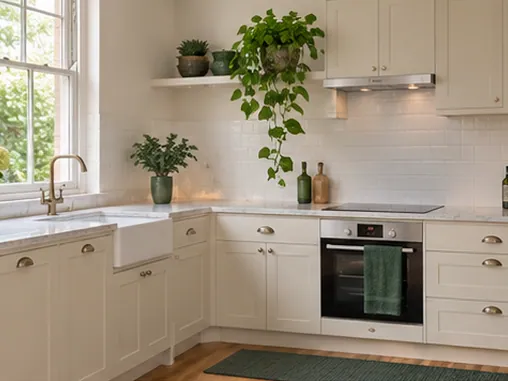
Describe special finishes and hidden washrooms
Count the separate WC and any shower in a study or guest room, then say which cabinets should be empty. If the property inspection lists wall lights, mirrors or other items with polished surfaces, describe the reachable areas. Give any manufacturer care directions for coated glass, stone and brushed metal. Some fittings look similar but need different methods to avoid marking them.
- Draw attention to staining behind a screen or under a basin in the written brief.
- Identify cracks, loose parts and ventilation faults through the property’s repair contact.
- Share daylight photographs if the difference between a surface deposit and finish damage is unclear.
Clear bath mats and toiletries before the clean. Leave supplied accessories such as plugs and shelves where they can be matched to the fittings. If a bath panel is loose, identify it rather than moving it to another room without telling anyone. Allow drying time if the clerk needs close views of glass and tiles. If another resident still needs the facilities, agree when their final use will be.
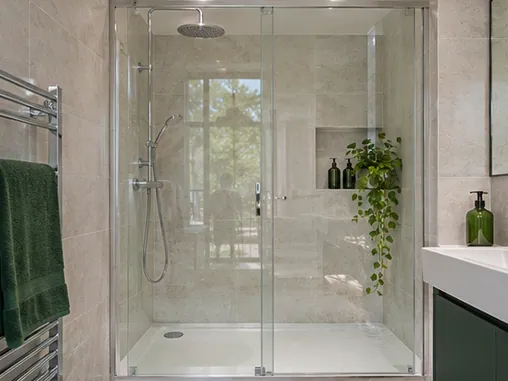
Give the street entrance as well as the name on the inventory
The Howard de Walden Estate’s account of its history identifies Cavendish Square as the focus of its early plans for this part of Marylebone. Westminster’s Harley Street conservation area audit places Portland Place and Marylebone High Street on different edges of its study area. Across this street grid, the building named in a lease may still have several frontages or be reached from a smaller street.
Use the postal street and flat number when asking about a W1G, W1H, W1U or W1W address. Add the entrance to use for equipment and the floor where the cleaner should arrive. If the keys come from a porter, estate office or agent, send that address separately. A location near a square or mews can be helpful once the building is pinned down; the office checks the actual property.
Address details
- Westminster · Local authority
- W1G W1H W1U W1W · Main postcode districts
- Howard de Walden Estate’s account of its history · Local reference
Decide where the cleaner should go first
| Part of the visit | What to confirm | Information to provide |
|---|---|---|
| Street arrival | Which side of the building admits equipment | Street name, number and doorway or bell |
| Internal route | Whether equipment changes lift or staircase | The level where the cleaner should leave the lift |
| Key collection | Who can release keys at the agreed time | A contact and location independent of the flat address |
Check items that need a different appointment or approval
If the flat contains a piano, display cabinet or other substantial item, check how the owner wants it looked after. General dusting at reachable levels is a different request from polishing an instrument or handling its components. Keep covers and supplied accessories together. Where the inventory lists a finish applied recently, ask when and how the surface can be cleaned and pass the advice to the office.
Plan any removal of bulky objects independently of the move-out clean. If another firm needs to lift an item out through a mews door or stair, allow enough time for equipment to arrive once the route is clear. Ask the agent where they need both cleaners and maintenance staff to stop work if a repair is outstanding. A person authorised to make that choice can avoid a disputed decision at the last visit.
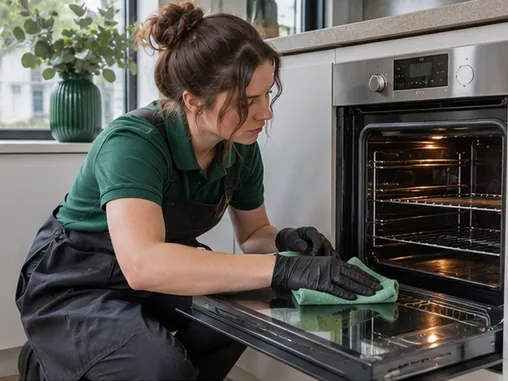
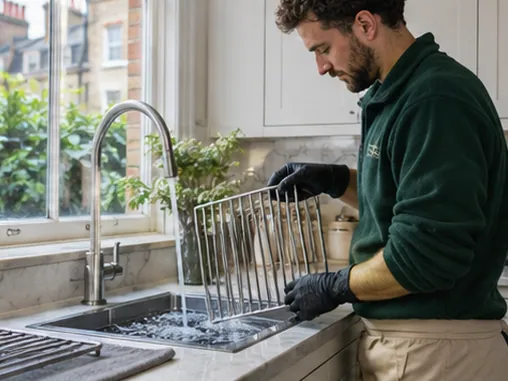
Oven cleaning
List the cavities, removable racks and separate grill when asking about appliance work.
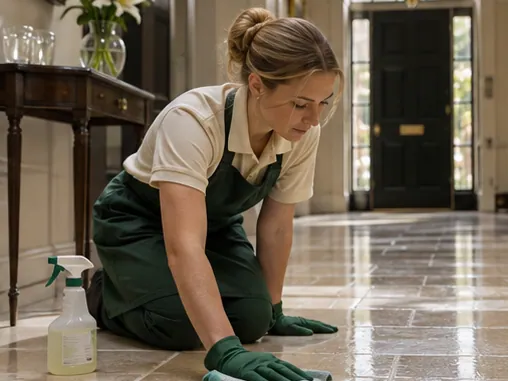
Hard floor cleaning
Identify the material, previous treatment and any damage for an assessment.
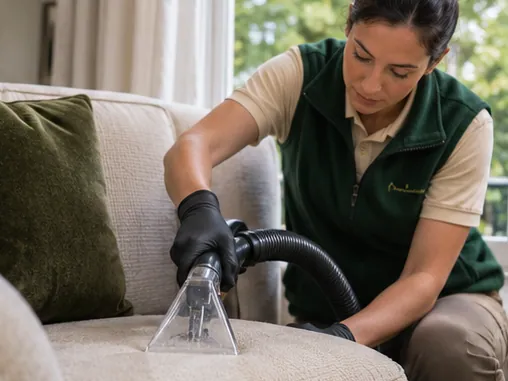
Carpet and upholstery
Describe the textile and leave drying time before the inspection.
Plan the last day of a furnished tenancy
| Task | What must remain accessible | What to communicate |
|---|---|---|
| Remove tenant belongings | Supplied furniture, curtains and light fittings | A list of owner items and where they belong |
| Finish the agreed clean | Clear floor and listed interiors | Which item is collected later, if any |
| Give access to the inventory clerk | Flat keys and keys to agreed internal spaces | Where each key returns and any lock that requires attention |
Use the inventory to map what stays and what goes
Read the inventory on each level, with a column for items going with you and another for the furnishings the landlord wants left. Pay attention to lighting shades, fitted storage inserts, removable panels and door keys. They are easily packed with your own belongings. If the flat has a landlord’s sideboard or long dining table, decide how much space there will be around it once your boxes and chairs are gone.
- Photograph surface damage while daylight and safe access are available.
- Clear the storage that the agent has asked to see open, including shelving above hanging rails.
- Identify a room or outside store that the inventory covers but removers are still using.
Ask the agent whether the clerk needs the final meter readings and who will take them. Keep access to the necessary utilities during cleaning where the tenancy permits. If you plan to leave a printed handover note, give it room names that match the inventory. Two rooms called front bedroom may need a floor or window direction to tell them apart, especially in a property with more than one staircase.
Write down the route from the street to the flat
Ask the contact for the property whether visitors with equipment need to enter from a different street or level. For a mews entrance, specify which end can be used for unloading and confirm the local arrangements for the appointment date. Give the number on the gate and whether someone will meet the cleaner there. For flats reached by a lift plus a short stage on foot, mention the stairs and doors along that stage.
- Confirm the times for loading or a service lift and the latest time for taking tools out.
- Identify the porter or key holder who can admit the cleaner after their break or shift change.
- Share access codes privately and allow travel time if keys go to an office.
Tell the office where the tools can be carried safely if the usual door cannot be used. If there is no alternative, explain that when asking for the appointment. On the last day, keep track of keys to rooms and shared doors until all contractors have left. Where the agent collects from the property, agree whether the cleaner can hand keys to the clerk or needs to leave them with a named person.
Before you hand over the keys
- Built-in buffet in the dining room
- Brass or brass-effect fittings
- Sash window with secondary glazing
Keep material notes tied to named rooms
| Inventory item | What to identify | What helps at checkout |
|---|---|---|
| Built-in buffet in the dining room | Fixed shelves, movable liners and sensitive finishes | Photo of the empty interior and any care notes |
| Brass or brass-effect fittings | The actual finish and condition if known | Instructions from the owner for cleaning |
| Sash window with secondary glazing | Reachable panes and parts that cannot move | A photo and description of the obstruction |
Build the written quote around requirements and condition
The number of rooms is useful, along with photographs showing the floors, surfaces, bathrooms and amount of fitted storage. For a furnished tenancy, say which furniture stays and which floor or upholstery work the agent asks for. List all kitchen interiors by appliance instead of bundling them into the room count. Explain whether access times or occupied rooms limit when any part can be done.
Ask the office to confirm the included items, exclusions and arrangements for checking any change in advance. Specialist work on a fabric, damaged finish, high window or appliance fitting might need a separate discussion. Give the planned time for checking and returning keys before accepting the visit. A clean helps prepare a property for the inventory inspection; the inspection and deposit outcome are managed separately by the parties to the tenancy.
Information for your quote
- Remove tenant belongings
- Finish the agreed clean
- Give access to the inventory clerk
Questions before booking in Marylebone
Can you clean a painted cabinet with old liners left in it?
Share pictures and tell the office which liners the agent expects to stay. Check whether they can be lifted or whether the clean is confined to reachable surfaces.
Should I give the mews entrance if the lease uses the main street address?
Give both. Label the full postal address and the approach approved for equipment separately so the office can confirm the correct property and route.
Will a runner on the stairs be cleaned with the landing carpet?
Give the material and whether it is fitted, loose or a separate owner item. Ask for the exact treatment to be confirmed in writing.
An owner’s table blocks part of the floor. What should I do?
Ask whether it may be moved and who should do the moving. Tell the office how much of the floor is accessible if the table stays in place.
How do I include an extra washroom hidden beside the stairs?
Mention it in the room count, give its floor and describe its basin, WC and cabinets. Let the office know if it will still be in use.
Can the agent get the keys from the cleaners when I am abroad?
Agree that handover with the agent and office in advance, including the appointed recipient and a backup if the inspection timing changes.
Ready to discuss the visit?
Have the complete postcode and key return time available when you call.
Arrange your Marylebone checkout clean
London service overview · Area directory
Nearby areas · Fitzrovia · Marble Arch
End of Tenancy Cleaning Prices in Marylebone
Tell us the number of bedrooms and bathrooms, and which extras you need for handover.
Get a Quote