 Housekeeper
Plan the equipment route before arrival
Carpet Cleaning in Marylebone
Start your Marylebone carpet cleaning enquiry with a list of fitted areas and the marks or wear you can see. Include carpeting on steps and landings where it forms part of the job. If a rug needs separate attention, share its construction and position so we can discuss the handling and quote each area clearly.
How can I get a carpet quote in Marylebone?
Send the full address, approximate fitted areas and a photo of any spot, seam or surface you want checked.
What if my front door faces a different street?
Give the postal address and the actual approved entrance, plus the floor and door label.
Give the side of the property used by residents
Westminster City Council identifies Marylebone High Street as a main route in its Harley Street conservation area audit. If your address is on a familiar street but the flat is entered from a side turning or mews, write out both locations. A public façade may contain entrances to several uses and a number that is visible above a window can refer to a different part of the property. Include an arrival note that somebody new to the building can follow from the relevant street. Start with the house or building number, then include the exact flat label and floor after the shared door.
For basement access, show whether the stairs are outside and explain where the last turn occurs. A lower-ground flat could be accessed straight from its own exterior stair or by using the central lobby and taking internal steps. Confirm which route the resident, caretaker or manager has approved for equipment. If one person takes calls and another holds the keys, make sure both know the arrival arrangement and the best way to contact each other during the visit.
- Give the postcode and name on the private door.
- Explain exterior and interior steps separately.
- Confirm who can grant entry when the technician arrives.

Divide rooms into the areas you want covered
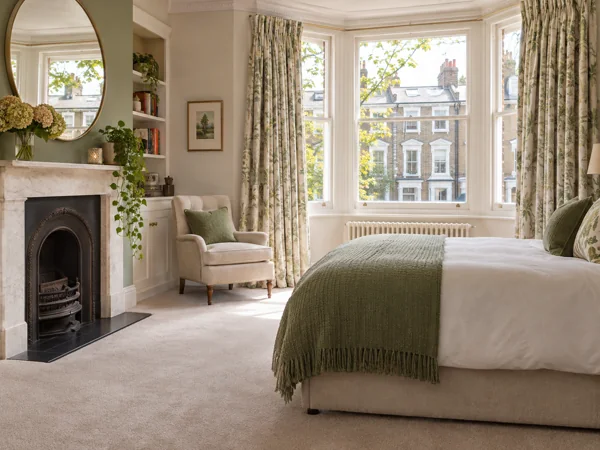
An open room might have carpet around a dining table but oak strips across the route from the entrance. Show where that floor boundary falls, then describe each fitted section with approximate dimensions. A carpet running through two rooms without a threshold could need a different description from two separate carpets joined by a metal bar. Take pictures along the edges to show the connections. If a fitted strip disappears under bookshelves or a storage bench, show what can reasonably be reached without shifting furniture or removing fixed joinery.
On the room list, identify an area by its purpose or position instead of giving a string of bedroom numbers with no context. A bay room nearest the street is easy to recognise when described that way, and a short flight between the kitchen and upstairs bedrooms might otherwise be missed. Consider which surfaces actually belong to the private home. Keep any shared hall or building-owned runner off the private list until the person responsible has agreed who can request the work.
Give dimensions by carpeted area
| Area | Helpful detail |
|---|---|
| Through room | Show which part has fitted carpet and what adjoins it. |
| Bay recess | Identify the width and depth and any fixed floor trim. |
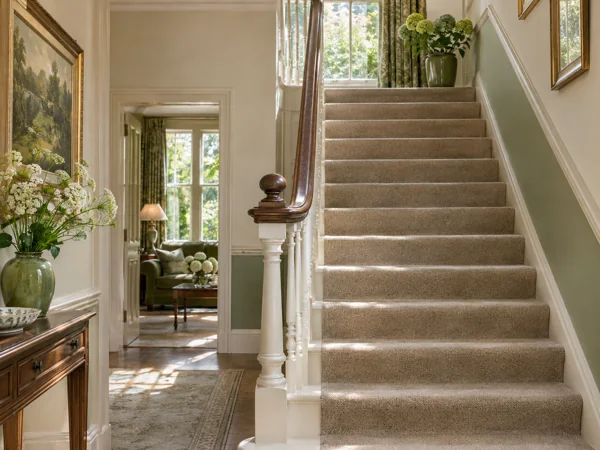
| Half landing | Add it to the stair count where it is carpeted. |
Distinguish pile flattening from visible spillage
Walk the carpet in daylight if you can. A worn lane can run from the door to a favourite chair and show up more strongly when you turn around; a spill may have a sharper edge or follow the shape of an object. Take one picture down the lane and one at right angles to it. Add the angle from which you usually notice the issue. If a room has had a floor mat for years or part of the carpet was never exposed to sunlight, show the edge between the shaded and unshaded areas. That makes it easier to discuss what a treatment can achieve.
Tell us about marks you can tie to a specific event and anything you have already used. A stain that appeared after moving pots, a mark under a chair wheel or a colour change next to a window each gives the technician different information. Explain if the carpet picked up a snag along the affected line. A check on arrival can identify concerns about condition and avoid expectations based on colour alone.
- Show one wider image that gives the location.
- Describe activity around the affected part of the room.
- List any previous cleaning attempts.
Clear the working edges of fixed furnishings
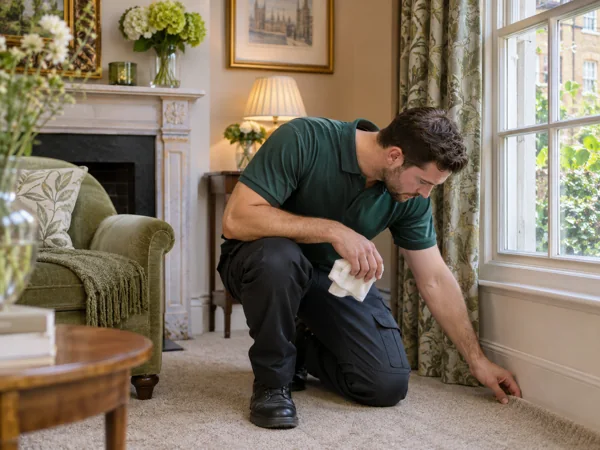
The useful space around fitted furniture is often the route people keep for their own feet, with boxes or electrical leads tucked immediately below the furniture. Decide which of these can be put elsewhere and which must stay plugged in. Extend the check behind curtains that reach the floor and along recessed radiator surrounds. If curtains can be tied up without damage, do it before the appointment. Report anything that cannot be moved or that is likely to fall when a door opens. Do not pull built-in fittings away from the wall to create access.
Agree what should happen around light pieces such as a side chair or plant stand. Moving a large piece can expose carpet with a different shade or a depression that will still be visible after cleaning. If a bed has under-bed storage with no practical place to go, say so and agree the accessible floor. A room image that shows the corner from two angles can clear up any uncertainty before an estimate is accepted.
- Secure loose leads and check long curtains.
- Put small belongings on a dry surface away from the carpet.
- Show what remains inaccessible behind fixed furniture.
Assess a fitted carpet and any loose piece independently
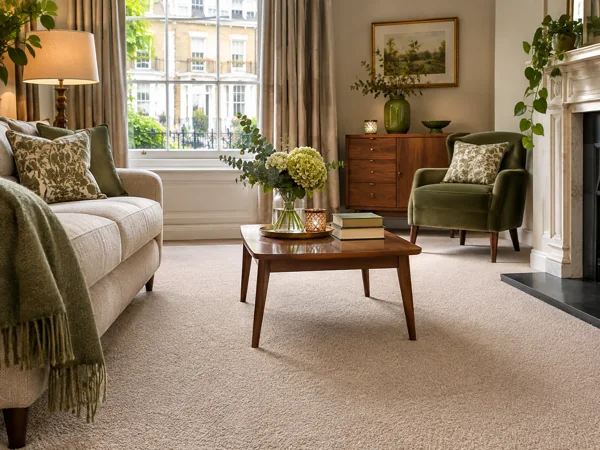
With a fitted carpet, the visible pile and the way it is fixed are both important. A label on a retained offcut can help establish fibre, while the doorway or edge may show an old seam or a repair that changes how it is approached. Tell us if the carpet moves underfoot or if one part feels ridged. Show any place the pile has lifted or frayed by a stair. The technician can look at construction, condition and colour response and discuss appropriate tests before carrying out treatment.
Water-based extraction can be considered where the carpet and circumstances are suitable. A lower-moisture method or specialist assessment may be appropriate where there is uncertainty about the backing, dye or fibre. A rug over the fitted carpet adds another surface and may have a backing or edging that needs different care. Give its dimensions and care instructions. Ask for the quote to identify what can be assessed alongside the fitted carpet and what may need a different arrangement.
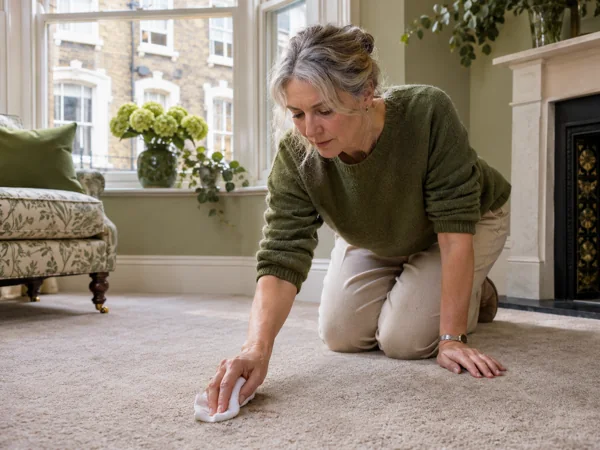
Describe visible changes
| What you see | Support to share |
|---|---|
| Flat lane | Photograph looking in both directions through the room. |
| Spill outline | Show its location and say what reached the carpet. |
| Pulled seam | Identify the doorway and whether it moves underfoot. |
Keep the bathroom route outside the planned drying area
Imagine going from the main room to the bathroom while the hall carpet is still drying. If there is no alternative, raise it while deciding what will be cleaned. The direction in which the job moves through the home may matter as much as the choice of date. Have a place where anybody who needs to sit down can wait on a dry floor, with access to essentials such as keys or bags. Keep pets out of rooms being worked on and mention any limitations to the ventilation plan that follow from that.
Drying conditions can be very different in a windowless corridor and a front room with opening windows. Say which rooms have useful ventilation and whether they can be aired safely when the resident is out. Follow the advice given for each surface before returning floor protectors or heavy items. If you use dust covers during visits, set them aside until the treated carpet can be covered. Plan furniture deliveries or a change of tenancy around drying rather than assuming the same hour applies to each room.
- Mark the dry route to the bathroom and main door.
- Give information about vents and windows.
- Allow drying before returning anything that covers the pile.
Check the actual permitted approach for bulky items
Find out where equipment can be brought to the building and how a visitor gets from that point to the carpet. If there is an approved loading arrangement, provide the door or street and indicate the steps involved. One entrance might work for a person with a small bag while the usable route for equipment takes a longer path. Include lift dimensions if they are known and point out a narrow intervening doorway that makes the lift irrelevant. Ask management where the passage must be left completely clear.
When handover arrangements involve a caretaker, identify the person responsible for approving access if there is a change on the day. Establish where to return the keys and what time somebody can take them. There is no need to include a security code in a general room inventory. Share sensitive information privately and only through an agreed method. If the same property is accommodating other work that morning, tell us how that affects the entrance and floor route so a practical plan can be agreed.
Check the quote against the floor list before accepting
Compare the estimate with the room list and mark any steps, alcoves or small connecting spaces that you still want included. Ask which carpet description the estimate uses and explain any information you did not have earlier. Put a loose rug, a new mark or an extra staircase on its own line so it can be discussed without confusing it with a room already listed. Share important changes before confirming a date, particularly changes in access or a shorter time for rooms to dry.
If more than one person lives at the property, agree who can talk to the technician when the carpet is inspected. Give them the photo record and explain what is important to check before agreeing any changes. Ask where advice about ventilation and using the carpet will be recorded if that person is handing the property over afterwards. For a tenancy checkout, confirm the carpet items the inventory asks about and provide the timeline for returning keys. Check that the resident will be available to raise any newly discovered damage at the inspection.
Arrange access and handover
| Stage | What to confirm |
|---|---|
| Arrival | Use the entrance authorised for equipment. |
| During cleaning | Preserve access to essential rooms and items. |
| After the visit | Agree the key return and relay drying advice. |
Get a carpet cleaning quote in Marylebone
Request a quote with the carpeted rooms, stairs and any loose items listed separately.
Get a QuoteOther Cleaning Services in Marylebone
Local references · Westminster City Council: Harley Street conservation area audit
Marylebone carpet cleaning questions
Do I need separate photos for a rug and the surrounding carpet?
Yes. Show each surface, including the rug label or edge if it can be seen safely.
Can I include the small carpeted link between bedrooms?
List it separately or mark it on your plan so it can be added to the areas assessed.
What if a chair has left indentations?
Show the position of the chair and indentations. The condition of the pile is part of the assessment.
Can a caretaker meet the technician?
Confirm that they can give authorised access and arrange how the technician can reach them on the day.
What if the flat has a stair below street level?
Describe the steps, the turns and the private door. Say if you have permission to use another route.
How do I know when to replace a floor mat?
Follow the guidance given for the carpet and drying conditions before covering the pile again.