 Housekeeper
Local housekeeping enquiries
Regular Housekeeping in City of London
If access to your City of London home involves a named building, podium or shared lobby, start your enquiry with those details. Tell us which rooms and floors you want on the regular list and when they can be reached. We can discuss a suitable weekly or fortnightly visit from there.

Can I give a Barbican block name instead of only a street?
Yes, include the block, floor, flat, route and your full property postcode.
Can I choose cleaning around a limited time at home?
Yes. Give the rooms available and choose another starting task if a priority room is occupied.
Meet Housekeepers Covering City of London
Tell us your postcode and preferred frequency so the office can check who covers your address.
Get a QuoteDescribe the City of London building and level
The City of London’s Barbican Estate map distinguishes street level, the podiums and highwalk routes, and names individual residential blocks. If you live on the estate, state the block, level, door and full property postcode. Somebody following directions to the arts centre or a public highwalk may arrive at a different entrance. Say which approach a visitor should take and what label they will see when they reach it. Other City properties can also have distinct residential and commercial doors. Give the actual address and any lobby or floor information rather than using a nearby office or public destination as the booking address.
Before you give a date to the office, check the route authorised by the building. A weekday when you can meet a visitor may differ from your usual time. Tell us who will be able to open the home and how people can reach the supplies from the door. Discuss keys and sensitive details in a private arrangement. If access via a lift changes, contact us about an approved route instead of leaving the cleaner to work out changes at the building. The whole postcode and property details are needed to discuss current availability.
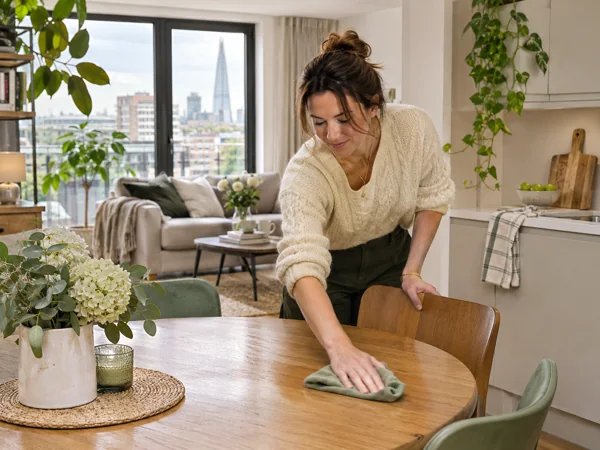
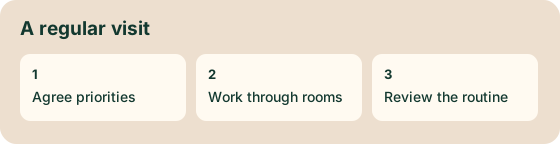
Agree which rooms make up a useful first visit
Give the number of rooms and floors and say what you want ready by the end. In a flat with one bathroom and an open living area, target the food preparation area and main floor route if that is what you use. In a home on separate levels, give the stairs and quiet room that can wait. Explain where equipment is and which rooms are free. A desk may need to be used for calls early on. Offer another task and a point to return rather than assuming the whole home will be available.
Review what fitted after the first visit. If a floor area or a bathroom took longer, discuss a change in visit length or a rotation for lower-use work. Write the priorities in a short list that another person at the address can follow in your absence. If the first visit happens when you can keep the whole flat available, make clear which parts will be occupied during the regular slot. Ask what work can go ahead if the intended first room is still in use. Confirm whether extra work is occasional or should be included on a repeating date.
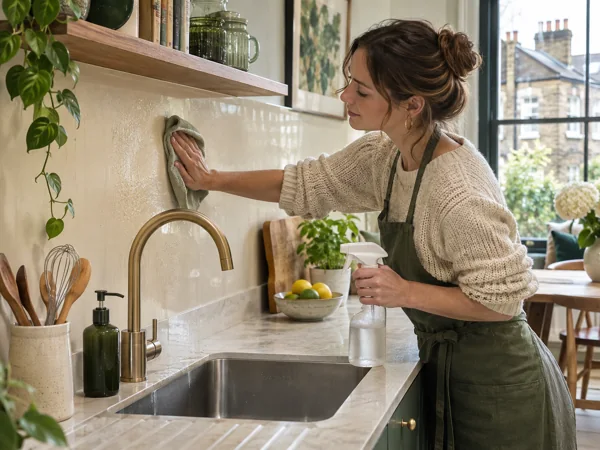
Draw the boundary in an open kitchen or combined living space
Agree the worktops, sink and taps, hob, accessible splashback, appliance fronts and suitable floor you want maintained. Name the food preparation area that should be ready first. If that space also includes a dining table or work surface, state what is free and what should stay where it is. Give an alternative task if somebody needs to use the kitchen at the start. Tell us where things you are happy to have moved can be set down. Do not expect appliances or heavier objects to be moved to reach the area beneath them unless you have agreed how they can be handled.
Keep approved products with clear instructions for worktops, floors and other finishes. Some materials need different cloths or tools even when they are within the same room. Indicate where each is used. If a hob is still warm, give the time it can be reached. Discuss an oven, fridge or cupboard interior as its own request. Give the item, condition and work required. Ask which type of appointment suits and which ordinary work should stay. This can protect your normal kitchen tasks or allow another kind of visit to be agreed if an item needs more time.
Put the bathroom in a slot that works for people at home
Give a clear priority for your main bathroom. Discuss the accessible basin, mirror, toilet, bath or shower and suitable floor. A guest bathroom or a separate toilet can have a different frequency. If someone will be using the only bathroom when the cleaner arrives, set a different task and give the likely time to return. If there are more bathrooms, arrange the order so one stays usable if that matters. Put the sink, screen or floor first according to what will be needed again when the housekeeper moves on.
Let us know which personal items can be moved and where to leave them and show the product acceptable for each finish. If a screen or grout needs more attention than routine upkeep, describe the condition separately. Ask about how to organise that work and tell us which other parts of the bathroom still need cleaning. Put an agreed replacement mat or towel with the supplies if you want it left ready afterwards. Tell the housekeeper when the room and floor need to be returned to use. If the arrangement depends on a meeting or another resident's time, consider an alternate job as well.
Write a route a City visitor can follow
| Building issue | What to give | What to confirm |
|---|---|---|
| Street and podium access | Block and approved route at the correct level | Which entrance works for the date? |
| Separate commercial door | Residential label, floor and flat number | Who can authorise access? |
| Equipment kept on another level | Where the tools are and the path to them | Which stairs or lift can be used? |
Give instructions for rooms that serve more than one purpose
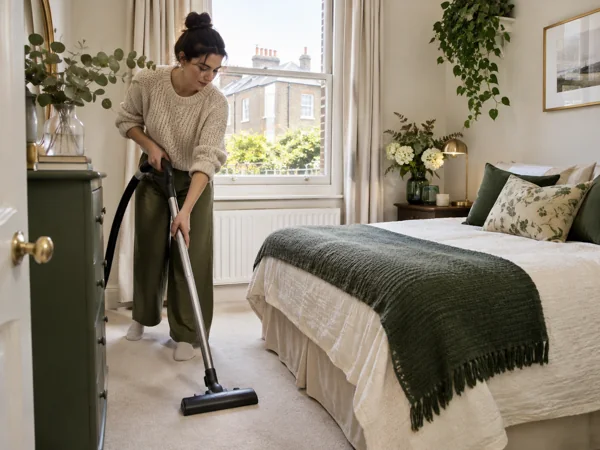
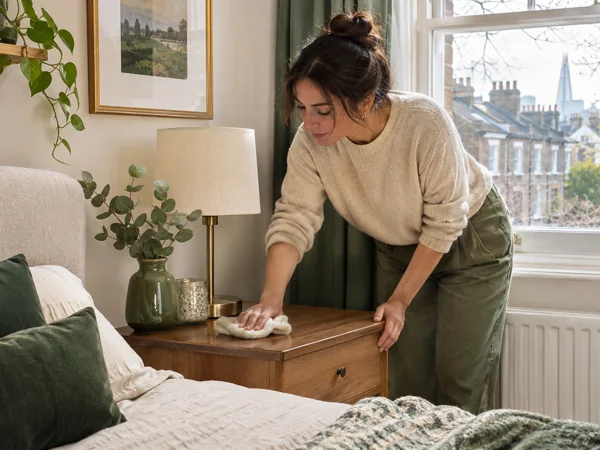
Tell us which bedroom doors can be opened and the accessible floors and furniture. If a linen change is agreed, leave a full set for the right bed and show where the used linen goes. Mark a desk, papers or personal objects that should not be moved. A room used as a study can need a different time or another date from the usual bedroom list. If you will still be in the room, decide if it should stay closed or if another task can happen before a reliable time to return. Keep a rarely used room out of the regular priorities unless it needs attention.
In a shared living area, give the shelf, table or floor area you want reached. Explain whether work equipment or cables have to remain where they are. If people take calls in the sitting room, agree when the floor can be vacuumed and which quieter job can be done first. Let us know how to care for any rug the cleaner will work around, including which attachment suits it. Ask separately about upholstery or thicker carpet work. Give the material and what needs attention rather than assuming it can be dealt with as part of the usual wipe or vacuum.
Show the floor changes and how to keep a route usable
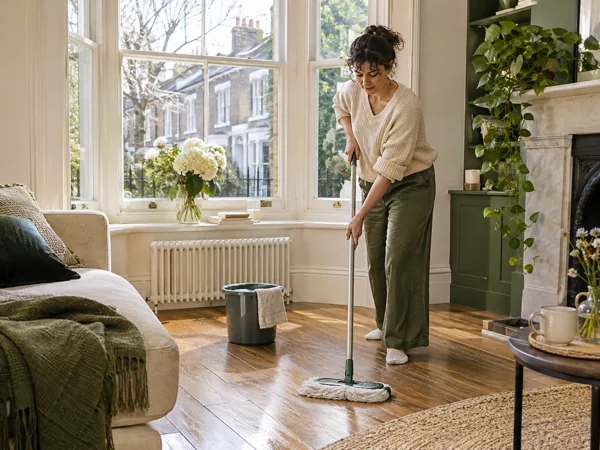
Identify where the floor changes between the residential door, kitchen and living space. Give the appropriate tools and products for tile, timber, a runner or carpet as relevant. Point out a loose rug edge or a raised threshold that makes it harder to take equipment from one room to another. Make the approved product for a sensitive finish available. Say which flooring can be damp cleaned and how far you want that work to go. Leave a suitable position for the equipment that will not obstruct a doorway or the corridor other residents use.
Think about when people will cross the floor. If the hall is the way from all the rooms to the door, discuss doing it late or in sections rather than leaving someone unable to get through. Give the time somebody needs to use it again. Where work builds up in the same small section, give it steady priority instead of doing a larger low-use area equally often. For a stained rug or hard floor treatment, describe the work separately and confirm what kind of visit it needs. Keep the ordinary floor work in the recurring list if you are considering both.
Choose the work that repeats
| Visit rhythm | Core list to discuss | Occasional or separate work |
|---|---|---|
| Weekly | Most-used kitchen, bathroom and floor route | A quieter room on planned dates |
| Fortnightly | Work in chosen rooms after the longer gap | Identify quick work you can do yourselves |
| One-off | Specialist item or larger room refresh | Confirm the recurring list separately |
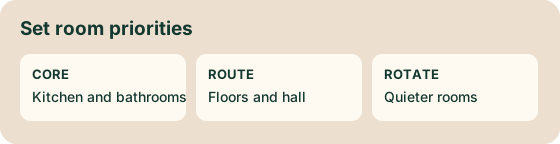
Choose a rhythm that suits the work before the next appointment
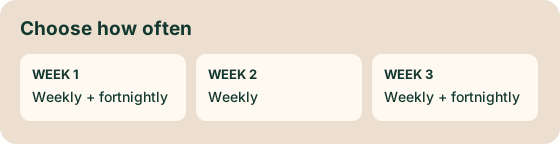
Weekly work may be useful if the kitchen and bathroom or main floors need help by the end of the week. A fortnightly arrangement may suit a household that does lighter upkeep and wants help in named rooms. Tell us what you do and what gets left. Give possible days and any timing constraints for your particular building or rooms. Choose occasional work that can alternate and keep it separate from everyday priorities. Confirm the agreed time and availability at the address before arranging that a keyholder or somebody at reception will handle the visit.
If a lift, room or date becomes unavailable, tell the office which appointment is affected and when the access should get back to normal. Provide an alternative and state whether the change is temporary. Ask about using a preferred housekeeper if that continuity is important, and confirm who can attend on the new date. If the revised timing changes which rooms will stay occupied, give a separate work list for that day. Say when you intend to return to the usual list. Give the updates directly to the people who will be managing equipment or access.
Prepare the supplies and other work without relying on the building to decide
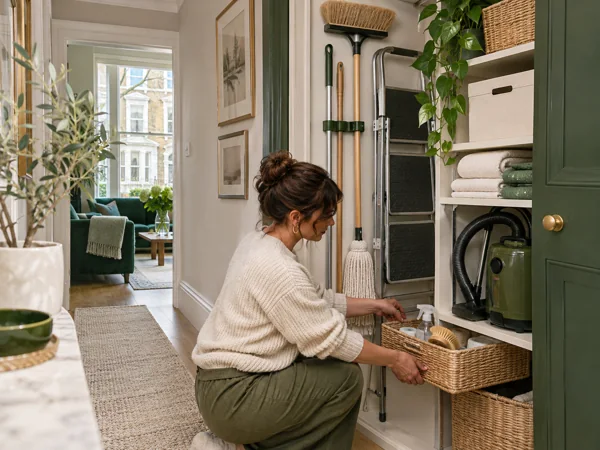
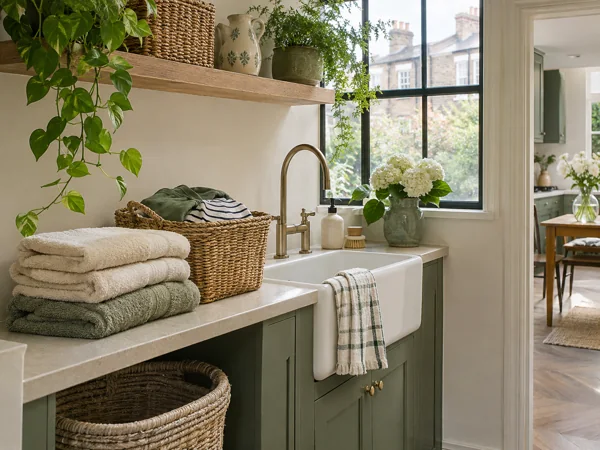
Put the agreed tools, products, mop and vacuum attachments where they can be reached inside the home. Label supplies for an individual finish and discuss what to do if a tool is unavailable. If there is a pet in a room, give clear door instructions and provide an alternative job if that room would normally be cleaned. Make sure anyone opening the door can show the equipment or knows where the short room note is kept. Keep access details separate and out of a space that other building users can read. Tell us if a tool in a cupboard will not be available as usual.
Explain a larger work request by item and condition. An oven interior, upholstered seat or rug can need its own equipment and time. Ask how the work could be arranged and give the approach to the item if there is an alternative door needed for supplies. State which usual jobs should still happen on the regular date. If you want a broader home reset, discuss another sort of appointment rather than expecting it to be included. If a small job goes onto a routine visit by agreement, confirm which lower-priority task should move and when the ordinary list will resume.
Keep household instructions simple to hand on
| Topic | What to tell us | If the plan changes |
|---|---|---|
| Workspace | Which surfaces remain untouched and when the area is free | Choose another starting job |
| Floor care | Approved product or attachment for each finish | Identify the exact areas again |
| Pet in a room | Door that stays shut and where the animal is | Offer a replacement task |
Quotes for City of London homes
| Cleaning option | Price | Booking details |
|---|---|---|
| Regular housekeeping visit | From £23 per hour |
Tell us how often you need a visit and which rooms to prioritise.
Get a QuoteRelated cleaning services
- Spring cleaning · Ask about a one-off visit for rooms that need additional time.
- Oven cleaning · List the oven cavities and removable parts when requesting appliance cleaning.
- Carpet and upholstery cleaning · Tell us the material and which areas or pieces you want treated.
- End of tenancy cleaning in City of London
Local references · City of London Corporation: Barbican Estate map
City of London housekeeping questions
Can I use the Barbican Centre directions for my home?
Use a reference to the estate if it helps. Include your private block, level and exact approach so a visitor does not go to a public venue entrance.
Can I arrange work for just one floor of a City home?
Yes. Describe the rooms and surfaces on that floor and decide whether to include any stairs or other access routes.
How should we include the living area if it is also used for calls?
Give a time when it can be reached, a quiet task to start with and any equipment that should stay untouched.
Does the second bathroom have to be done every time?
No. Give the usual bathroom a clear priority and decide if the second room needs work on some dates.
What if the building changes which entrance a visitor can use?
Confirm the approved alternative and tell the office which dates it affects. Give private access details directly.
Can an upholstered piece be treated alongside regular housekeeping?
Discuss the item, material and available route for equipment separately. Confirm which ordinary work and dates you would like to keep.