 Housekeeper
Local housekeeping enquiries
Regular Housekeeping in Swiss Cottage
When arranging regular housekeeping for your Swiss Cottage home, include the details that affect entry to the building and how work can move between rooms. Think about which finishes need their own care instructions and how you would like the flat left when the visit is over.
Can I use Swiss Cottage station to explain where I live?
Yes. Use it to explain the approach and give the private door, complete address and postcode separately.
What should I say if there are steps before the lift?
Give the number or location of the steps and tell us if a different entrance is authorised.
Meet Housekeepers Covering Swiss Cottage
Tell us your postcode and preferred frequency so the office can check who covers your address.
Get a QuoteDistinguish Avenue Road from the entrance you use
Transport for London gives Finchley Road as the address for Swiss Cottage Underground station. If you use it as a reference, explain which way to start from there and where to look for the entrance to your building. Give the complete postcode, flat number and floor. Explain which street the entrance faces, particularly if the block name is easier to see from another side. Include the words on the call panel and the floor reached when coming in from street level. This matters where different entrances reach different hallways.
If entry is through a concierge or other building contact, ask what they need to let a visitor in at your chosen time. Tell the office who will authorise entry and whom to contact if there is a change. Explain how to find the door after the reception desk, for example by giving a wing or staircase letter. If there is a change of level between the front door and the lift, mention the steps. A resident may use those steps every day without thinking of them, but they affect how equipment reaches your flat.

Put the place where you come in on the list
In a flat with a short entrance hall, work can be easier to arrange around when deliveries or people are due. Think about which parts of the floor need ordinary work and where bags, a bike or a shoe rack usually stand. Give instructions for the mat inside the door and show where it can be set while the floor under it is dry. Say when you will need to be able to walk through again. If the outside landing is shared, discuss any work there separately and check who is responsible for it.
A hall may have an independent surface finish or a door strip between rooms, so show the cleaner where to change tools. If there is a runner, leave the right vacuum head and specify how to work near a binding or loose edge. Show where it can be set aside if you have agreed to lift it. Put equipment somewhere out of the path to bedrooms and the front door during the visit. If there is very little free floor space, tell the cleaner which room can temporarily take the equipment instead.
Give the open-plan room an order
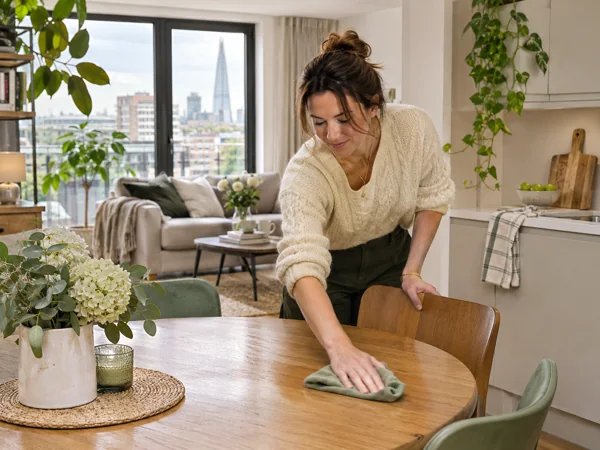
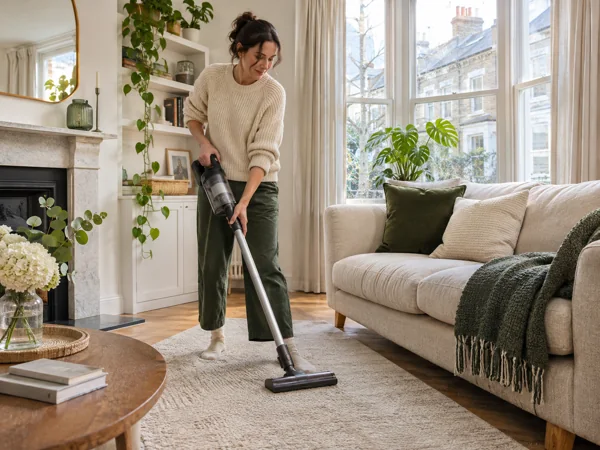
Describe how you use the space around the kitchen, dining table and sofa. If you need one area at a particular time, tell us what should be ready first. A worktop where you make lunch might be more urgent than the end of the room beside the window. Agree which items on the table may be moved and where to set them down. If people need to walk across the room while work is taking place, talk through the order in which the floors can be reached and given time to dry.
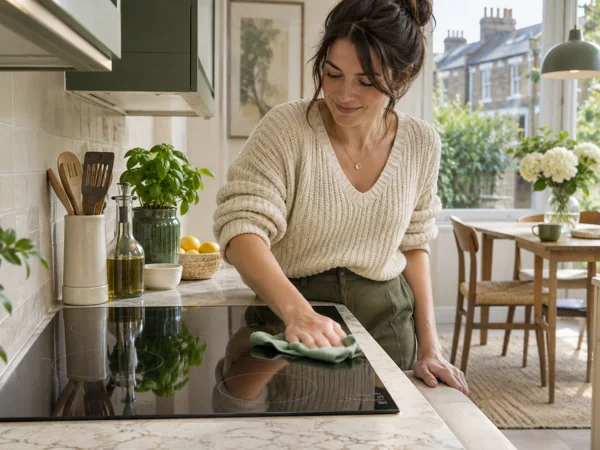
Say which kitchen surfaces you want on the list, such as the reachable worktop, sink, hob and appliance fronts. Give products for the relevant finishes and instructions where the worktop and splashback are made of different materials. Make it clear which appliances can stay where they are. Ask about oven or fridge interiors in their own enquiry and give the current condition. If the kitchen is usually left partly in use, decide how you will tell the housekeeper when they can start and which furniture surfaces or other room can be done first.
Plan the wet rooms around who will be home
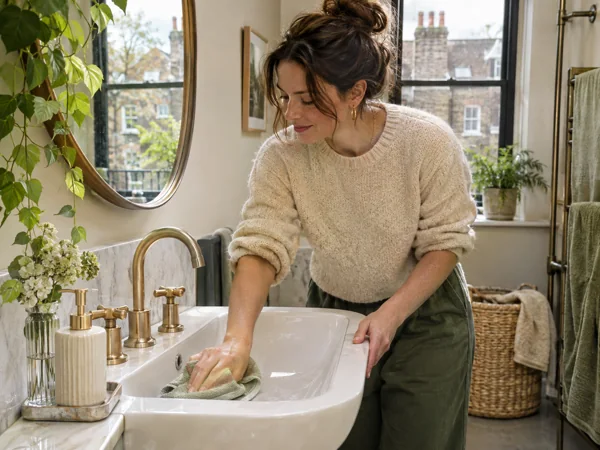
Name the bathroom, en suite or separate loo you use most and outline the regular work for each. Give the fittings you want reached and point out the approved method for any treated glass, natural stone or coated taps. A toilet and small hand basin may need a shorter list than a bathroom with a screen and bath. Give the order that works for your household, including when someone usually needs to be able to reach an en suite from their bedroom.
Tell us where the housekeeper can place smaller items so the basin or reachable shelf can be cleaned. Explain what should happen to bathmats, used towels or washing when you have agreed to move them. If the flooring should be left clear to dry, discuss which bathroom the household can use in the meantime. For more intensive work on screen deposits or grout, explain the problem and product restrictions. Check what work can be arranged and how you want it to fit alongside the routine visits.
Give useful detail at each point between street and flat
| Point on the route | What to specify | What it helps clarify |
|---|---|---|
| Main approach | Your entrance street and door label | Which side of the building to reach |
| Shared lobby | Name or floor for receiving visitors | Who can release the door |
| Internal route | Wing, landing and any intervening steps | How to find the private door |
List bedrooms by name and use
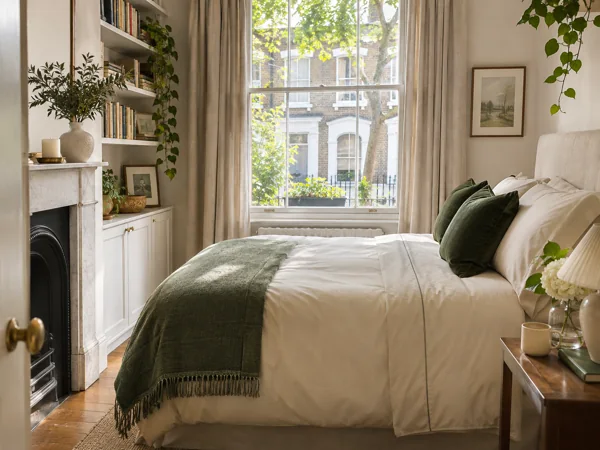
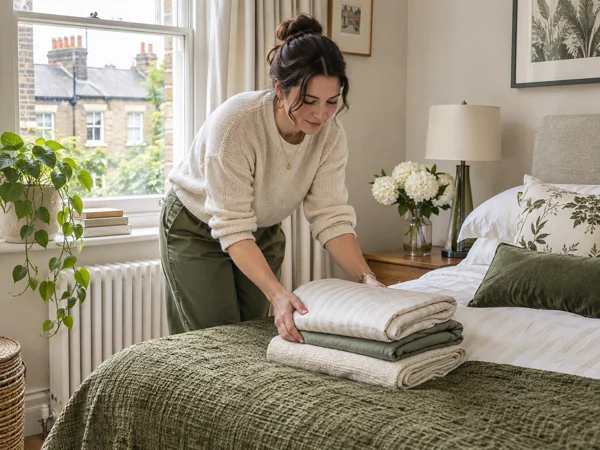
A bedroom can be used to sleep, work or store things and its priorities can shift accordingly. Tell us which bedrooms you want included and where the floor and furniture can be reached. If the spare room is used for drying washing, give the timing and an alternative when the clothes rack stays in place. Leave the right set of sheets, covers and pillowcases for any agreed bed change and say where the used bedding should be put. If you are precise about how the bed is left, give a short instruction with the bedding.
Tell us which personal items need to remain undisturbed. If a room is regularly closed during a call, you can discuss vacuuming the floor later or using the time on reachable surfaces in another room. Give the length of time you can generally make the bedroom available. If somebody is coming to stay and needs both the room and its bathroom ready, give the date and decide which lower priority room can wait until the next appointment.
Check the equipment that can stay in the flat
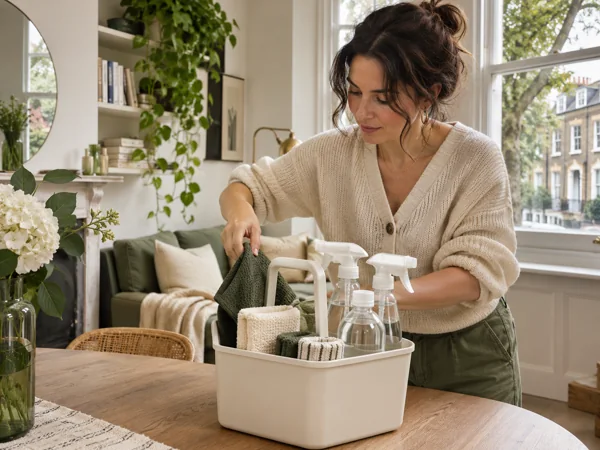
Choose a place where clean cloths, products, vacuum and mop can be collected easily. Show which attachments fit the vacuum and where any spare bags or heads are kept. If the equipment lives in a utility cupboard with other belongings, leave enough space to lift it out. Give a separate place for damp cloths to go at the end. Put the instructions for a finish with the approved product or where the work will happen, especially where two surfaces look alike and have different cleaning needs.
A more involved job can mean a different type of equipment or more room to use it. Ask about access if you want work on a carpet, rug or upholstered furniture. Tell us the size and material of the item, where the work is needed, and any restrictions on lifts or doors. Give the notice required if a building contact must arrange access. Keep the list of everyday work clear for the dates when you only want the usual clean. Say which regular work could move if something extra is agreed.
Arrange the connected living spaces
| Area | Everyday job to discuss | When it can happen |
|---|---|---|
| Preparation counter | Reachable worktop and sink | After breakfast has been cleared |
| Dining surface | Clean the agreed clear portion | Before it is used as a desk |
| Floor near the sofa | Use the right attachment for the rug and edge | Once phone calls are finished |
Find the repeat day that works with the building and your week
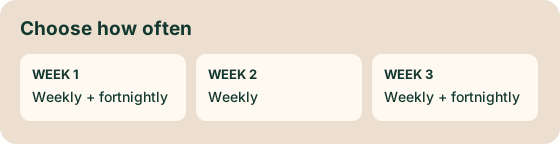
Think about an ordinary week when suggesting a day. Give the time window your rooms are usually available and the time entry can be arranged. Say how much work builds up between visits, particularly in the kitchen, bathrooms and any room that also serves as an office. Talk about weekly visits for frequent work, or a fortnightly arrangement if you plan to keep up with some jobs between appointments. A rotating list can make sense for a quieter bedroom or a separate loo. Agree what should always have time before the occasional work is added.
After the first visit, note anything that took longer or could only be done later than expected. Mention any different decision for the next date, such as starting in the main bathroom while the living area is still being used. If you know you will be away or a building lift is due for maintenance, give the dates and tell us what can still be reached. Confirm an alternative time or revised plan before making arrangements for the door to be opened.
Confirm how you want the flat left before the housekeeper goes
Give any instructions for doors, windows, mats and supplies that affect how you will use the flat later. If a kitchen floor will still be drying, decide where the mat should wait. If a window was opened while work took place, say who should close it. Let us know which room is out of bounds for a pet and which doors need to be secured when work moves to another part of the home. Discuss those details before relying on access while you are out. If a door locks automatically, explain how the housekeeper can confirm it has closed and where any key should go under the arrangement you have agreed.
If you and another member of the household will take turns preparing the flat, leave a shared note listing the work, linen and equipment locations. Keep private access information with the office. A useful end-of-visit note might identify one room that was occupied or a product that has run out, so you know what to prepare for next time. If a recurring task changes, give the new instruction and when it starts. Say whether it is temporary, so the usual order can be picked up again on the right week.
Describe the way you want the rooms left
| Detail | Direction to give | Where to put the instruction |
|---|---|---|
| Supplies | Location for damp cloths and equipment | Near the storage cupboard |
| Bed linen | Place for the used set after a change | Beside the clean bedding |
| Pets | Doors to secure when work is over | With the visit instructions |
Quotes for Swiss Cottage homes
From £23 per hour. Confirm the rate and visit length for your address when you request a quote.
Get a QuoteRelated cleaning services
- Spring cleaning · Ask about a one-off visit for rooms that need additional time.
- Oven cleaning · List the oven cavities and removable parts when requesting appliance cleaning.
- Carpet and upholstery cleaning · Tell us the material and which areas or pieces you want treated.
Local references · Transport for London, Swiss Cottage Underground Station
Swiss Cottage housekeeping questions
Can I use Finchley Road as the whole address?
Give the complete property address and the entrance your flat uses. Mention Finchley Road if it helps to explain the approach.
Can I arrange entry through a concierge?
Confirm the visitor procedure and tell our office who can authorise entry at your agreed time.
Where should I put a spare set of linen?
Put the complete set near the correct bed and say where you want used linen left.
Could you clean around the desk during a meeting?
Tell us which surfaces are free and when work with the vacuum will be suitable.
What details matter if my shower screen needs extra work?
Describe the glass, the condition and any care restrictions. Ask about arranging additional work and keep separate notes for the usual bathroom jobs.
What if there is a lift closure for one visit?
Tell us the dates, the floor and the access still available so you can discuss that appointment with the office.