 Housekeeper
A regular housekeeper for your home
Regular Housekeeping in Pimlico
Put together a repeat housekeeping plan for your Pimlico home. Tell us about your rooms, preferred day and any rules for using the entrance. We can discuss a practical list for ordinary visits and the work you would like to include less often.

How should I describe a home by Pimlico station?
Give the complete address, door and level, alongside the station as a landmark.
Can I ask for the hall to be cleaned last?
Yes. Explain when residents need the entrance clear and agree the order for that visit.
Meet Housekeepers Covering Pimlico
Tell us your postcode and preferred frequency so the office can check who covers your address.
Get a QuoteHelp the housekeeper find the residential entrance
Transport for London places Pimlico Underground station on Bessborough Street and lists it on the Victoria line. That is a recognisable starting point for directions. Add the door number, full postcode and floor of your own home before relying on it to describe your arrival location. If the building has front steps and a separate entrance serving lower-ground flats, explain which doorbell to use. Mention any restriction on carrying equipment through a communal hall. When a home has more than one available approach, ask the building manager which is approved for this purpose.
Decide how the housekeeper will be admitted on repeat dates. A buzzer is only useful if someone is home and can answer it, while reception may need independent permission from a resident before handing over a key. Ask how early the arrangement can be made and how to record a change, including where a key goes afterwards. Discuss an agreed alternative through the office if the regular contact is away. Where doors have to be secured in a particular order when leaving the flat, confirm the procedure before the first visit rather than relying on a note left behind.

Use the first visit to set the pace
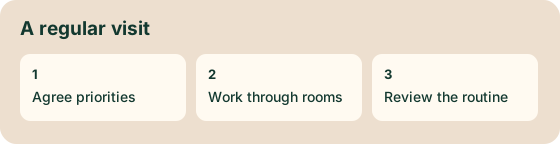
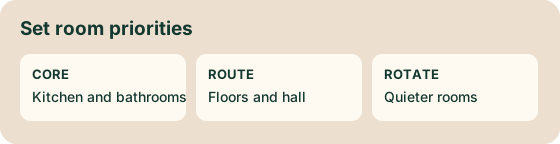
Choose a small core list before discussing optional jobs. A kitchen used by several people and a shower that needs attention after heavy use can take precedence over a guest room that has stayed shut. Look around on the day you usually want to book. If the table is occupied or a bathroom is used just before work, the regular sequence will need to allow for that. Tell us what happens on most weeks and flag any exceptions you already know about, such as a child being home during a school break.
Check the outcome against the list afterwards. A task that seems quick in an empty room can take longer when access to surfaces is limited. Consider whether you can make the surface more accessible, move that job to a different part of the appointment or allow more time. One recurring priority here might be clearing the hall floor before visitors arrive. A household with different needs might do the hall last to keep the route clear. Agree an order using the actual use of the property and the time available.
Make kitchen tasks straightforward to repeat
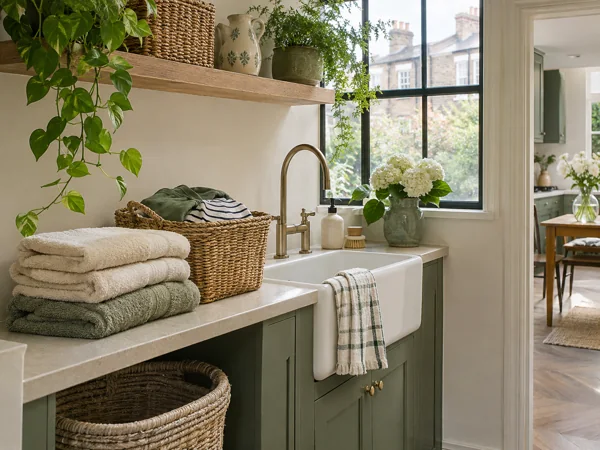
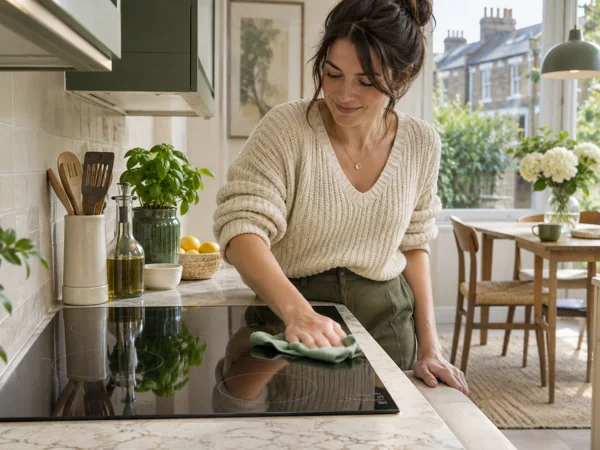
Ask the household to clear one part of the counter so crumbs and spills there can be addressed every visit. If the area around the coffee machine stays in use until a particular time, name the other surface where the work can start. Describe the sink, tap and worktops and identify the products permitted for each. Where one end of the worktop has an oiled finish, record that detail beside the approved method. If a board or draining rack is moved regularly, agree where it can be set down and put back safely.
Tell us which surfaces near the hob can be reached after it has been left cool. The cooker controls and worktop are different jobs from a grill tray or a built-in extractor interior. Requests needing disassembly, particular products or work inside an appliance should be discussed beforehand. Explain the model and condition where you can and say if you will leave it emptied. A fridge interior adds work if food has to be removed and shelves need separate attention. Discuss that request with the office before scheduling it alongside the regular kitchen list.
Details for a repeat arrival
| Area | Information to give | Who can confirm |
|---|---|---|
| Building entrance | Number at the correct door | Resident or manager |
| Lower ground flat | Steps and bell label | Resident |
| Reception | Permission and key return | Reception or manager |
Deal with the bathroom in a sensible sequence
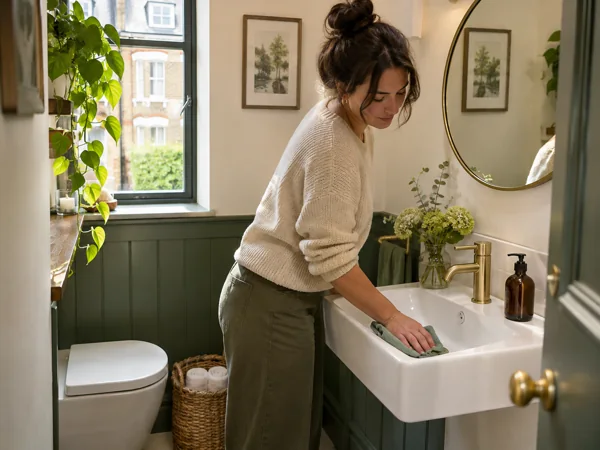
Put clean cloths and the approved products somewhere easily reached and identify the fixtures they are meant for. Check the finish at the base of the tap, especially where a different material meets the basin. Leave labels on the products so instructions are available. If something needs repair, draw attention to it. A panel that comes loose when wiped or sealant that is still drying should be listed with any restrictions. A removable caddy can make the most-used parts of the bath accessible without going through individual residents' belongings.
Plan around the times each wet room needs to be open. A bathroom used for a morning shower could be done after that shower, while the spare toilet can be approached earlier. The order may change if someone needs help getting to the bathroom at a set time or if a floor has to be dry before use. Point out a route that allows them to move safely. Where the water leaves recurring marks, tell us what can be used on the material and put any more involved stain removal on a separate discussion list.
Give bedding and living areas their own notes
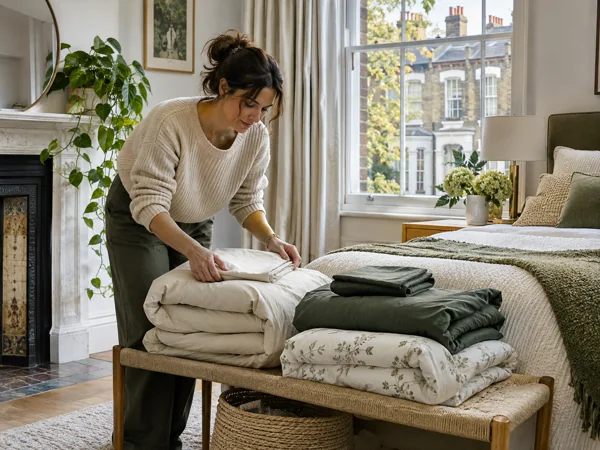
If you want bedding changed, describe the beds you want included and the interval for each. Give a clear name for the spare room and set aside the correct sheets and pillowcases there. State where the used set should go. If a guest keeps belongings on the bed, agree someone will clear it or delay the job. Mention heavy bed bases, tight access beside the wall and any difficulty reaching the bed so the office can discuss how that affects the agreed work. Requests for washing, drying or ironing also need specific consideration.
If the sitting room has favourite objects beside a television or on a shelf, decide where normal dusting is welcome and which objects stay put. That distinction can be made with a location such as the top shelf of the bookcase. Identify reachable floor edges and point out cables left underneath a table. Arrange an alternative when a conference call makes vacuuming awkward. The work might start in another room until the call ends and return to a free part of the sitting room as agreed. Give the housekeeper a contact for a late change.
Make the entrance easy to use after floor care
Tell us which floor finishes run from the front door through the flat. One part could be easy to vacuum while the next needs a particular floor head and a dry method. Note a loose runner or damaged transition strip before the visit. Keep wet cleaning away from any section a resident needs straight away. Agree where the housekeeper can put the bucket and other equipment between rooms, leaving the entrance and stairs open. An extra note is useful if the only place to fill the bucket is near a narrow doorway that people pass through frequently.
Discuss the best way to address grit along the edge of an entrance mat or near the chair where someone changes shoes. You can prioritise this patch every visit and keep less-used parts of the room on a slower rotation. Where a rug needs specialist care, give its label and details of any old damage and ask about a dedicated job. A day-to-day housekeeping slot can instead follow the agreed method for loose soil on suitable surfaces. Tell us if a new floor treatment changes what products the housekeeper can use.

Room order by household use
| Room | Check before work | Reason to change order |
|---|---|---|
| Hall | Upcoming arrivals or departures | Keep a clear dry route |
| Study | Call and meeting times | Allow quiet work when occupied |
| Bathroom | Regular shower time | Allow bathroom access and floor drying |
Keep adjustments easy to communicate
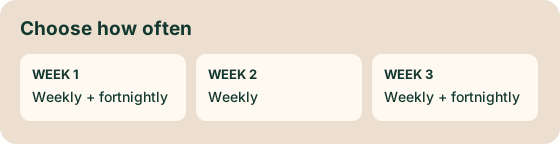
Consider how often the agreed jobs become necessary and compare weekly with fortnightly options. A kitchen used for regular meals and a single bathroom serving the household may need more frequent attention than a seldom-used dining space. Estimate how much the household is willing to do between visits. A workable shorter list may fit your preferred day, while extra rooms or occasional tasks might make a longer visit worth discussing. Talk through the likely rhythm with the office and check how the first visit fits alongside the recurring dates you have in mind.
For a planned absence, ask the office how to handle access before you go. Tell us if your usual building contact will be away as well. If the visit is going ahead, decide which jobs remain useful in a quiet home and when the normal list takes over again. When a new member of the household moves in, you can revisit bedroom access and order of work. Small date changes benefit from the same clarity as longer ones. Give the date that needs adjusting and check the revised access arrangement and priority list together.
Make a single place for supplies and visit notes
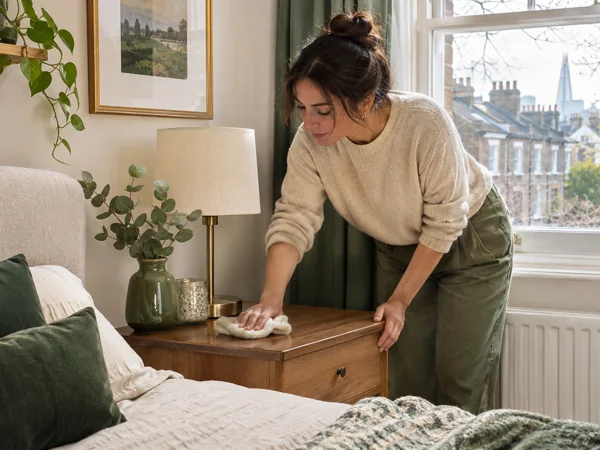
Set aside a reachable cupboard or shelf for approved products, spare cloths and compatible equipment. Mention any machine that has a delicate attachment or a filter that needs care before use. Leave instructions for cleaning and storing items after the visit, such as laying a damp mop head somewhere suitable to dry. If a pet stays indoors while people are out, say which door must remain shut and how the housekeeper can move between the rooms on the list. Agree an alternative job if an animal has to remain in a planned room.
If bags are removed from indoor bins, identify the agreed destination and any building rules about transport through shared areas. When supplies run low, decide who in the household can replace them. Use an enquiry to ask about extra work such as extensive dust from renovation or a rug treatment that needs more than regular vacuuming. Discuss the nature of each request and possible timing before adding it to the household instructions. This gives the office enough detail to discuss an appropriate repeat visit and any separate arrangements with you.
Identify separate jobs
| Item | Information to provide | Before adding it |
|---|---|---|
| Fridge interior | Model and shelves to reach | Agree emptying and duration |
| Rug treatment | Label and previous damage | Discuss treatment separately |
| Renovation dust | Affected rooms and materials | Enquire about a separate appointment |
Quotes for Pimlico homes
From £23 per hour. Confirm the rate and visit length for your address when you request a quote.
Get a QuoteRelated cleaning services
- Spring cleaning · Ask about a one-off visit for rooms that need additional time.
- Oven cleaning · List the oven cavities and removable parts when requesting appliance cleaning.
- Carpet and upholstery cleaning · Tell us the material and which areas or pieces you want treated.
- End of tenancy cleaning in Pimlico
Local references · Transport for London Pimlico Underground station
Pimlico housekeeping questions
Can I use Pimlico station as part of my directions?
Yes. Include the full home address and the designated entrance details.
How should I explain a split-level flat?
State the entry level and the rooms reached by internal steps.
How can I prepare the kitchen if people eat at different times?
Agree a section of worktop the household can clear and note when the rest frees up.
Do I have to put bedding in the same cupboard?
A named set by each agreed bed can be easier to match. Give a destination for the used set.
Can the housekeeper come while I am away most weeks?
Discuss who can authorise access and who is available if there is a question on the day.
How do I swap a guest bathroom into the next visit?
Give the affected date and explain how its tasks fit the usual list so the office can discuss the change.