 Housekeeper
A regular housekeeper for your home
Regular Housekeeping in Forest Gate
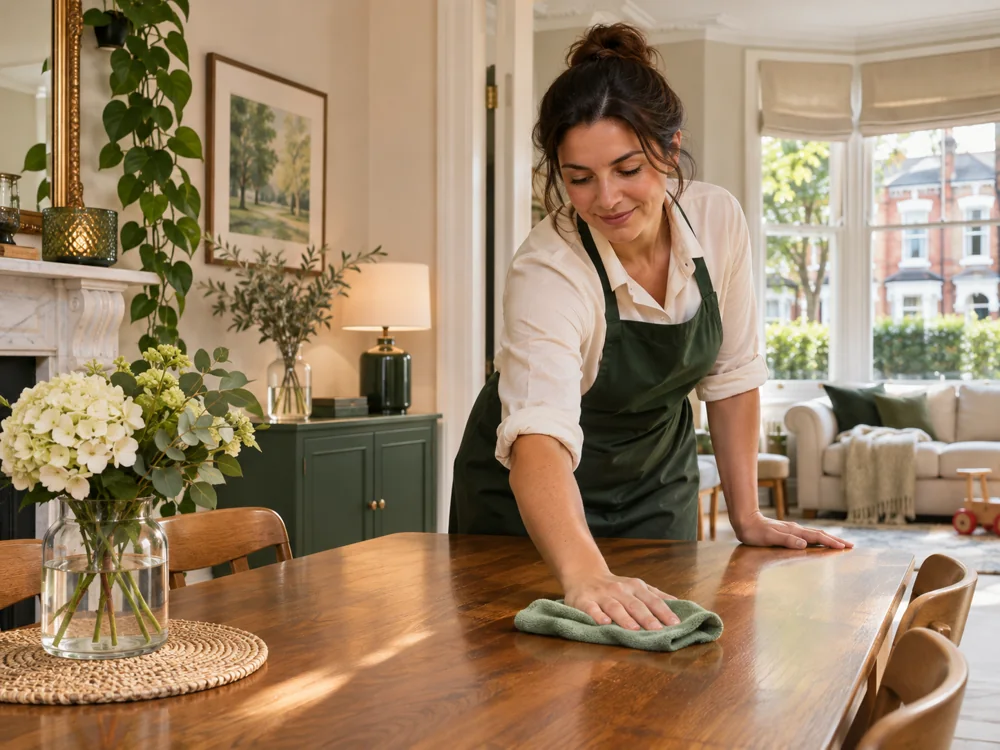
Choose a repeat appointment that fits the way you use your Forest Gate home. Tell us the entrance and rooms that need priority, and we can discuss how the visit will fit around the household.
Can I say the house is near Woodgrange Road?
Yes as a reference. Give the exact street, full postcode and door or bell the housekeeper should use.
Can the housekeeper start on the hall if the kitchen is busy?
Yes. Say which hall or stair work is included and when the kitchen will become free.
Meet Housekeepers Covering Forest Gate
Tell us your postcode and preferred frequency so the office can check who covers your address.
Get a QuoteUse the Woodgrange Road reference to reach the right E7 address
National Rail lists Forest Gate station on Woodgrange Road in E7. If you mention it when directing the housekeeper, continue to the complete residential address and door. An entrance above shops may not open from the same pavement as the front of the building, and a house can have an approach through a side gate. Say which road or path leads a visitor there and what the number looks like beside the bell. Give the private floor if a shared entrance leads to more than one flat. Let us know whether somebody will be waiting at the door.
If the person organising the visit is not usually at home, decide who is able to admit the housekeeper and confirm the date with them. Give the ordinary arrival route and discuss sensitive entry arrangements directly. Tell us if a second door or set of steps comes after the shared threshold. If supplies are already kept inside, leave them where they can be found and say how to reach them. A narrow hallway or stair may make it easier to use a tool stored upstairs rather than move the same one between floors.

Keep the first visit focused on the busiest chores
Start with a few jobs that are important to the household each time. A kitchen and a main bathroom can lead the list, or the floor from the door and a downstairs WC might need attention first. Give an alternative starting room if somebody will be working or getting ready. Indicate how far one job extends when the floor continues from the kitchen through a dining area. Choose what can wait if ordinary work takes more time than expected. Setting those limits at the first visit gives you a basis for a repeat appointment.
Show where the products and tools are and name any belongings you prefer to leave undisturbed. If you will be out, leave a short written room sequence somewhere accessible. Afterwards, tell us how the visit fitted the house. If a room was not available, changing the order might be enough. If a quiet room used more time than you anticipated, put it on a rotation or discuss a different duration. Check that the jobs you expect to see every visit remain near the top of the list before deciding what else to add.

Protect the everyday worktops when the kitchen has another use
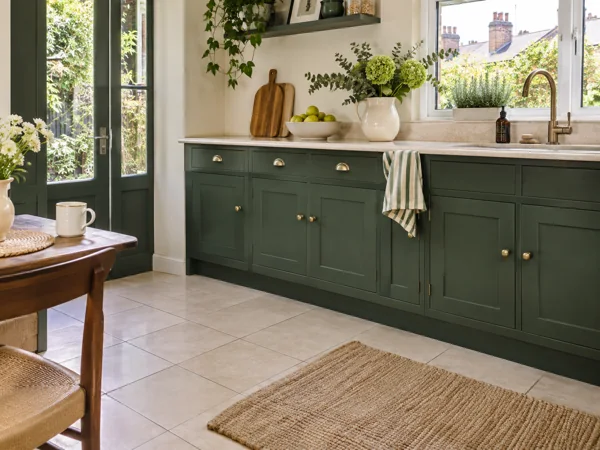
Agree the ordinary food preparation areas, cooker exterior, splashback, sink, taps, reachable appliance fronts and suitable floor. If a dining table or nearby desk is still in use, mark the part you need to remain clear and say when work can return. A kitchen can have two sections with different worktops and different products. Label the one you want used and point to the relevant surface. Explain which small items can be moved temporarily and where to put them back. Move whatever is too heavy or delicate yourself if you want that area reached.
Choose when the cooking area needs to be ready again. If one resident is preparing a meal, give another room to start or an accessible part of the floor. Ask about interior work on an oven, cupboard or fridge separately. Give the appliance or shelf, fittings and what will be clear. The task may take a different amount of time from the ordinary surfaces. Ask what can be arranged without assuming the extra work will displace the normal kitchen. Keep the agreed room boundaries in the request so you can still follow the routine the next time.
Explain the Forest Gate approach
| Reference | Send next | Confirm directly |
|---|---|---|
| Woodgrange Road station | Own street, residential postcode and door | Who can admit the housekeeper |
| Side entrance or gate | Where to turn and door label | Which route is authorised |
| Shared stairs | Number and private floor | Where tools can be reached |
Give the main washroom and any extra WC their own times
List the washrooms by name and explain which one gets the most use. An ordinary agreement can cover accessible bath or shower surfaces, basin and taps, mirror, WC and a suitable floor. If somebody uses the bathroom at the preferred arrival time, choose a separate room or hall floor to begin and give a time when the bathroom is free. A small toilet can be useful to do first while the family bathroom is occupied. Give separate product details for fixtures that need them, and identify how to return the room to a state the next person can use.
Move small items from a ledge if you want it reached, or explain where personal things should stay. Leave a fresh mat or towel and place for used ones only if you have agreed to change them. If a finish has a persistent mark or a shower screen has heavier deposits, describe it as a separate issue before the visit. Specify which fitting or part of the screen needs attention. That allows you to keep a regular floor, mirror and wash surface routine while discussing how the more involved work might be handled.
Agree which bedrooms and shared living areas can be entered
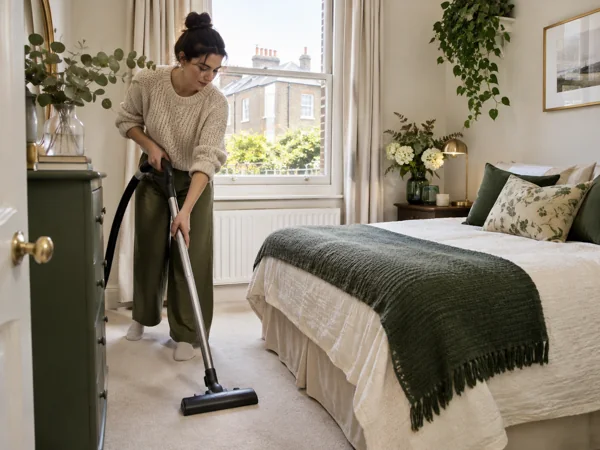
Give the bedroom doors you want included and the accessible floors, tables or other surfaces behind them. Ask separately about a bedding change and leave a complete set for the bed, with an identified place for used sheets. A room used for home working or a daytime sleep can stay excluded or come later. Say what must stay untouched, such as papers, devices and medication. If two rooms look similar from the landing, identify the bedroom by position or name. A guest room can stay closed most visits and rotate in before a particular date.
For a sitting room, pick the shelves or tables that collect ordinary marks and the reachable floor around a sofa or chairs. Let us know what should be moved by the household and which lighter objects can move during the work. A loose rug may need a different vacuum instruction or a boundary near its fringe. If it has a mark, describe the actual issue separately from the room clean. Upholstery care can also be discussed by stating the label, material and affected panel, instead of assuming the ordinary living room visit includes a particular textile treatment.

Plan the flooring or stairs along the path people use
Draw the private boundary after a shared entrance or landing and trace the route into the rooms you want cleaned. Name each stair and landing if there is more than one. Explain transitions from tile to timber, carpet or a runner and which cleaner, pad or attachment you use for each. Point out loose edging and a recently repaired strip. If a mat in the hall can be lifted, tell us where it should go until the floor beneath is ready. Give the relevant level and where the equipment can be picked up.
Clear shoes and hallway items where possible. Say when somebody needs the floor path back and what you can do to keep it clear during the work. If an animal is at home, agree which room it uses and what door or gate stays closed. Give separate instructions for any bedding or bowls in the agreed area. If the household stores different supplies on different floors, put the right attachment with the relevant tool. Name a place to return them afterwards, rather than leaving it unclear which level they belong on.

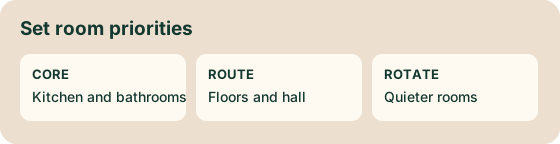
Set recurring work by actual room use
| Ordinary priority | Possible rotating job | On the first visit |
|---|---|---|
| Accessible kitchen and floor | Extra dining shelves | Check availability of table first |
| Main washroom | Guest shower | Agree time the main room will be free |
| Hall and stairs | Spare room floor | Name the stopping point for shared areas |
Use regular frequency for work that needs doing repeatedly
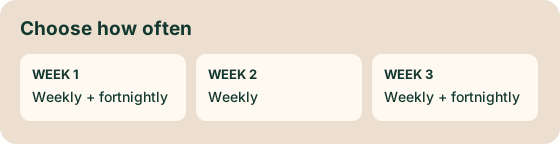
Weekly visits can be useful when several people cook or bathe in the same space and the floor needs work again quickly. A fortnightly slot can help where you handle ordinary chores in between and want dependable support with other surfaces, washrooms or floors. Tell us what builds up in a normal gap. Select the jobs that stay fixed and the work you can alternate, possibly a spare room or reachable shelves. Consider how the day changes if somebody is working at home or guests are using a room. Discuss the update separately when it only applies to one date.
Give the office your first choice and a second workable time. Say if access or a particular task is limited at the start. Ask about a preferred housekeeper when you check availability. If the usual person who admits the housekeeper cannot do it for a visit, confirm another arrangement directly. Give the affected day and when you want the normal plan to resume. Tell the person's household or building contact the agreed time and route. A change in one room may be handled with a different order, so mention that before trying to move the whole appointment.

State the equipment you provide and get any extras discussed separately
Tell us where labelled products, cloths, floor pads and the vacuum and accessories will be. Keep the right product with the finish or leave a brief room note. If a charger or attachment is stored elsewhere, give where. If a tool is not available, say so before agreeing the job it would serve. Arrange a place for equipment outside a bedroom or study that stays closed. Tell us where it should be returned. Leave the agreed door and pet instructions near enough to see before work begins in any affected room.
Ask about separate work by identifying the exact item. For a cooker, describe the oven cavity or racks. For upholstery or a rug, give the material and area involved and any date before which you need it discussed. Keep the larger work separate when deciding what happens on the everyday visit. Review the postcode, visitor entry, contact, frequency and room priorities before confirming. Use the same note for the repeat appointment if it is still current, and let us know if an entrance sign, storage space or access contact changes.
Choose an accessible floor path
| Area | Work to agree | Tool detail |
|---|---|---|
| Inside front door | Mat and floors beneath or around | Pad for the finish |
| Private stair | Reachable treads and landing | Attachment for the runner |
| Open dining and sitting floor | Agreed stretch and edges | State where floor changes |
Quotes for Forest Gate homes
From £23 per hour. Confirm the rate and visit length for your address when you request a quote.
Get a QuoteRelated cleaning services
- Spring cleaning · Ask about a one-off visit for rooms that need additional time.
- Oven cleaning · List the oven cavities and removable parts when requesting appliance cleaning.
- Carpet and upholstery cleaning · Tell us the material and which areas or pieces you want treated.
- End of tenancy cleaning in Forest Gate
Local references · National Rail · Forest Gate station
Forest Gate housekeeping questions
Can the station postcode help if a visitor cannot find the property?
Use your own full postcode first. The station can be a landmark, but give the onward street and entrance.
Can one resident’s room stay closed but the landing be included?
Yes. Identify which private door stays closed and how far the landing floor work goes.
How do I choose between the main bathroom and downstairs WC?
Give the priority of each and the point when the main washroom becomes free. Mention which should stay on the repeat list.
Can you use two different products when one floor changes to another?
Yes if agreed. Identify the materials and leave the labelled products with their pads or other tools.
What if a guest room is used only once a month?
Put it on the occasional list and discuss the date and tasks when needed. Keep regular rooms on their own list.
How should I discuss oven work separately?
Give the cavity and any parts or racks you want considered. Confirm what ordinary kitchen work you want repeated.