 Housekeeper
A routine for the home you live in
Regular Housekeeping in Finsbury Park
Choose the ordinary tasks you want repeated in your Finsbury Park home. Tell us the domestic entrance, the work that needs priority and when the busiest rooms can be reached.

Can I describe the nearest side of Finsbury Park?
Yes as a landmark. Add your exact street, full postcode and residential entrance.
Can the cleaner start on the hall while a room is occupied?
Yes. Identify the private floor route and when the other room is free.
Give the approach from the Finsbury Park side you mean
Transport for London lists Finsbury Park Underground station on Wells Terrace and identifies Station Place by the bus station. If the station helps orient someone, name the approach you mean, then give the address and residential entrance. A park or station pin can leave someone at the wrong side of a busy road or on the wrong approach to a block. State the complete postcode and any private bell, floor or lobby. Describe a short route from the named street, especially when a visitor uses a door that is not obvious from the property frontage.
Confirm who opens the door before arranging a regular appointment. Give the usual route and discuss sensitive access instructions directly after the date is agreed. Tell us which turn, stairs or lift comes after a shared doorway. If an approach is unavailable on one date, explain the replacement and who can provide entry. Mention equipment stored at the property and where it is located. A private room, work meeting or narrow staircase can make it preferable to leave the tools in a different accessible place. Tell the person admitting the housekeeper how the route works on the day.
Keep the first visit focused on a result people will use
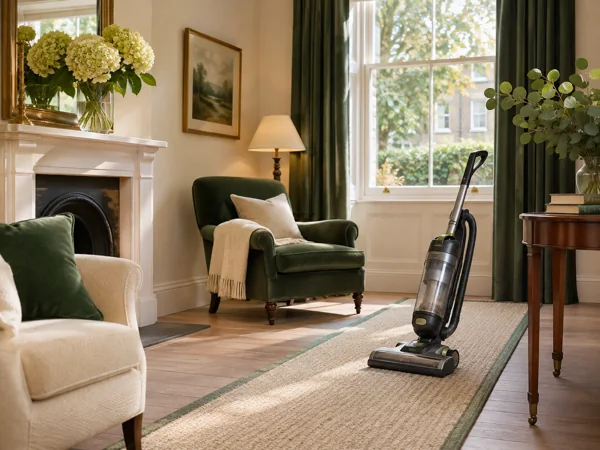
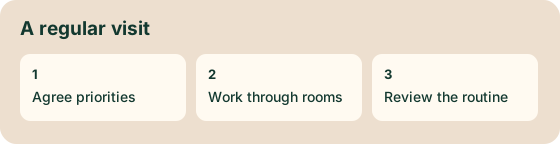
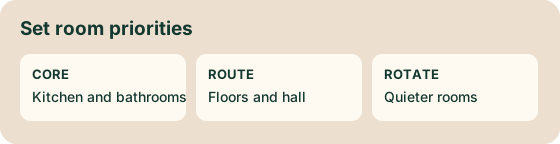
Choose the everyday work that should come first. A shared flat might need the kitchen and living floor ready later in the day, while a household with more rooms wants the main bathroom and entrance free before people get home. Give the priorities rather than the total rooms alone. State whether you want a connected dining floor included and how far the work should go. Offer somewhere to start if a room is occupied. Agree which occasional task can wait if the main work takes longer than you expect.
Show where products and equipment can be reached and the areas to avoid. If you are out, leave a short note using actual room names. Check afterwards whether the order fitted the home. A quieter room can alternate or come earlier if it becomes busy. If the ordinary tasks need more time, discuss that separately before the next appointment. Changing the room order can help if the original time was enough but the relevant door remained closed. Give one person the role of updating the list if several residents share the home.

Agree cooking and dining work that can be reached around the household
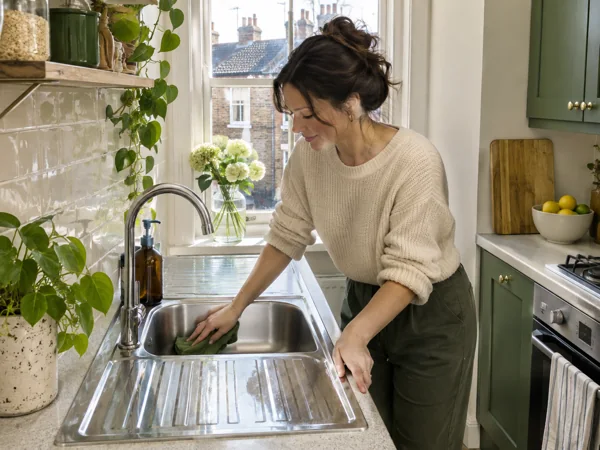
Name the worktop, reachable hob exterior, splashback, sink, taps, appliance fronts and floor you want to include. When the kitchen is used for work or meals, decide which part can be reached and how soon it must be ready again. If a table still has devices, papers or heavy items, clear what you can yourself and mark what stays. Give the correct product for any finish needing distinct care. Tell us which accessible stretches should be included if kitchen, dining and sitting areas share one floor. Explain whether anything can move without disconnecting it.
Give a separate place to start if the kitchen will be unavailable. A room can be returned to later when a table or worktop is clear. Ask separately about the inside of an oven, fridge or cupboard. Give the cavity, fittings or shelf and what will be removed. Discuss whether the extra needs more time or another visit. Keep the kitchen surfaces, sink and floor duties recognisable regardless of what happens to that extra job. Give dates if the occasional job needs to be arranged around an event or change at home.
Use a Finsbury Park landmark as the first part of directions
| Reference | Then send | Confirm directly |
|---|---|---|
| Wells Terrace | Home street, full postcode and door | Who can admit the visitor |
| Station Place side | Access turn or private lobby | Correct entrance and bell |
| Shared step or landing | Private floor and door number | Where equipment can be reached |
Set washroom tasks around the times people need them
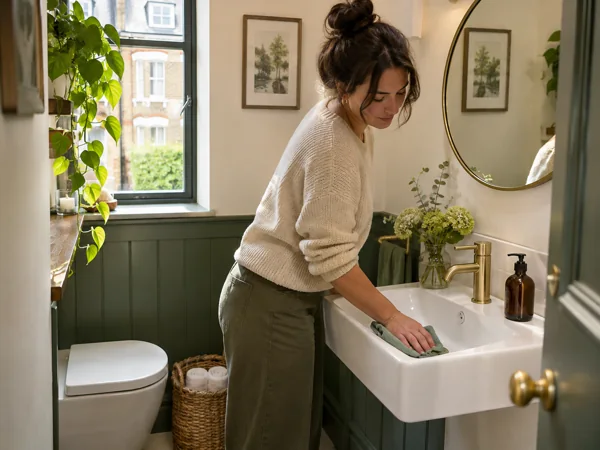
Give the name of each bathroom or WC and which gets regular use. A plan can cover accessible shower or bath surfaces, basin and taps, mirror, WC and a suitable floor. If the main shower is still in use at arrival, offer another room and say when it is free. A small toilet can be a priority if several residents use it. Put a less-used bathroom into a rotation if that frees time for the usual shower. Name a particular product for a fitting that needs its own method and put the labelled bottle in reach.
Clear a space around personal belongings or agree what stays where it is. If a mat or towel change is discussed, give a place for the used one and leave the replacement available. Talk about a persistent mark or heavy deposit on the screen separately, without assuming ordinary wiping would be enough. Identify the panel or fitting and the area affected. Discuss time while protecting the normal basin, toilet and floor work. A clear room order helps you keep the bathroom usable even if a separate job is needed for one part.
Meet Housekeepers Covering Finsbury Park
Tell us your postcode and preferred frequency so the office can check who covers your address.
Get a QuoteKeep ordinary work and individual belongings clear in dry rooms
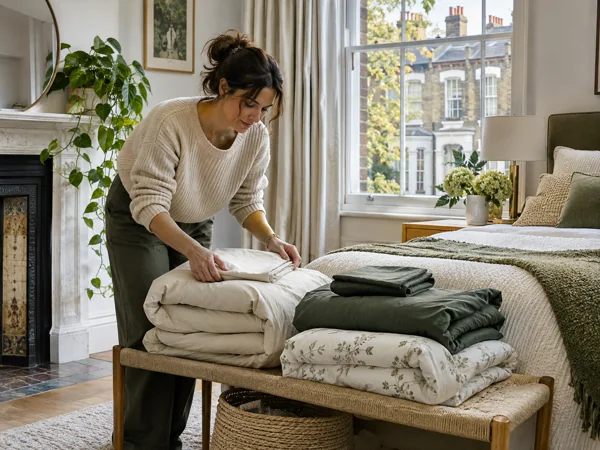
Name the bedrooms that are available and which doors stay closed. Agree accessible surfaces and floor care separately from a change of bedding. If bedding is included, give a complete set for the right bed and where used linen should go. A person working or sleeping in a room can use it while other agreed jobs happen. Let us know when the room will become free or leave it for another appointment. For a home office in a bedroom, give the floor that can be reached without moving papers or equipment.
In a sitting room, mark the everyday work you need around chairs, shelves and tables. Remove fragile objects yourself or tell us which surfaces should stay untouched. Give a boundary near electronics or work at the dining table. Some lightweight things can move by agreement. A rug with frayed edges or a fabric chair needing treatment can be described separately by material and affected part. Ordinary floor work and accessible dusting in the surroundings can stay in the repeating plan even if the separate item is not yet booked.
Plan around rooms still in use
| Occupied area | Begin elsewhere | Return for |
|---|---|---|
| Kitchen table or counter | Bathroom or entry floor | Reachable kitchen tasks |
| Daily shower | Separate WC or hall | Wash surfaces and basin |
| Living room used as office | Unoccupied bedroom or kitchen | Accessible floor when clear |
Follow the private floor from the entrance to where people sit
Identify your private floor after a shared hall or stair. Give the usual walking route, internal steps and landing to include. If a mat can be lifted, choose a place for it while the surface underneath is done. Name the change between timber, tile or carpet and give the right cleaning product or attachment. Point out repairs or loose edging before ordinary work. Tell us when household members need the floor back. A house with front and rear entrances might only need one route at the top of the list. Give the indoor limit if the outside is separate.
Arrange where shoes, bags or equipment can sit while the floor is being cleaned. Tell us if a pet remains and which room or gate should stay closed. Give directions for bowls or bedding in the area. Put the relevant tools where the housekeeper can reach them and say where to return them after work. If two levels use different products, label them clearly. Let us know whether an internal landing should always be included or just used as a route to another room. Mention the private stopping point before any shared stairs.

Choose a regular interval and make important changes visible
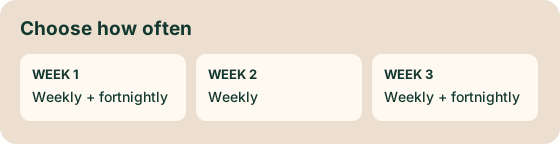
Weekly help may work if preparation surfaces, a shared bathroom and entry floor need attention every few days. A fortnightly visit can suit a household that keeps up with some everyday wiping or vacuuming itself and wants help with other tasks. Give the ordinary work the household already does and which chores tend to build up. Choose a short fixed list and decide what can rotate, such as a spare room or extra washroom. If room use changes around visitors or home working, give the affected date before changing the usual work.
Offer a preferred weekday and one other option. Explain if entry or room availability depends on a resident’s timetable. Ask about a preferred housekeeper while discussing regular availability. Tell us the affected dates if you are away or changing a single visit, and who can admit the housekeeper if that person changes. Confirm when you want the ordinary timing back. Make sure anyone meeting at the entrance knows the exact appointment. Tell them about any rooms that should still be available after you agree a different time.
Confirm supplies and keep optional work independent of the regular list
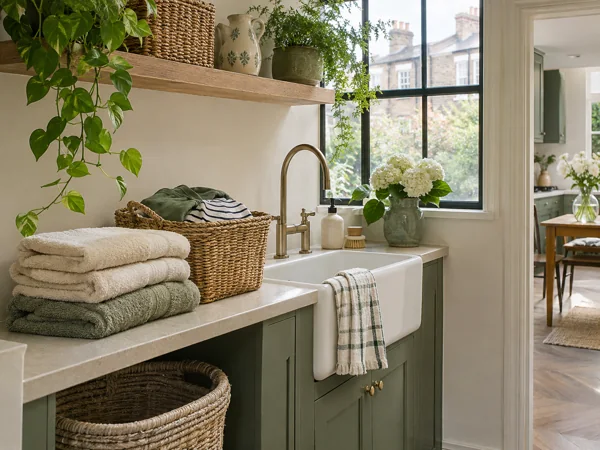
Leave vacuum, attachments, mop or pads and labelled products where the housekeeper can reach them. Identify any product for a particular material and explain where the tool goes back. Let us know if equipment is missing or placed behind a door that stays closed. Choose a reachable spot for it before the appointment. Add a note about personal objects, pet gates and surfaces requiring special products. A supply note can stay with the tools when visits repeat, and you can update it if a product changes or the household puts equipment on another level.
Ask about a distinct occasional job by giving the appliance, fitting, textile or mark. Tell us how much of it needs attention and what will be clear. Provide a date if timing matters. Discuss a separate appointment if it would keep the ordinary room list useful. Before confirming, check the household postcode, authorised entrance, preferred interval and fixed room duties. Give a contact for the person who can respond if a room or access instruction changes, and update the office before the next visit if the property route is no longer available.
Set the private floor boundary
| Surface or area | Work to discuss | Detail |
|---|---|---|
| Mat at private entrance | Ordinary floor around or beneath it | Where it can move |
| Stair runner | Suitable attachment and treads | Loose edge to avoid |
| Kitchen and living floor | Reachable path and changes of finish | Which product goes where |
Quotes for Finsbury Park homes
From £23 per hour. Confirm the rate and visit length for your address when you request a quote.
Get a QuoteRelated cleaning services
- Spring cleaning · Ask about a one-off visit for rooms that need additional time.
- Oven cleaning · List the oven cavities and removable parts when requesting appliance cleaning.
- Carpet and upholstery cleaning · Tell us the material and which areas or pieces you want treated.
- End of tenancy cleaning in Finsbury Park
Local references · Transport for London · Finsbury Park station
Finsbury Park housekeeping questions
Which approach should I mention in directions?
Choose the one that helps orient the visitor, then give your own full address, door and the route to it.
Can I book regular care only for the shared areas?
Yes. Give the list of common rooms and mark any private door or floor beyond the agreed work.
Can a home office remain in use during the visit?
Yes. Give the part of the home that stays clear and name another room to start.
Do I need a separate product for the floor by the front door?
Only if the finish needs it. Tell us what the material is and where the correct labelled product sits.
Can a guest bedroom become available for one appointment only?
Yes. Give the date, access and specific work, and explain which normal priorities should stay.
Can I ask about a chair rather than booking a complete room as separate work?
Yes. Name the chair, material and the place that needs attention. Keep ordinary room work in its own plan.