 Housekeeper
A regular housekeeper for your home
Regular Housekeeping in Camden Town
A terraced home off Parkway and a flat approached from Camden High Street can need the same cleaning jobs in quite different orders. Tell us how to reach your door and which rooms need the most usable result each time. We can then discuss a repeat visit that works around your household.
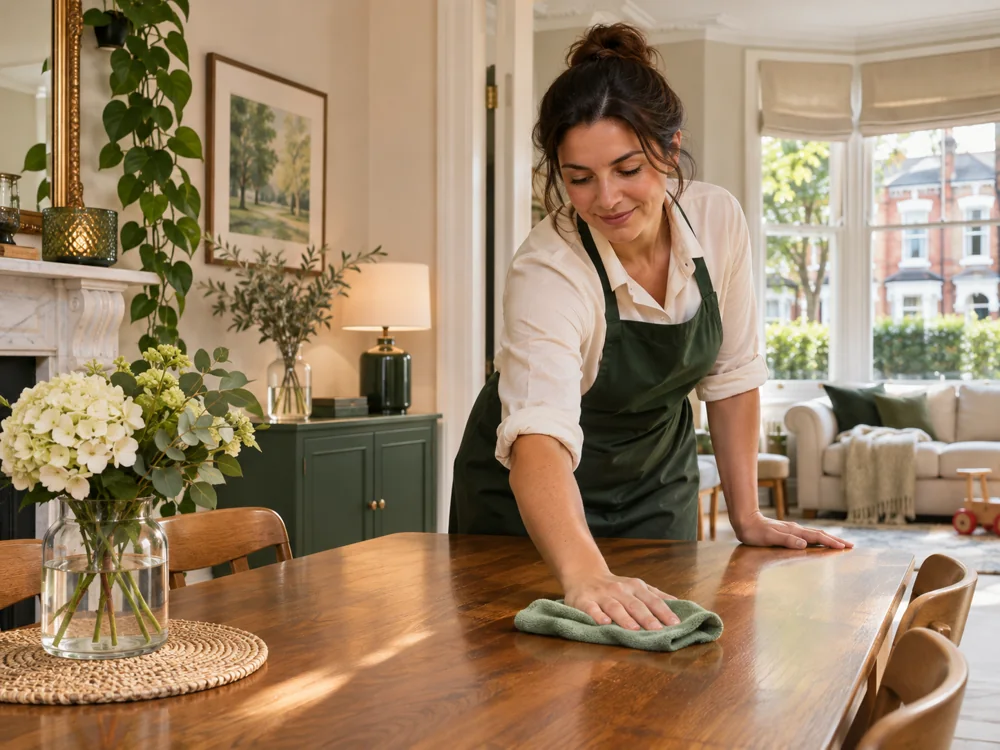
Which Camden Town postcode should I enter?
Use the full postcode for your residential entrance. Tell us if maps send visitors to a shop front or to a separate number on another street.
Can the kitchen be done first?
Yes. Ask us to put it first when discussing the recurring list and identify when you need it available again.
Meet Housekeepers Covering Camden Town
Tell us your postcode and preferred frequency so the office can check who covers your address.
Get a QuoteDescribe the route from the pavement to your own door
Transport for London lists Camden Town Underground station on Camden High Street in NW1. A reference to the station helps when giving directions around the High Street. For a home reached from a quieter side street, add the name of that street and the turn for the correct door. For housekeeping, what matters is the last part of the route. A flat above commercial premises can have its own street number, a side entrance or a bell next to a shop sign that a first-time visitor might otherwise miss. A converted house may have a main front door shared by several flats and a lower door down steps. Include the entry that reaches your home, the number on the bell and the level at which you will meet.
If you enter through a shared side path, tell us where its gate is and which part of the route is available to a visitor. You can send a short description of the street-level door without sharing a private code in the enquiry. Agree how a code, key or concierge instruction will be handled privately once a visit is arranged. Mention uneven steps, a narrow staircase or a door with a stiff closer if they affect how equipment can be brought in. Tell us if the equipment is already kept by the entrance or on another floor.

Set an order for the first appointment
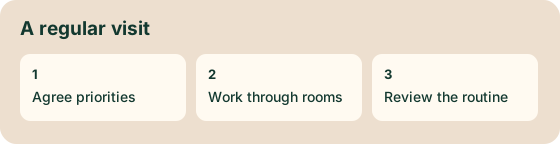
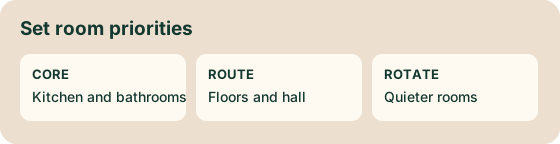
On the first visit we can discuss a short sequence instead of handing over an unranked list. A kitchen, the main bathroom and the floor through the entrance often make a useful starting point. For a flat with one long communal room, say whether cleaning the cooking area includes the dining table and the route to it. For a house spread over several floors, identify the bathroom that serves the most people. Put second-choice jobs on a separate line so they can be reached if the agreed priorities fit comfortably.
If you can meet the housekeeper, a brief walk through the rooms can settle questions about cupboards, fragile possessions and which products to use. If you will be out, leave a simple written list with the rooms in order. Make clear which doors should stay shut. After the visit tell us if a particular room took longer, an instruction was unclear or the order left a room unavailable at the wrong time. We can then discuss moving a job, alternating two areas or revising the length of the appointment.
Clean the kitchen around the work surface you need
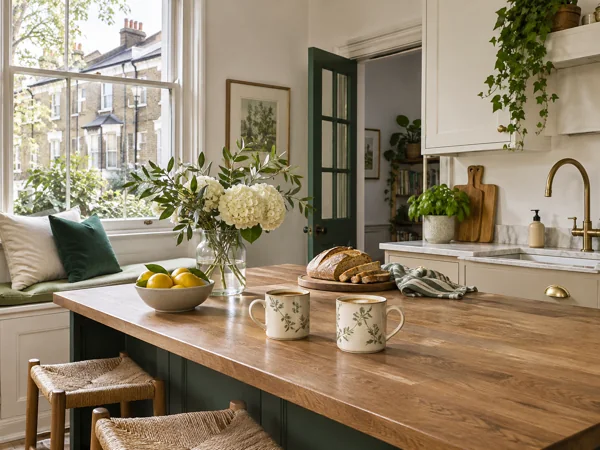
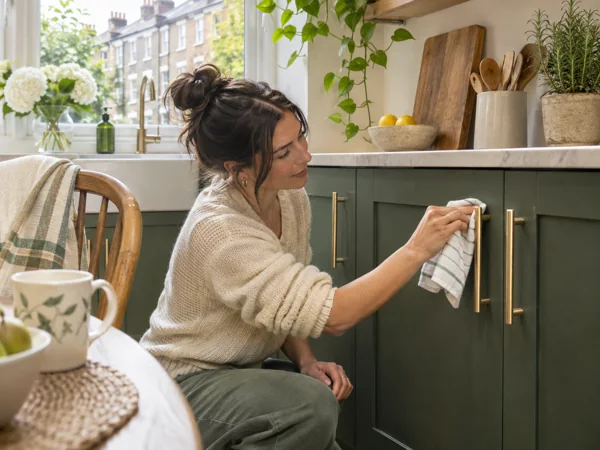
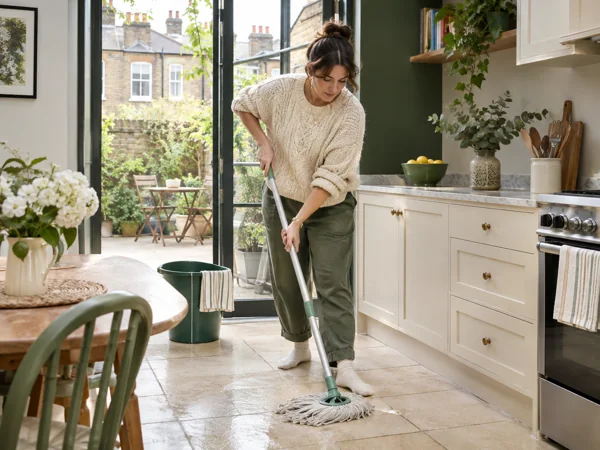
An agreed kitchen clean can include accessible worktops, the outside of the hob, splashbacks, sink and tap, and the floor. Start by telling us about anything you want moved before wiping. A removable draining rack can be put aside if there is space. A full appliance shelf, a stack of hot pans or a plugged-in mixer may need to stay where it is. If you want the surface under a particular object reached, clear that space first or check what can be moved without risk. Mention if part of the worktop needs the particular product supplied by the fitter.
A compact kitchen can be useful again sooner if the housekeeper finishes the preparation area before moving to the washing-up end. If your dining table doubles as a work desk, agree whether it should be wiped when you finish a call or left alone for that visit. Oven interiors and appliance interiors take separate time. When you ask for one of those jobs, explain whether the normal cooking surfaces still need their usual attention that day. The office can then discuss a separate appointment or an adjustment to the recurring list.
Start-of-visit instructions
| Where | Point out | Agree before work starts |
|---|---|---|
| Shared entrance | Bell and private floor | Who meets the housekeeper |
| Hall stair | Runner and bare edges | What belongs on the list |
| Kitchen worktop | Appliances that must stay put | When the surface is needed again |
Keep the bathroom schedule clear in a shared home
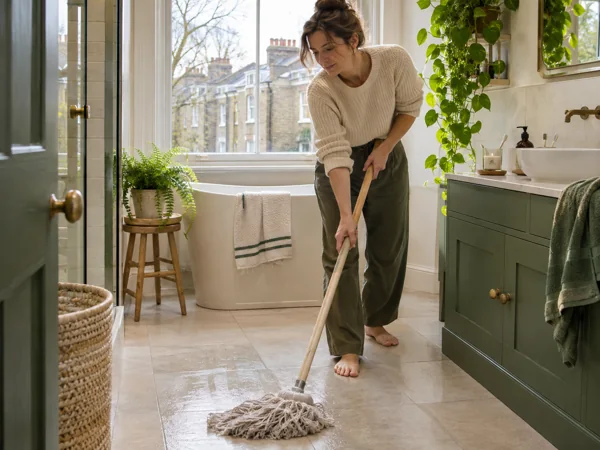
If the bathroom is shared, allow a time when the housekeeper can reach the basin, WC, shower or bath, mirror and floor without someone needing to come through. A shower that has just been used may be better placed later in the order so you can get ready first. If an extra WC sits off the hallway, include it explicitly instead of assuming it is counted as the main bathroom. Tell us if taps have a specialist finish and what product you already use on them.
A glass screen with ordinary splashes can be part of the repeat list. A screen with heavier deposits is a different discussion and might need more time than its weekly wipe. Avoid leaving medication, razors or other personal items where they block the surface you want cleaned. If a storage tray can be moved as one piece, say where to return it afterwards. For bathrooms in older conversions, identify any floor that should be left dry or treated only with a particular product. A short note is more useful than a list of generic product preferences.
Agree the bedroom and sitting-room boundaries
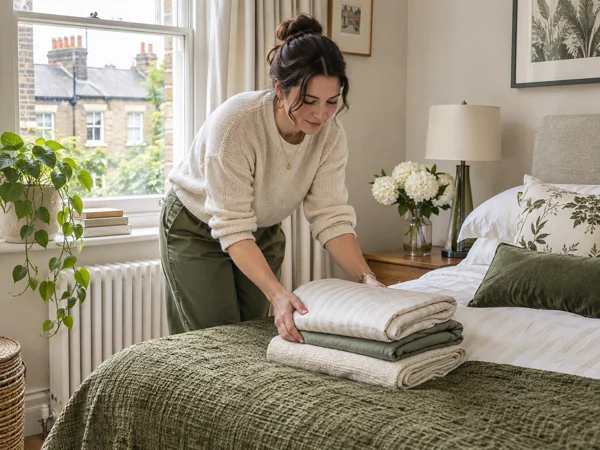
In a bedroom, accessible surfaces and general vacuuming may be enough for the normal visit. If you also want a bed changed, leave a full set of linen together and identify the size or the room it belongs to. Ask where used bedding should go. For a room occupied on the cleaning day, agree whether the housekeeper can do the floor at a different time or should leave the room for the next appointment. Small details like a door that must stay closed or a plug that must remain switched on are worth putting in writing.
A sitting room can be organised around the seating area, shelves and route used most often. Tell us which tables are safe to wipe and where you prefer ornaments, electronics or papers left as they are. Consider alternating a bookcase with a lesser-used bedroom if the kitchen takes most of the visit. Where a rug has loose fringes or a cleaner is kept on a different floor, say so when describing the equipment. Specialist fabric cleaning needs a separate enquiry that identifies the furniture and the material or label if known.
Follow the different floors from entry to landing
For a home with several levels, let us know which stairs and landings belong to the household and which are communal. Confirm whether your recurring list includes the entrance mat, the stretch beside the stairs and the floor underneath a narrow console. Separate finishes in the note, particularly at transitions between timber, tile and carpet. Leave your preferred supply where the housekeeper can identify it. If you keep a vacuum on each floor, show which one is meant for carpet and which attachment you use around corners.
At a shared entrance, arrange where muddy footwear and umbrellas can stay while the hall is cleaned. If members of the household regularly come and go, identify a time when the floor can be dry before the busiest period. Agree where to put a movable mat once the floor underneath is finished. For stairs with a fixed runner, let us know if you normally use a handheld attachment on the uncovered edges. Describe a repair, loose threshold or worn strip before asking us to work around it.
Decide what can rotate in NW1
| Job | Repeat when | Rotate when |
|---|---|---|
| Main bathroom | Used daily by several people | Second bathroom has lighter use |
| Sitting room shelves | Accessible and regularly dusty | Spare room takes priority this time |
| Hall and kitchen floors | Used on every route indoors | Only peripheral rooms need less attention |
Fit weekly or fortnightly visits around the household
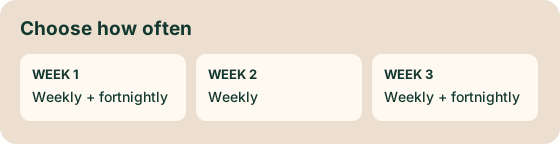
A weekly visit can keep repeated jobs such as the kitchen surfaces, main bathroom and entrance floor on a steady routine. A fortnightly arrangement can work when the household maintains those areas in between and mainly needs a return to a manageable baseline. Discuss what you would keep on every visit at either frequency. Instead of trying to fit every dusting task into a single recurring slot, hold a separate list of items that can rotate. For a shared home, agree which person can confirm changes and who checks that the list still reflects the way the rooms are used.
Name a preferred day and alternatives when you get in touch. A household working on shifts might care more about a part of the day than the day itself. Explain any known exception, such as a regular meeting in the living room or a child coming home mid-visit. If you want a particular housekeeper, ask while discussing availability and give an alternative time you could accept. Before leaving the property unattended, confirm who can give access and what should happen if that arrangement changes.
Prepare supplies and ask for occasional jobs separately
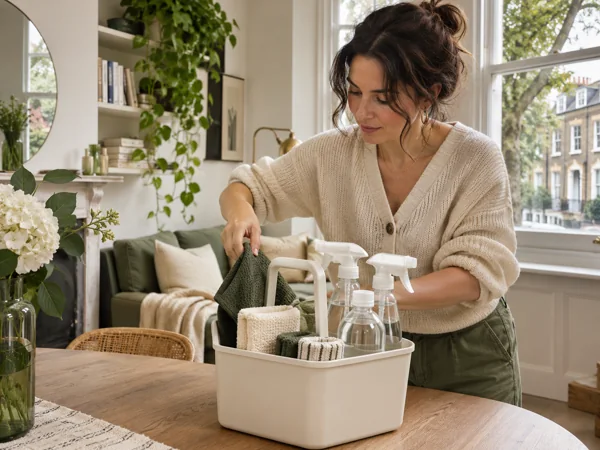
For the first appointment, note the supplies already at the address and anything you want us to discuss before coming. Name the finish rather than relying on the colour of a bottle, and keep labels visible. Show which cloth belongs in the bathroom and which you use on glass. If the vacuum has a special setting or a detachable attachment, leave it where it can be reached. If there is a pet, explain where it will be during the visit and whether a gate or room door must stay shut.
Describe occasional jobs with the same care you give the regular list. Cleaning a cupboard interior is easier to discuss if you tell us whether it will already be emptied. For an oven, identify any extra cavity and the fittings you want assessed. For marked upholstery, tell us which item and which side are affected. If one of these jobs matters for a particular date, say when. The office can then discuss the separate work without displacing the next routine visit by default. Before confirming your booking, check that access, timing and any preferred products are all recorded for the right address.

Put specialist jobs into a separate enquiry
| Item | Send with the enquiry | Why it helps |
|---|---|---|
| Oven cavity | Model and number of cavities | Different fittings can change the work |
| Loose rug | Fibre label or a photo | Shows which method to discuss |
| Sofa stain | Affected seat or cushion | Avoids treating the wrong fabric panel |
Quotes for Camden Town homes
From £23 per hour. Confirm the rate and visit length for your address when you request a quote.
Get a QuoteRelated cleaning services
- Spring cleaning · Ask about a one-off visit for rooms that need additional time.
- Oven cleaning · List the oven cavities and removable parts when requesting appliance cleaning.
- Carpet and upholstery cleaning · Tell us the material and which areas or pieces you want treated.
- End of tenancy cleaning in Camden Town
Local references · Transport for London · Camden Town Underground station
Camden Town housekeeping questions
What if my address is listed on the High Street but the entrance is elsewhere?
Use the full postcode and give the street and bell for the residential entrance. Arrange any private access details directly before the agreed visit.
Can the housekeeper come later while I work in the kitchen?
Tell us when the room becomes available and which other room could be done first. Ask about a different time if the order alone cannot resolve it.
Do I need to include the downstairs loo in my list?
Yes. Mention it separately from the main bathroom so time can be allowed, even if it is just a small cloakroom.
Can one person change the list for a shared household?
Give us the name of the person who can agree changes and make sure everyone knows which private rooms stay outside the work.
My vacuum is upstairs and the entrance is downstairs. Should I move it?
Say where it is stored and which floors or attachments it serves. Tell us if the stairs or the shared entrance make it hard to move equipment.
Can I book occasional oven cleaning alongside my regular housekeeping?
Describe the appliance and the job separately. Ask what can be arranged while keeping the usual kitchen cleaning in the recurring visit.