 Housekeeper
Practical care for every room
Regular Housekeeping in Barnet
Plan regular housekeeping around the spaces you want taken care of in your Barnet home. Let us know the correct entrance, room order and which parts of the home are free first.

Can Barnet Hill serve as a reference?
Yes. Include the full home postcode, actual entrance and location of the door or bell.
Can we keep floors and stairs on the repeat list?
Yes. Name the private route, runner and floor changes to include.
Give the housekeeper a route beyond Barnet Hill
Transport for London puts High Barnet Underground station on Barnet Hill in EN5. If a nearby address is described using the station or hill as a reference, give the full domestic postcode and the turn to the home from there. A house can use a side gate or have its door at the top or bottom of a path. A flat may be reached through a different entrance from the building number shown on a map. Give the address as it appears on the sign or bell and the private level or door, including any turn once inside.
Confirm who can admit the housekeeper and when. If another resident or building contact will help, confirm the date, door and time. Discuss any sensitive access arrangements directly. Tell us if the entrance involves steps or a narrow turn and whether equipment is kept in the property. A house with tools on several levels can have a separate note for where the vacuum or mop lives. Give the place to reach them without entering an occupied room. Notify us if a particular appointment must use a different door so the normal directions are not relied on.
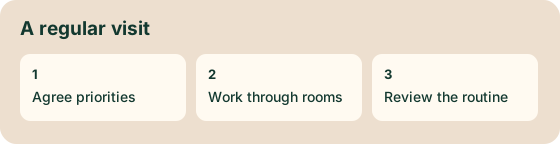
Make the first visit clear by naming the priorities and time points
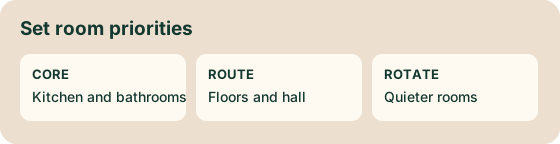
Pick the work you want done when the housekeeper leaves rather than giving an unfocused full-house list. It might be the kitchen and daily washroom, or the floor along the entry and stairs that collects work first. Give the room order and what you could leave for another appointment. If a resident uses the kitchen or bathroom in the first part of the visit, give a room that is free. Explain what belongs in each space, where floor work ends and which possessions should remain in place. Leave enough detail to recognise the plan after the work.
Show where equipment is and which product to use where, or leave a short note. After trying the first list, tell us what worked and which room needed more time. Consider whether changing the order will help an occupied area become available. Rotate a quieter room rather than removing time from a higher priority. If the ordinary tasks do need longer, discuss what length or time can work. A home with several levels can often benefit from planning the equipment route before deciding to make the whole visit longer.
EN5 directions for the actual home
| Nearby reference | Then give | Arrange directly |
|---|---|---|
| Barnet Hill | Own postcode, entrance and side street | Who admits the housekeeper |
| Home behind steps or gate | Door label and direction from street | How equipment can get in |
| Shared flat entrance | Private level and turn | Whether separate door permission is needed |
Set a kitchen route through the worktop, sink and floor
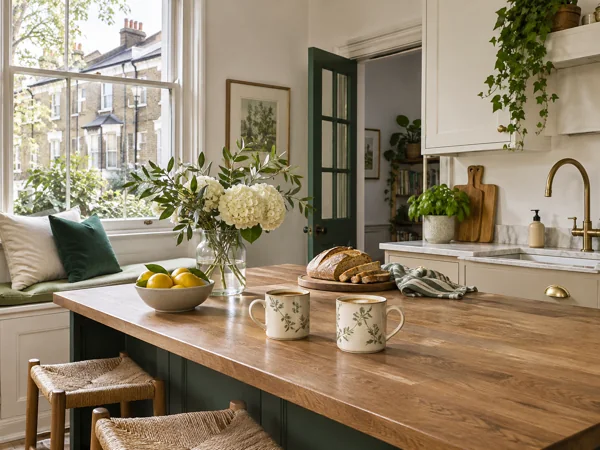
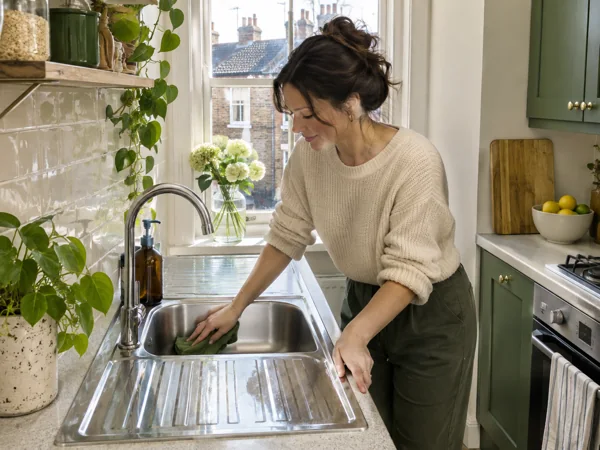
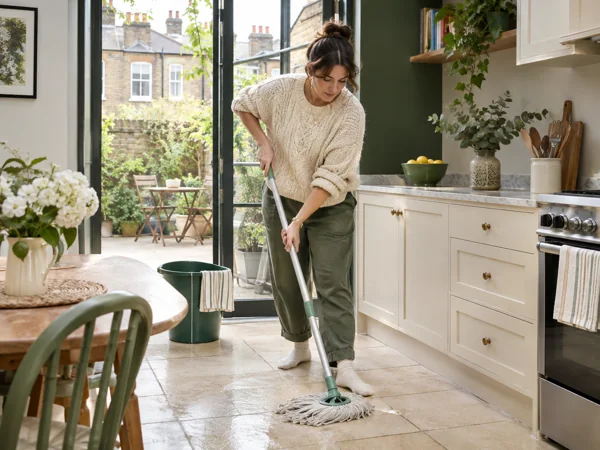
Agree accessible worktops, splashback, sink and taps, reachable hob exterior or appliance fronts and a suitable floor. Say if the kitchen opens into a dining area or the floor to a side door needs to stay in the same list. If somebody works at a table or prepares food while the housekeeper is there, choose a clear place to start. Give the time a counter needs to be usable again. A worktop with a special finish can have a named product. Leave it visibly labelled and identify which stretch needs it.
Move heavy or sensitive things yourselves or state what the housekeeper works around. Agree if a small item can move and where it goes afterwards. Ask separately about a cupboard shelf or further work inside an oven or fridge. Give the exact part and what will be empty first. Explain how the task could affect access to the kitchen. Ask about more time or a separate appointment instead of assuming the everyday work can all fit around it. Keep the standard accessible kitchen and floor work easy to identify whichever way the occasional job is discussed.
Give washrooms separate priorities according to use
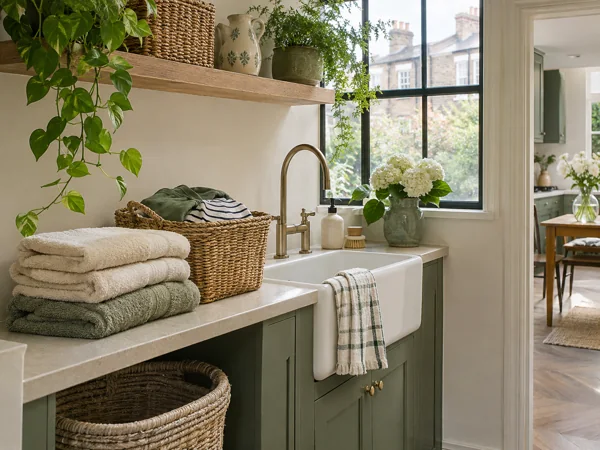
Name the main bathroom, shower or WC and when it is free. A recurring clean can cover accessible bathing surfaces, basin and tap, mirror, toilet and a suitable floor in the rooms you agree. A smaller washroom can become a useful starting place while the main bathroom is occupied. Say whether an extra shower room is used enough to stay on every appointment or should rotate. Identify any fixture that needs a specified product. Give the time the housekeeper can return to the main washroom and when it must be available again.
Clear personal items from a ledge if you want the whole surface reached, or state which part can be worked around. Give a replacement mat or towel and a place for used ones if changing them is agreed. A heavier mark on a screen or fitting may need another discussion. Identify what part is affected and ask beforehand. Keep the everyday basin, shower and WC duties visible so an additional request does not leave the usual priority room unclear. Give the relevant date and the part of the room you need ready first.
Plan bedroom and sitting-room work without interrupting private use
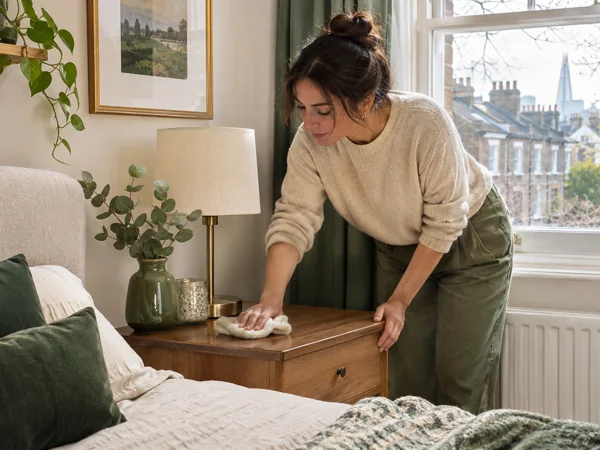
Identify which bedrooms the housekeeper can enter, the reachable surfaces and floor in each and what you want left alone. If you discuss fresh linen, leave a complete set in the right room with a place for used sheets. A bedroom used for work or sleep during the day can come later or stay closed. A guest room can alternate or only appear before someone stays. Name the door and its position if several rooms are similar. Tell us where to stop ordinary work around papers, devices or items on a bedside table.
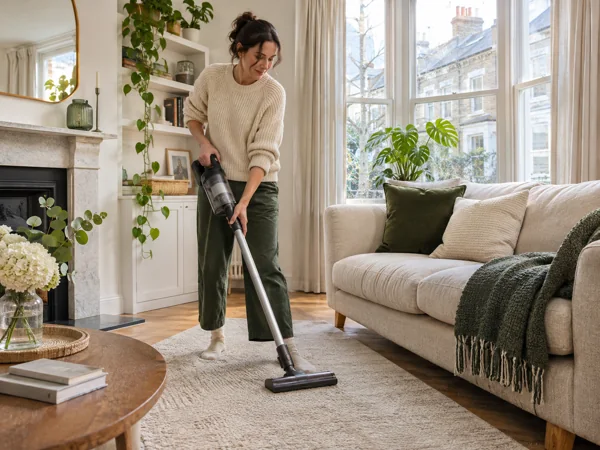
For the sitting room, give the main floor route and the accessible shelves and side tables you want reached. If you prefer to move fragile belongings yourself, do so before asking for the surface beneath them. Tell us which lightweight item, rug or mat can move and give a place to return it. Identify any cords or loose rug edges to leave untouched. Ask about individual fabric jobs separately with their label, material and affected area. Regular dusting and floor work can continue around a seat even when the textile needs more consideration.
Plan everyday room work that takes priority
| Daily use | Fixed task | Can change with use |
|---|---|---|
| Main kitchen | Reachable worktops and floor | Occasional empty cupboard |
| Daily washroom | Basin, WC and accessible shower | Guest bathroom on selected dates |
| Hall and stairs | Private path and runner | Other room floor when available |
Meet Housekeepers Covering Barnet
Tell us your postcode and preferred frequency so the office can check who covers your address.
Get a QuoteFollow the private entrance floor and indoor steps you actually use
Describe the route from the domestic threshold, including private hallway, stairs, landing and any rear door floor you want reached. Give the point where communal space ends. A runner may have exposed edges and a hall can turn from tile to timber or carpet. Identify the relevant product, pad or attachment and flag a repaired board or loose strip. Say if a mat can be moved and where to put it while the floor beneath is done. Give the housekeeper the route from the main tools to other floors as part of the plan.
Tell us when the floor needs to stay clear or be usable again. Put bags and shoes out of the way when possible. If an animal stays in the home, confirm the room and door or gate that should remain shut. Say what should happen to its bowls or bedding before the housekeeper reaches them. Give the return places for tools that belong on separate levels. Identify a threshold, inner floor or outside steps you do not want included so ordinary work follows your priorities without assuming every surface across the entrance is the same.
Choose a regular frequency that fits what the household maintains itself
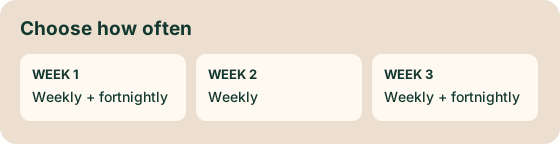
Weekly help can be useful when cooking, bathing and foot traffic leave the same rooms needing attention after a short time. Fortnightly care may fit if the household does ordinary wiping or tidying between appointments and wants recurring help on particular areas. Tell us which jobs build up and what you already do. Give a few fixed jobs, then a room or group of surfaces able to alternate. If that space is used as an office or by visitors for a short period, decide if its order should change for affected appointments.
Send your first choice of day and another that works. Tell us if a room can only be reached at a particular point or if getting access depends on somebody else. Ask about a preferred housekeeper when discussing available days. For a holiday or changed visit, give the date, which contact will handle entry and any changed room priorities. Confirm when the normal arrangement should resume. Make sure the person at the address knows the new time and how the housekeeper can reach the correct door.
Confirm the equipment and describe any occasional job separately
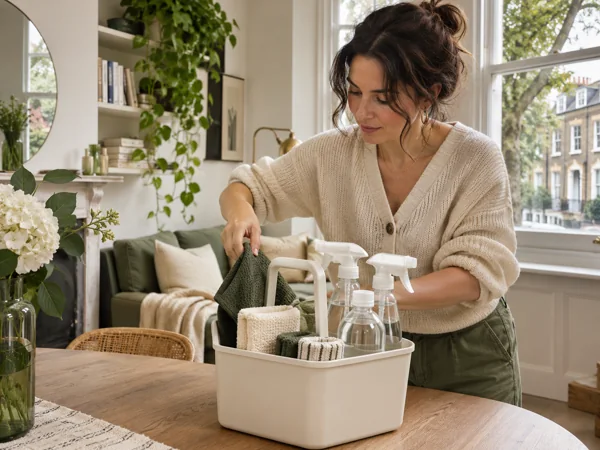
Give where labelled products, appropriate cloths, vacuum attachments, mop or pads are kept. Name if a tool is charged on another floor or the usual storage is in a room that remains private. Choose where it should be available and returned. If a product or tool is not available, discuss it ahead of the appointment. Use a note to mark anything a housekeeper should avoid, along with pet and entry instructions. Keep information about the equipment where they can find it without searching for private belongings.
Give any additional job its own details. For an oven, name the cavity and fittings. For a rug or fabric seat, identify the material and the mark or affected part. State what will already be clear and the date if timing matters. Discuss whether it needs an independent arrangement. Before proceeding, verify the home postcode, authorised entrance, preferred interval and the ordinary room work. Give the office one contact who can respond to a timing or access question and let them know if a different person will be at the home.
Give where floor materials change
| Floor or route | Tool to show | Tell us |
|---|---|---|
| Indoor threshold | Pad or vacuum attachment | Place to put mat temporarily |
| Stair with runner | Different head for tread and edge | Loose or repaired area |
| Timber to carpet | Correct tools for each | Point at which the finish changes |
Quotes for Barnet homes
From £23 per hour. Confirm the rate and visit length for your address when you request a quote.
Get a QuoteRelated cleaning services
- Spring cleaning · Ask about a one-off visit for rooms that need additional time.
- Oven cleaning · List the oven cavities and removable parts when requesting appliance cleaning.
- Carpet and upholstery cleaning · Tell us the material and which areas or pieces you want treated.
- End of tenancy cleaning in Barnet
Local references · Transport for London · High Barnet Underground station
Barnet housekeeping questions
Should I give High Barnet station before the residential address?
Give the complete residential postcode and actual door. Mention the station only as a starting landmark.
Can tools stay on the floor where people normally use them?
Yes. Tell us exactly where they are, what finish they are for and where they should be returned.
Can a guest room alternate without changing my first two rooms?
Yes. Name the regular tasks and the occasional room, and tell us when it can be reached.
Should I leave a product for a particular worktop finish?
Label it clearly and identify the exact part where it should be used.
How do I keep a family bathroom clear until somebody has finished getting ready?
Agree another starting area and give when the bathroom can be reached and used again.
Can I include an oven interior in a separate enquiry?
Yes. Give the cavity, fittings and timing and keep ordinary kitchen surface work on the regular list.