 Housekeeper
Signature care for well-used ovens
Oven Cleaning in Fulham
Arrange oven cleaning in Fulham around the layout of your kitchen. Show which oven, grill or range compartment you want assessed, and list any accessories that belong with it. Explain the visitor route and the next time you need to cook when discussing the appointment.
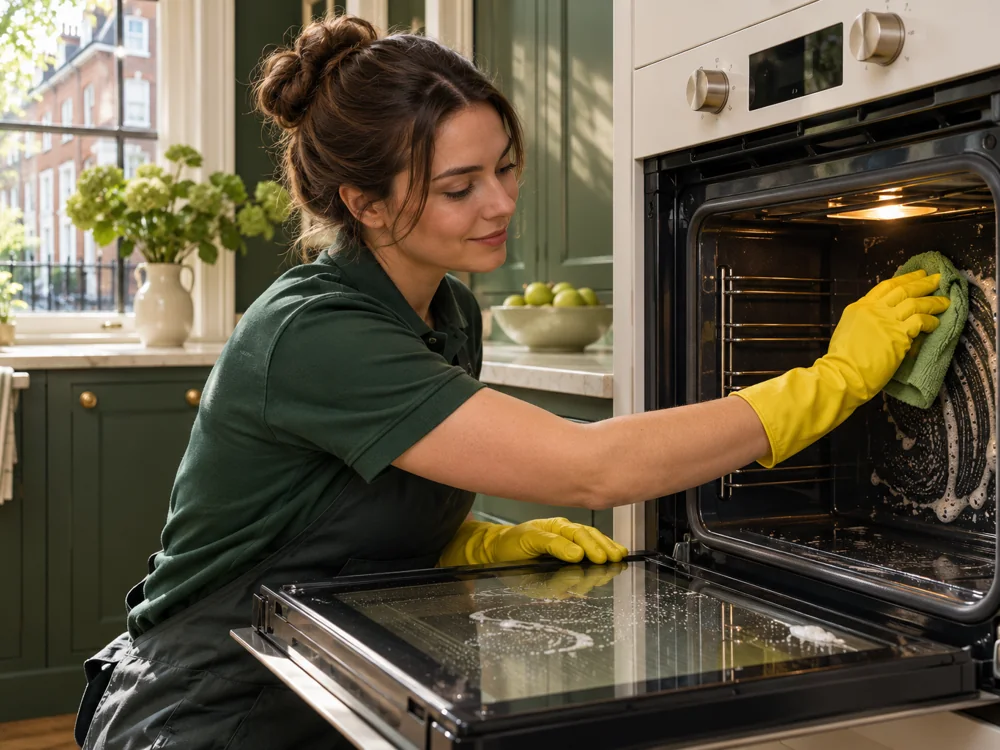
Can I request a fitted oven clean for a Fulham flat?
Yes. Give the full postcode, building label, access instructions and number of cavities you wish to include.
Can I ask about a separate hob or hood?
Yes. Describe those appliances on their own lines with the finish, filter or removable parts.
Identify the oven among the other kitchen fittings
A fitted oven can look interchangeable with the matching appliance beside it when both have the same handle and control panel. Mark the door you want assessed in an overall photograph. Then show the part you are concerned about with the oven cool. If it is a two-cavity appliance, give the positions of the main oven and smaller oven or grill. Shared controls are worth including in the picture. Give the model from the appliance paperwork or a visible label and leave the cooker in its normal fitted position.
If a range has three or more similar doors, say what is inside each one. A warming compartment, storage drawer and separate grill need to be identified by use. Describe which parts you want to include and which you still need for cooking. A mention of replaced trays or racks can help separate the original equipment from pieces that have a different coating. If you have a second oven on the opposite wall, include its make and describe it separately when it is also a priority.
- Show the whole bank before photographing a single door.
- Identify the purpose and position of each compartment.
- Give the model for any other oven in the kitchen.
Give Fulham directions to the correct street entrance
Transport for London lists Putney Bridge station on Station Approach in SW6. If you use the station for orientation near that part of Fulham, include the complete postcode for your own address and confirm the entrance you expect visitors to use. Where two developments share a driveway, describe the building label on the door and any intercom the technician needs to use first. For a house divided into flats, specify which level and entrance are linked to the kitchen, rather than relying on a number plate shared by the whole property.
When visiting access goes through a reception or courtyard, confirm the route with the building manager. Explain where unloading can be agreed and how somebody can reach the relevant entrance from there. A walk through an underground parking area can lead to more than one lift core. Name the right one and mention any doors that need the resident to open them. For a kitchen one level below the hall, say where the steps begin and whether the space at the bottom gives a direct approach to the appliance.
- Confirm the building and intercom label.
- Describe any alternative entrance from the unloading point.
- Include the correct lift and level changes.
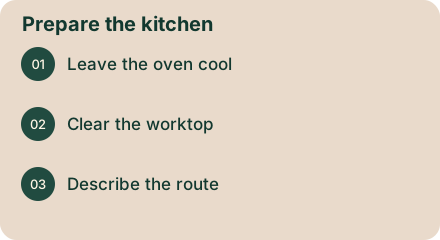
Tell us which cooking marks deserve a closer look
Focus on what you noticed first. For example, residue on the underside of a grill tray may only be visible when the tray is out, while a patch on the lower oven floor can be easy to see from the kitchen. Describe any spill and where the dish was placed. If the oven was used again after the spill, say what happened. Explain whether you normally use the lower shelves or cook several dishes at once, since shelves can hide parts of the cavity in a photograph.
A hard dark patch can be food residue, discolouration or a change in the finish. An assessment helps establish the likely treatment before work starts. Tell us about oven sprays or programmes already used, including when and where they were applied. If you have the instructions for a self-cleaning or catalytic lining, share them with the model information. Show any peel or chip in the enamel, and report known faults separately before the visit. Refer issues with heating or door operation to an appliance specialist.
- Locate specific marks rather than describing the entire oven as stained.
- Mention recent sprays or cycles.
- Identify affected coatings and existing wear.
Tell similar appliance fronts apart
| Part | Photo or note to send | What to confirm |
|---|---|---|
| Upper door | Model or control arrangement | Grill or oven cavity |
| Side cabinet | Shared or separate controls | Additional appliance to assess |
| Range drawer | Use and position | Whether a warming compartment is included |
Match shelves, trays and fitted supports to their own cavity
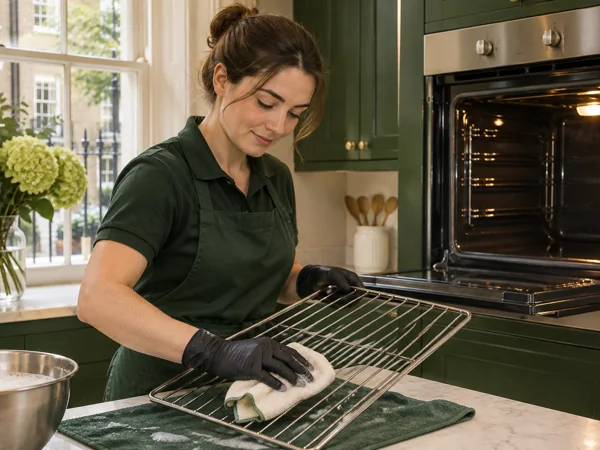
A new apartment can come with a rack from another appliance stored underneath the oven. If yours does, keep that piece separate from the items you want to discuss. Identify any grille, pan or extra shelves bought later, and mention where you use them. Suitable removable components can be cleaned separately and may be soaked in a dip tank. Material, condition and coating help determine the treatment. A thin enamel insert and a wire rack that normally goes with it can each need their own check.
When the oven has cooled, take out ordinary cookware, food and loose foil. Leave unfamiliar fixed pieces and any shelf that catches on a runner in their current positions. Tell the technician if a shelf has to be raised or if the rails occasionally move unevenly. If you have two matching ovens, label the loose accessories for each before they are moved. Make the requested pieces available beside the correct appliance list and mention any finish or wear that may affect how they can be handled.
Describe inner glass and nearby trim separately
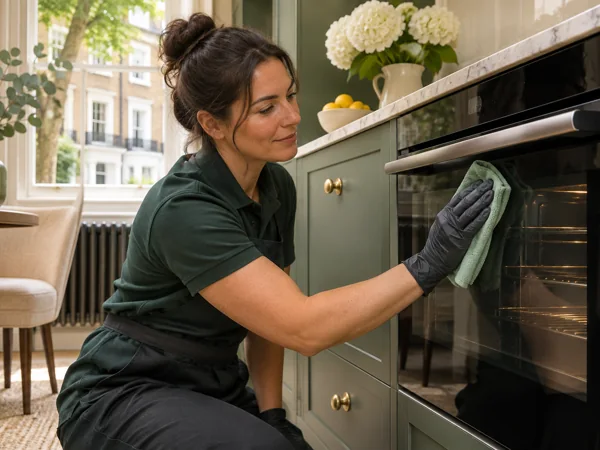
A visible film on glass can be on the kitchen side, inside the oven or further within the door. Note where you see it from and whether it shows up only when it catches light. Take a photo if the mark is easy to capture, without removing the glass yourself. Tell us if the door has replacement panes, the trim has loosened or the hinge has felt different. The technician can look at the appliance design and condition to determine which glass surfaces can be reached.
A kitchen with lacquered cabinets or brushed metal trim nearby may need separate consideration around the oven opening. Identify any surface you want looked at beyond the interior cavity, and show its position relative to the hinge or handle. If the paint or printed lettering is already worn, point that out. An outside panel can be easy to miss if the original enquiry only covered the glass at the back of the door. Ask for the work you want to be discussed clearly before the appointment.
- Compare visibility with the door open and shut.
- Mention any previous work to the door and its trim.
- Identify delicate surrounding finishes.
Decide which neighbouring appliances should be in the quote
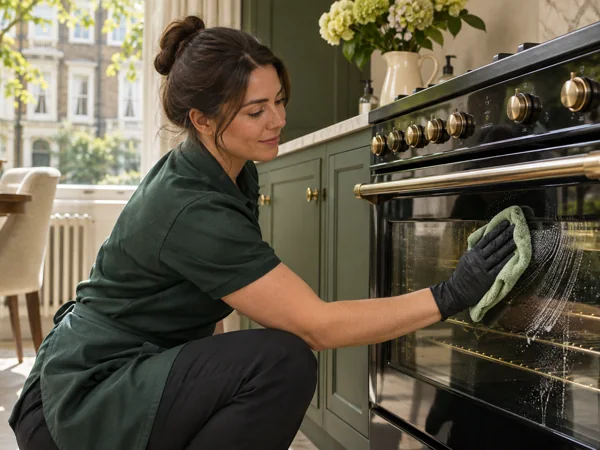
A hob may need separate assessment because its surface, controls and removable elements can have different construction from those of the oven. Tell us if it is gas, ceramic, induction or another kind. If you want pan supports, burner caps or a griddle looked at, list them in the enquiry and mention any worn coating. For a ceramic hob, a photo from above can show a patch around one zone or along the edge, in addition to any marks around the touch controls.
The extractor might be fixed underneath cabinetry or mounted on the wall independently. Describe its position and finish and the approximate height over the hob. If you know the filter type, identify it. A disposable insert has different considerations from removable metal mesh. Mention if you want the external cover assessed as well as the filters. List the hob and extractor separately from the oven and check what can be agreed for the named surfaces before confirming the work, particularly where access around a canopy is limited.
What to discuss about parts and finishes
| Item | Observation | Point for assessment |
|---|---|---|
| Grill insert | Grease underneath or chip at the edge | Treatment based on its finish |
| Door glass | Streak inside or deeper in the door | Access to the affected surface |
| Lacquered trim | Wear near the hinge | How to handle nearby surfaces |
Fit the visit into the running of the kitchen
Leave the requested oven cold and clear of food or pans, and move loose items away from the surrounding worktops. Look at the path people use when the oven is open. In a narrow kitchen, a stool or table can block part of the working area even if it normally stays several steps away. Tell us if an adjacent appliance needs to be reached during the visit. Agree a place to look at accessories and keep children and pets clear of the kitchen while work is under way.
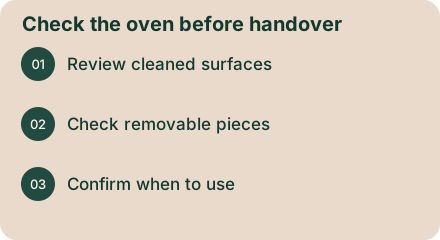
Tell us when you plan to use the oven again. If the room is used for family meals, let others know about the appointment before they start cooking. Discuss any power or water requirements ahead of time, especially if unrelated kitchen work affects the taps or sockets. When the visit ends, ask which parts were treated and when the clean oven can be used. Arrange to pass that information to the next person cooking, along with any advice on replacing a tray or shelf in the right cavity.
- Leave a clear kitchen approach and worktop.
- Mention any planned use during or after the visit.
- Arrange a handover for the person who next cooks.
Check the listed appliances against the booking
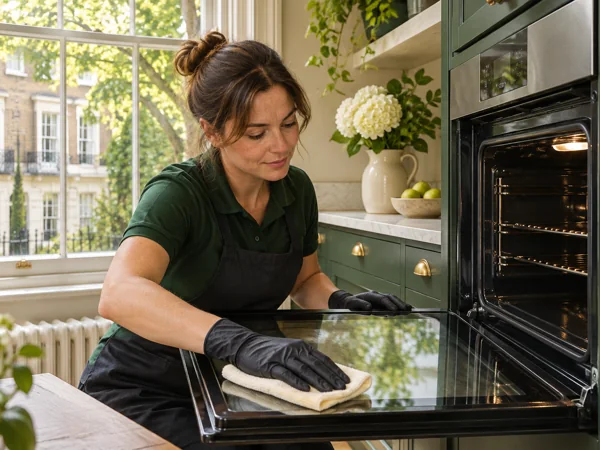
Use the postcode enquiry to bring together the full address, photos and item list. Tell us which appliances and accessories you would like assessed at the same appointment. Name your priority cavity and the marks, coating or finish you know about. If someone other than the cook is providing entry, share the list with them. Ask that person to show the actual kitchen and any separate grill tray or spare parts, including pieces you set aside in another room.
For an oven clean before moving home, compare the property inventory with the actual cooker and ask what the owner means by any general entry for kitchen appliances. Agree any work on the hob and extractor separately. If keys will be transferred, set a time for entry and handover and keep the contacts current. Check the quote before finalising the arrangement, and tell us about changes in the route, oven condition or timing so the agreed details can be reviewed where needed.
Describe the approach from the street to the kitchen
| Location | Send this | Confirm this |
|---|---|---|
| Property entrance | Full postcode and visible label | Actual visitor approach |
| Shared access | Correct lift and floor | Who can release the internal door |
| Kitchen | Work area beside cooker | When the cooker needs to be used |
Get an oven cleaning quote in Fulham
Request a quote with the oven type, number of cavities and any extra appliances.
Get a QuoteOther Cleaning Services in Fulham
Local references · Transport for London – Putney Bridge Underground Station
Fulham oven cleaning questions
How do I identify the top appliance?
Give the control layout and tell us what it does, such as grilling or warming dishes.
Can you assess a worn mark next to the door?
Show it before work starts. The technician can discuss which part of the surface is affected and whether treatment is appropriate.
Do you need access to spare trays in another cupboard?
Set out only the pieces you want considered and identify which oven or grill they fit.
Will a clean solve an oven that does not heat properly?
Discuss cleaning around known faults when booking. An appliance specialist can advise on problems with heating.
What if reception will only let us use a service lift?
Confirm the authorised entrance and clear route with the building contact before the appointment.
Can I add the cooker hood after seeing the quote?
Send the hood details and ask to update the quote before confirming the work.