 Housekeeper
Plan your kitchen visit
Oven Cleaning in Chadwell Heath
Arrange oven cleaning in Chadwell Heath for the main cooker, grill or trays you use most. Show the appliance type, affected cavity and removable parts. Give your exact postcode and the visitor door that leads to the kitchen so access and timing can be discussed with the quote.
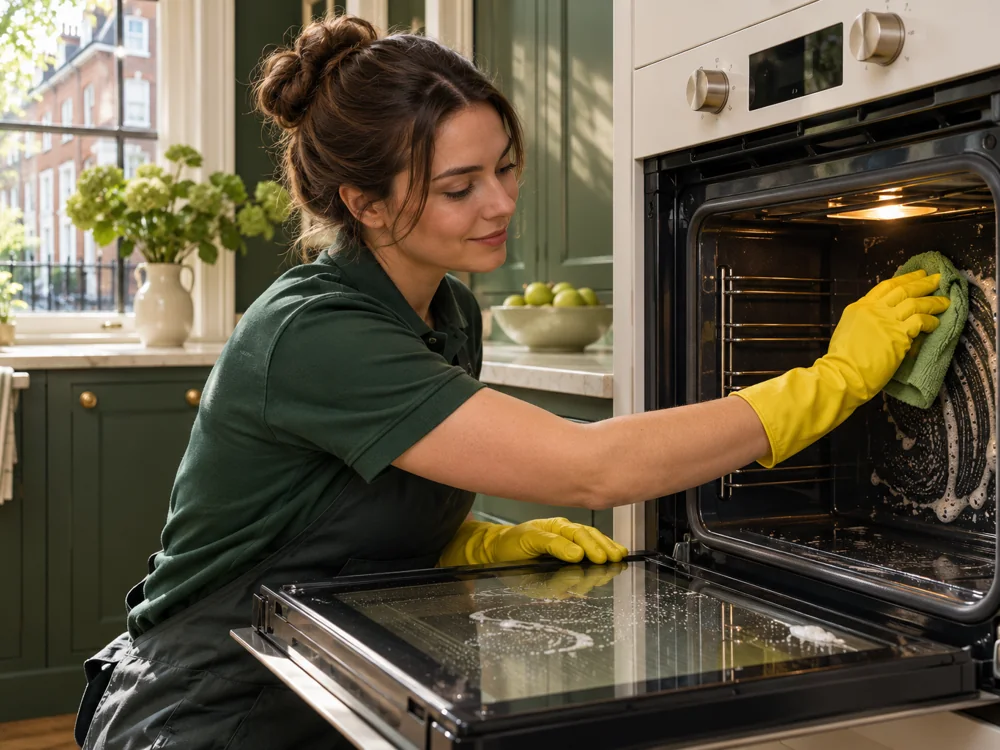
Can I enquire for a freestanding cooker in Chadwell Heath?
Yes. Give the postcode, cooker model if known and the oven or grill sections you want assessed.
Can a side entrance be used for the appointment?
Check that the route is available and give the door, gate, steps and unloading arrangement.
Give the Chadwell Heath address and actual visitor door
National Rail puts Chadwell Heath station on Station Road in RM6. A station reference can help a visitor place the neighbourhood, but the address to use for the oven clean is your own. Send the full postcode and identify the entrance you can open. A driveway may take somebody to a side door that leads almost directly to the kitchen, while the front door may open onto a hall with several steps. For flats, give the flat number and the actual writing on the intercom so a technician can reach the right occupier.
Check where equipment can be unloaded and explain whether the access point is shared. If a gate needs a key, name who can open it and where the technician should meet them. A row of similar front doors can be hard to distinguish from the road. Give one visible feature or the entrance label and say whether visitors need a second set of steps after the building door. Align the access plan with whoever will remain in the home. That person should be able to explain which room and appliance are booked.
- Give your complete postcode and door label.
- Confirm access from the agreed unloading point.
- Explain gates or stairs on the way to the kitchen.
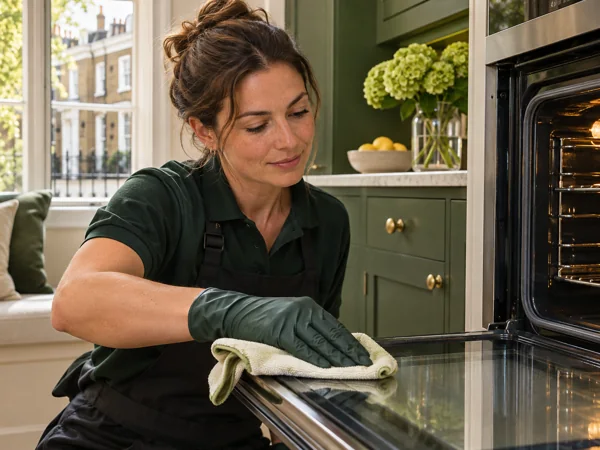
Use the visible cooker to distinguish a freestanding model and a fitted one
Take a photo of the cooker’s controls and complete set of doors. A freestanding model may combine a hob and oven in one body, while a fitted oven may sit under a different brand’s hob. A double cooker can have a smaller top cavity used for grilling. Say which compartment you want assessed and show how the controls are arranged. On a range, identify the purpose of each door, including a separate grill or warmer. Give the model and make from visible details or paperwork while leaving the cooker in place.
Explain if you use the same cavity to bake, roast and grill, and which accessories go with the various functions. The small grill rack can be in a drawer rather than inside the oven. Tell us if any part has been replaced since the cooker was installed. If a different person arranged the booking, they should be able to identify the main cavity from the photo. Add a picture of the affected area with the door open when cold and mention an existing problem with heat or door movement.
- Show the cooker before sending a close-up.
- Identify the main oven and the location of the grill.
- Mention replaced accessories and any known faults.
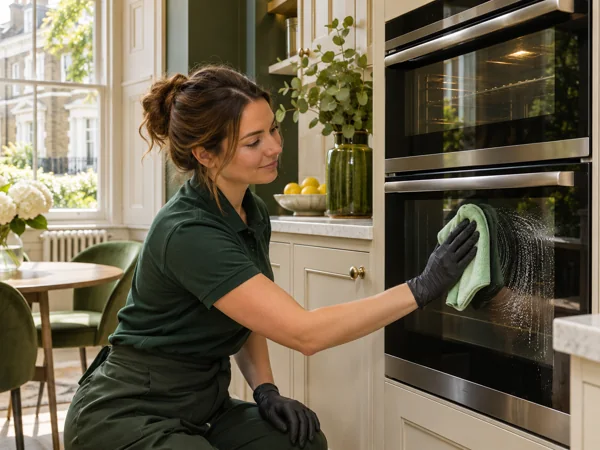
Identify the cooker by where it is fitted
| Cooker type | What to describe | What to confirm |
|---|---|---|
| Freestanding | Oven, grill and attached hob | Which parts need assessment |
| Fitted oven | Position in cabinet and model | Which doors belong to separate appliances |
| Range | Working cavity count and visible controls | Which accessories fit each part |
Prepare a clear route and work surface before the oven assessment
Finish cooking long enough for the oven to be cool at arrival. Take out food, loose foil and ordinary pans. Move utensils or small kitchen appliances off the nearest worktop if it limits where parts can be assessed. If the cooker door opens towards a trolley, kitchen bin or table, move those objects before the technician reaches the room. Let us know if the kitchen is also the route to the garden or back of the house and discuss how people can get around during the work.
Explain if a washing machine or other appliance needs to be reached while the oven is being looked at. Arrange water and power access when necessary and flag anything already unavailable. Keep children and pets out of the working area. Give the time someone next needs the cooker, whether for a meal that evening or a property handover. If the person arranging access has to leave, decide who else can hear the technician’s guidance on when the oven can return to use.
- Leave the cooker cold and worktops clear.
- Talk through any shared routes or other appliances.
- Give the next time you need the oven before booking.
Describe the residue and any different finishes
When the oven is cold, photograph the affected area with a shelf or door corner visible. Grease along the side might have come from repeated roasting, while a dish overflow can leave a sharp mark on the base. Give the usual shelf height and tell us if the cooker was heated again. Mention a recent spray or a self-cleaning cycle and which surface it touched. A dark patch can be a cooking deposit or a change to the enamel or lining. The technician can look at the material before discussing what can be treated.
Share instructions for specialist or catalytic panels and include the surrounding surfaces in the photo. An enamel floor can have different care guidance from a side panel with its own finish. Show a chip or worn area in addition to the residue. Tell us about known faults before choosing the visit, especially a loose door, damaged seal or unreliable heating. Ask a relevant appliance specialist about operation separately. Pointing out the current condition gives the technician a clearer idea of which surfaces and fittings may be included in an assessment.
Keep appropriate removable pieces with the cavity they fit
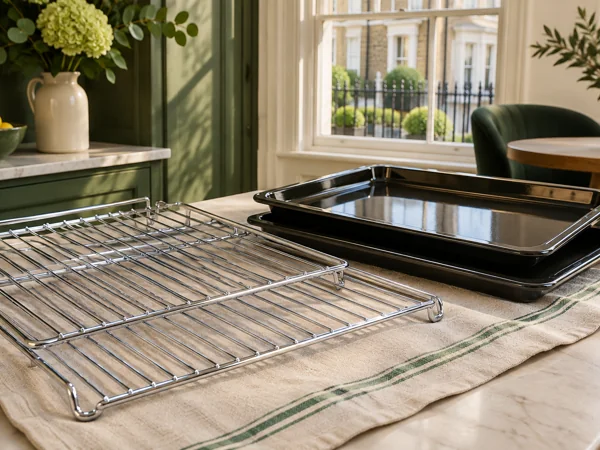
Put the wire shelves, grill insert and trays you want considered in a clear place. A tray with a coating and a plain rack may not take the same treatment. Suitable removable components can be cleaned separately and may be soaked in a dip tank once their construction, finish and condition are checked. Identify pieces you have replaced or which might belong to another cooker. If the grill pan has a handle that comes away, set it beside the insert and pan so the relevant parts can be assessed together.
If the runners stay fitted behind the shelf, leave the parts in place where you do not know how they release. Tell the technician how far a shelf moves and where it starts to catch, or if it sits unevenly. Check whether a spare rack is bent at a corner before showing it for separate treatment. Provide one work surface for looking at the agreed parts and keep the rest of the cooking equipment out of the way. Tell the person opening the property where you put the accessories.
- Set out removable shelves and pans separately from ordinary cookware.
- Tell the technician about coatings or replacements.
- Leave unfamiliar or stiff runners in place.
Give step-by-step access to a Chadwell Heath kitchen
| Point | Instruction to send | Who confirms |
|---|---|---|
| Street | Postcode and unloading | Resident |
| Entrance | Front, shared or side door | Person with keys |
| Kitchen approach | Steps, door swing and nearby worktop | Person present during the visit |
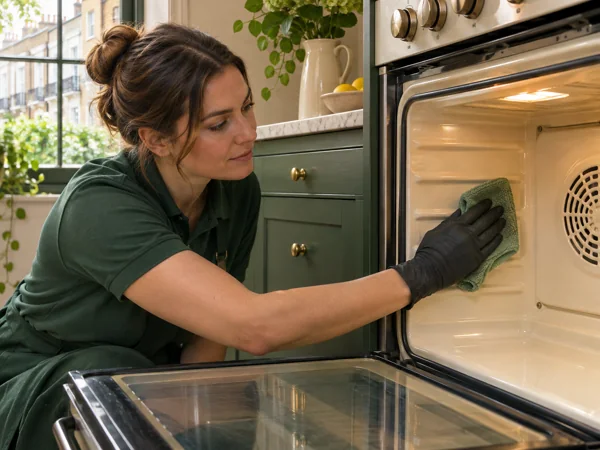
Point out the affected glass before deciding about nearby surfaces
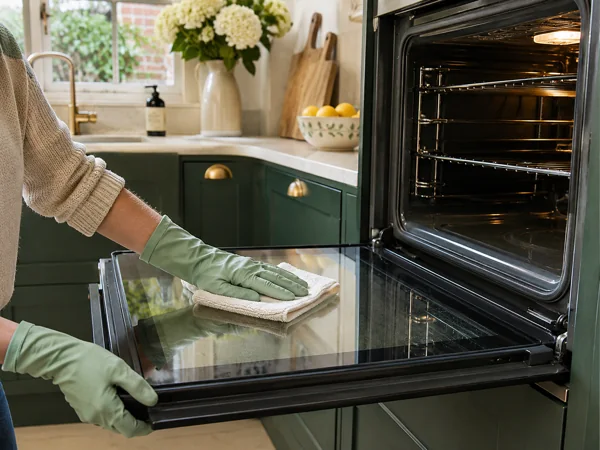
If there is film on the door, look for it with the cooker cool and the door open and shut. A patch may appear behind the first pane or more clearly on the inner cooking side. Give the model and say what you can see near the handle or edge. Tell us if the glass was previously replaced or the frame is loose. Different door designs allow different access, and condition can affect which panes the technician can reach. Photograph the whole door as well as any mark visible only at one angle.
Let us know if the outer controls, handle or nearby cupboard edges also need consideration. Existing marks can include faded printing or a worn finish around frequent settings. Explain if the door catches on trim or one side of a cupboard, and show that part of the installation. Make sure the quote discussion reflects the particular glass or part you care about. A complete photo can help someone else recognise the area you were describing when they are at the property for the inspection.
List other cooker components and appliances individually
A freestanding cooker can include a gas or ceramic hob with separate controls. If you want the hob assessed, say what kind it is and which removable supports, burner caps or cooking zones concern you. For a range with an extra griddle, list the construction and coating where known. Send a picture showing its surface and position. A hob can use the same controls as the oven without requiring the same cleaning. Give the specific hob condition before asking for it to be added to the quote.
Describe the extractor’s approximate height, surface and filter type if you can see those details. A removable metal filter is a separate piece from a greasy outside cover. State whether it is hidden in a cabinet or on the wall and mention any trim that limits access. If the filter is disposable, explain what kind of insert it takes. Ask for the appropriate parts to be discussed as their own item. Confirm whether another appliance needs to stay accessible while the main oven is being cleaned.
- Name hob type and relevant parts.
- Give hood position and filter type.
- Confirm each separate appliance on the quote.
Check which parts the quote and handover cover
Start with the postcode and send the correct access route, oven type and accessories you want assessed. Include any separate hob or extractor details and note the next cooking time. Review the quote against the pictures. If somebody is opening the door on your behalf, pass on the agreed list and any known condition issues. Make sure they can point to existing marks and know where the accessories are. Report changes to the entrance, cooker or tray list before the visit if you discover something differs.
At handover, ask which components were treated and when the cooker can be used. If someone will take over the kitchen after a move, make a note of any use instructions and which items stay with the oven. Compare the oven and parts to the inventory beforehand so you can make decisions about any additional appliance separately. Confirm who can receive the handover and give that person a copy of the agreed work. Pass the instructions to the next person who will actually use the appliance.
Show the condition of key parts
| Part | Useful detail | What can be discussed |
|---|---|---|
| Grill insert | Detachable handle and finish | Separate cleaning where appropriate |
| Liner | Previous treatment and care instructions | Compatible treatment |
| Door glass | Visible angle of the mark | Reachable pane |
Get an oven cleaning quote in Chadwell Heath
Request a quote with the oven type, number of cavities and any extra appliances.
Get a QuoteOther Cleaning Services in Chadwell Heath
Local references · National Rail – Chadwell Heath station
Chadwell Heath oven cleaning questions
Can I book the oven if the hob has a separate model?
Yes. Give the oven details and describe the hob separately if you also want it assessed.
What if the property has a shared driveway?
Confirm approved unloading and tell us who can open any shared gate.
Can I include a new grill pan?
List the replacement and its finish so the technician can assess it alongside the cooker.
Should I try to loosen a fitted shelf before you arrive?
Leave it where it is and tell the technician which point sticks or feels uneven.
Can you look at written markings on the front?
Show the relevant area and report any faded printing or existing wear before work starts.
When should I tell you about the next meal?
Explain the next planned use when you book and confirm the return to use during handover.