 Housekeeper
Plan your kitchen visit
Oven Cleaning in Becontree
An oven cleaning enquiry for your Becontree home can start with a photograph of the cooker and a note on which parts need attention. Tell us what you use each door for, what you already tried and how the technician can get from the street to your kitchen.
Can I send my RM8 or RM9 postcode?
Yes. Send the complete address and the entrance you want us to use.
Can I just ask about the grill cavity?
Yes. Identify its door and any matching tray or rack that you want assessed.
Give the house number and the entrance you use for the kitchen
Transport for London lists Becontree Underground Station on Gale Street in RM9. If a station or road helps place the home, include it alongside the whole postcode, street and house number. Explain which door is right for the visit. A front porch may serve the living room while a side gate provides a clearer route to the kitchen. Tell us which way leads from the agreed unloading point and describe any gate sign, step or bend that an arriving visitor should expect.
If you have a shared entrance, give the bell and identify which stairs or lift reach your level. A wooden gate may need someone inside the property to meet the technician outside. Confirm who can do this and where they should wait. If a relative, tenant or neighbour is opening up, give them the exact arrival note. Check the best contact details before the appointment and confirm that the person at the property can identify the oven and the work agreed in the quote.
- Give the complete residential address and postcode.
- Confirm a visible door or gate name.
- Tell us who can open the agreed route.
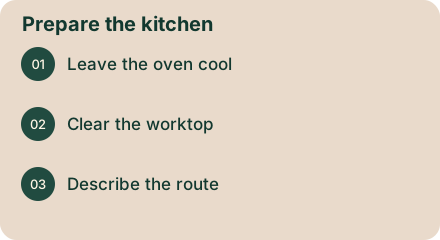
Photograph the controls and the relevant oven
Show the appliance from the front with its doors and controls. A cooker with two doors might include one oven and a separate grill, while a third opening might simply contain trays. Give the model from the handbook or a label you can see without moving the oven. Say which compartment you want cleaned and whether the area that prompted you to enquire is inside the main cavity, on a separate grill or on the door. A photograph beside a short note keeps each request clear.
If there is a different appliance in another run of the kitchen, identify it separately. A hob may be made by another company even if it matches the oven front. Include a lower oven or compact combination appliance only if you want that unit assessed, and share any manufacturer directions relevant to its mode or lining. Count the parts that belong to each cavity. If you are unsure about a tray, give its shape and location so the technician can discuss it before touching the fitting.
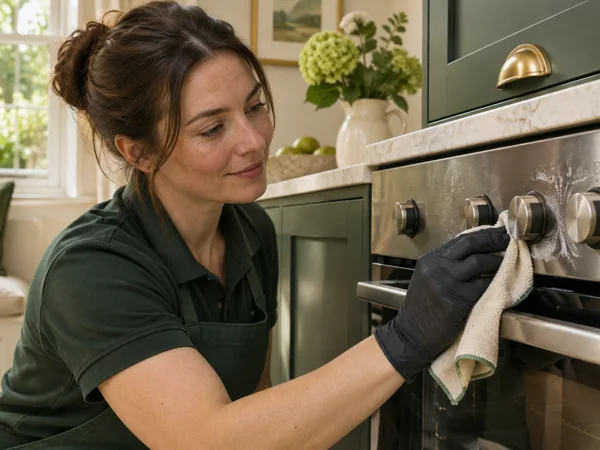
Show which appliance you want cleaned
| Part | Detail to provide | Decision |
|---|---|---|
| Main oven | Door position and model | Cavity and surfaces to inspect |
| Separate grill | Controls and tray arrangement | Which grill pieces can be included |
| Loose pan | Finish and normal use | Separate consideration if requested |
Point out the deposits that prompted the quote
Observe the inside once the oven is cool. Compare a baked spill on the base, a fine film near the grill and a dark patch where a shelf supports a roasting dish. Tell us which one matters most to you. Include when you first noticed it and what type of cooking preceded it where you remember. A photo from the front can show where the deposit meets a different finish or fixed part. Let the technician look at any area that is awkward to see without taking a shelf out.
Report any household product or automatic programme already used. Include the affected cavity and surface, such as the floor, door or coated liner. The technician can inspect the condition and explain where residue can be cleaned and where wear or discolouration may remain. If a liner is described by a special name in the manual, give that information. Keep the exact surface clear if you have two or three pictures from similar angles. An old colour change and a fresh deposit can sit close together.
- Describe the location and age of a spill.
- Mention products and built-in cleaning programmes.
- Share instructions for unusual finishes where available.
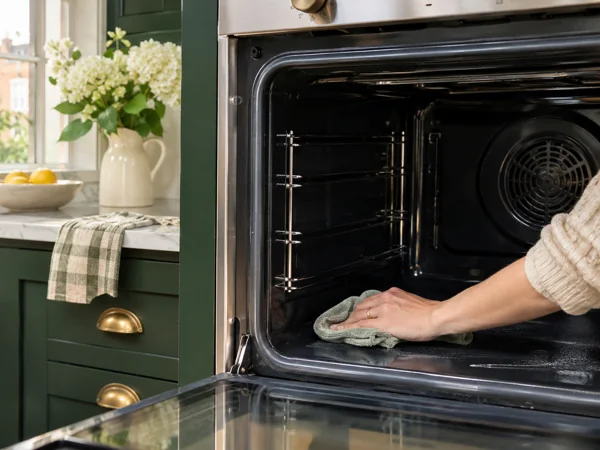
Keep personal pans out of the list of oven parts
Count the original wire shelves, supplied tray and any removable grill insert you want discussed. Explain if a shelf rail extends or if a part normally catches at a point when you pull it. Leave unfamiliar or sticking fitted parts as they are so the technician can inspect them. The design and condition determine which components can safely be removed. Suitable pieces may then be soaked in a dip tank. A coated tray or an attached mechanism may need to be handled in another way.
Store food, loose dishes and foil somewhere away from the cold oven on the day. If a personal tray is part of the enquiry, identify it separately and give its finish and which cavity it fits. Ask for the specific removable parts to be listed so everyone knows what was agreed. An older oven might have accumulated accessories from another model. Tell us if you know which parts do not belong to the cooker. Keep the trays in groups you and the technician can recognise.
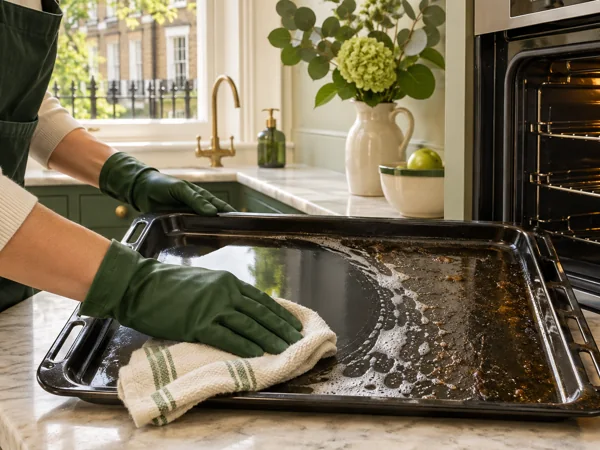
Explain how the visible door mark shows up
Look at any smear with the cool oven open and from outside with the door closed. A mark on an accessible side can look similar to one between panes. Give the door position and tell us if coming into the kitchen from a certain angle shows it best. If the trim moves, a glass edge is chipped or the door has had work before, describe that. The technician can consider the model and condition before saying which surfaces can safely be reached. Keep the glass and fittings in place for the assessment.
Send an image of the affected door as well as a picture of the specific mark if both are possible. If there are two doors, label the photos to show which one matters. When a reflection is stronger than the mark itself, describe the place you normally see it. Ask about accessible faces before adding glass work to a quote. A persistent patch may be a visible change in the underlying finish. The technician can discuss that question in person once the relevant part has been checked.
- Identify which door and apparent face are affected.
- Describe the angle that shows the mark.
- Report any chip, looseness or prior work.
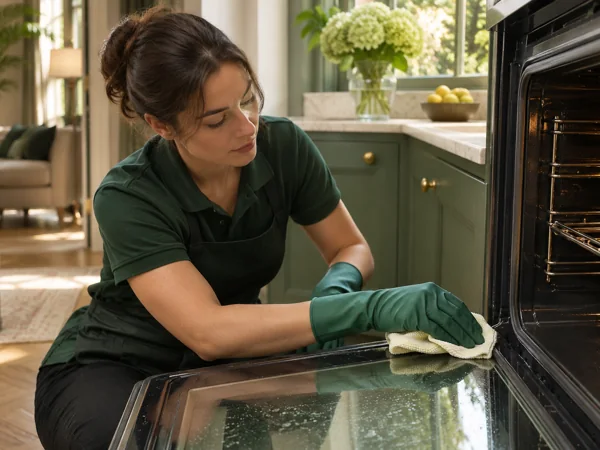
Tell us how to reach the working area
| Stage | What to confirm | Useful detail |
|---|---|---|
| Street | Full address and walking approach | Approved loading point |
| Door or gate | Who will open it | Bell or sign to find |
| Kitchen | Clear space for the door | Counter to use for parts |
Set up working space at the cooker
Allow the appliance to cool fully. Clear the counter next to it and make room to open the door. Move light furniture and loose kitchen items that interrupt the route from the entrance to the appliance. Keep children and pets outside the working area while the technician handles parts and equipment. If you use the kitchen as a route to a utility room or a garden, think ahead about when you need to get there. Tell us if using a different door would keep the route clear.
Confirm relevant water and power arrangements and mention if anything is temporarily unavailable. A small kitchen may have only one surface clear enough for accessories, so identify it with the person who will be home. If that person is not familiar with the appliance, mark the affected door and any sticking part on a picture before the visit. When someone expects to prepare food nearby, choose another place or time and say what the actual layout allows. The space should work after the oven door opens rather than only while it is shut.
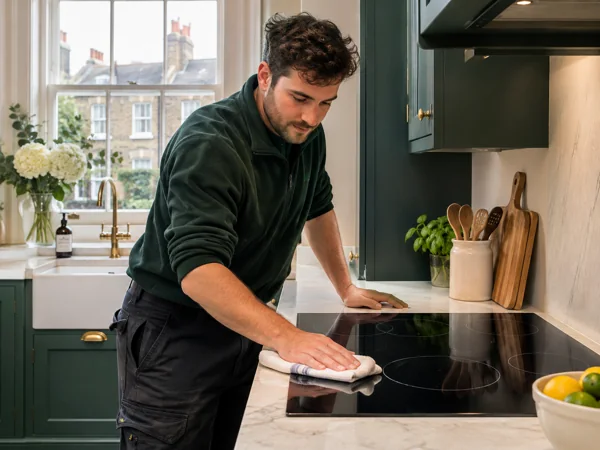
Ask separately about marks around the hob
A flat cooking surface, gas burners and pan supports should be described by the parts you want considered. Report a particular spill or loose piece and share the relevant maker’s instructions if there is a coated finish. A splashback or stove surround is a different surface. Tell us if the deposit extends there and whether you want it included in the enquiry. Give each optional item its own line. If the hob is away from the oven, leave enough room in both areas once any extra work is agreed.
For an extractor, describe the position and measure its height approximately if that is straightforward. Tell us about the filter type and which part has visible grease. A cover and a removable metal or disposable filter require different decisions. If you have the handbook, send the right page rather than reaching up to take a part out. Ask which reachable surfaces the technician can consider and check the agreed hob and extractor elements when you review the quote. Let the person providing access know about both appliances.
- Give the material and separate hob parts.
- Describe the extractor’s position and filter type.
- Confirm the extra work in writing.
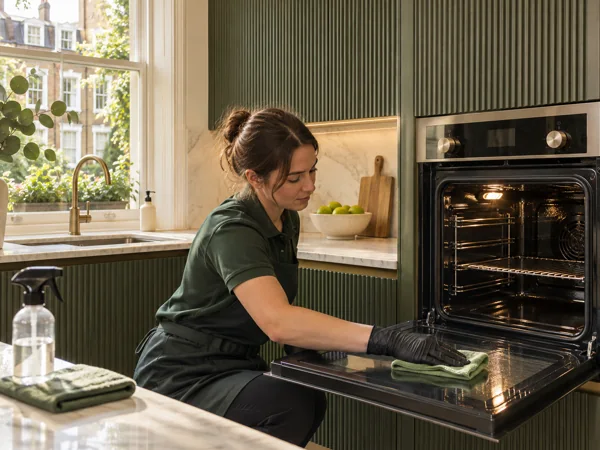
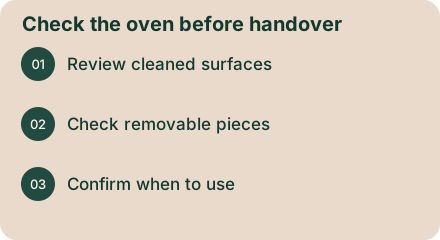
Review the cleaned items before putting the oven back into use
Begin with the postcode form and have the appliance photo, parts list and access note ready. Confirm who can answer if the first inspection raises a question about a fitting or finish. If the appointment is being arranged for a tenant, give them the agreed list and tell them which parts are outside the work. Keep the person who can approve any change reachable until the work can be confirmed. Make another plan for cooking if you are unsure when the oven will be available.
Ask the technician which parts they cleaned and when you can use the oven again. Confirm where loose inserts and racks should go and pass that information to the next person cooking. If a mark stays visible because of the finish or access, identify it by cavity and surface. Keep the details with the maker’s care instructions for future reference. If you later enquire about a separate cooker, use its own current photograph and accessory list rather than treating the two appliances as a single set.
Put each visible concern with its surface
| Concern | Information | Assessment |
|---|---|---|
| Oven floor spill | History and product used | Residue versus finish change |
| Rack catches | Position and type | Safe handling |
| Door mark | Viewpoint and edge condition | Reachable faces |
Get an oven cleaning quote in Becontree
Request a quote with the oven type, number of cavities and any extra appliances.
Get a QuoteOther Cleaning Services in Becontree
Local references · Transport for London, Becontree Underground Station
Becontree oven cleaning questions
What if the nearest route from the street is a side gate?
Give the complete address and tell us where the gate is and who can open it.
Can I add a grill tray if it is stored in a cupboard?
Yes. Tell us which oven it fits, whether an insert goes with it and any care information you have.
Should I identify the gas hob independently if it sits on the cooker?
Yes. Give the hob type and parts you want considered on a separate line.
Can the technician check a rack that stops partway?
Yes. Leave it in its current position for assessment and explain where it catches.
Is a pale mark left by a previous cleaner worth mentioning?
Yes. Give the product if you know it, where it was used and when you first saw the mark.
Can I let someone else manage the visit?
Yes. Give them the agreed access and appliance details and keep the person who can approve the quote reachable.