 Housekeeper
Mould Removal in Wandsworth
We organise a Wandsworth mould removal visit around the visible surfaces, how the affected room can be reached and what needs to be agreed first. List each location separately so we can discuss assessment, preparation and cleaning for suitable exposed finishes.
What address should I give near Wandsworth High Street?
Give the full SW18 postcode, block or house number and the entrance that leads to your dwelling.
Can you clean a surface beside a damaged lining?
We assess the visible finishes separately before deciding what can be included.
Start with the room you need us to assess
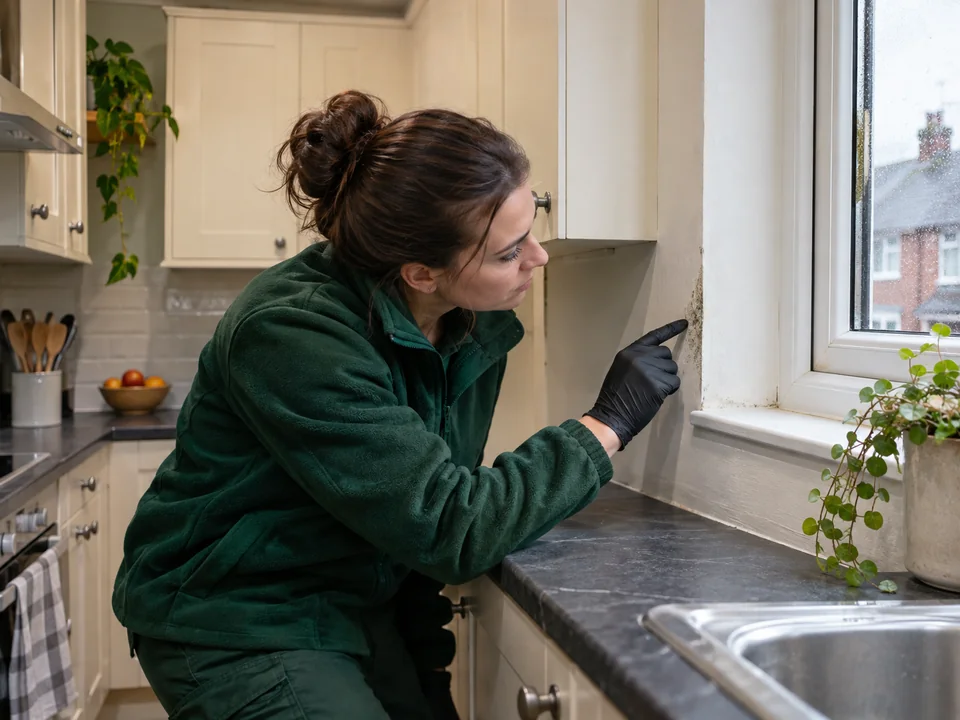
We start by taking the name of the room, the position of the mark and a description of what has changed. We ask for the approximate size of the affected area and the condition of the exposed finish. If you can see several patches, describe where they sit in relation to a door, window or fitted unit rather than giving us one size for the whole room. A wide photograph is useful for locating the finish and can also show whether an attendee can approach the wall while the contents stay in place.
We ask which areas are currently accessible and which ones you have only heard about. If the original report came from a person who is unable to meet us, explain what they saw and which room the photo shows. We can discuss the proposed visit against a consistent room record instead of receiving several descriptions that appear to refer to different places. Where a previous repair has been mentioned, give us the position, date and contact who can confirm what happened. We keep the repair record separate from the current appearance.
- Name the room and visible surfaces individually.
- Describe the present condition and note any older images.
- Identify which person can show us each position.
Arrange the SW18 entrance and room access
Wandsworth Council identifies the Town Hall on Wandsworth High Street in SW18. If you live around the town centre, a landmark may help orient the visit, but we still need the full property address and the correct doorway. Tell us the building and flat numbers and which floor can be reached. Where a front door requires someone to meet the person attending, explain how that can be arranged. If there is a second lobby or a separate service entrance, identify which one you have permission to use for this appointment.
We confirm any practical constraints that could change the start of the visit. For example, someone might be able to open the building but not the affected room, or a site contact might have to arrange a lift. Tell us if a key is held at a different address and when the keyholder is available. We also ask which rooms are occupied and whether any route needs to remain clear. This discussion is part of confirming a usable time and a workable way to reach the room.
| Access stage | Detail to confirm | Who can tell us |
|---|---|---|
| Arrive at the property | Full postcode and actual entrance | Person arranging access |
| Reach the affected floor | Lobby, stair or lift arrangement | Resident or building contact |
| Enter the room | Where and when keys will be available | Named keyholder |
Assess the material and the edge of the affected area
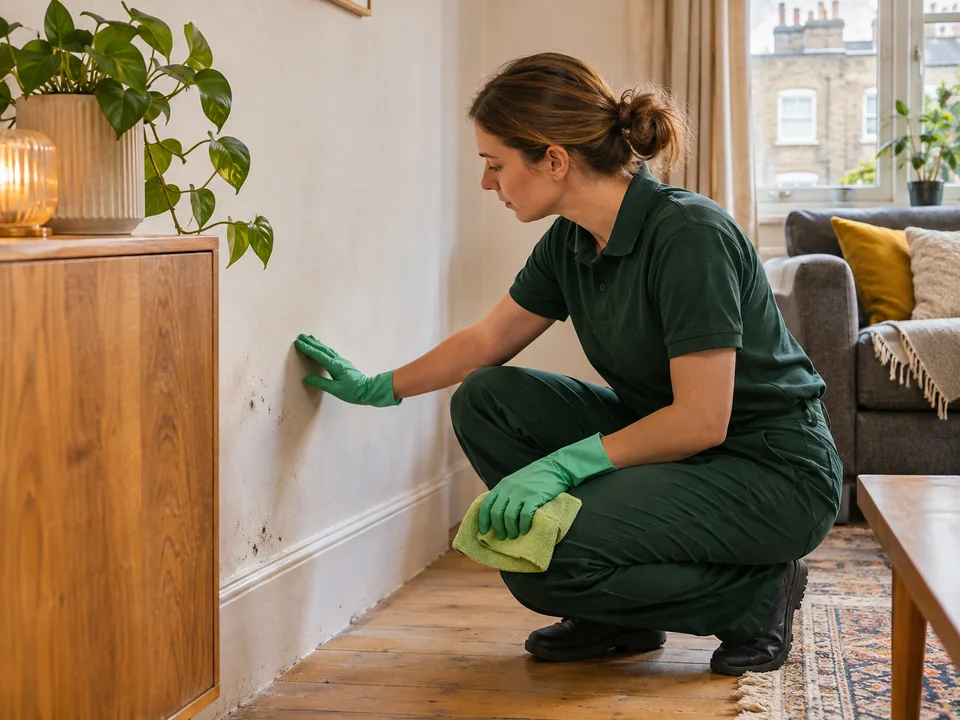
We consider the exposed finish separately from a concealed or visibly damaged material. A tile may be accessible while the base of the adjoining painted wall is obscured by a fixed item. Let us know where one finish changes to the next and what portion can be seen while the fitting stays in place. We assess the accessible material and discuss whether it is suitable for the proposed work. If the visible details indicate a separate material or building question, we identify that question before agreeing treatment for the exposed area.
A surface may look different along an existing join or where it has been decorated more recently. If you know why two parts of the same wall have different finishes, include that in the enquiry. Provide the date of the work if available. If a material has lifted or a lining is distorted, describe that separately from the visible marks on the surface. When access or condition needs clarification, we agree what further information is needed before setting out the next step. We only consider the areas that can be viewed or clearly identified.
If a portion of wall is left exposed after somebody removes a fitting, tell us which part has changed compared with the original pictures. We check what the updated description implies for the area that could be assessed. A change in the way a surface can be reached does not automatically make all of it suitable for the same work. We consider the finish and boundaries we can see, then discuss which areas need a separate decision.
| Type of area | What we establish | Decision for the proposal |
|---|---|---|
| Exposed hard finish | Physical condition and patch boundary | Whether suitable surface work can be agreed |
| Area beside a fixed item | Which face stays exposed | What can be considered with the item in place |
| Damaged or porous finish | Appearance and any visible change in material | Whether assessment needs to be separate from the cleaning |
Prepare the agreed accessible area
Before treatment, we agree how to reach the surfaces, which room needs preparation and which fixtures should stay in place. If the wall is next to an appliance, fitted shelf or crowded part of the room, tell us where there is space to stand and what movement would require the owner's approval. Do not open or remove something solely to show an area in a photograph. We use the description of the exposed section to decide whether the condition can be considered with the room as it stands.
If the proposed room access changes, tell us before the visit. You may have identified a mark near a blocked passage, or an earlier appointment might have left the wall in a different condition. We discuss whether the agreement needs updating and make a clear note of any part that still cannot be reached. Where another resident controls access to one of the rooms, confirm when they can be available. Preparation is more useful when the person who will meet us knows which surfaces we intend to see and what has already been agreed.
- Agree what can be accessed and left in place.
- Confirm who can make the room available on the day.
- Let us know if another visit alters the visible surfaces.
Physically remove visible mould and review the work
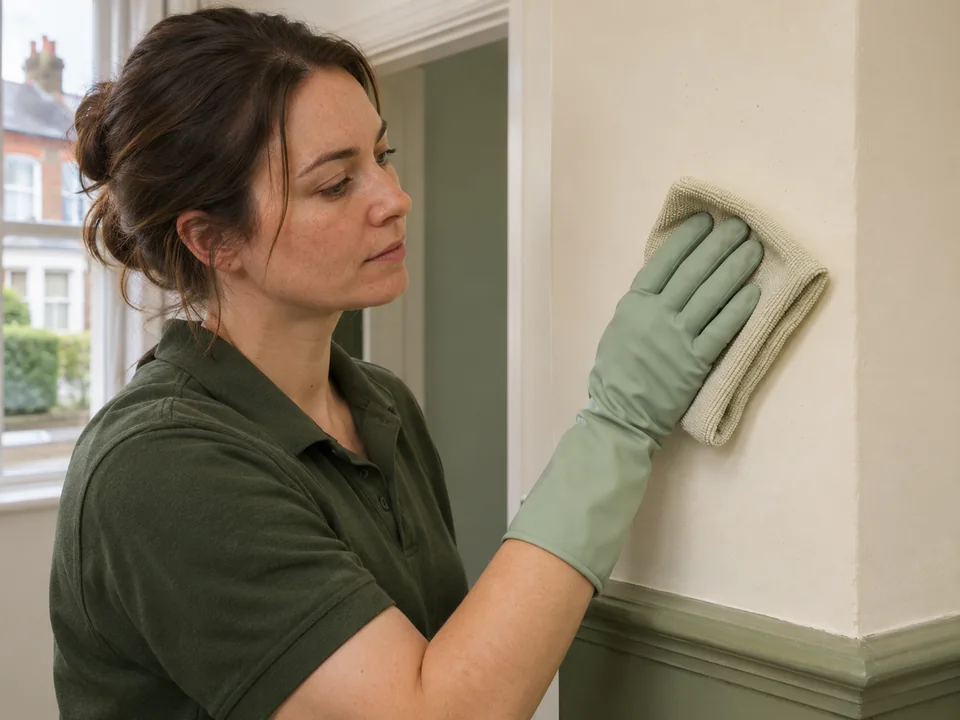
We physically remove visible mould from the suitable accessible hard surfaces agreed for the appointment. Before we begin we check the named areas and access boundary with the relevant contact. We consider the adjoining material if a mark ends at paint, board or a separately fitted feature, and we keep unsuitable or concealed parts outside the agreed cleaning. If the condition appears different when viewed in person, we discuss the decision before we extend the proposed work. This keeps the treatment tied to the surfaces that have been assessed and agreed.
After surface work we review the accessible areas and explain what was cleaned. If a patch continues behind a fitted unit or a material is not suitable for the work agreed, we make that limit clear in the handover. We discuss aftercare in relation to the treated surfaces and distinguish any property issue that needs attention from the cleaning itself. If another person will deal with a defect or carry out decoration, we agree who will receive the relevant location information and what still needs to be considered.
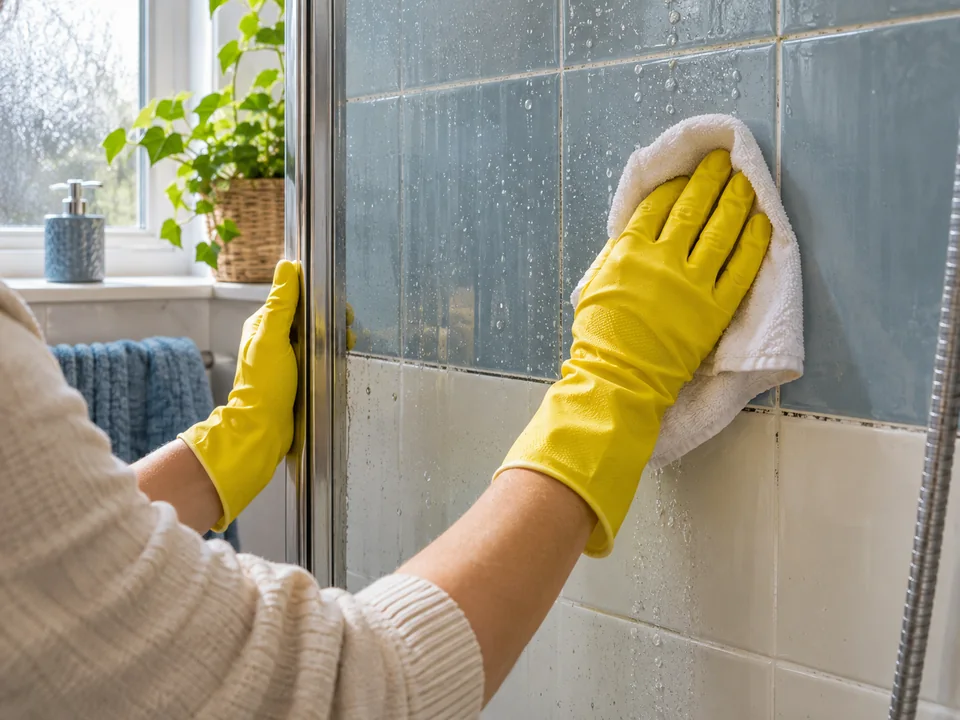
When several suitable surfaces are agreed, we identify them by their positions rather than treating a room name as a description of every finish. A bathroom may include a tile face, a skirting edge and a section behind a screen; these positions can be treated differently depending on their conditions and accessibility. The person meeting us can check the named boundaries before the appointment begins. If one surface becomes unavailable, we can record that at the same time.
The final review is also an opportunity to note any exposed area that was assessed but left for another conversation. If future work is planned near an agreed surface, keep the names of the treated positions with the record. That gives the next person a practical reference point when they look at the room. We can discuss aftercare for the cleaned surfaces and explain which separate property questions the cleaning work leaves open.
| Part of the visit | Our work | Information at handover |
|---|---|---|
| Preparation | Agree which finishes can be seen and reached | Named surfaces and preparation |
| Treatment | Physically remove visible mould on suitable agreed hard surfaces | Locations cleaned and any limits |
| Review | Check accessible areas and discuss aftercare | Any point for a separate property assessment |
Use the price discussion to clarify the work
We discuss the rooms, dimensions, materials and access when considering a quote. If the visible area is greater than the original photos suggested, tell us how far it extends and which surface has changed. Ask whether the price concerns an assessment, an agreed treatment proposal or separate attendances. Where a site contact needs to agree parking or entry, confirm those details before accepting the quote. A useful proposed price should be understood against the named finishes and practical limits. It is worth clarifying any missing area before you rely on an appointment for it.
Tell us if you need another cleaning service at the property. For an end of tenancy clean, give the handback date and the relevant inventory details separately. For carpet or upholstery cleaning, describe the items and the condition of their materials before discussing the appointment. We can then consider the timing of those enquiries without assuming one visit covers everything. When somebody else is co-ordinating the property, make sure their room list and the one used for the quote refer to the same places.
Keep the quote and any assessment notes together. After the visit, a brief record of the surface, visible position and any inaccessible area can help another person follow up on the right point. If a similar concern is raised later, give us a current description and use the original room label where it still applies. A mark elsewhere in the room can be described as a new location. That helps us discuss what needs to happen next and whether information from any other work is relevant.
If a room is still occupied, give us the days and times someone can provide access. Explain whether there is another room that should take priority if the first one is unavailable. It is useful to agree how an updated room list would affect the proposal rather than assuming the work can move to a different finish without discussion.
- Check which rooms and finishes the proposal covers.
- Use separate notes for repairs and additional cleaning.
- Keep the surface names with the handover record.
Questions about arranging mould removal
Can you find the block from an SW18 postcode alone?
We ask for the full address, entrance and dwelling number as well. Tell us where the visitor needs to report if there is a shared lobby.
What if one area is visible beside a fixed shelf and another is hidden?
We can discuss the exposed surface. Identify the concealed part as a separate question so it is clear which area can be reviewed.
How do you clean a hard finish once work is agreed?
We confirm preparation, physically remove visible mould from the agreed suitable accessible surface and review the cleaned area at the end.
What details should we give about a coating that has started to lift?
Describe where the coating changes and whether any edge is visible. We can discuss whether the finish needs further assessment before treatment.
Can the building manager receive an update if they only handle the lobby?
Tell us their role and who is responsible for the dwelling. We discuss which contact needs the relevant information for each area.
How should I ask about a later carpet clean?
Give the room or item list separately and tell us when those areas can be made available. We discuss its timing against any earlier work.
Other Cleaning Services in Wandsworth
London mould removal service, End of tenancy cleaning, Carpet and upholstery cleaning