 Housekeeper
Mould Removal in Teddington
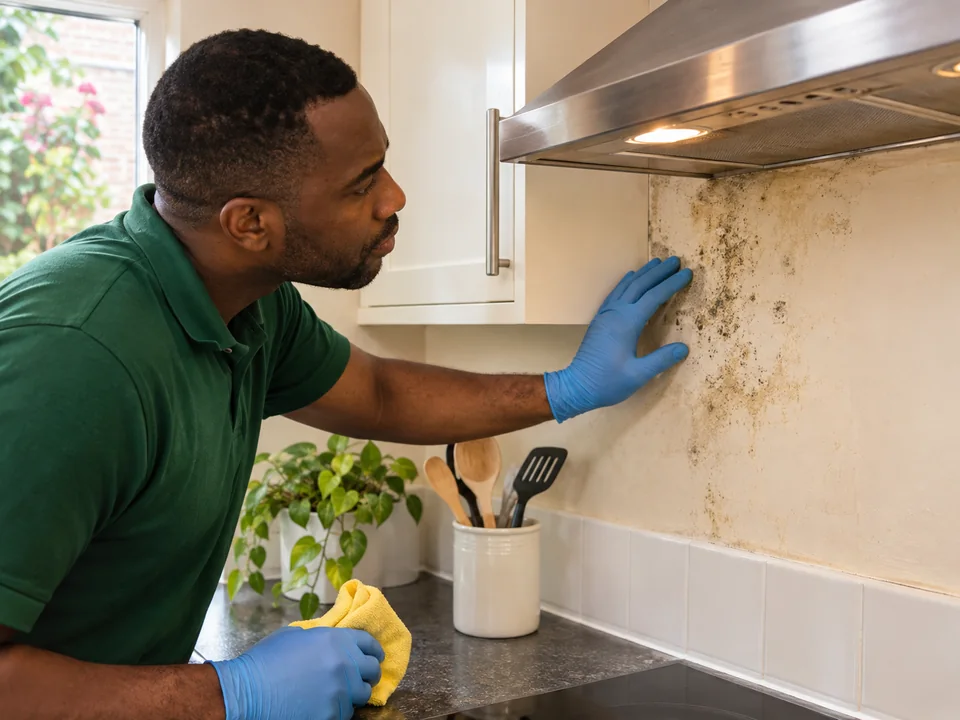
We start a Teddington mould removal enquiry by recording the affected rooms, reach and condition of each visible surface. We discuss whether the site needs assessing before we quote. Where a wall or ceiling can be reached safely and is suitable for agreed cleaning, we confirm the working area before starting. At handover we explain what the visit covered and record any condition that needs a separate property decision.
Plan your enquiry
Which address should I give for a TW11 flat?
Use the complete postcode and flat number, together with the entrance actually used by visitors.
What helps if the patch is above a stair?
Describe the landing and ceiling height, and take a wider photograph. Discuss access before a visit is arranged.
Locate the affected room before describing the marks
Start your enquiry with the room and the surface. In a narrow hall, for instance, saying that there is mould upstairs could refer to the ceiling beside the loft hatch, the wall by a bedroom door or the underside of the staircase. Tell us which face the marks are on and approximately how far they extend. Say if more than one room is affected, even when one patch is much larger than the others. This helps prevent a quote for one surface from being mistaken for an agreement to work through every room in the property.
If you have two photographs, take one that shows the affected area in relation to the room and one closer image from a position you can reach safely. The wider photograph can show a window, ceiling edge or cupboard that provides a useful reference point. The close image may show a peeling finish, a seam or a discoloured line the wider image misses. You can describe differences in words if photographs are impractical. An ordinary photograph can record the appearance and position of the marks. Deciding what lies behind a finish may need a separate assessment.
- Name the room and whether the patch is on a wall, ceiling or join.
- Estimate the visible width and height from a safe position.
- Say what lies above or on the other side if you know.
What we assess on walls and ceilings
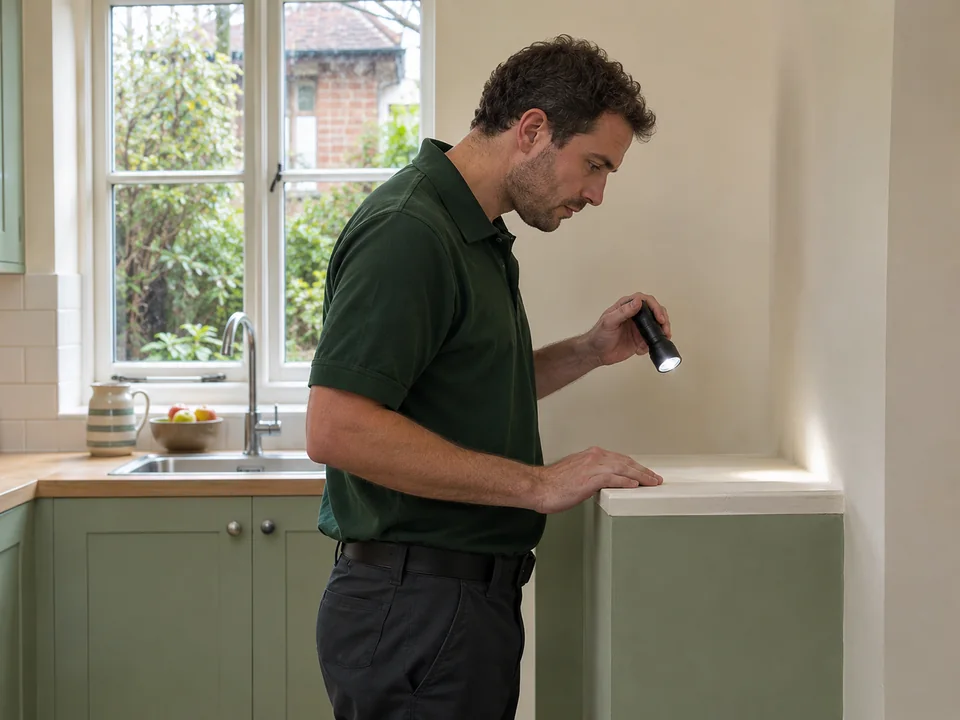
We review the accessible finish before approving cleaning, especially where a mark crosses from the ceiling onto a wall or a cupboard edge. Once a surface is agreed, we prepare the area around it for the work and check which adjoining finishes or belongings need to remain untouched. We physically remove visible mould from the suitable hard face agreed for cleaning and review the treated area with the customer or the contact who arranged access. If the surface is damaged, overhead access is unsuitable or a repair question is still open, we explain which part needs a separate decision.
Richmond Council's High Street conservation appraisal distinguishes the main shopping street from adjoining residential streets such as Manor Road, Cambridge Road, Watts Lane and Waldegrave Road. That matters for an appointment if the address is written with one street name but visitors arrive from another. For a flat above a business, say which door is residential and how the bell is marked. For a house with a separate side entrance, mention whether it is in use. Give the full postcode and wait until you have agreed a channel before sharing any access code.
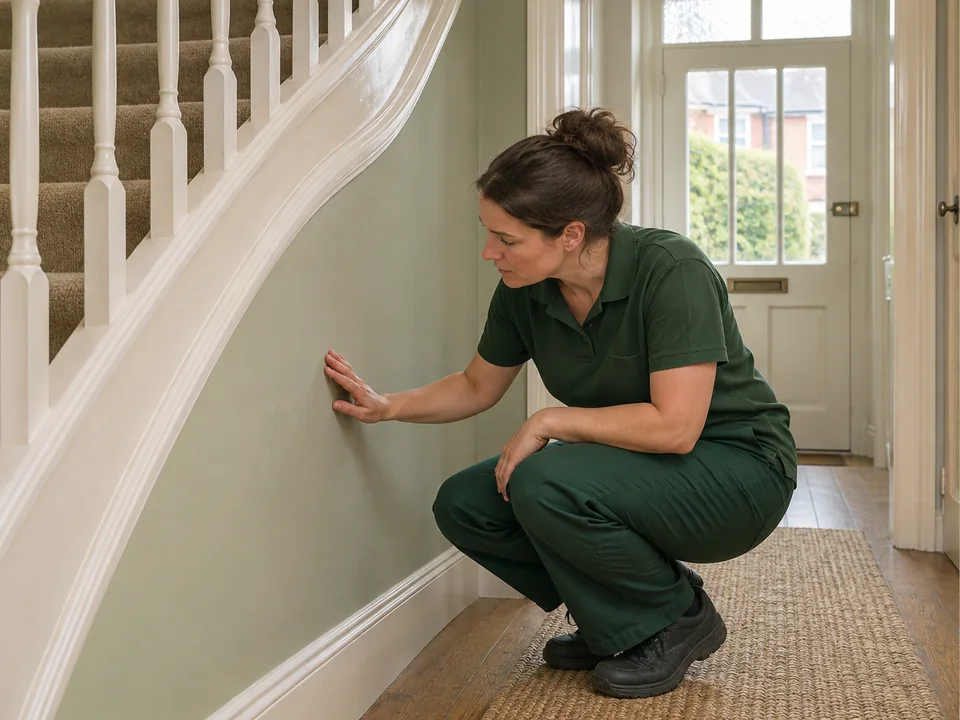
Access also includes the route between the front door and the affected room. Explain if a narrow staircase, a shared landing or a ceiling above an open stairwell is involved. A ceiling photograph taken from the lower floor may make the area look accessible even though there is no level working position underneath it. Mention restrictions on equipment, stairs with no lift and which rooms are available. If a caretaker or tenant must let someone in, confirm who can be reached on the day and when the room can actually be seen.
| Information | Useful detail for the enquiry |
|---|---|
| Postal address | Full postcode, building number and flat or floor |
| Visitor entrance | Street, bell label and whether it opens directly to the property |
| Route to the room | Shared hall, narrow stairs, lift or change of floor |
| Working position | Space below the area, ceiling height and furniture nearby |
Describe ceiling stains alongside the history of the room
A clear timeline makes it easier to distinguish the work you are asking about from repair questions that still need attention. If you noticed the patch after a leak, give the rough date and say what happened afterwards. Was the leak reported, was any repair carried out, and did the area look dry for a period before the marks appeared? If you do not know what happened in the flat above, say so. Use the exact position of the patch as a reference rather than assuming that a drain, bathroom or roof is responsible.
If the line of marks is near a window or looks worse after particular use of a room, include that observation in the enquiry. There may also be dry-looking marks elsewhere. Describe each of these plainly. A visual inspection and a building moisture assessment answer different questions. A discussion about treating a visible patch can establish which surface is involved and whether a cleaning visit may be appropriate. If moisture is ongoing or the source is uncertain, an appropriate property professional may need to investigate before you decide how to proceed with affected finishes.
Where an occupier, managing agent and owner are all involved, share the same timeline with each person. Keep previous photographs and repair dates together so the person arranging the visit can explain what has already been inspected. This is particularly useful when the property is due to change hands or a contractor has already attended. Establish who can authorise a separate assessment if a cleaning enquiry raises a question about the building.
- Record when a leak or change was first noticed.
- Say which repair steps are confirmed.
- Keep separate notes on any other affected room.
Separate a sound finish from material that has changed
Two patches of similar size can involve different decisions. A mark on a sound painted finish should be described separately from one on wallpaper that is coming away, plasterboard that looks deformed or a ceiling with a change in texture. Tell us if the visible marks cross a join between materials, for example from a painted wall onto the lining of a fitted cupboard. Include any belongings only if you want them discussed, and identify them separately so the request for wall or ceiling work is clear.
Ask what can be judged from the information you give and what needs to be seen in person. A quote for an accessible surface needs a clear description of that surface and any exclusions. Ask who would assess damaged or concealed material, which items should stay in place before the visit and who will be responsible for building work if it is indicated. If the finish is uncertain, share what you know about it instead of labelling it as a particular material solely on the basis of colour or appearance.
| What you can see | Details to provide | What to ask |
|---|---|---|
| Painted wall with a localised mark | Approximate size, position and condition of paint | Can we discuss an accessible surface visit? |
| Wallpaper lifting near a corner | Which edges are lifting and whether the finish is damp or dry to your knowledge | Should the material be assessed first? |
| Ceiling with changed shape or texture | Location, history of water and what is above | Who should inspect the ceiling before cleaning? |
| Marks beside built-in furniture | What is accessible and what remains concealed | Can inspection arrangements be agreed without moving the item first? |
Work out what the quote needs to cover in a shared house
In a shared house it is worth establishing what is happening in one room before adding communal areas to the same request. A bedroom tenant may have noticed a patch for some time, while the person responsible for the communal staircase has only recently seen a similar mark. Keep those observations separate and say whether both areas can be viewed at the same appointment. If the person who opens the front door cannot provide access to a bedroom, agree a time when the occupier is available or handle the second room as its own enquiry.
Make preparation decisions after discussing what will be inspected. If a wardrobe touches the affected wall, tell us approximately how much of the surface is blocked and whether you know it is fixed to the building. Leave heavy furniture or damaged items where they are until you have been advised how access will work. Ask before changing the surface and record its current appearance if you can do so safely. If you notice a new patch while waiting for a visit, add it to the room list and ask whether it changes what can be considered.
A living room that needs to remain available for an evening handover presents different access questions from a spare bedroom that can be closed beforehand. Let the office know if there are limits on when a room can be used or when someone must leave. Discuss these details before booking rather than assuming that every affected room can be worked on in one slot. The total depends on the agreed work, so ask for confirmation before treating the initial discussion as a price for additional rooms.
If you need to compare quotes, make sure they refer to the same surfaces, floors and type of visit. A cost for a visual assessment has a different purpose from a price for an agreed treatment. Ask which figure you have received and when the treatment decision would be made. Include any special access conditions each time, so one price is not based on a ground-floor wall and another on both that wall and a ceiling reachable only from the staircase.
- Identify who authorises work in shared rooms.
- Flag items that block access.
- Ask what is included if you have more than one affected room.
Hand over findings with the next decision clearly recorded
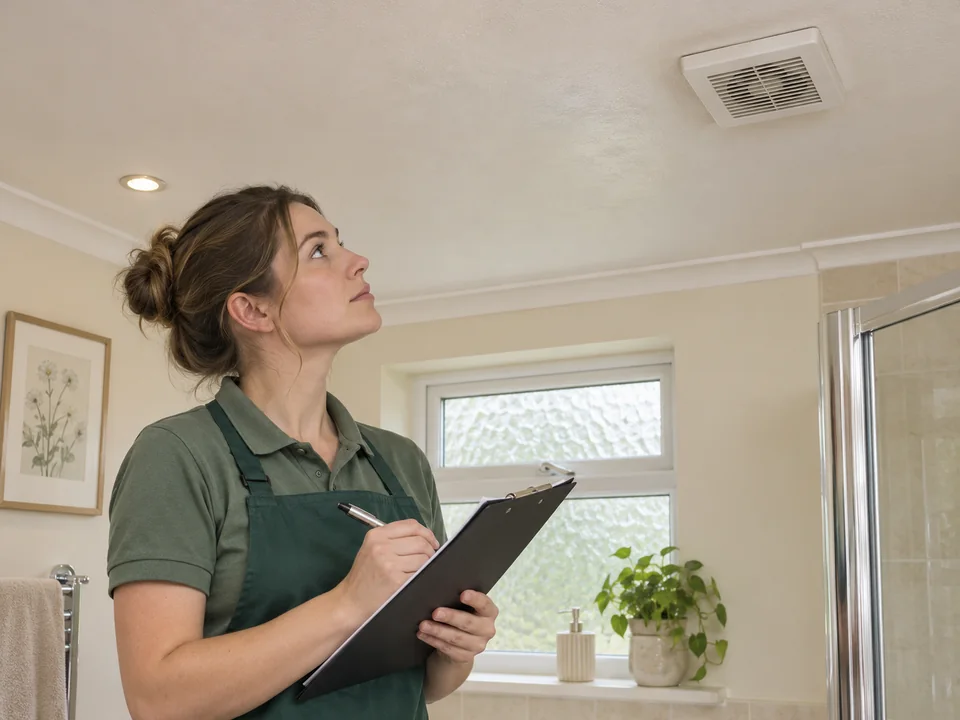
Before agreeing a visit, ask which outcome you can expect to discuss at its conclusion. A visit to look at the affected area may help establish what is suitable for surface work and what has to be considered separately. If treatment is agreed, identify which rooms and surfaces it covers and what preparation, access or follow-up has been agreed. Keep a simple note of outstanding building questions. If the original enquiry was for an area next to a repaired pipe, for example, the record should make it clear whether the condition of the wall behind the finish still needs attention.
Sometimes the person receiving the findings is different from the person opening the door. If you hold the tenancy but the letting agent arranges work, clarify who needs a record after the visit and who will take the next decision. A dated set of photographs and a short room description help both parties identify the same patch later. If the appearance changes, refer to that record when getting back in touch. The condition of the room over time matters for any decisions about another assessment or further work.
Use the visit preparation page to organise the details before you call. Have the full Teddington address, the affected surfaces and a clear account of access ready. If you are also moving out, discuss end-of-tenancy cleaning as a separate work item and leave time for any building assessment to be arranged. This gives everyone a clearer view of what can be considered under each enquiry before fixtures or belongings are moved.
| Point in the enquiry | What to agree |
|---|---|
| Before pricing | Affected rooms, materials, access and whether an assessment is needed |
| Before a visit | Who can open the property and who can approve a change |
| At handover | What was considered, what was agreed and what remains outstanding |
Questions about arranging mould removal
Can I ask about a patch near the loft hatch if no one has looked inside the loft?
Yes. Describe what is visible from the room below and say that the space above has yet to be inspected. Ask who would need to assess the loft separately.
Our flat entrance is round the corner from its High Street address. What should I tell you?
Give the postal address, then name the street used for access and how the residential entrance is marked. Confirm any entry arrangements when you discuss the appointment.
Does the enquiry change if the patch is on a wall shared with the neighbour?
Identify the wall and what you know about the other side. A visit to your room needs to be agreed separately from permission to inspect a neighbouring property.
Can two residents each report a patch in a different room?
Yes. Label the rooms separately and say which person can provide photographs or open each room. Agree who is handling the overall enquiry and quote.
How should I describe paint that bubbled after a leak?
Give the date of the leak and the repair if known, and say whether the finish has changed since. Ask if the condition needs investigation before you discuss surface cleaning.
Can you quote for a cupboard front and the wall behind it together?
Describe both as separate surfaces and say which area can actually be seen. If the rear wall is concealed, discuss how that area could be assessed before it is included in a quote.