 Housekeeper
Mould Removal in Richmond
In Richmond, start a mould enquiry with two descriptions: the route to the affected place and the materials you can see when you get there. Include the full postcode, an indication of the size and any history of a repair. We can discuss which surfaces can be considered and what may need further investigation first.
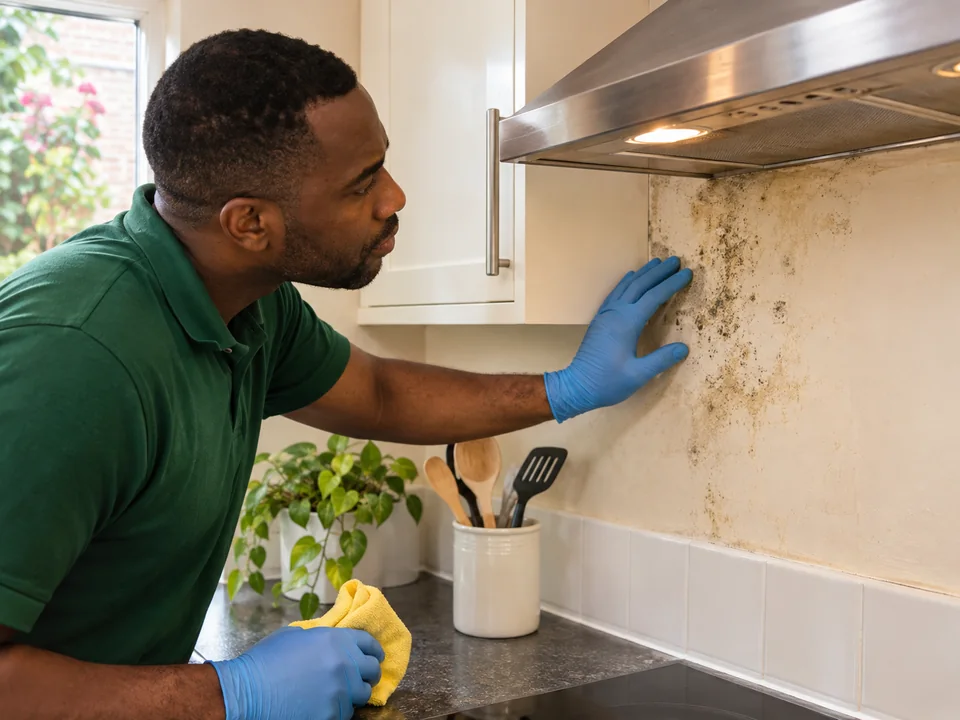
Which details help for a property on or below Richmond Hill?
Share the full address, access level and visitor entrance. Say if the door is reached from another street, through a garden or by steps.
Can I ask for prices before a visit?
Share dimensions, finish and photographs where safe. Tell us about any hidden area or unresolved repair that could affect a quote.
Start with the approach from the street to the affected room
Explain where the person attending should arrive, including the full postcode and the appropriate entrance. Richmond Hill and the riverside occupy different levels. The council's Richmond Hill conservation-area appraisal discusses routes connecting the two, including Nightingale Lane. A description such as near the river can be helpful for orientation, but it is too broad to arrange entry. Confirm whether the property has access from its postal street, a service entrance elsewhere or a path down steps to a different level. If relevant, say who can open a gate and what can be brought through it.
Where a building has several flats, tell us the actual floor and where it sits relative to your entrance. The same room can be at garden level on one side and below the entrance on the other. Use the resident's route to explain these changes rather than relying on a floor number alone. Indicate whether there is a narrow part of the path, a slope or a set of steps before someone reaches the room. If the person meeting a visitor normally uses a different door, agree which entrance is intended before a time is proposed.
Share any property-specific rules that affect entry. Some addresses may have a hallway shared with other residents, an entry system managed by reception or limits on using an outbuilding. Let us know who can arrange access to the part involved. Give general restrictions on the first call and keep any sensitive entry information for the agreed contact channel. If a holding key has to be returned to a separate place, explain the time and location that govern the visit rather than treating it as a detail to arrange on arrival.
If you use a rear or lower entrance for everyday access, say whether it can also be used for a visitor. Mention how long the approach is, which gate is accessible and whether it connects to the correct part of the property. If two routes have similar house names, give a simple written direction that starts at a recognisable public entrance. A visitor should not have to cross another private area without the resident having agreed it first.
- State the street approach as well as the floor.
- Name the person able to open a gate or shared entrance.
- Mention steps, narrow approaches or an entrance at a different level.

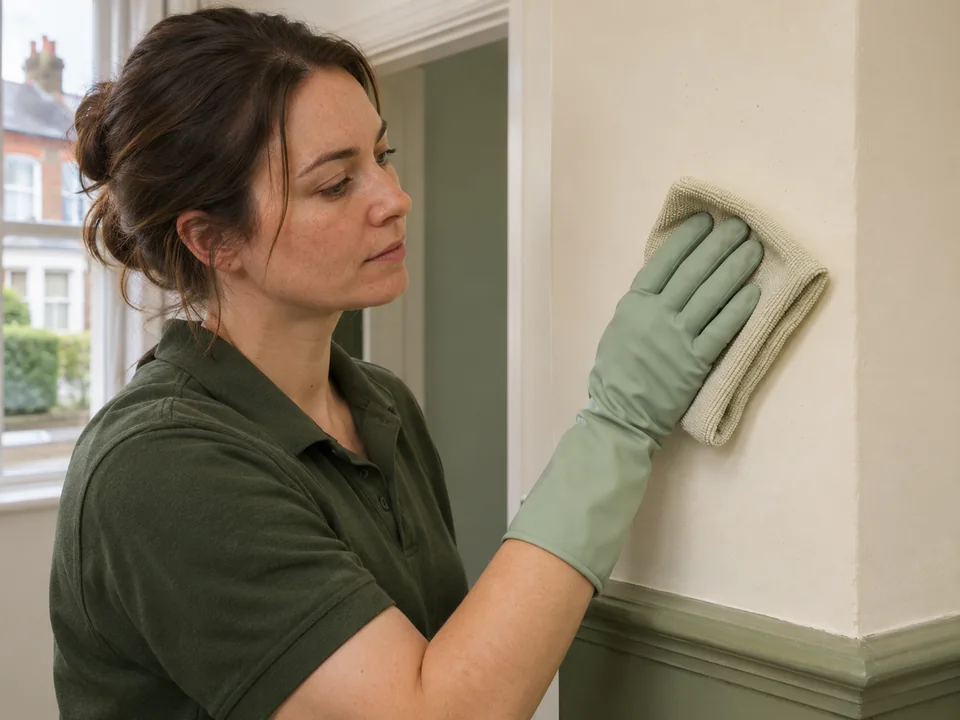
Use a four-point record to explain the visible condition
We review the position, size and visible material together when considering whether a surface can be included. A hard trim and an adjoining porous finish may require different decisions even when they are part of the same visible patch. We discuss the suitable exposed area, access and any preparation, and identify what still needs advice before the work is agreed. If the extent changes when it can be viewed, we confirm the new information with the contact before considering any additional work.
Describe each affected area by its position, dimensions, visible finish and current condition. Start with the room and a fixed point, for example the lower part of the wall next to the left edge of a bay window. Add approximate height and width. Then describe the material and its visible condition. Say if it is painted, tiled, papered or unknown, and mention lifting, cracking or water marks. Working through those four details makes a report useful even if you cannot provide a photograph.
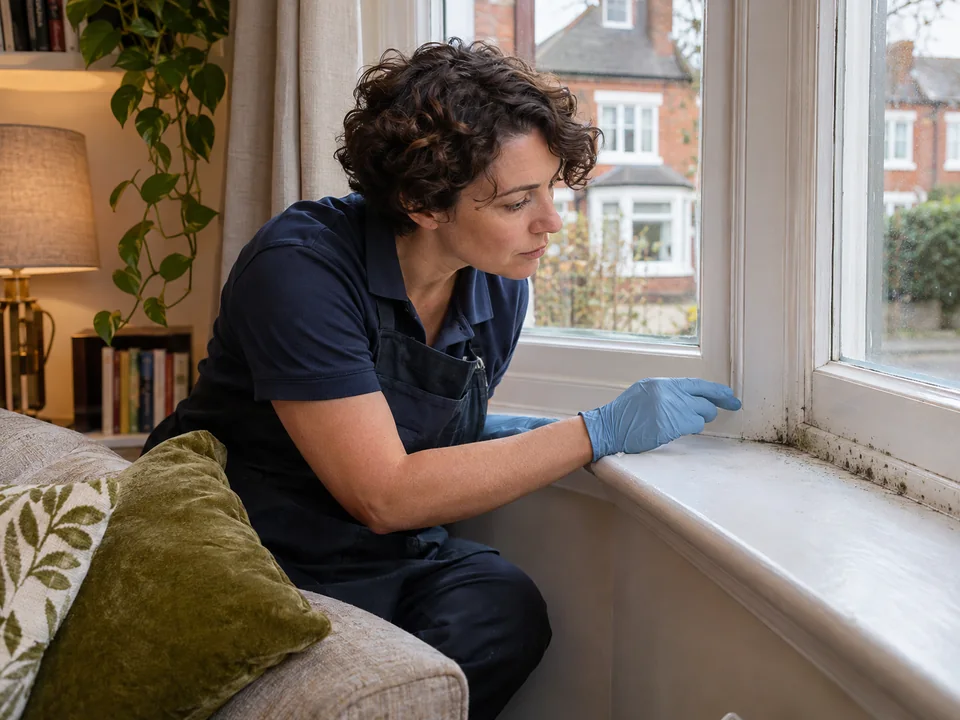
Where a room has several finishes, list the points where the affected patch crosses a boundary. A wide photograph of a bay window may show paint, trim and a window covering near each other. This can change the questions asked before work is considered. If you are not sure whether nearby fabric shows the same issue, identify it as an item you want assessed separately. Mark anything you cannot see because it is behind fixed storage, under a raised floor or beyond a panel. Leave covered parts in place until the responsible person has discussed how to assess them.
Include the surroundings of a high patch as part of the record. If a portion of ceiling is above stairs or a fitted bath, explain what lies beneath it and how high it sits. Do not try to judge material condition by reaching into a place that is difficult to access. The office can discuss whether the area needs to be viewed and which access arrangements would have to be agreed. If you have information from another contractor, give the date and state which room they actually reviewed.
Give dimensions that reflect the visible extent rather than the number of marks you can count. A long thin strip may cross more than one joint while a single wider patch may sit entirely on one finish. If you are only estimating, say so and describe where an assessment would have to take place. Use the existing room photographs to mark approximate limits if the space cannot safely be approached with a measuring tape.
| Point in the room record | Example of a helpful description | What to discuss |
|---|---|---|
| Position and dimensions | A strip beside the bay window, with approximate height and width | Which area you want assessed |
| Finish and condition | Painted surface with an edge lifting next to timber trim | Suitability or further inspection |
| Access | Reachable wall face beside a fitted cabinet | Whether adjoining areas can be seen |
| History | Area was noted before a reported leak was repaired | Whether the source or drying needs review |
Match the next decision to the material
A visible hard surface and a porous material next to it can require different decisions. The enquiry should identify both. It may be possible to discuss surface work on one area while another item needs an assessment of its condition or advice on replacement. Note the difference without removing pieces of wall covering or disturbing affected possessions. A close photo of a spot on hard trim will not show, by itself, whether there is concealed damage in the adjoining material. Give the wider context so the treatment question can be discussed for the right surface.
Give details of alterations, decoration or repairs if they may change how the finish can be approached. This is especially useful if the affected area was painted over recently or if a room has a wall covering that needs special handling. Where the finish is protected, valuable or difficult to identify, ask who can provide the information needed to consider work. Describe the patch and any visible loss of material separately. If a property contact must authorise particular work, identify that person before discussing appointment times.
If moisture is still present, or earlier marks have returned, consider what information is missing before agreeing surface work. Record observable changes and any known events, such as a plumbing visit or water appearing around a window after rain. Keep observations separate from conclusions. A building assessment may be needed to establish the cause or check concealed material. Ask who will handle that assessment and how the office will receive any findings relevant to the proposed visit.
- Identify porous items beside the visible surface separately.
- Explain prior decoration and repairs by date if known.
- Flag unresolved moisture or materials that cannot be seen.
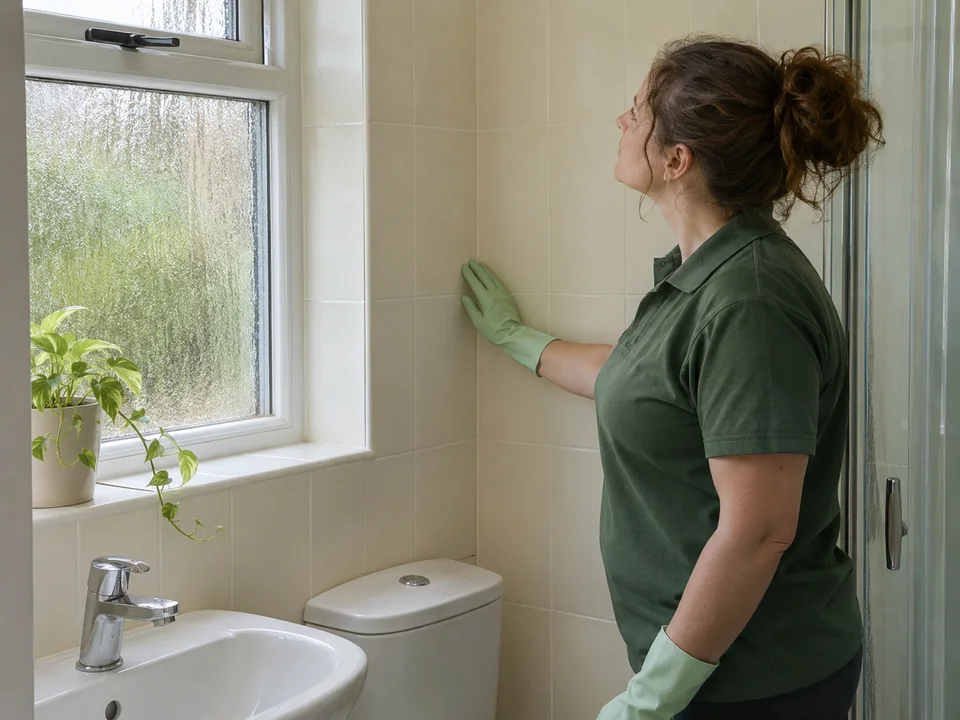
| Surface or item | First step to discuss | What might be separate |
|---|---|---|
| Intact painted finish | Review the affected boundary and paint condition | Checks on ongoing moisture |
| Paper or porous covering | Establish visible condition without disturbing the material | Review of backing or replacement |
| Timber next to another finish | Identify the coating and both visible areas | Decision on unsuitable or sensitive finishes |
Price the work that can actually be agreed
When you call for a quote, give a list rather than a single total for the whole property. Say which affected places you want to discuss, which can be accessed and which need a decision from another person first. Ask how the proposed price is calculated and what happens if the surface condition differs once the area can be reviewed. A quote may depend on assessment before surface work can be agreed. Where a particular item or room is awaiting inspection or access, keep it separate so the quoted work is clear.
If preparation or protection is required, ask what is expected and who will do it. For an occupied property, confirm which rooms need to remain available and which belongings should stay as they are. Mention furnishings on the route to the affected room, not only the ones beside the patch. Say if the visit must fit between keys becoming available and an appointment with another trade. The office needs the time window and practical limits to discuss an arrangement that reflects how the property can be accessed.
If the room must remain usable at particular times, tell the office before agreeing a slot. For example, a household may need access to a desk or storage while a different part of the room is being discussed. Make the times specific enough to plan around. If another person needs to move belongings safely or identify a finish first, confirm whether that has been arranged and who can give the update.
| Cost question | Details affecting the answer |
|---|---|
| Which rooms are being considered? | The affected area, number of finishes and available access |
| Can the price be agreed before assessment? | What is visible, what remains unknown and what history is available |
| Is another visit or trade needed? | Who must review concealed damage or the cause of moisture |
Record the handover and any decisions still open
During an agreed visit we keep to the surfaces and locations already identified. We check the approach to the work area and the arrangements for any adjacent belongings before beginning. At handover we describe the areas included and mention any work still dependent on an access, repair or material decision. That gives the person arranging the next visit or another trade something specific to pass on. The agreed treatment removes visible mould from suitable accessible hard surfaces, with adjoining porous materials kept under their own assessment decision.
Set aside a few minutes for the person arranging the visit to collect the agreed information about the areas reviewed. Note which places could be seen, which were inaccessible and which need another decision. This is particularly useful when different people will be responsible for access and any later repairs. Pass on the record to the named property contact instead of relying on a verbal description that may lose the distinction between work agreed and an area discussed for future assessment.
If there is an upcoming checkout or decorator's visit, record its date and tell the relevant person whether a separate inspection is still outstanding. A clean-looking surface alone cannot tell them whether hidden material has dried or a reported defect has been repaired. If visible signs return, note the exact location, when you saw them and whether a recent repair or change in use is relevant. Ask who should review the new information before arranging another visit. For additional household cleaning, give the office a separate room or task list so that request can be discussed on its own.
If the original enquiry came from a tenant and the owner is taking over the next discussion, send the location record and any material notes together. Give dates instead of a general statement that a patch is older or newer. If a later contractor is only reviewing one room, mark that on the record so the handover does not suggest the remaining areas were also inspected.
- Retain the address, room record and separate repair references.
- Confirm who receives any information about the agreed visit.
- Record areas left for assessment before arranging other work.
Questions about arranging mould removal
My address is on a slope and the entrance is below street level. Does that affect the enquiry?
Tell us where the visitor should arrive, the steps or path they must use and which entrance leads to the affected room. The full address remains essential.
Is a sketch enough for a first quote discussion if I cannot photograph the area?
A sketch can give the dimensions and position. Add the visible material, access conditions and any moisture history, and ask what would still require an assessment.
There are marks on the window trim and a fabric blind. Can they be assessed together?
List them on the same room record but as different materials. Ask which surfaces are suitable for a first assessment and what should remain undisturbed.
A tradesperson has checked the roof but the ceiling still looks marked. What information should I share?
Give the date and location of the roof review, any finding you were given and the current condition of the ceiling. Mention whether drying has been confirmed.
Can I combine the estimate with a visit to clean unaffected rooms?
Give the office separate lists and ask which work can be considered independently. This helps distinguish everyday cleaning from decisions about the affected surfaces.
How can I help a new property manager pick up a follow-up?
Give them the room record, dated photographs, contact details for any other trade and which issues still need a decision. Include the original visit reference if you have one.
Other Cleaning Services in Richmond
See how cleaning quotes are discussed, Browse service areas, Prepare the visit details