 Housekeeper
Mould Removal in Mill Hill
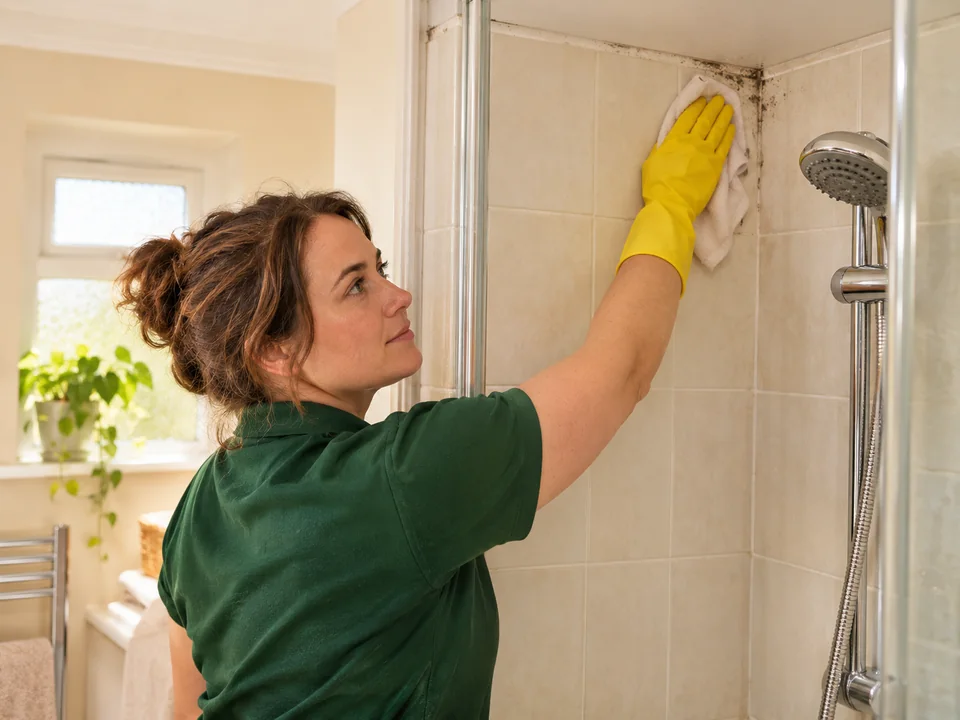
For a Mill Hill mould removal enquiry, we take the room details and visible condition first. We then agree how to reach the area and which suitable hard surfaces can be cleaned, with a clear review of what was covered at the end.
What property details do you need around Mill Hill Broadway?
Provide the full NW7 postcode and the entrance to the house or flat. Mention any path or steps to the room.
Do you assess a room if part of the wall is concealed?
We discuss the exposed section and record anything that needs separate access.
A clear brief before we assess the visible finish
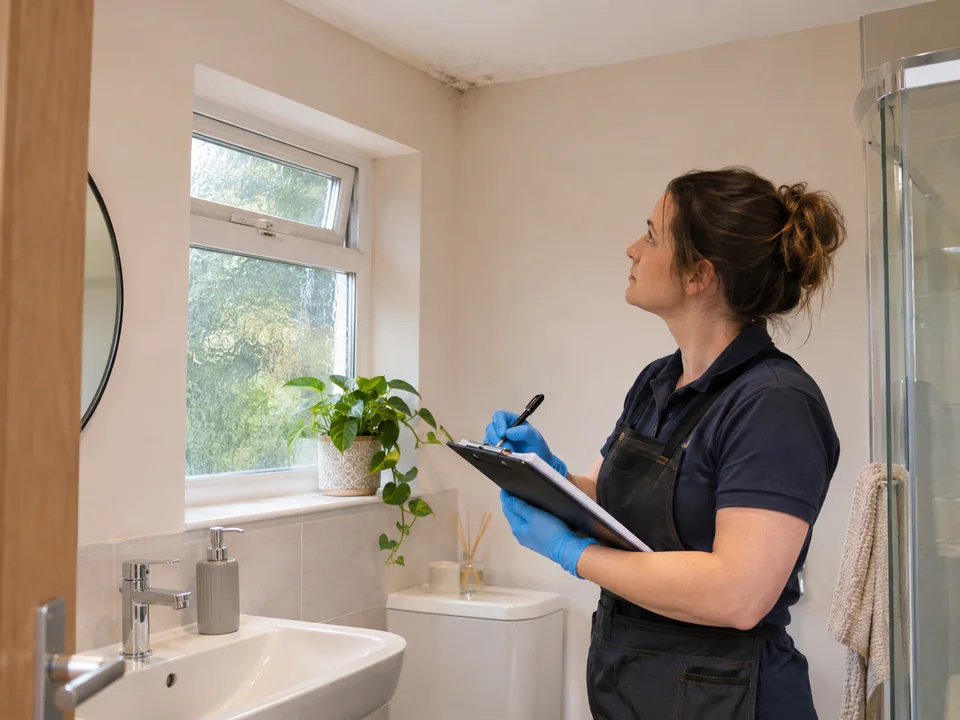
We ask what you have noticed, where you can see it and which decision you want to make. The main concern might be an exposed wall in a room used less often, a visible patch near storage or a mark around a painted window. Name the room and the surface rather than giving us a description of the property alone. Include an approximate size and an overall picture if one is available. We use these details to discuss whether a visit is needed to assess the material and what we can expect to see.
Tell us which part of the wall or fitting remains covered. If only a thin strip can be seen beside a fixed unit, describe that strip and the item that hides the rest. A whole room may be available for entry even when one finish cannot be reached. We distinguish entry to the room from access to the visible position before discussing any treatment. If there are several places to assess, indicate which one you want us to consider first. Where different people have reported marks, ask them to label the room and date on their own observations.
We also take the name of the person who can admit us and any separate contact able to agree work. If a report from another professional concerns the same position, provide the date and a summary of the findings you have. We keep earlier observations separate from the current appearance so the first discussion concerns what can be assessed now.
- Describe the active enquiry and the visible surface it concerns.
- Identify areas concealed by fittings or room contents.
- Name the person who can provide access and agree the next step.
Set out the approach for an NW7 visit
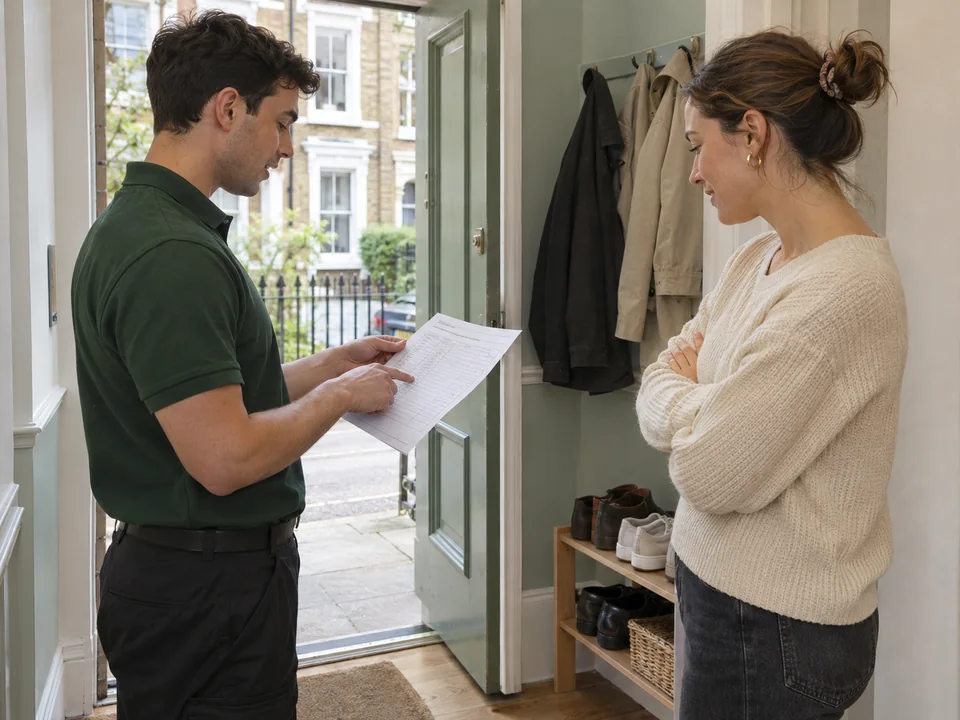
Barnet Council lists Mill Hill Park in NW7 and identifies Mill Hill Broadway as a station for the area. If the property is in the surrounding streets, give us the full address as well as the doorway or path to use. A location described by reference to the Broadway can still need clear directions to an individual home. If the approach is through a side passage or a separate door to a converted part of the property, tell us how the keyholder will make it available. Explain steps or space restrictions near the room that affect practical access.
Some arrangements involve more than one person. An owner may be able to confirm the property details but rely on a family member to meet us or an agent to arrange key collection. We ask where keys should be collected and returned, which door they open and what happens if the usual route is closed at that time. At a block with shared access rules, check those with the relevant contact. We use the practical entry arrangements to discuss a date that works for the property and the person who can actually show the finish.
| Access point | Details to give us | Who can confirm it |
|---|---|---|
| Outside approach | Full address and specific doorway or path | Resident or person arranging access |
| Inside route | Steps, room position and any fixed restrictions | Person familiar with the layout |
| Key handover | Collection and return or contact on arrival | Named keyholder |
Assess the accessible surfaces and compare adjoining materials
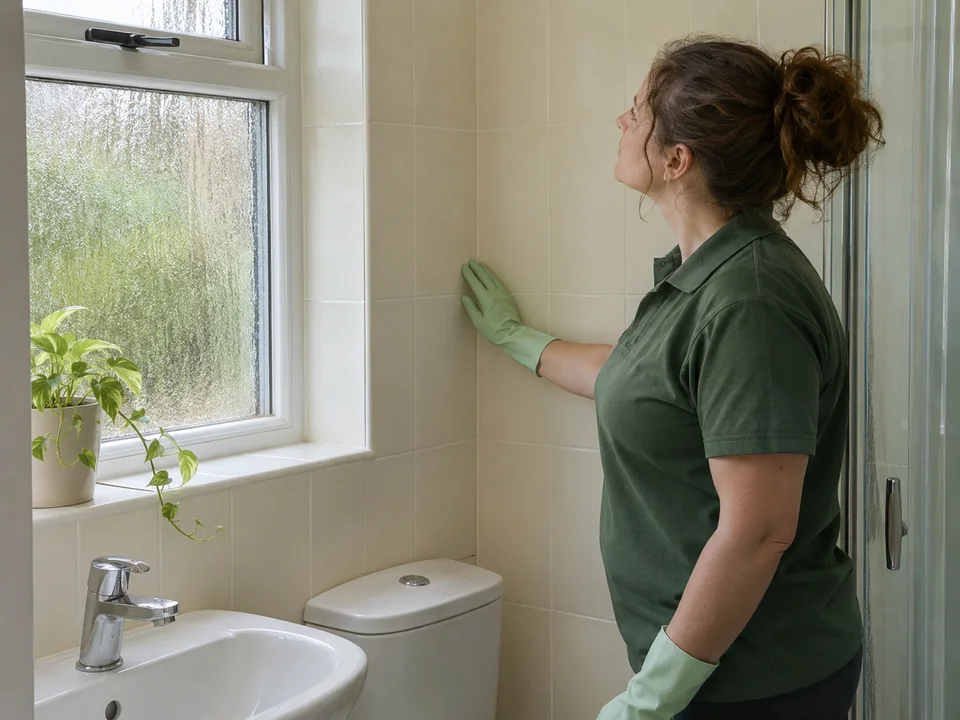
We assess the exposed finish and the part of the room around it. Describe where a patch sits relative to skirting, a fitted feature or a window opening. If one material ends and another begins, put that in the room record. A glazed hard face beside a worn seal or damaged painted area may need separate decisions. Tell us what looks loose or porous and what remains concealed. We can discuss the visible position without assuming the material behind it is the same. Where the surface condition raises a different question about a damaged finish, we identify it before we agree work.
If a previous visitor has looked at the area, state what section was accessible then. A repair or decoration record can be useful, but it should not replace a description of the finish now available. Give the dates you know and say if any further property work is expected to change the access or material. We review whether the proposed appointment can consider the visible surface or whether another person needs to establish something about the building first. The proposal should say what can be considered and what will remain outside it.
If a window recess is the affected position, describe where the mark sits on the reveal, sill or frame. An assessor may need to distinguish a hard face from a neighbouring seal or another joint. If a curtain or blind prevents a view of the upper edge, tell us what can be seen without altering the fitting. A complete description identifies the exposed face and the access limit separately, so whoever attends knows how far the assessment can go.
| Surface | What we assess | Decision for the visit |
|---|---|---|
| Exposed hard finish | Present condition and visible boundaries | Whether suitable cleaning can be agreed |
| Porous or damaged finish | What can be seen and whether the surface is sound | Whether material or property assessment is needed |
| Finish behind an item | Exposed face and access restriction | Which part remains outside the proposal |
Agree preparation around the named room
We discuss how the room should be prepared once we have considered the accessible finishes. Tell us about shelves, storage and furniture along the route, especially where removing something would require permission or another appointment. We identify which things should stay in place and what arrangements can make the agreed area accessible. An item visible on a photo may only be there temporarily, so let us know if the room will be different when we attend. If the exposed area changes, we discuss the new condition before relying on the original proposal.
If occupants need access to an adjoining room, explain which route should stay clear. Tell us who can provide the required access and whether any preparation depends on another person. If work by another trade is planned beforehand, say which finishes it may uncover or alter. We discuss the order if it changes which surface can be considered. This helps ensure that the first view of the room can answer the right question and that ongoing access arrangements are understood by the people using the home.
- Identify what can stay fixed and which areas are still concealed.
- Confirm the access route and people responsible for it.
- Tell us about planned work that changes the visible material.
Clean the agreed hard surfaces and review the outcome
We physically remove visible mould from suitable accessible hard surfaces after confirming the preparation and the named areas. We match the proposal to the condition we can see at the property. If an adjoining finish is damaged, porous or cannot be reached, we explain whether it needs a separate decision instead of assuming it is included. The work stays within the surfaces considered suitable and agreed. At the end, we review the visible areas covered and clarify which positions were excluded from the appointment.
We discuss aftercare for the cleaned surfaces and make any separate issues clear to the property contact. The assessment or cleaning handover can identify a surface we have seen and a nearby section that remained concealed. If another professional is responsible for investigating or repairing a different part of the property, we maintain that distinction. Use the same names for the visible areas when sharing the findings so that later work does not get confused with the original surface visit.
If something unexpected affects the proposed work, we discuss the decision with the person authorised for it. A room may still be entered even if one section is unsuitable for treatment. We explain what can be done within the original agreement and what needs a new decision. At handover we confirm the finishes that were actually treated, so a written record can be understood without repeating the whole original enquiry.
When we review the work, we can identify it by the same features used to locate it before cleaning. Name the room and the position relative to the doorway, window or fixed item. If the mark originally continued onto a finish outside the agreement, note where the boundary between them lies. This helps a household compare later observations with the record and ask the appropriate contact about a different finish that remains under consideration.
| Stage | What we do | Record afterwards |
|---|---|---|
| Preparation | Confirm the accessible room and suitable finishes | Agreed position and access limits |
| Surface work | Physically remove visible mould from the agreed hard surfaces | Locations cleaned and materials left for a separate decision |
| Review | Review the work and discuss aftercare or further questions | Surface update, exclusions and responsible contact |
Set the price and discuss any later cleaning separately
We base the proposed quote on the visible areas, the finishes and the practical arrangements agreed. If another location has been reported since the enquiry began, tell us where it is and explain what can be shown. Ask which areas the quote covers and whether the proposal is for assessment or agreed surface cleaning. If a further decision is needed, confirm who will deal with it and when the information is expected. A separate property appointment can change how a room is reached, so tell us if the timing of your visit depends on it.
If you also want regular housekeeping or a spring clean, give us a different list of tasks and rooms for that visit. We can discuss the timing after we understand which rooms are available and what needs to happen first. The person opening the home can give us the appropriate room notes for each visit. If the visible condition changes before the date, let the office know and explain which area is now affected. This helps us confirm whether the existing arrangement is still suitable or should be reviewed.
Tell us ahead of time if you are unsure who can receive the final review. We can make that contact part of the appointment details.
- Confirm whether the price is for an assessment or agreed surface work.
- Give additional cleaning its own room list and timing.
- Keep a named contact for any later decision about the property.
Questions about arranging mould removal
Can I give Mill Hill Broadway as the location?
Use it as an orientation point if useful, but give the full postal address and the actual entrance to your dwelling.
What details help around a fitted cupboard?
Describe the exposed strip, the finish and which portion the cupboard hides. We discuss what can be assessed while it stays in place.
What do you clean during the agreed visit?
We physically remove visible mould from suitable accessible hard surfaces that have been agreed and prepared.
Can a different person hold the key and accept the proposal?
Yes. Tell us which contact can show the room and which person is responsible for approving the work.
How do you handle a mark that remained beyond the visible section?
We explain the boundary of the areas covered and record any concealed portion for a separate decision.
Can I ask you to arrange spring cleaning too?
Yes. Give the rooms, preferred timing and general cleaning tasks separately so we can discuss that visit on its own terms.
Other Cleaning Services in Mill Hill
Mould removal enquiries in London, Regular domestic cleaning, Spring cleaning