 Housekeeper
Mould Removal in Islington
When mould appears across several rooms in an Islington property, it helps to start with what can actually be seen. Give the office a room list, the condition of each finish and any known repair history. We can then discuss what can be assessed and which decisions may need a landlord, managing agent or building specialist.
Plan your enquiry
Can I enquire about mould in an N1 flat?
Give the full postcode, floor, number of affected rooms and the route into the building when you contact the office.
I rent a council home in Islington. Who should I tell?
Islington Council publishes a dedicated damp and mould repairs route for council homes. Report the concern through their housing service.
Build a room record before discussing availability
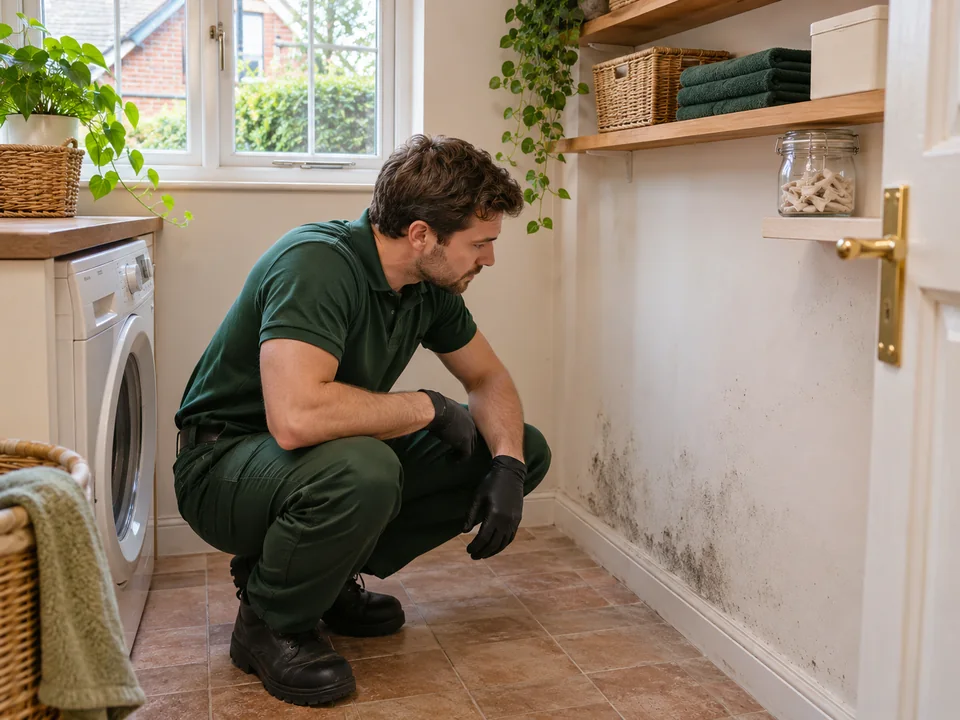
If the same property has a ceiling mark in one room and changes near the floor in another, list them separately. Start with the room, height and the closest feature, such as a door opening, pipe run or window. Say whether the affected part of the room is accessible as it stands. Include an approximate width and length, or explain which part of a full wall face is involved. If several patches sit next to each other, a view showing their relationship is useful. If they are separated, give each one a location so the office knows how many areas you want discussed.
Put the rooms in the order a visitor would reach them. On a split-level property, explain when the route changes level and which rooms are reached through another room. Give the complete address including the flat number. In N1, an address described as near Angel or Barnsbury still needs enough detail to identify the right building and entrance. Islington Council lists Barnsbury as a conservation area. If access depends on arrangements for a particular building or on the protection of a finish, tell us what the owner or property manager has agreed.
Describe when you first saw each mark and whether you have photographs at more than one date. Tell us if a patch was visible at the start of the tenancy, first appeared after known water damage or was discovered when furniture was relocated. A room record is useful even if appearances have changed. Make clear which details you saw and which came from a previous occupier or contractor. If a photograph only shows part of a wall, give that context instead of asking the office to assume it shows the full extent.
- Number the affected rooms in the order they are reached.
- Record when each patch was first noticed.
- Pair wide photographs with a room and floor description.
Break a wall or ceiling into the surfaces you can identify
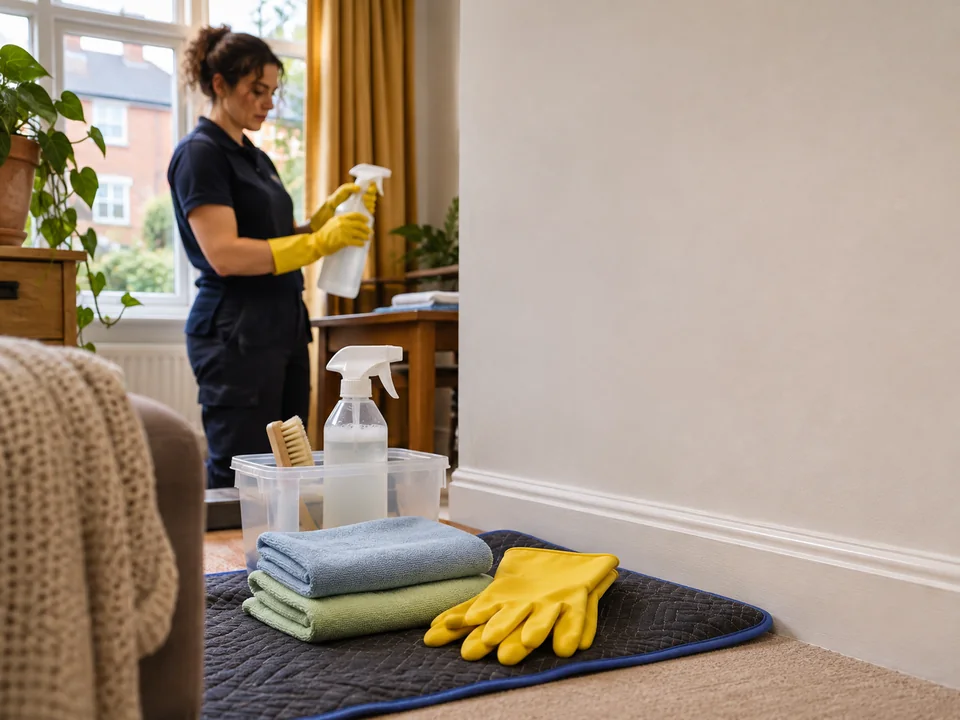
We use the room record to discuss assessment in a sensible order. Where an accessible patch on a wall continues onto a ceiling or into a recess, we consider the surfaces and approach separately. We can then explain what can be considered for cleaning and which part needs another contractor or the property manager to review. A visible condition that differs from the first description can change what is appropriate, so we discuss any change before extending the work.
A visible patch can cross a boundary within the same room. For example, it might begin on a painted ceiling and extend into a papered recess or down a junction with a timber trim. When you describe the locations, note where the surfaces change. Include whether the finish has softened, lifted, blistered or been painted over. A photograph from the room doorway can show boundaries that are easy to miss in a close view. If you cannot identify the finish, say so. That is more useful in an enquiry than giving a confident material name from appearance alone.
Where a wall is covered by storage, identify how much is visible and whether the unit is fitted or freestanding. Describe the material around the edges of the visible patch without removing any panel or lifting paper. Flag signs on nearby items such as fabric or stored boxes separately so there is a record of what you are asking about. The condition of concealed material may require a further assessment by the appropriate person before it can form part of an agreed visit. Make a note of anything that should stay in place until that happens.
Ceilings need their own access description. A ceiling patch above an open floor is different to one over a stairwell, a fitted bath or a landing with a change in floor level. Tell us how high it is and what sits beneath it. Explain if the adjoining room or flat is relevant to a known leak and who can arrange access to that space if it needs checking. Photos from a safe floor position are enough for a first conversation. The office can discuss whether the area needs to be reviewed before any work can be quoted.
| Visible location | What to record | Decision needed |
|---|---|---|
| Ceiling extending into a recess | Height, access and change of finish | What can be safely assessed |
| Wallpaper next to painted plaster | Which side is affected and any lifted edges | Whether a finish or material needs separate review |
| Behind fitted storage | Visible boundary and obstruction | Who can establish the concealed condition |
| Item next to a wall patch | Item material and distance from the wall | Whether it is a separate assessment |
Distinguish reports from findings in a shared building
Give any known maintenance story in chronological order. A useful account separates the date a resident noticed marks, the date a repair was reported and the date somebody attended. If an occupier was told the leak was fixed but has no detail, describe it that way. If a contractor said the wall still required time to dry, give the wording or note the report that contains it. These details help explain why treatment might be under discussion even when a separate repair has already taken place. The timeline cannot establish the cause on its own.
In a council home, Islington Council provides a damp and mould repairs route. Private renters can raise building issues with their landlord and consult the council's housing guidance if problems persist. In a leasehold property, check who deals with repairs that concern shared parts of the building. If the ceiling or wall separates your home from a shared hall or another property, give the office the access details you are authorised to share. Arrange any assessment of adjoining areas through the people responsible for those spaces.
Mark anything that is awaiting a repair decision. If the same issue has appeared again after earlier surface work, describe where and when it happened and note what work was previously recorded. An apparently dry surface may still need further review if the building history is unclear. Ask who will establish whether a suspected moisture source needs investigation. Where there is a current defect or the condition beneath a material cannot be established, further property assessment may be needed before agreeing a surface visit.
- Separate the date of discovery from repair and inspection dates.
- Identify the property contact responsible for an adjoining or shared area.
- Mention previous work and exactly where marks returned.
| Information type | Example of a useful record | Next conversation |
|---|---|---|
| Observation | New mark below a ceiling joint | Locate the area and agree which room is involved |
| Repair report | Visit date and part repaired | Check what information is available about drying |
| Current concern | Signs visible again near the same joint | Discuss assessment or further repair with the responsible contact |
Set the terms of the visit before access is agreed
The enquiry should identify which locations may be accessed and who will decide if another room needs to be considered. If a landlord is booking on behalf of somebody else, check the resident knows what time is proposed and which rooms the visit would involve. Give details of permission to enter and any changes to the arrival route during the day. If the place is occupied, note which rooms need to remain available. Tell us about possessions or fixtures that need to remain undisturbed rather than assuming the person attending can decide what to move.
Before accepting a proposal, ask which parts are for assessment and which are for agreed surface work. Discuss what happens if the visible extent differs from what was described or if the material appears unsuitable for the proposed treatment. Confirm whether clearing space, gaining access to a high patch or requesting a further inspection needs to happen first. Ask how delays or another visit would be dealt with if the parts of the property concerned cannot all be accessed together. Keep those arrangements with the estimate so everyone involved can see them.
If the property is between tenancies, give the inventory or inspection time and say which surfaces are expected to be available. Keep any move-out cleaning or routine housekeeping request distinct from the mould enquiry, particularly when a room is waiting for a repair decision. Confirm who will collect keys and read the outcome. If a subsequent trade is booked, identify whether they need to see the area before they start. This helps the person coordinating the property avoid booking decoration or further cleaning before issues have been discussed.
- Confirm who can allow entry and agree changes on the day.
- Identify any tasks that depend on a repair or inspection first.
- Tell the office about handover dates and other bookings.
| Visit stage | Check before proceeding |
|---|---|
| Arrival | Which entrance, rooms and contacts have been agreed |
| Assessment | Which boundaries and surfaces can be seen |
| Possible treatment | What can be considered once the material and condition are understood |
| Handover | Who receives notes and who follows up a separate issue |
Keep later observations tied to the original enquiry
Once surface work is agreed, we confirm the rooms, access and preparation with the named contact. We keep the visit within the agreed areas and note where access or material condition leaves a decision open. At handover we discuss the locations covered so that the person organising a building check or redecorating has a clear record of what was considered. We remove visible mould from the suitable accessible hard surfaces agreed room by room, then review those areas against the original list.
If you receive notes after an agreed visit, keep them beside the original photographs. Store the contact details of the person responsible for each unresolved matter, such as access to a shared area or investigation of possible water entry. When describing a new change, give the date and position in the room using the same reference point as before. Where possible, compare observations from the same place. If signs recur, discuss what should be reviewed before arranging repeated surface work. That can help you distinguish a new request from a follow-up on the same issue.
A visit price depends on the locations and work that can be agreed. Give the office the full address, the rooms and approximate affected areas, known moisture history, and dates when access is possible. If a repair decision is pending, say what information is still outstanding. Ask what details would help determine whether assessment or a cleaning quote is the appropriate next step. When someone else is arranging a building visit, retain the separate reference number so both parties can identify what each enquiry concerns.
Where responsibility is changing, make the record usable by the next person. Give each affected place a brief description, say which visit or repair reference applies, and record which room could not be opened. For example, a caretaker may have admitted someone to a shared landing while a tenant was unavailable to open the adjoining room. Record both facts so a later request does not assume the two locations were assessed together.
If new information changes the proposed visit, ask the office to confirm the change before you rely on the earlier estimate. A room left out pending access should remain distinct from a room that was included and reviewed. Clarify which facts are still missing and whether a second discussion is needed once the relevant report, floor plan or photographs are available.
Questions about arranging mould removal
Both sides of a wall are marked. Should I list the wall once?
Identify both rooms and describe what you can see on each side, including different finishes or timings. Keep any suspected connection as a separate note.
Can I use photos from the previous tenancy to show how a ceiling has changed?
Yes. Identify the date if known and confirm which photographs represent its current condition. Mention any reported repair or decoration between the views.
The flat has two internal levels. How should I describe the route to the area?
Start at the recognised entrance, say which stairs lead to the room and mention the height of the patch above the floor or landing.
The shared hall needs the managing agent to open it. Can it be included automatically?
Identify the shared hall separately and ask the responsible manager to agree access. The office can then discuss it alongside the areas inside the flat.
Can the estimate confirm what lies beneath lifted wallpaper?
The exposed condition can be described in an enquiry. If the affected material cannot be seen, ask who should assess it before further work is agreed.
Who keeps the follow-up record when I am leaving the flat?
Agree who will receive the room list and any visit notes before handing over the keys. Keep your existing repair references linked to the relevant rooms.
Other Cleaning Services in Islington
London service areas, Discuss move-out cleaning separately, Prepare a booking enquiry