 Housekeeper
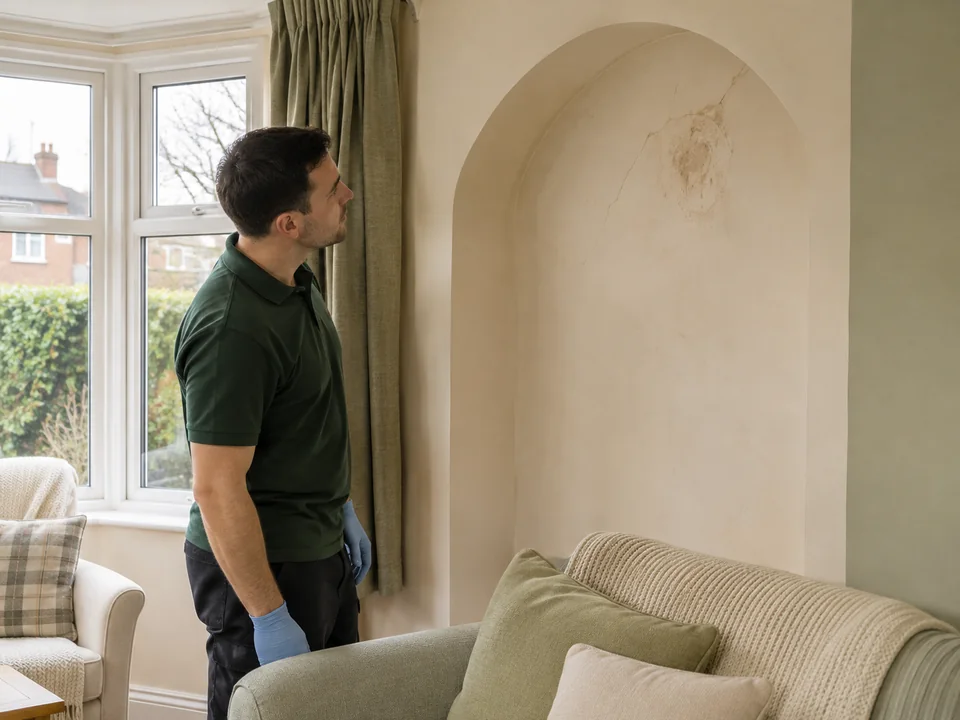
Mould Removal in Holloway
We take separate details for the kitchen and bathroom, discuss which surfaces can be assessed with the fittings in place and agree the next step for visible mould. For a Holloway enquiry, the positions of the marks and the conditions around each finish help us prepare the visit.
Can I enquire about a flat on Holloway Road?
Yes. Give the full postcode and describe the entrance. Some N7 addresses share a frontage with other premises, so the postal address alone may not identify the right doorway.
What if both wet rooms are affected?
List each patch separately, even if the bathroom and kitchen back onto the same wall.
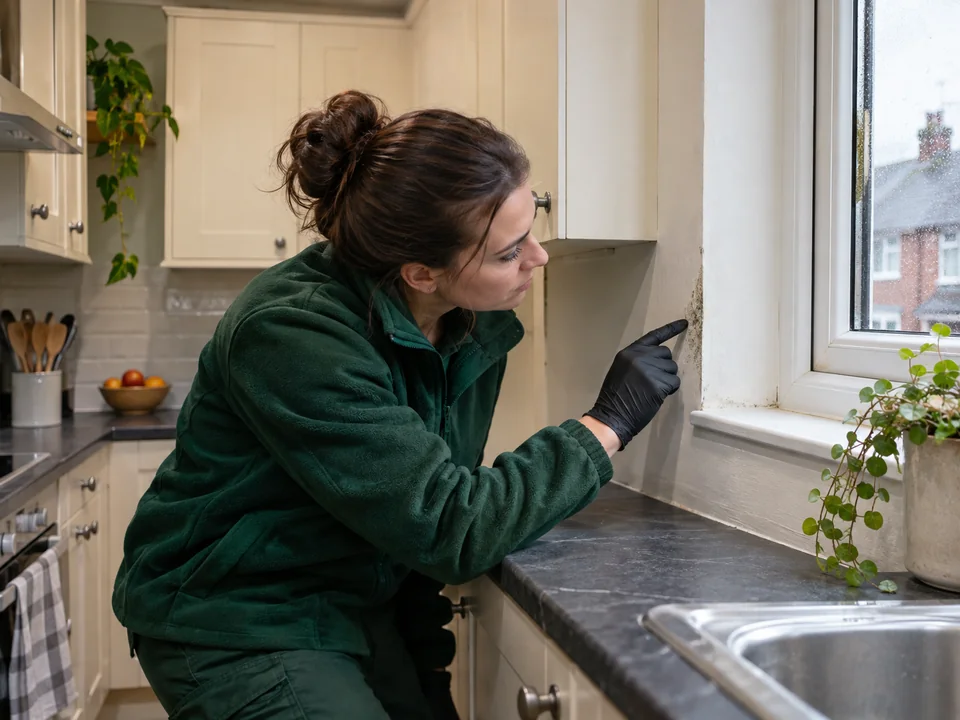
How we assess two wet rooms in one enquiry
We start by recording the exact positions of the marks and the available access in each room. Where a shower joint, ceiling coating and kitchen board are all mentioned, we review them as separate finishes. We discuss an assessment first where the images or description leave a material, access or moisture question open. After those points are considered, we agree preparation and any treatment of suitable exposed surfaces. At handover we separate the agreed surface work from any loose seals, damaged board or suspected property defect that still needs attention.
Write one short description for each room. For the bathroom, say whether the mark runs along a silicone joint, appears near a window, sits on the painted ceiling or affects the panel beside a bath. In the kitchen, specify whether the mark is above the worktop, behind a removable appliance, inside a cupboard or near an adjoining window. A description that says simply that both rooms have black spots gives the office very little to work with. A description of two places, with the finish and approximate size of each, helps us discuss whether an assessment should come before a quote.
Tell us whether you are still using both rooms normally and whether anyone has already investigated the area. In a shared home, one occupant may remember a leak while someone else has only recently noticed the spots. It helps to put those observations in order before calling. If the condition has changed since you first reported it, tell us what has grown, spread, lifted or become harder to access. The way a patch has changed can be as relevant to the enquiry as what it looks like today.
- Label observations by room, wall or fitting.
- Include an approximate width and height for each visible patch.
- Mention apparent changes between dated photographs.
Make the bathroom finish identifiable
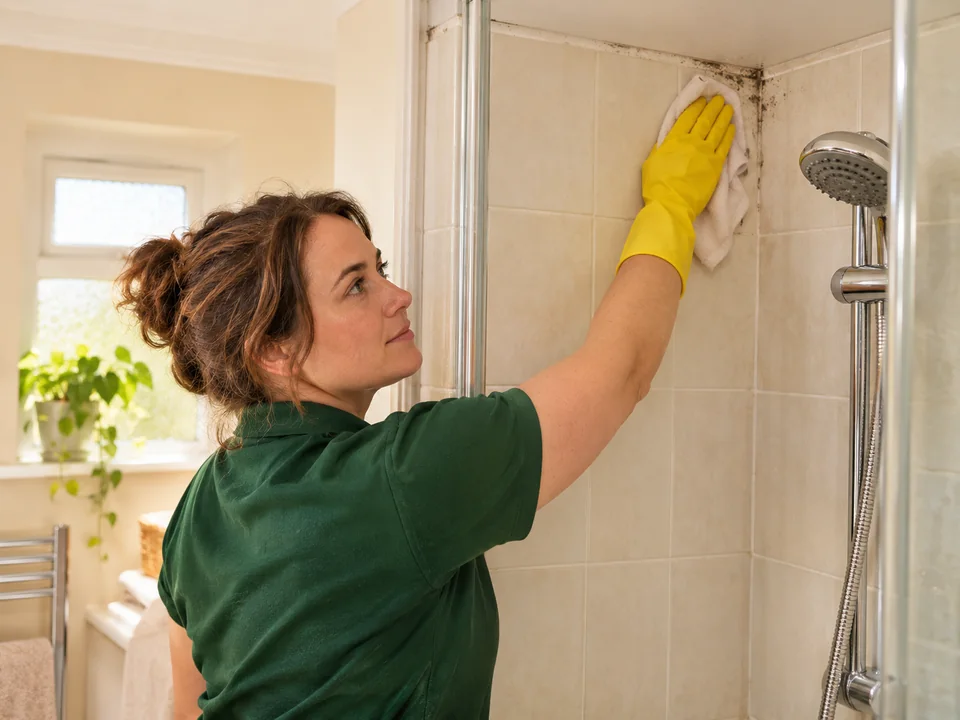
Where a patch follows a join, describe what sits either side of it. For example, the connection between a shower tray and tiled wall contains a soft seal, a hard glazed face and grout lines. They may look like a single area on a photograph, yet any proposal should distinguish the material that is marked from the adjacent material. Mention whether the seal has a visible gap, whether a tile feels loose or whether paint has lifted near the floor. These details help separate cleaning questions from work that may belong with a different trade.
On a ceiling or high wall, state the approximate height and describe the floor space immediately below. The assessment is more straightforward if the office knows that the patch is over a bath, above a shower screen or beside a light fitting. Take a wider photograph from the floor where possible. The wider view gives the position of the mark, while a close-up can capture the paint finish. If the area cannot be photographed safely, a written description from the doorway is enough to start an enquiry.
| Location | What to describe | Point to agree |
|---|---|---|
| Shower edge | Seal condition and grout lines | Which part of the join needs assessment |
| High bathroom wall | Height and fixtures below | How the wall can be reached |
| Window surround | Frame, sill and nearby paint | Which surfaces are included in the proposed visit |
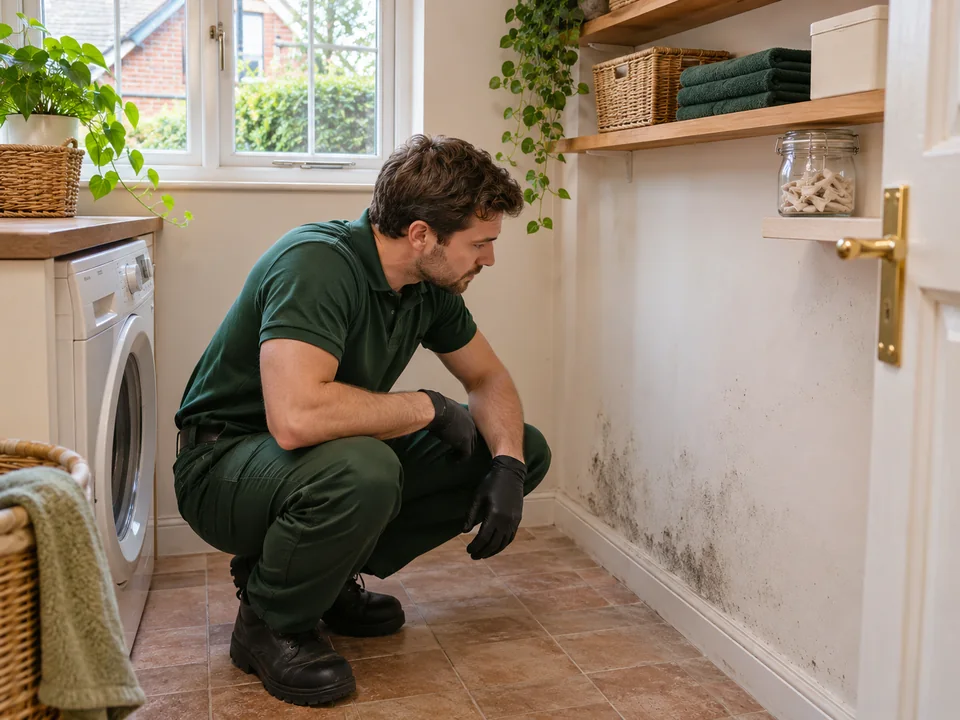
Explain the kitchen layout around the mark
Tell us what was around the mark when you found it. Under a sink, mention whether the mark is on a cabinet backing, a shelf, the wall behind the unit or a joint beside the trap. Near a cooker, explain its position relative to the hood, cupboards and splashback. Kitchen areas often have finishes that change within a few centimetres, so it helps to specify whether the surface is tile, paint, laminate or an unfinished board. Photograph the whole unit as well as the visible mark without moving fitted items to expose more of it.
If the affected area is behind an appliance and only one edge can be seen, describe what is visible with the fitting left in place. Mention whether you know who can move the appliance and whether a separate trade may be needed to disconnect it. A visit arranged to inspect the exposed edge should have a clearly agreed boundary. When a cupboard is still in regular use, ask which items should be kept away from the work area and when any preparation will be safe to do.
- List fitted units and appliances that restrict access.
- Mention where the wall surface changes material.
- Explain whether the cupboard contains items used every day.
Record changes around glazing and ventilation
If spotting appears next to a window, give the location on the frame or wall, such as the lower corner of the reveal or the joint along the sill. Say whether the nearby paint looks intact and whether the mark extends into a curtain recess or onto a blind. If the window opens onto a restricted area or furniture prevents it from opening, note that too. The information helps the office understand what can be reached within an assessment and whether any part falls outside the room itself.
Describe observations about moisture in plain terms. You might have noticed droplets on the glass after someone showers, a recurring mark after rain or a damp-looking patch next to a cupboard. A timeline is more useful than naming a presumed cause. If an extractor was recently repaired or the window was replaced, include that date and say what has happened since. We can then discuss whether the visible surface should be assessed separately from any question that requires building investigation.
| Observation | Detail to retain | What it helps clarify |
|---|---|---|
| Drops on glazing | Room, approximate time and frequency | How the condition varies |
| Mark returning after decoration | Date and which area returned | Whether the same surface is affected |
| Fan repair | What was repaired and when | Which observations came before or after the work |
Arrange arrival at the correct N7 entrance
Holloway Road has N7 addresses with flats and other premises along the same street, as shown in Islington Council’s property listings. For your enquiry, give the flat number, floor and entry point as well as the full postcode. Explain if residents enter from a side door rather than the main frontage. For a managed site, confirm which person can grant access to the dwelling and whether the affected wall lies within the flat or beside a shared corridor, stair or utility space.
Inside the property, name the room first and then the wall. The descriptions bathroom wall beside the door and bathroom wall beside the shower tell an assessor different things. If furniture, screens or stored items occupy the floor, explain what space is available without moving anything. Mention any separate front and rear access arrangements, including where a visitor would need to sign in. If keys are with a letting agent, agree who will hand them over and how the visit can be concluded.
- Provide the exact doorway and any site sign-in requirement.
- Identify which sections are inside the dwelling or shared.
- Decide who can confirm access and receive the outcome on the day.
Agree the finish and the handover separately
Ask for a clear description of the material and areas included before work is arranged. If a visible patch has affected a painted timber trim and neighbouring plaster, those surfaces may need separate decisions. If wallpaper is raised, a board appears swollen or the condition extends into a sealed void, tell us before any visible-surface proposal is set. At that point the useful next step may be further assessment by someone able to inspect the property condition. An ordinary clean or a decorative finish has its own purpose, and the proposed visit should have a similarly precise purpose.
Agree who will receive the outcome: the resident, the property manager or the person who raised the enquiry. Record what was accessible, what needed a separate decision and which parts of the room were outside the agreed work. When there is a second appointment with a different trade, a clear written list can save the next visitor from having to establish which room and surface were considered. If a separate general clean is required after the agreed work, its rooms and timing can be discussed independently.
| Decision | Confirm before booking | Handover detail |
|---|---|---|
| Visible surface | Named room and finish | Areas that could be reached |
| Porous board or paper | Whether additional assessment comes first | Material that needed separate consideration |
| Separate visit | Who is arranging it | What information to pass to the next visitor |
Compare the proposal with the rooms in use
A quote for an accessible window reveal is easier to compare when it names the reveal, the finish and anything else included beside it. Where several small patches appear in the same flat, ask whether the quote covers one room, several rooms or a preliminary assessment. Describe your property in the way someone arriving could recognise it. If bathroom access depends on another resident being present, or the kitchen doubles as an occupied room, flag that when discussing the date.
You can read the wider service information before submitting the address. If a clean has also been requested for check-out, keep the inventory tasks separate and review our end of tenancy cleaning service. For households planning regular upkeep after the specialist decision, our housekeeping service explains recurring visit arrangements. If you raise several jobs in one enquiry, identify the date that matters most and which parts could be arranged later.
If your enquiry concerns a busy room, describe how the room is used before asking for a date. A kitchen in a shared flat may need to remain available at predictable times. A bathroom may be the only one in the dwelling or may contain a washing machine that residents will need to reach. Explain those practical arrangements so we can discuss preparation, access and what information should be passed on ahead of the visit. If the resident is different from the person paying, establish who is authorised to accept a proposed change after the area has been seen.
When the visible mark has already been wiped, painted or covered, say what was done and which surface you could see beforehand. A photo taken earlier in the week or before decoration may provide information a recent picture cannot. Keep the photos together and give the dates you can establish. If a building manager has filed a repair report, refer to its practical findings rather than assuming the report applies to every marked room. A note that a leak was repaired in the kitchen does not establish the condition of a bathroom frame. Ask each person involved to specify the area their findings relate to.
We physically remove visible mould from the suitable accessible hard surfaces covered by the agreement. If the visit concerns a glazed tile and a nearby damaged board, we handle these as distinct items: we can agree work on the tile while leaving the board for an appropriate material decision. We review the areas treated with the contact for the visit and explain any limits to the cleaning or separate property assessment.
Questions about arranging mould removal
Should I give the postcode from the shopfront or the flat?
Use the full residential postcode and name the entrance separately if it is reached from the side or rear.
What should I say if a bath panel hides the bottom of the mark?
Describe where the visible part starts and tell us the panel is fitted. The concealed area may need a separate assessment.
The extractor fan was repaired after the spots appeared. Is that worth mentioning?
Yes. Give the date of the repair and say whether the appearance changed afterwards. That establishes a more useful timeline.
Can I include the curtain recess in the same enquiry as the window?
Yes. List the recess as its own surface and explain whether a blind, curtain or fitting affects access.
Who should take the call if the resident and letting agent both raised the issue?
Agree a named contact who can confirm access and receive the proposed work. Give the office their role when arranging the enquiry.
What if I need the cooker cleaned as well as an affected wall nearby?
List the cooker and wall separately. Explain how access to each works so the office can discuss the right visits and prices.
Other Cleaning Services in Holloway
London mould removal service, End of tenancy cleaning, Regular housekeeping