 Housekeeper
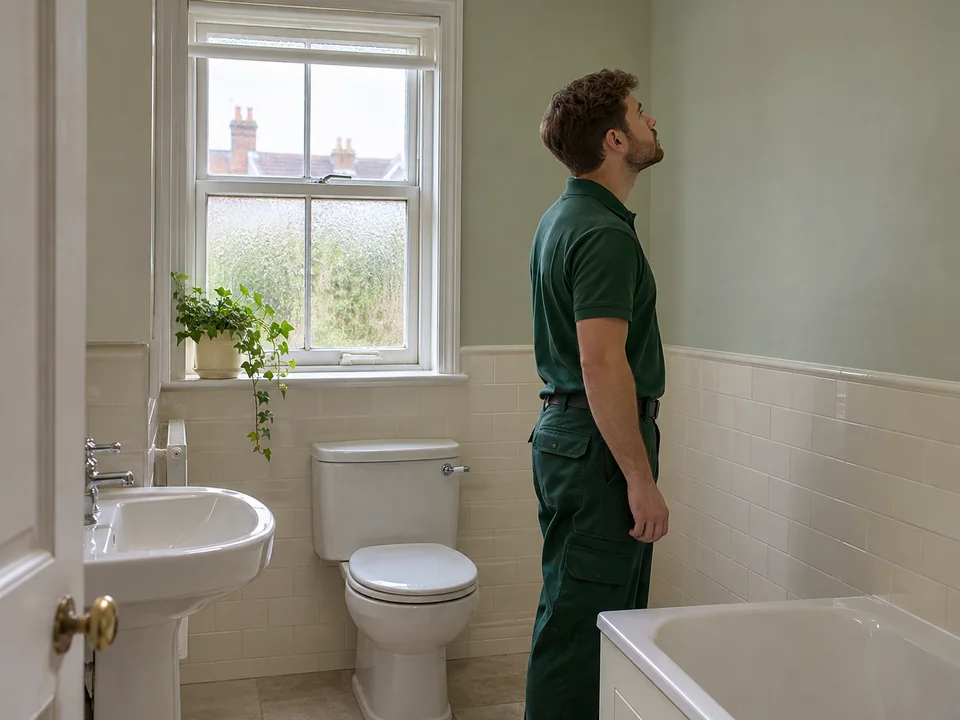
Mould Removal in Highgate
Tell us which property in Highgate is affected and where the marks sit. We use the address, visible materials and route into the room to discuss assessment. Once we understand what can be reached and what is known about any moisture issue, we can discuss suitable surface work or the need for another professional to review the property first.
How do I describe a raised or lower entrance in N6?
Give the postal address and visitor entrance separately. Mention external steps, side access or a room reached from a different level.
Can you consider marks around an older window?
Tell us which finish is affected and whether it is sound or damaged. We can discuss the accessible areas and any material questions first.
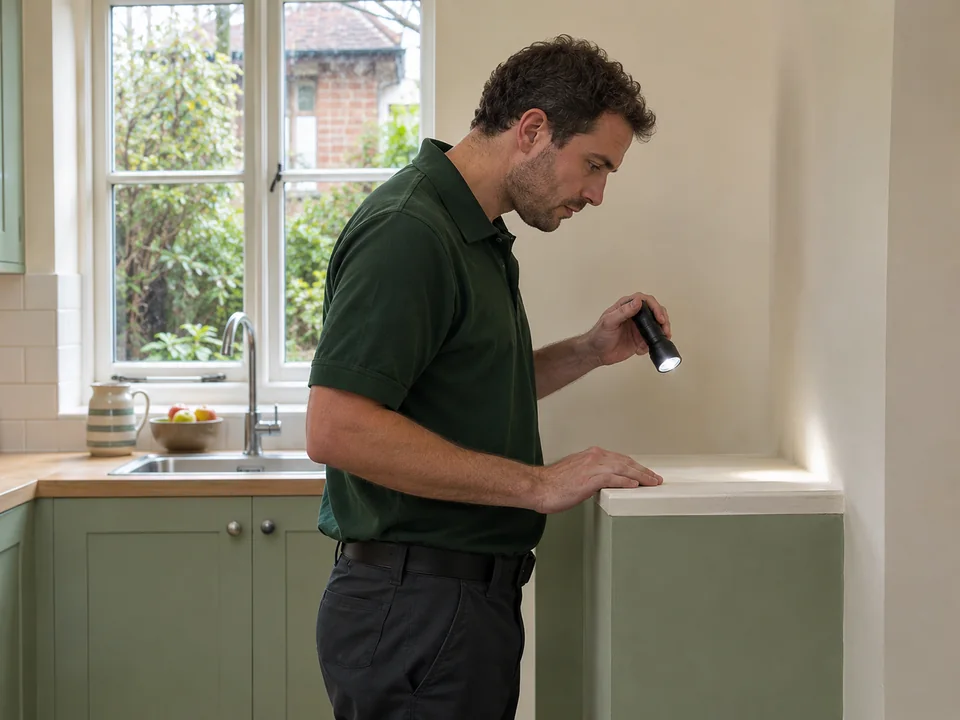
How we plan the approach to a Highgate property
We begin with the arrival point and the rooms involved. In N6, the description near Highgate Hill or North Hill can help identify the part of the neighbourhood, but it does not identify the right door. Haringey's conservation-area material distinguishes the village core from other parts of Highgate. The council has also documented a narrow service road alongside part of North Hill. At an individual address, use the full postcode and tell us if the approach is by a separate road, steps, a side entrance or a shared path. Give the location of the first door a visitor should use.
If the affected room is lower or higher than that entrance, we ask how it is reached from inside. Tell us where the stairs begin, whether an external route is needed and whether a passage or door limits what can be carried through. These details help us discuss practical access before planning the visit. They also show where residents or other visitors need to be able to pass. A room on the lower floor may have a door to the garden even though the postal entrance is above it. State which route you are authorised to offer and who will meet the visitor.
At a managed property, we check which access needs to be arranged by someone else. A caretaker or another resident may be able to open a shared gate without having permission to approve work in your flat. Identify the access contact and a separate person able to discuss the proposal if necessary. Give general restrictions when you call and use the agreed contact channel for more sensitive details. If the room sits beyond another occupied space, explain whether the person using that room has agreed to the route and when it will be available.
- Give the postal address and actual visitor door.
- Describe levels, stairs and steps along the route.
- Identify which contact can grant entry and which can agree work.
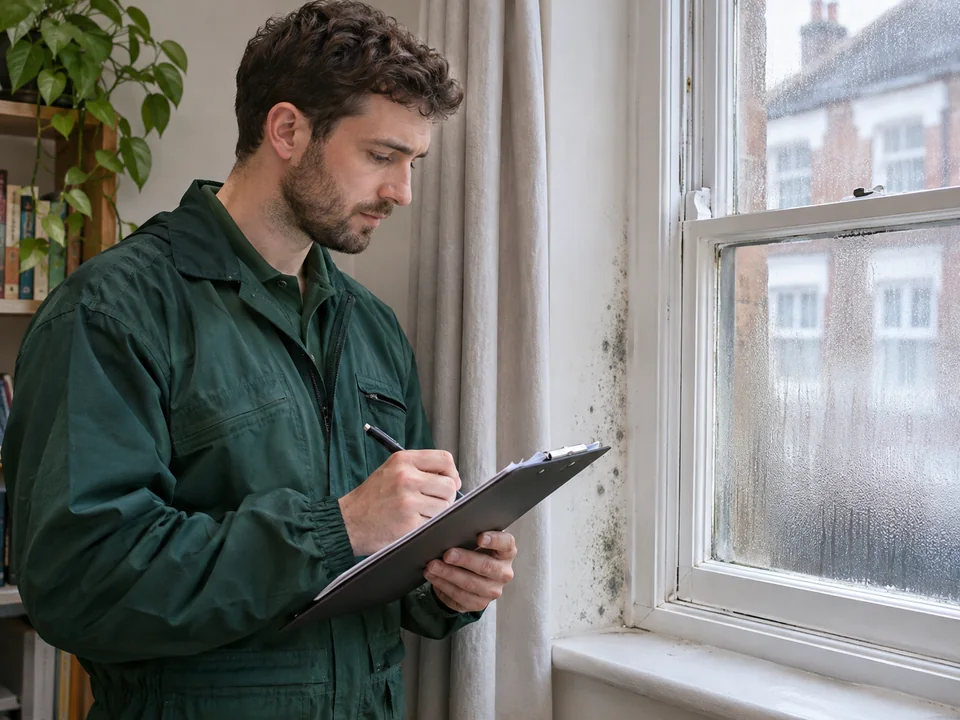
What we review when marks sit on a junction or older finish
We consider the visible area in relation to the materials it touches. Near a window that might mean a painted reveal, a timber surface and a seal. Around a chimney breast or alcove it might mean newer decoration alongside an older plaster finish. Tell us what you can see and include a wider view that shows the junction if it can safely be photographed. We discuss the surfaces separately when they need different decisions. The condition of the finish matters because a sound exposed area and a damaged area where the material has lifted may have different limits.
Where you know a painted, papered or timber finish has particular protection requirements, let us know before we discuss work. The office can consider which visible sections can be reviewed and ask what information the owner or decorator can supply about the finish. We avoid assuming that a surface is suitable just because a photograph shows a small patch. If a section needs another person to identify its material or condition, we make that part of the assessment discussion. We also ask whether furnishings on the approach need to stay in position or be protected.
If the marks run behind fitted furniture, a picture may only show the accessible edge. We use that evidence to define what can be assessed without disturbing the unit. We ask what part is visible, whether an earlier inspection has established anything behind it and who can authorise further access. This helps us avoid treating a concealed section as part of agreed surface work. Leave the finish and fixtures in place for the first assessment. Where an adjacent item is made from a porous material, list it separately so we can discuss whether the item itself should be assessed.
| Visible area | What we consider | What may need separate review |
|---|---|---|
| Paint at a window junction | Where the marks cross from one material to another | Condition and suitability of each finish |
| Patterned paper next to timber | Visible boundaries and condition without lifting the paper | Material underneath and whether it is affected |
| Wall beside a fitted cabinet | What can be reached and viewed | Concealed sections and authorised access |
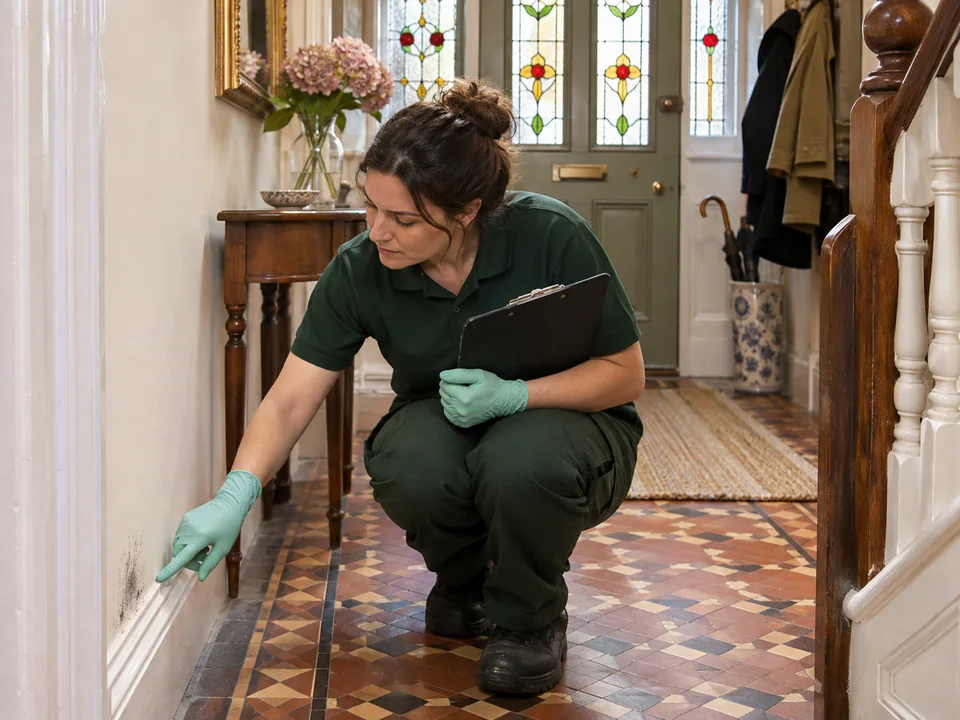
How we distinguish surface work from a moisture investigation
We ask for the moisture history as a series of observations with dates. Say if a room shows changes after rainfall, if a pipe has been checked or whether there was water around a window before a repair. If you do not know why the problem started, tell us what you saw. We can discuss how that information affects a surface enquiry without guessing the source. A reported repair and a dry-looking surface are separate pieces of information. If someone has checked drying, share the date and what the report actually said.
When an issue may involve a roof, plumbing, ventilation or the building fabric, we identify that as a separate matter to discuss with the person responsible for the property. We can consider the visible surface while keeping building repairs outside the cleaning proposal. If a defect may still be active or there is evidence that a concealed area is affected, we discuss whether a further assessment is needed before anything can be agreed. Tell us if there is already a plan for another professional to inspect the room, and whether that changes when it can be accessed.
If the same marks appeared after earlier work, we ask where and when they returned. Let us know which section was previously treated or decorated and whether any nearby area was left for later. When the earlier record does not show the precise location, describe the present area on its own terms. The office can then discuss whether the next step is an assessment, a surface-work enquiry or a check by another property professional. We do not promise that an area will remain clear if the conditions associated with the visible problem have not been resolved.
- Keep repair dates with the relevant room notes.
- Separate observed changes from suggested causes.
- Tell us if another assessment is arranged or still outstanding.
| Situation now | What helps the office | Question for the property contact |
|---|---|---|
| Repair already reported | Reference and date, if available | Has the area been assessed since the repair? |
| Visible marks after earlier work | Original location and date the marks returned | Is a further moisture or building assessment needed? |
| Surface is inaccessible | Reason it cannot be reached | Who can decide whether access should be arranged? |
How we prepare, work and hand over agreed areas
Once we have identified the areas that can be considered, we discuss what protection and room preparation are needed. Tell us which possessions must stay undisturbed and whether the room needs to remain available at a particular time. We confirm which exposed surfaces are included and what to do if the condition differs when the area is viewed. If a location cannot be approached safely or an adjacent material is unsuitable, we discuss the limit before considering a change in work. A decision about a larger or concealed problem can alter the order in which the tasks happen.
When work on suitable surfaces is agreed, we carry out the cleaning within the boundary discussed and consider each material within that boundary on its own terms. If work is being arranged for more than one room, we check the list with the authorised contact as access becomes available. We keep any questions about altered finishes, hidden material or a building defect separate. At handover we describe what was included and identify anything still to be discussed. If someone else is arranging repairs or decoration, ask who should receive that information and share the earlier room record with it.
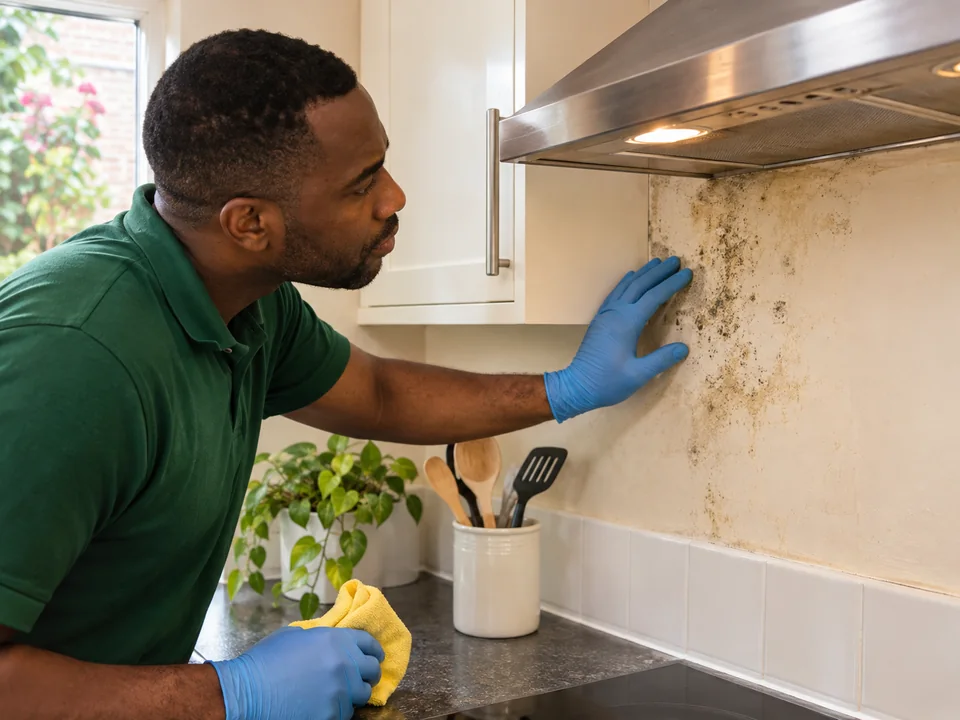
For a suitable hard surface, the agreed task is to remove visible mould from the accessible area. We check the visible limits with the contact first, including where the finish changes or the area becomes hidden. If a window surround has marks on a hard trim and a damaged finish next to it, we discuss the parts separately. The work on the suitable trim does not settle whether the adjoining material can be treated. We record any part whose condition or access needs further review.
Preparation also includes deciding what is in the immediate work area. We agree which small items may be cleared, what should be left in position and what nearby finishes need protection. If a large or fixed furnishing prevents a safe approach, we discuss an alternative or leave that section outside the work. An address with more than one affected room may need the rooms prepared at different times. Tell us if access to one room depends on another person being present or moving an item.
At the final review we go back to the original list. If an upper edge or a section behind a fixture was excluded, we identify that alongside the areas covered. When someone else is responsible for the property, ask them to keep the handover with the original enquiry. If visible marks are reported later, the record lets us discuss the same locations and any conditions that have changed.
| Stage | What we discuss or do |
|---|---|
| Before the agreed work | Confirm the rooms, surfaces, route and preparation |
| During surface work | Keep to the suitable exposed areas agreed with the contact |
| Handover | Identify what was covered and which decisions remain open |
Arrange related household cleaning as a separate request
If you also want cleaning in unaffected rooms, we can discuss that separately from the mould enquiry. Make a list of the rooms and tasks involved and say if the timing depends on another trade or a key handover. An ordinary housekeeping visit may suit an unrelated room once it is clear what work is being requested. If another room is still under investigation, keep that distinction in the booking notes. For a quote discussion, bring the complete address, affected materials, access details and any dates that govern the property. We use them to identify the next decision and any information still needed.
- Describe general cleaning tasks on their own list.
- Give any handover, key return or contractor dates.
- Confirm the named person who will receive visit information.
Questions about arranging mould removal
The front door is up steps and the affected room opens to the garden. Which route should I describe?
Give both routes and say which entrance the visitor should use. Include the steps, keys and any shared areas along the agreed approach.
Can you clean the visible marks if the sash and surrounding paint are in different condition?
We discuss the sash and paint separately. Send a wider view and describe damage or fragile finishes so we can consider what surface work is appropriate.
A fitted shelf obscures the upper edge of a patch. What happens in an assessment?
We consider the area that can be seen and discuss what cannot be inspected. Identify who owns or manages the fixture before considering any further access.
Can the handover distinguish work done in two rooms when one has a known repair issue?
Yes. Agree the room descriptions before the visit so there is a clear distinction between the areas reviewed and any separate repair question.
Would water marks after rain change what you can quote?
They are relevant to the assessment discussion. Record the timing and tell us if a property professional is checking the cause or material condition.
Is routine cleaning in a different room part of the mould removal quote?
List that room and the tasks separately. We can discuss the two requests and which timing and access arrangements apply to each.
Other Cleaning Services in Highgate
Discuss regular housekeeping separately, Read about quote arrangements, Prepare the visit details