 Housekeeper
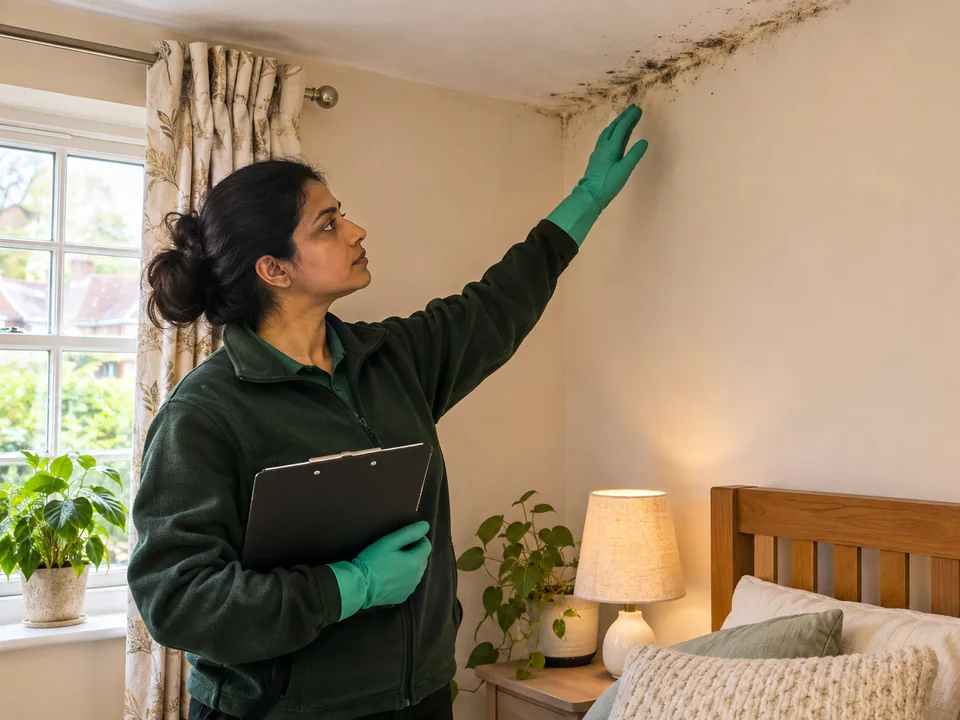
Mould Removal in Clapham
A Clapham property enquiry is easier to assess when each affected room has a clear contact and access plan. Tell us whether you are enquiring about a room in a shared house, a flat or an entire property. We can discuss the visible areas, the type of surfaces involved and what needs to be clarified before arranging a visit.
How do I identify a property close to Clapham Common?
Use the complete postcode, house or flat number and entrance. Mention any separate access through a shared hall or side door.
Can several housemates report affected rooms together?
Yes. Agree a named contact and list each affected room separately, including who can admit a visitor.
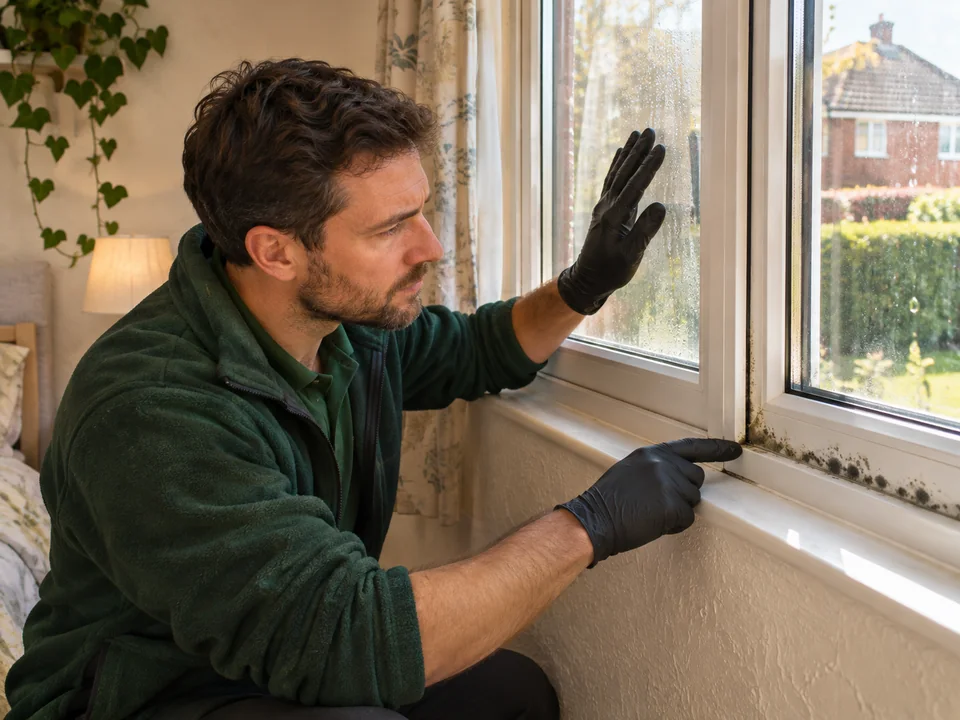
Make one enquiry that the whole household can use
Start by agreeing who will speak for the household when the office has questions. A room can be reported by the person living in it, while access may be arranged by the person holding keys or acting for the property. Keep those roles clear even if one person does both. A useful first enquiry names a contact, lists the rooms and identifies any doors that will be locked. If the report is only for a shared bathroom or hall, describe it that way. A visitor should not have to assume that rooms belonging to other residents can be entered.
For an address around Clapham Common, use the full SW4 postcode if applicable and identify the correct entrance. The common extends across the borough boundary, so it is worth confirming the property address and the relevant council if a separate housing report is required. Lambeth's conservation-area profile also identifies a range of older properties around the common. That does not tell us the condition or layout of any particular home. Mention if the property is divided between flats or reached through a hall or side entrance shared with another occupant.
Agree what information each resident can provide. Ask each person to describe the position of the mark and whether it affects any fixtures, belongings or decorated surfaces in their room. Use room names that another person can understand, such as the rear bedroom on the first floor. Add one photo per location if it can safely be taken and state if you have only seen part of an area. The office can then discuss which parts of the request may be considered without needing each person to repeat the same account.
- Agree a named household contact.
- Give the complete address and the actual entrance.
- Record restricted rooms separately from those available to view.
Recognise what differs between a shared space and a private room
We first establish which private rooms and shared places can actually be included. We review the visible area, the surfaces it touches and the access available with the named household contact. Where a patch is behind a fitted item or affects a finish that needs separate advice, we explain that boundary before a quote is agreed. This is particularly useful when residents can provide access on different days or a shared landing is controlled by a building manager.
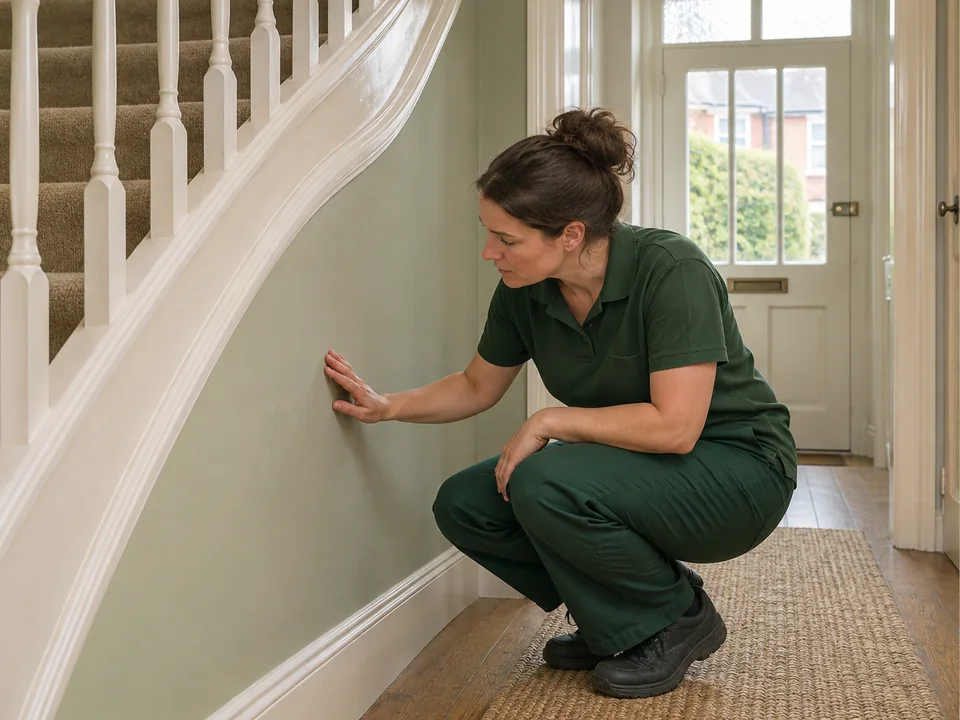
A patch in a shared stairwell may sit on a surface that the household can see but cannot authorise anyone to treat. Tell us who manages the entrance, stairs and landings, and identify the floor where the mark is found. Give a wider description such as the landing above the entrance to the first-floor flat. Check if signs are also visible inside the flat. Note those as a separate location even if they appear close together. Keeping the two locations separate helps the person arranging a visit understand where permission is needed.
Inside a bedroom, describe whether the area of concern lies between the window and a piece of furniture, behind a headboard or near the floor next to built-in storage. Explain what can be seen from the room without moving anything. Note whether the surface is painted plaster, a wall covering or an unknown finish and say if items close to the patch appear affected. A treatment discussion about a visible finish may have to be separate from decisions about porous belongings or concealed material. Mention any limit the occupant has set on how their possessions can be handled.
In shared kitchens and bathrooms, explain if another household activity affects when a room can be reviewed. An early access slot may work for the person who reported the issue but clash with when another resident needs the bathroom. Tell us when the room is normally in use, whether another room is available and what can be left undisturbed. If a fixture blocks the approach to a high surface, include that detail. The plan for the room should take into account what is reachable and what can be agreed with the people using it.
| Place | Who to involve | Before considering a visit |
|---|---|---|
| Shared entrance or stairs | Building or property manager | Check permission for communal areas |
| Bedroom in a shared home | Occupant and keyholder | Agree access and any possessions that must stay put |
| Kitchen or bathroom used by several residents | Named household contact | Agree usable times and describe fixed obstructions |
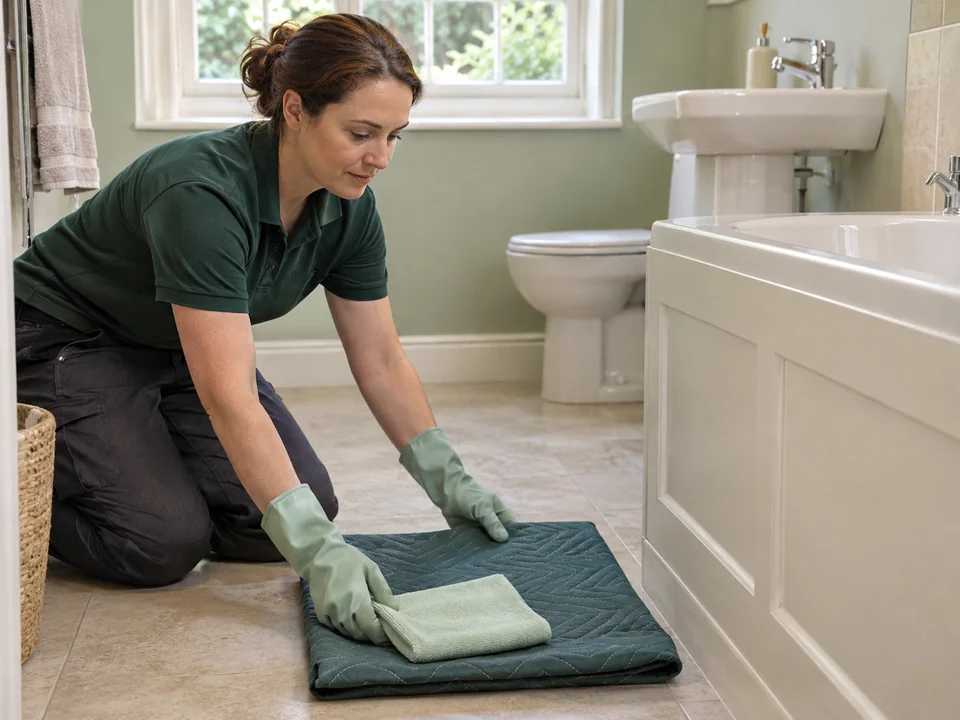
Show how the affected materials meet
Give the office a description of the visible marks in relation to the finishes around them. At a bay window, a patch may reach from a painted side wall onto a timber frame or into the edge of a curtain. A mark at floor level could cross from skirting onto the plaster face. Photograph the junction where practical and tell us what each side looks like. A painted surface that appears sound and a section where the coating has lifted need separate consideration. Where a material is unclear, give the best description you can without pulling it back.
Pay particular attention to surfaces that have already been worked on. Let us know if the area has been repainted, covered, stripped or treated previously and give an approximate date. If there is a report or a note from the person who did the work, say what it records. Avoid guessing why marks returned. A useful account says where they became visible again and what was happening at the time. If they reappeared in a smaller or larger area, mark that on the original photo or give a short before-and-after description.
Some parts of a room are hard to review without moving a fitted item or entering an area controlled by someone else. Leave those in place and explain what cannot be reached. If the concern is under a fixed floor, behind a panel or within a wall, an assessment of the building material may be needed before a surface quote is meaningful. Ask the property contact which person can investigate that area. Keep the request for accessible sections distinct from an investigation that may involve another trade.
- Point out junctions between materials in wider photos.
- Give the date and location of any earlier work.
- Identify hidden areas and leave fitted items undisturbed.
| Material or junction | What helps the discussion | Possible limitation |
|---|---|---|
| Paint and window frame | Describe both sides and where the marks cross | Each finish may need a separate decision |
| Wallpaper or fabric beside a hard surface | Describe visible damage and identify the item | Underlying material condition may be unknown |
| Recently painted section | Record the history and current appearance | Appearance alone does not establish the source |
Coordinate building checks and access without mixing the requests
Tell us if a window, pipe, roof or ventilation issue is already being investigated. Name the affected rooms and give any visit or repair reference your property contact has shared. If somebody attended, make clear whether you have a completed report or were only told that the matter was being looked at. Dates are useful, especially if a new patch appeared after an earlier visit. They help explain what is outstanding and whether further review of moisture or drying may be needed before surface work can be agreed.
If a landlord or managing agent is discussing the source of moisture, ask who can update the office if the property situation changes. For example, a room believed to be available might be closed while a different contractor checks a fixed unit. That may affect the appointment for the visible areas. Agree who should tell the other residents, who will make keys available and whether the visit limits need updating before anyone arrives. If the problem concerns both a shared building area and a private room, keep the different access arrangements and property contacts in the record.
Where a renter is moving out, record the proposed inspection date alongside the enquiry rather than assuming all work can be considered before that date. The landlord or agent may need to arrange a building assessment independently of any end-of-tenancy clean. Say which rooms can be accessed and what furniture remains. If separate visits are being discussed, check which person can confirm what needs to be done between them. A clear timeline makes it easier to explain what has been agreed when the property is handed over.
| Separate request | Information to retain | Who may need it |
|---|---|---|
| Surface work enquiry | Room, visible finish, extent and access | Office discussing the quote |
| Building issue | Previous reports, repair references and current observations | Responsible owner or manager |
| Tenancy handover | Date, access plan and any separate cleaning requirements | Person arranging the inspection |
Keep other cleaning requests in a separate line of the enquiry
For agreed surface work, we confirm where the work will take place, what needs to be cleared or left in place and whom to ask if another room becomes relevant. We work within the authorised area and discuss any separate issues before extending the visit. At handover we distinguish the room or surface included from another location that could not be viewed or still needs a property decision. We remove visible mould from suitable hard surfaces inside the area the household has authorised, keeping any private room or shared space outside that agreement separate.
If you would also like to discuss general house cleaning or an end-of-tenancy visit, specify the unrelated rooms and tasks separately. Ask which work might proceed independently of the mould concern and which should wait for inspection or repair. In a household with several residents, share the agreed room list before the day. This helps avoid a situation in which an occupant expects a room to be included even though its condition or availability has not been discussed. Give the office any timing restrictions you know of and say which matters are still being decided.
Before an arrangement is confirmed, ask what the proposed visit covers, what is excluded and who may approve a change. Where another contractor or the property manager needs to make a decision first, record the dependency beside that location. At handover, keep a copy of the room information and the agreed next contact for anything still to be addressed. If the marks return later, note the date and room and share any relevant updates to the building history rather than relying only on a new photograph.
Where different people are paying for different services, ask the office to keep their enquiries distinct. One resident might be enquiring about a visible patch in a private room while the owner is organising cleaning for the whole property. Write down which visit each person is discussing, who needs to give access and whether any work depends on an inspection taking place first.
For an agreed visit at an occupied home, let the named contact know where they can wait while the rooms are discussed. If a room will only be accessible briefly, agree that timing before appointments are planned. Share changes early, including an occupant no longer being available, a lock being changed, or a room being used for another purpose.
- Identify general cleaning tasks separately from room assessment.
- Agree who can answer questions if the planned visit changes.
- Retain the room record for a later owner, occupier or manager.
Questions about arranging mould removal
One housemate is away and their bedroom is locked. Can we still ask about the hall?
Yes. Identify the hall and discuss permission to enter it. List the locked room separately so its condition and availability are not assumed.
Two people use different addresses for the entrance off the side street. Which should go on the enquiry?
Give the full property address and explain the visitor entrance separately. Include the correct flat number and any shared door instructions.
Is it useful to mark the areas on a floor plan from a tenancy inventory?
Yes. Mark the room and exact location and give separate notes for each finish. Explain if the layout has changed since the plan was prepared.
A patch has appeared beside the curtains. Are the curtains included with the wall?
List them as a distinct item and explain the visible condition. Ask what can be assessed and what might need specialist advice before it is moved or cleaned.
The managing agent has booked a repair for after my proposed visit. What should I share?
Say what is under investigation, which rooms are affected and when the planned repair is due. Discuss whether assessment or a later surface-work visit makes sense.
Can I ask for a quote while the property still contains my housemates' furniture?
Yes. Describe access, identify fixed or large items and confirm who can agree if anything can be moved. Tell us what must stay in place.
Other Cleaning Services in Clapham
Check London service areas, Move-out cleaning enquiries, Prepare your property details