 Housekeeper
Mould Removal in Brixton
Tell us where you can see mould in your Brixton property and which rooms you would like us to look at. We assess the exposed finishes, agree the cleaning work with you and explain the result at handover.
Plan your enquiry
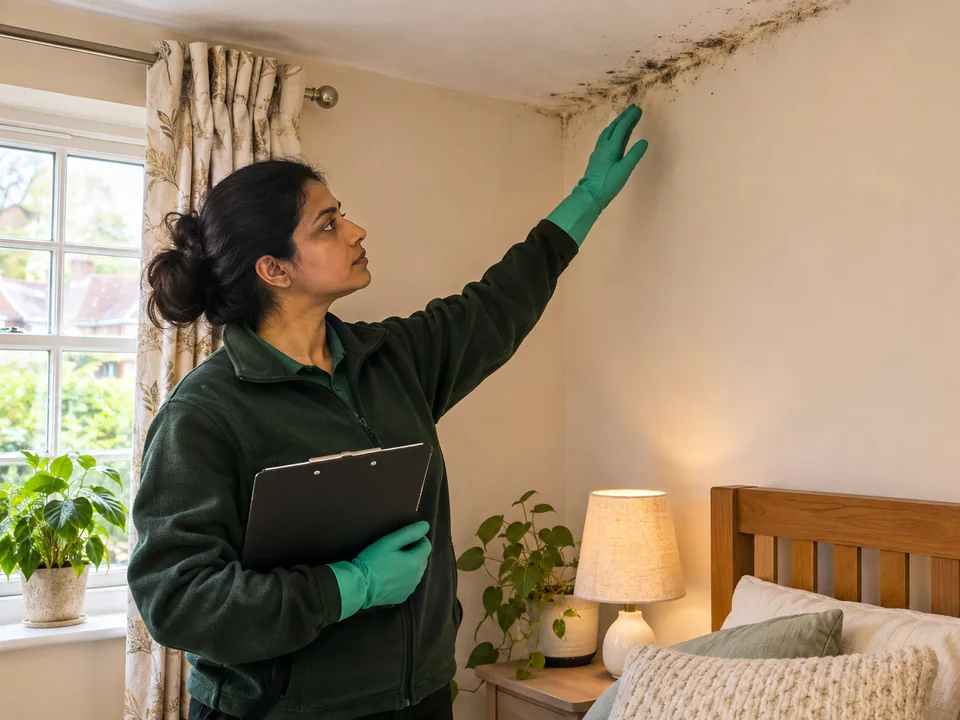
Can I enquire from SW2 or SW9?
Send the full postcode and the affected room. We use those details to check the address and discuss the cleaning.
What if the entrance is behind the shops?
Give the street, entrance label and floor so we can identify the right door.
Describe the property from the entrance to the affected room
In Brixton, we ask for the full postcode alongside the room name because a front door, staircase and affected surface each influence a different part of the visit. Lambeth’s town centre conservation area includes housing alongside civic buildings, shops and covered markets. If your address is near the commercial centre, tell us how a visitor reaches the dwelling itself. A shop name can be a useful landmark, but we still need to know if the residential bell is round the side or beyond a gate with a different name.
When several rooms show marks, begin with the one you want us to assess first. Describe the room and surface together, such as the hard window ledge in the small bedroom or the wall tiles behind the shower. Explain whether you can see the whole mark from the room or only one strip from where you are standing. If an affected area is behind a unit you cannot move safely, mention the obstruction and leave the unit in place. That gives us a practical starting point for reviewing access.
For a let property or an occupied house share, tell us who made the enquiry and who can open the relevant rooms. A person who answers the front bell may have access only to the shared kitchen. If the work concerns a bedroom as well, agree beforehand who will open it and who can point out the affected surface. We can then plan the visit around the areas the occupants and the booking contact have agreed to make available.
Photos can help us understand where the surfaces meet and which part of a room the work would concern. If you can take them without moving furniture, one view from the doorway and a closer view of the area can show two different things. The wider view shows how we might approach the surface. The closer view helps us discuss whether we are looking at a smooth facing, an edge joint or a finish that may already be damaged.
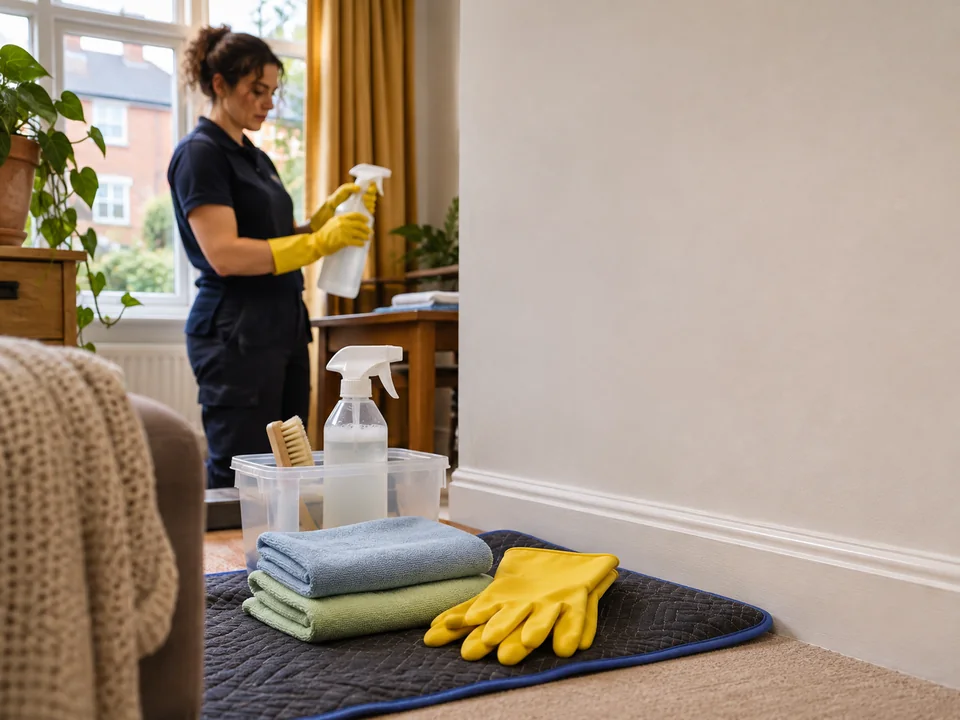
| Detail | Example to share |
|---|---|
| Arrival | Residential bell beside a named entrance |
| Room | Front bedroom, first landing |
| Surface | Visible hard sill below the opening window |
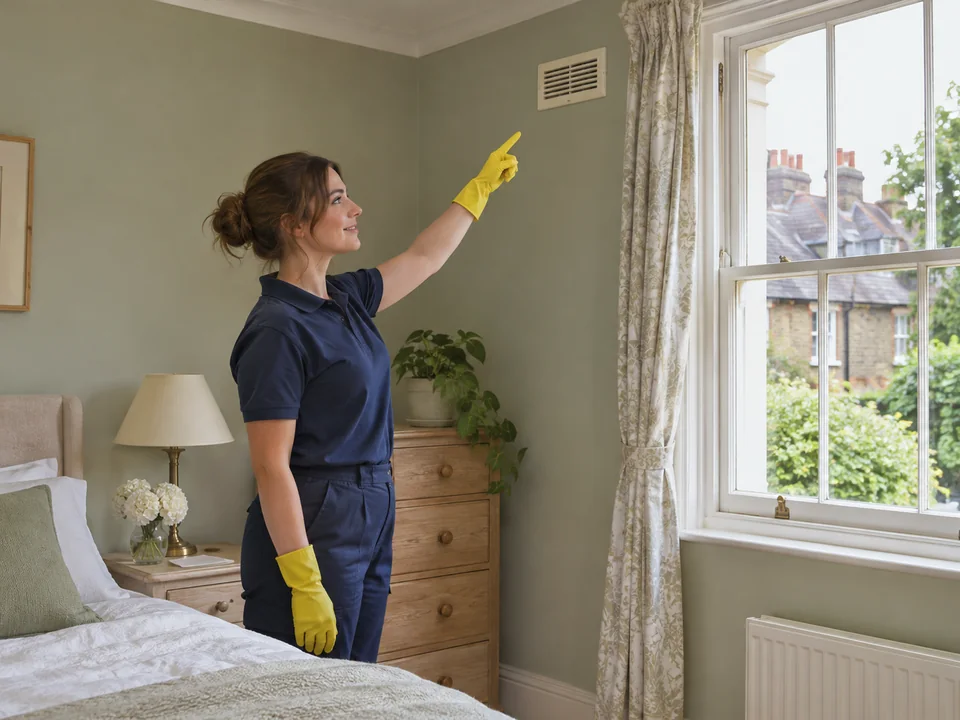
Agree how the rooms will be made available
We discuss preparation after identifying the surfaces you want us to assess. If the patch is on a kitchen upstand, you might want to put stored food and appliances away from that section. For a bathroom visit, place loose toiletries and towels somewhere clear of the affected area. Tell us if the household still needs one route through a small room or if the only bathroom will be needed at a set time. We can then talk through an order with you.
The available space can be more important than the room size. A full bathroom with a narrow shower entrance may give less access than a small cloakroom with an open tiled wall. Before we start, we check whether we can stand and reach the exposed area as it is. If a folding screen, a wall-mounted cabinet or a door stop limits that reach, we identify the portion we can approach and discuss any remaining area with you.
Tell us about care instructions for the furniture or finishes closest to the work. A householder may know which sill was recently finished or which patterned tiles have an unusual surface even if the marks themselves are new. We consider that information alongside what we can see. If you would like an item kept where it is, say so when making the room ready so we can agree how close we can work.
- Agree who can open each affected room.
- Set aside loose household items around the marked surface.
- Flag any nearby finish that has specific care instructions.
Check the condition at the edge of the mark
On arrival, we review visible areas with the person who is available to show us the property. We look at the type of surface, its condition and the boundary of the affected area. The hard surround beside a window may be suitable while the paint down the side is visibly flaking. We describe those areas independently before agreeing what we can address. This also makes it easier to tell the difference between a mark we intend to clean and an adjoining finish that will stay as it is.
We pay particular attention where a solid fitting meets a flexible joint. For example, marks beside a shower screen may lie on the glass, in the joint along the frame or on the wall face next to it. We check each exposed part and discuss the expected cleaning result. Staining within an aged joint can remain when the adjoining suitable surface is cleaned. If the joint has separated or the finish is loose, we raise that before work.
Tell us if anyone has already inspected a leak, condensation or a damp patch in the same location. A previous repair or a recurring mark changes what you may want us to look at during the assessment. We can describe the visible surface and the parts we have access to. An inspection inside a wall or beneath a fitted tray needs to be arranged with the person responsible for investigating the building.
A painted window return can show a hard intact face in one place and an open crack beside it. Tell us if it has been repaired or redecorated since you first noticed the mark, especially if you are arranging the appointment from photos taken before the work. We compare that account with the visible area at the visit. Where the problem stretches to a bay with three separate window faces, we look at the marked ones individually and discuss which sections can be reached in the available room. An accessible inner surround can be included for assessment even if a separate outer piece would require a different type of access.
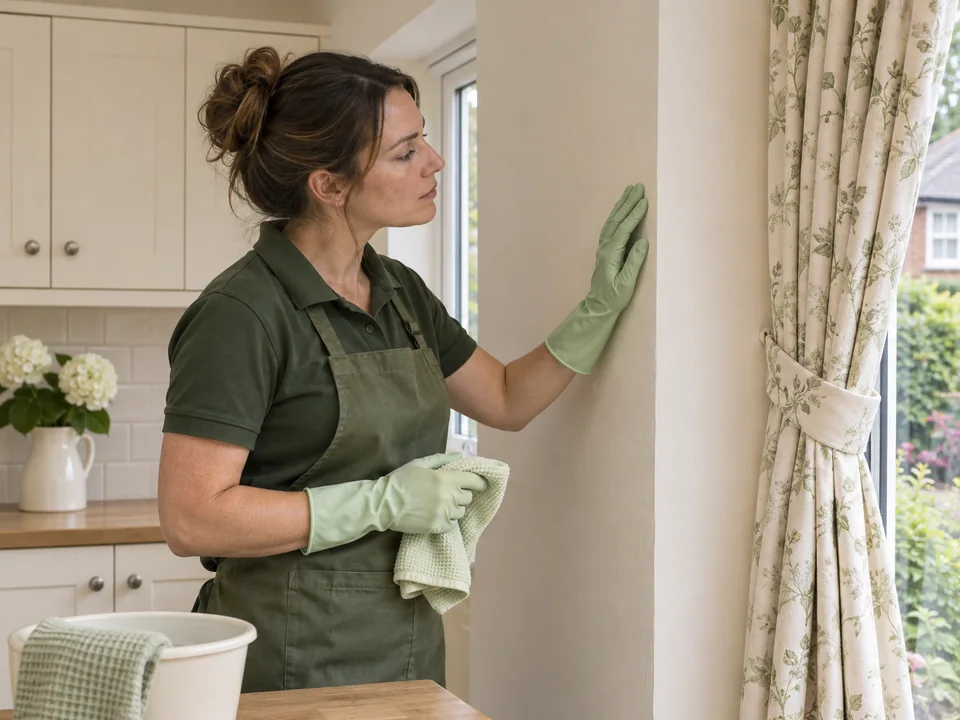
| Detail we check | How it affects the work |
|---|---|
| Firm exposed face | Can be considered for surface cleaning |
| Loose paint edge | Needs a discussion before work nearby |
| Concealed recess | Requires separate consideration because we cannot see it |
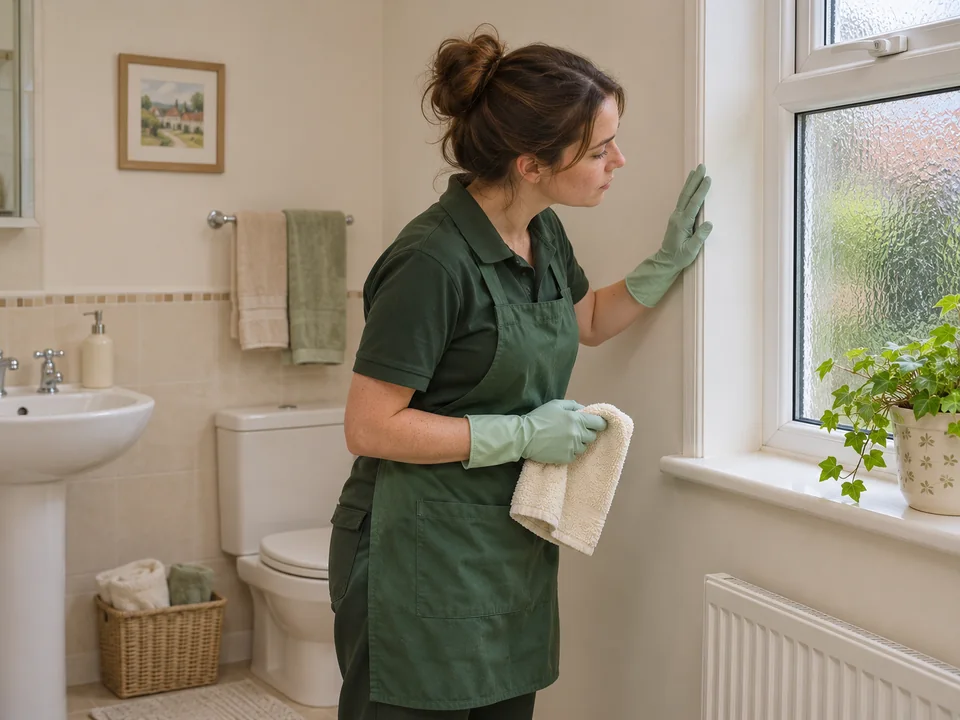
How we clean the suitable exposed faces
We remove visible mould on the suitable accessible hard surfaces you have agreed with us. If a wider patch crosses between different materials, we address the agreed hard faces according to their condition. For a bathroom, that might mean looking at the tiled side nearest the basin, then the separate exposed face beside the screen. The areas we work on are the ones we can identify clearly at the start, even where a patch looks continuous from across the room.
The cleaning conversation may change if we encounter a difference in the surface that was hard to see before the room was prepared. The underedge of a cabinet, for example, may look like the underside of a solid shelf from a standing position, then turn out to be an exposed lining that has begun to soften. We check with you before including any newly visible area. If the work was authorised by an agent or landlord, we can discuss who should agree a change when you book.
For a home with more than one affected room, we can review the first room before moving to the next if the occupant needs an update. A bedroom next to a shared landing may only be available while its occupier is at home. Tell us when that person needs to leave and what other agreed surfaces we could inspect beforehand. This avoids a situation where two separate areas were mentioned at the enquiry but only one person can describe or open both.
- Name the first surface you want us to consider.
- Show us any change in the affected area since the enquiry.
- Identify who can authorise additional work if we find another suitable surface.
A final review the resident or property contact can use
At the end, we show which surfaces we worked on and explain any limits we reached. If you were concerned about the area around a window, we might point out where the exposed sill ends at a damaged reveal. If the kitchen was the main concern, we might identify whether the entire agreed splashback was accessible or whether part remains behind a fitted cupboard. An exact description is more useful when you report the result to someone who was unable to attend.
Where mould has returned, we ask you to flag the history so the final conversation can include the affected location. If a mark comes back on the same side of a bay or immediately below a pipe fitting, the person who manages the home can use that description when deciding what inspection to arrange. We explain the cleaning result for the visible area. Work to resolve moisture or damage needs a separate arrangement through the responsible property contact.
When you request a quote, include the number of rooms, the finishes you know and any limitations on entry. An occupied house share with several separately accessed rooms may take a different amount of time to review than a single empty room. Tell us how you would like to receive the handover if you will be at work. If nobody can attend, name the contact who can let us in, explain the room priorities and receive the details of the work agreed.
- Name a handover contact before the visit.
- Ask about the exact boundary of the work on each finish.
- Pass a description of repeated marks to the relevant property contact.
| Review item | What we can confirm |
|---|---|
| Surfaces reached | Which agreed exposed faces we cleaned |
| Access limits | Any boundary we could not reach |
| Remaining marks | Where a stain or damaged finish was left visible |
Questions about arranging mould removal
Can I enquire for just the window ledge in one bedroom?
Yes. Send the postcode and describe the ledge material, the area you can see and anything in front of it.
What should I say if the flat number differs from the label on the bell?
Give the full postal address and tell us separately which name or number appears beside the bell visitors should use.
Can a tenant show you the affected area while an agent approves the cleaning?
We can discuss that arrangement. Please agree beforehand who grants access and who can authorise any change.
Could you assess a shelf close to the patch?
Tell us if it is fixed, what it is made from and whether we can see the affected surface without removing it.
Can you review the mark where glass meets the shower frame?
Yes, describe the accessible faces. We discuss the cleaning result separately for the glass, frame and adjoining joint.
Can I get the handover by arrangement if I am away?
Give us the name of the person who should receive the update and agree how we will contact them before the appointment.
Other Cleaning Services in Brixton
End of tenancy cleaning in Brixton, Regular housekeeping in Brixton