 Housekeeper
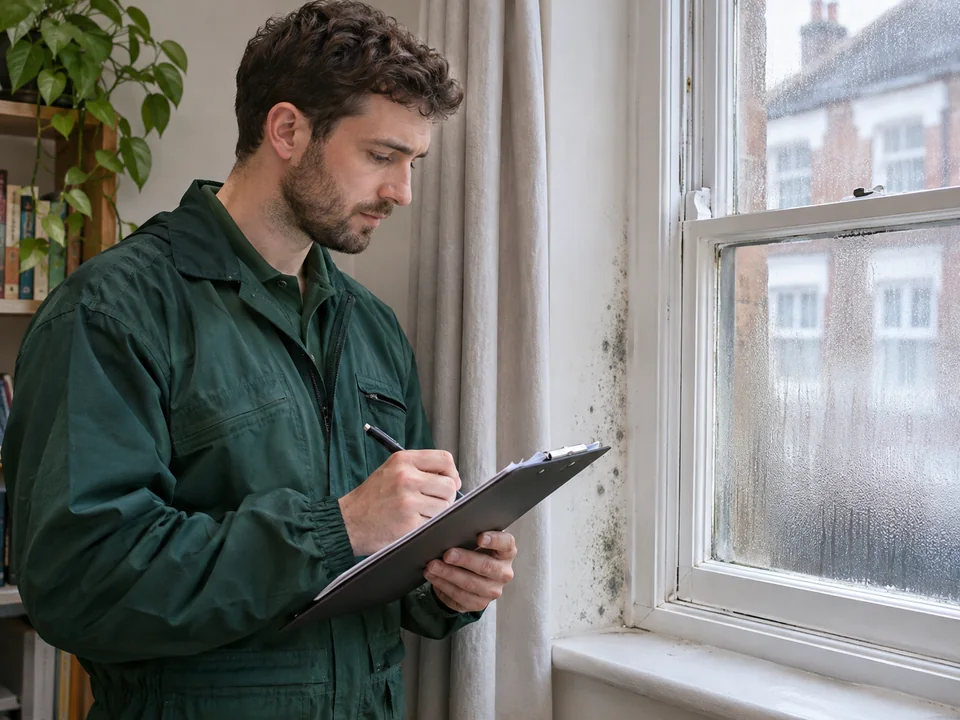
Mould Removal in Barnes
For mould removal in Barnes, we start by reviewing the visible finishes and the way they can be approached. A bay window seat, curtain recess or cabinet can limit what can be assessed, so we agree which parts the visit can consider and which need a separate decision.
Can I enquire about an SW13 address near Barnes Green?
Give the full address, the entrance and the affected room. The landmark is useful context for the location.
What if the mark is behind a window seat?
Describe the exposed part and mention that the seat is fixed.
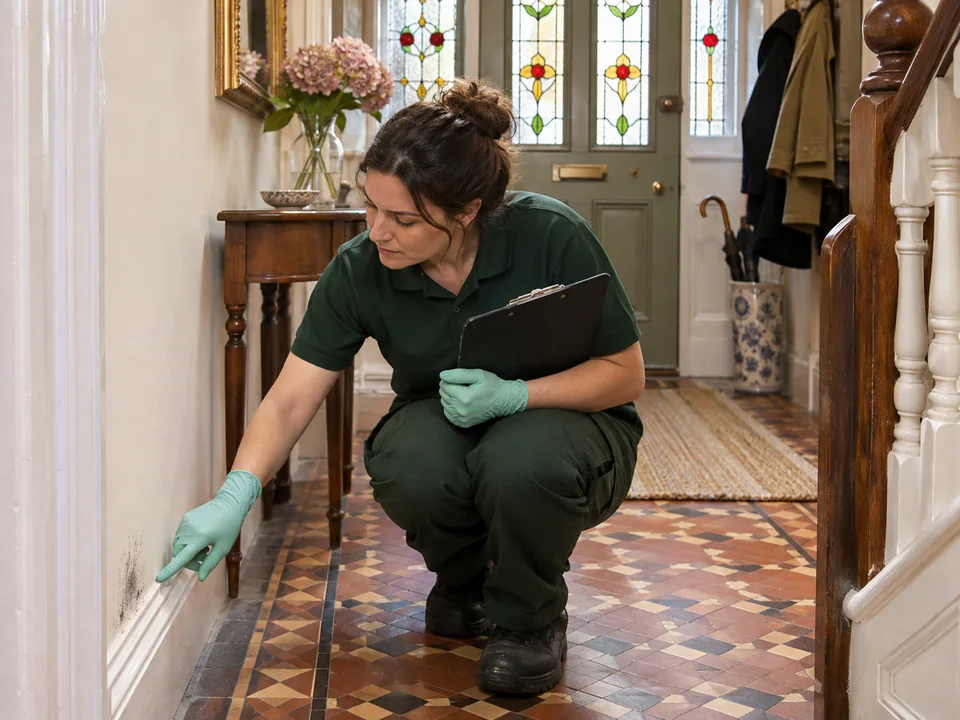
How we assess the room with fittings in place
We review the open parts of the room first with you, recording which surfaces can be seen and which parts remain concealed. An exposed timber sill, a painted return and neighbouring wallpaper can each need a different decision about suitability. We agree what should stay in place before discussing preparation and treatment for the suitable surfaces. At the end, we distinguish the work agreed for accessible finishes from any further question about the window, fitted feature or building.
A photograph of a mark provides its appearance but may say very little about the place where it sits. Start by describing the room from its main doorway. Identify the visible patch by its relationship to permanent features such as a bay, fireplace, skirting line or fitted cabinet. Then record whether the surface can be approached from the open part of the room. That gives the office two distinct pieces of information: what has changed and what can actually be assessed during a visit.
For a ground-floor room, explain whether the affected line runs along an outside wall, the wall dividing two rooms or a surface next to an enclosed porch. Where a room extends into a bay, say whether you can see the whole return around the window or only the part above furniture. Give approximate dimensions for each visible area. If more than one resident has noticed a change, collect dated remarks rather than merging every mark into one observation. Keep photographs labelled by room and by the day they were taken.
- Describe the view from the main doorway first.
- Label the patch in relation to a permanent feature.
- Identify which parts can be approached with furniture in place.
Describe the return, sill and finishes around a window
The word frame can refer to several adjoining surfaces. Specify whether the mark is on timber, sealant, the painted reveal, the sill or wallpaper close to the frame. Identify the point where it stops and mention any surface that has become rough, loose or damaged. If a curtain or blind sits immediately in front, describe it separately, including whether it is a removable fitting. A proposal about a painted reveal should identify the reveal itself and any adjoining finish that would need a separate decision.
Include what you have seen about timing. If a mark looked different after the room had been closed or after a recent repair, record the dates and the change rather than giving a diagnosis. What matters for the first discussion is that the difference can be described and connected to a specific location. If a picture from a previous date shows a smaller affected area, keep it together with the current picture. The two views can orient an assessment provided they are labelled clearly and show the same part of the room.
| Part of the window area | Detail to share | Point to clarify before arranging work |
|---|---|---|
| Painted reveal | Which return and whether paint is lifting | Whether the plaster finish needs assessment before surface work |
| Sill or ledge | Material and places concealed by fittings | Which edge can be reached during the proposed visit |
| Blind recess | Position of the fitting and nearest marks | Whether the recess and the blind are separate enquiry items |

Plan a useful handover for an occupied Barnes home
Richmond Council locates Barnes Green on Church Road in SW13. If your property is near the Green, give the actual street, full postcode and access details when arranging the visit rather than relying on the landmark. Tell us whether there is a side entrance, communal door, front path or narrow turn on the way to the room. If there are separate entrances for different floors, name the correct one. If access depends on a resident stepping away from work or another person meeting the visitor, let the office know when discussing timings.
Decide who can show the affected areas and who can answer questions about past work. Those people may be different. For instance, a resident may know when the appearance last changed while a property owner holds the repair record. Agree how the two sets of information will be shared before anyone attends. If visits need to happen around the use of a sitting room or bedroom, note which spaces are available and what remains occupied. Give practical information about access without including entry codes in public messages.
- Identify the actual entrance independently of the postcode.
- Name the person who can describe earlier work.
- Explain which room can be made available and when.
Keep finish care and property investigation separate
When a wall meets upholstery, a cabinet or a timber feature, document each material in its own right. If the enquiry is for a visible wall surface, that should be clear before a proposal is made. If paper or board appears damaged, the decision may depend on whether a specialist can assess the material and the condition of what lies behind it. Where the affected location is hidden by a fitted item, note that the hidden side has not been inspected and describe what can be seen around it.
If the concern includes a possible building defect, explain what is known and who is responsible for investigating it. Mention any relevant previous findings without treating them as conclusive about new areas. A record about work to a window, for example, does not by itself determine why nearby plaster is marked. Ask whether the proposed attendance relates to visible-surface assessment only and which separate questions need to go to an owner, manager or other qualified professional. This makes the practical boundary of the visit clear before you commit to a date.
| Feature | Question to resolve | Record to retain |
|---|---|---|
| Fixed timber feature | Can the surrounding finish be reached while the feature stays in place? | Photograph of exposed sides and inaccessible parts |
| Papered finish | Does the visible condition call for a separate material assessment? | Date and position of raised or damaged sections |
| Suspected hidden condition | Who can arrange an investigation beyond the exposed surface? | Named contact and areas still uninspected |
Sequence any separate upholstery or room cleaning
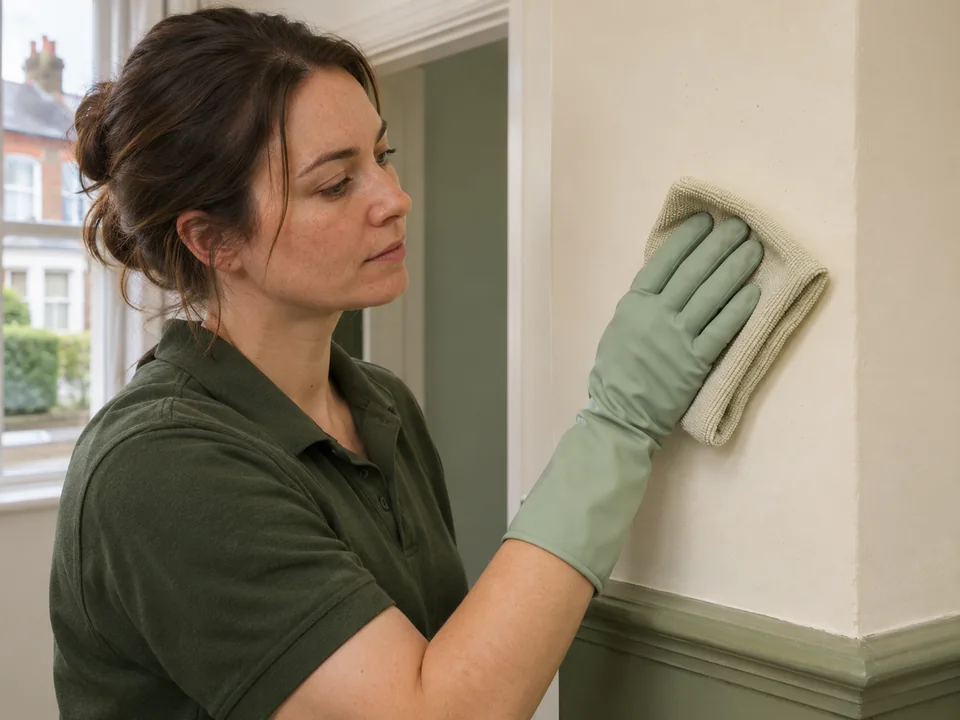
A mark on a wall can coincide with concerns about a fabric chair, curtains or floor covering. List those separately so that each has an appropriate enquiry. Note the material on its care label if it can be read easily, and say if the items remain in the affected room. A request about upholstery describes a different item from a request about an adjoining wall. If both are of interest, tell us what you are hoping to arrange first and ask when the later visit could be considered.
For broader cleaning, describe any rooms that are already ready for ordinary work and those awaiting a decision about material or repairs. A general cleaning request should name the rooms and tasks included. If the agreed work takes place with some furnishings left in position, say which items those are and what access is available around them. It can be useful to ask how a later housekeeping appointment would fit around the property's occupancy instead of assuming every task should take place on the same day.
- List furnishings independently from walls and windows.
- Describe which rooms are waiting for separate decisions.
- Tell the office which visit you would like to arrange first.
Review the proposed visit against your room notes
Before accepting a quote, compare what is proposed with your notes on rooms, materials and access. If the description says window area but your enquiry included the adjacent papered return, ask which named finishes are included. If an area behind a window seat is still concealed, ask what the proposed assessment can address while it remains fitted. Check whether a room can stay in use until the appointment and which practical arrangements should be agreed. Raise any point that would change where the person attending needs to go or what they can reach.
Ask how the findings will be passed to you and to anyone arranging a separate visit. A concise record of the area, visible finish and inaccessible points is useful when there are several people involved. If a room changes before the appointment, explain what has changed using the same labels you used at the start. Confirm whether that changes the proposal before the visit goes ahead. When a separate repair or further property assessment is needed, record who is following it up and do not assume that it is included in a cleaning quote.
| Review item | Question | Useful detail |
|---|---|---|
| Room list | Does the proposed work identify each location? | Names used in the original enquiry |
| Access boundary | What remains out of reach? | Any fixed furniture and its position |
| Follow-up | Who will receive the findings? | Responsible person and any other visits planned |
Give the office a clear decision to discuss
You may want help understanding which of several marks should be assessed first, or you may already have a property report and want to discuss an option for the exposed finish. Say which situation applies. Include any dates that affect the order, such as a repair appointment, a room handover or a visit from a managing agent. If the change is urgent because a space is unavailable, explain what the room is normally used for and who can make it accessible. This gives the office a clear starting point for discussing the appropriate appointment.
The useful outcome of the first conversation is a shared understanding of which areas have been reported, which can be accessed and what the next proposed visit is intended to establish. Keep measurements and photographs for the named areas together. If the proposal depends on information from another person, agree who will obtain it and let the office know when it will be available. Ask for the final quote and any exclusions to be stated before booking, particularly if the affected area has been described from photographs rather than seen in person.
If several people are collecting questions, divide them by who needs the answer. One person may be seeking an estimate for visible-surface work. Another may need to know what access to a wall would require. The building owner may need a record for a later conversation about repairs. Mark these priorities separately so that the office can discuss the visit that fits the immediate purpose. Where you cannot tell whether a surface is paper or a painted lining, describe the visible finish and leave the material question open.
A useful call from an occupied property can be short if the room layout is easy to describe. Begin with the part that a visitor could find unassisted once someone has opened the correct door. Then identify any other reported areas and say which need help from a second resident or building manager. Getting the initial description right can make later records easier to compare, especially when room names used by the landlord differ from the names used by the people living there.
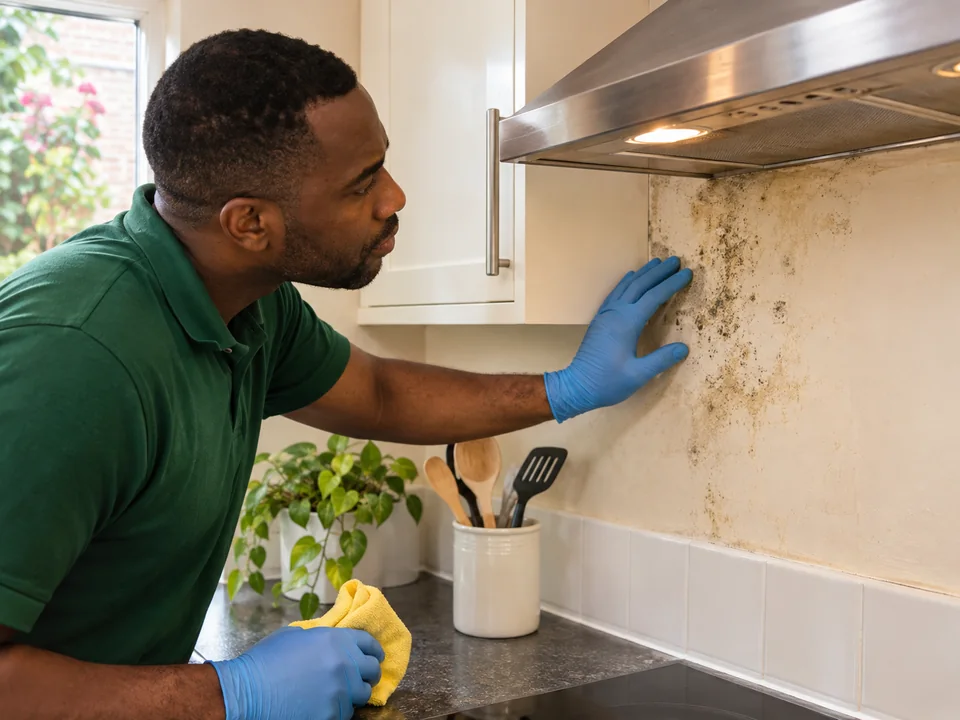
Once preparation is agreed, we physically remove visible mould from suitable accessible hard surfaces. A window seat can remain in place while work is undertaken on the exposed finish that has been assessed and agreed. We review the work around the accessible sill or return afterwards and note any part left for separate consideration. We explain that distinction to the person coordinating the room, especially if another appointment concerns the concealed area.
Questions about arranging mould removal
Can I describe the bay return even if I cannot show the whole window?
Yes. Name the visible side and describe where furniture or a fitting conceals the rest. Leave the hidden part for an access discussion.
What is the most useful detail about an SW13 address near the Green?
Provide the full postcode and doorway. If a visitor needs the side path or a communal door, say so separately.
The blind recess and sill show different marks. Should I send one photo?
An overall photograph can help orient the enquiry, but label the recess and sill separately and give a closer view of each if possible.
Who should share a previous window repair report?
The person who has that report can provide the date and the relevant details. The resident can separately describe what they can now see.
Can I ask about a fabric chair beside the affected wall?
Yes. Describe the chair as a separate item and share the fabric information if you know it. Ask how any visits should be sequenced.
What if someone redecorated only the exposed part behind the curtain?
Mention that and give the date if known. Indicate the boundary of the new finish to help identify what can be assessed.
Other Cleaning Services in Barnes
London mould removal service, Carpet and upholstery cleaning, Regular housekeeping