 Housekeeper
Mould Removal in Barkingside
We begin by locating the affected room and checking how the visible surface can be reached at your Barkingside address. We review the finish and agree which areas are suitable for cleaning. Once the working area has been prepared, we physically remove visible mould from the appropriate accessible hard surfaces covered by the visit and explain the result and any remaining questions.
Plan your enquiry
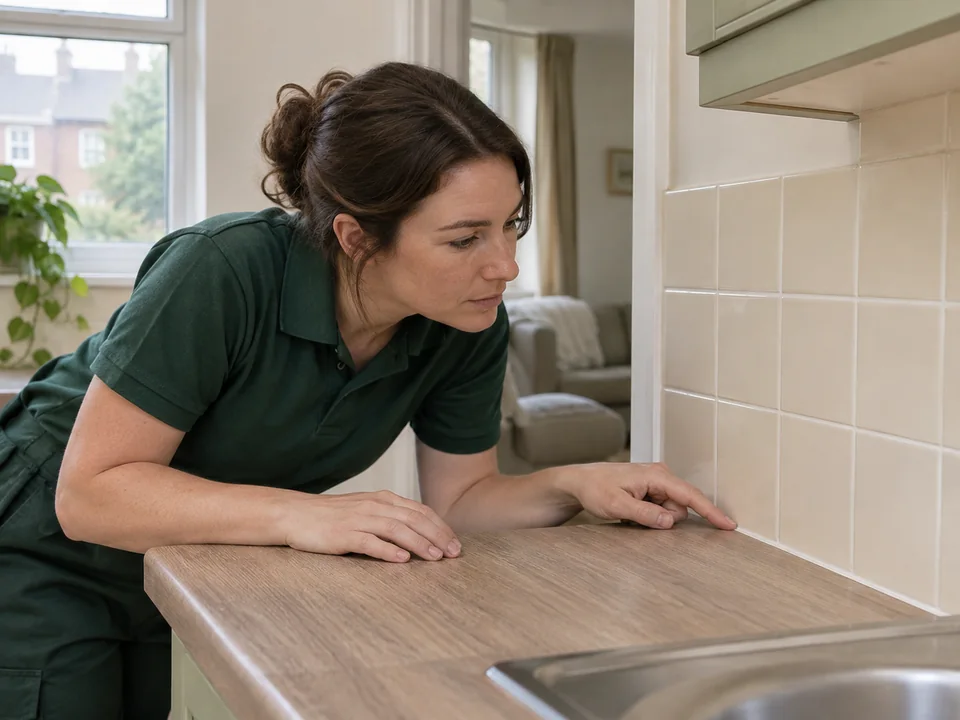
Do you use the full IG6 postcode?
Yes. We use it with the address, visitor entrance and floor of the affected room.
Can a mark above a staircase be included?
We check the height and working position before agreeing any high-level surface.
We record what can be seen before arranging the assessment
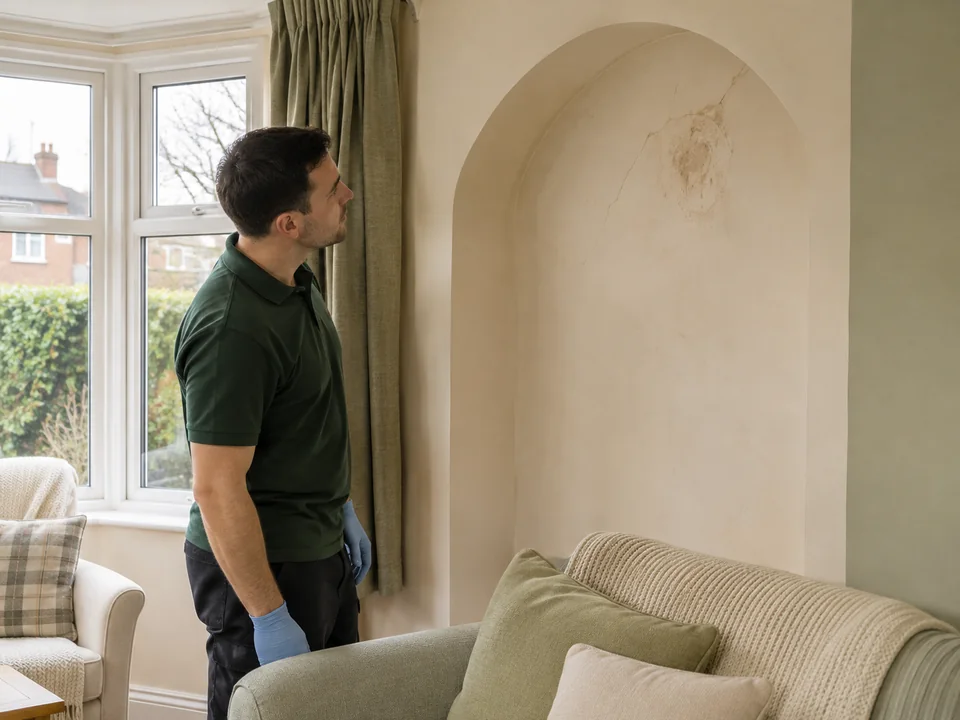
On an initial call we establish where the visible mould is, whether it affects one room or several and which parts can be reached. Describe the room and finish rather than the whole property at once. For example, give the position of the mark relative to an adjoining wall or ceiling edge. Include an approximate visible size and tell us if you can see it from an ordinary position in the room. We consider these details when discussing whether the surface needs inspecting in person before we can agree cleaning.
If you have photographs, choose a wider view and a closer one where both can be taken safely. The wide view helps us locate the area, especially where a room has more than one similar opening. A close view shows which parts of the visible finish have changed. We can work from a description if a photograph is impractical. Tell us if an area is partly obscured or a section would only become visible after a separate access decision.
We also ask whether the area has been affected before and if work has taken place nearby. Give known dates and explain what happened to the appearance of the finish afterwards. We record who can confirm any repair history separately from the visible condition. That distinction helps us discuss the surface with the customer without giving an impression that a separate property question has already been resolved.
- We establish which rooms and finishes are affected.
- We review what can be seen safely.
- We ask when the marks and any previous changes were observed.
| Enquiry details | Our initial review |
|---|---|
| Room and height | What is visible and how the area can be reached |
| Material and condition | What can be considered for surface cleaning |
| Repair record | Which details are known and which need a separate decision |
| Availability | Who can open the room and confirm work |
Check access around the High Street and Fairlop Road
Redbridge's district-centre schedules list the High Street and Fairlop Road around Barkingside, including parts of State Parade, as well as locations on Fencepiece Road. The street name can help identify the address, but give us the actual door the visitor will use. If a home is entered above or behind another frontage, tell us how its entrance is marked. We ask for the full property number, postcode and floor so the person attending can identify the correct address and the affected room once inside.
We use the route information to check where a visitor will be able to work. Let us know if a narrow passage, stair or fixed item changes how the surface can be seen. A ceiling above an open stair and one above a level floor can present very different access conditions. We discuss any limitations before confirming the appointment. If a room has to remain occupied at certain times, we check how the affected area can be viewed and who can make the route available.
Where the person who originally reported the mark will not be present, we keep the same room label and reference point throughout the enquiry. An occupier who opens the door can use those details to show us the relevant part of the room. If the property includes shared areas, we check which person can authorise those spaces and whether different arrangements are needed for the private rooms.
- We use the complete address and the actual visitor door.
- We review the route to the surface and usable working position.
- We confirm who can make each relevant area available.
What we assess on the visible wall or ceiling face
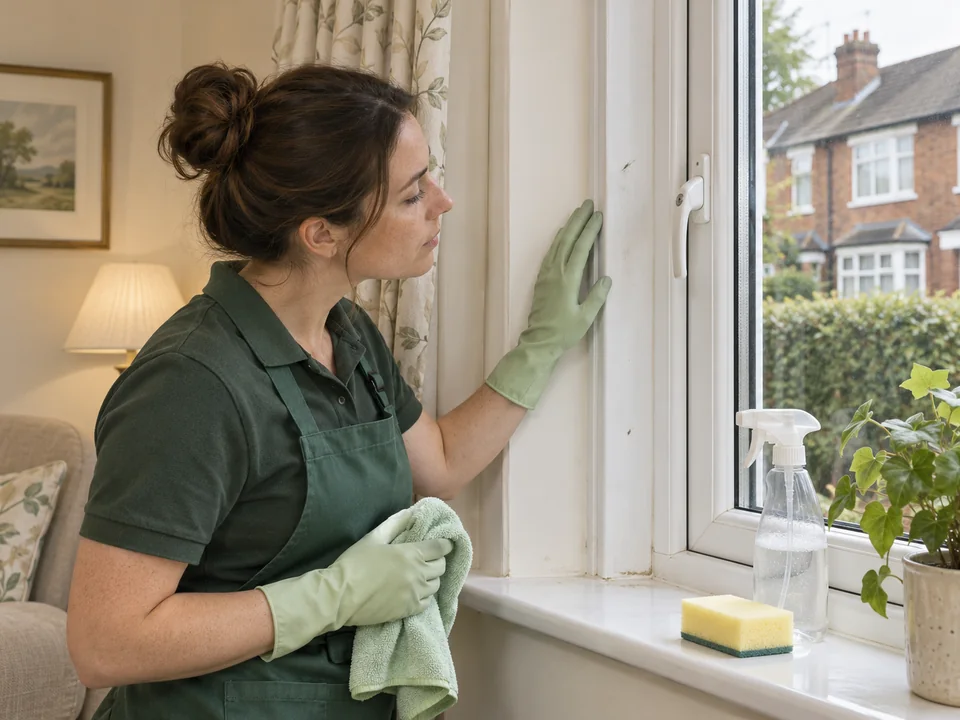
At the property we review what can be seen of the affected surface. We check the accessible extent, condition and where the finish changes. If a patch crosses an edge from a hard face to a loose covering, we discuss the difference before agreeing what can be cleaned. We establish where preparation can take place and which parts require a separate decision. The quote should describe the agreed surface rather than imply that every adjacent material is included.
A room can present more than one access question, such as a wall face partly hidden by furniture and a ceiling edge beyond a staircase. We consider them independently and agree which areas can be viewed or reached. If the visible face is unsuitable or material is changed, we explain what another assessment needs to address. A question about the building, moisture or damaged material can be coordinated with the person who has responsibility for the property.
If the surface differs from the description given at the first call, we set out which detail changed and consider its effect before agreeing work. For instance, a recently removed item may expose another part of the wall. We check the newly visible material in its own right and discuss whether it can be considered under the proposed visit. This keeps the work agreement tied to the surfaces that have actually been assessed.
| Visible position | What we assess | What we agree |
|---|---|---|
| Hard wall face | Reach, condition and extent of what can be seen | Which area is suitable for physical removal |
| Ceiling above a level space | Height and safe access to the finish | Whether the surface can be included |
| Boundary with loose or changed material | Where the finish changes and what is visible | What may need a separate inspection |
Prepare the position and physically remove visible mould
Once suitable surfaces have been agreed, we prepare the immediate working area. We check the route to the room and establish how we can reach the finish without extending the work beyond the agreed area. We confirm what the customer can leave in place and discuss anything that affects access. If the area is beside a fitting or if the room is shared, we check how the person using it will be able to manage that access during the agreed period.
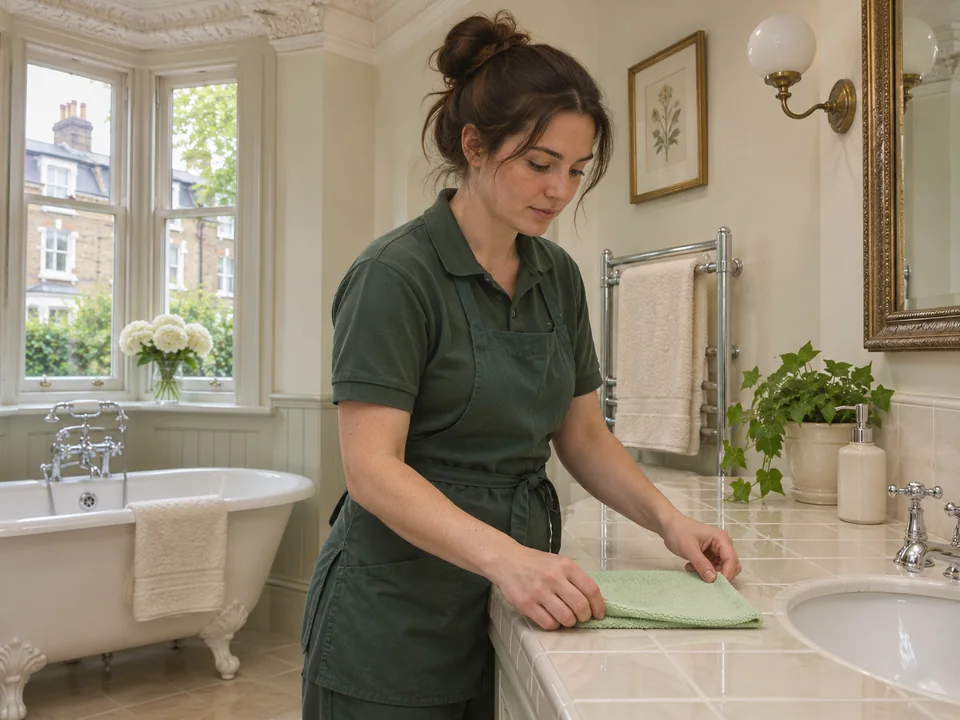
We physically remove visible mould from the suitable accessible hard surfaces covered by the visit. We respect the work boundary around changes in finish and adjoining parts of the room. If a separate affected area comes into view, we explain its location and current condition to the customer or their contact. We check whether a further assessment or a change in the work agreement is appropriate before considering that area.
At the end of the work we review the visible surfaces. We relate the result to the specific area described in the agreement and explain any adjacent material or inaccessible face that remains to be considered. If an owner, tenant or property manager needs the information, we discuss who should receive it. The description stays with the location and finish so the same area can be identified if anything changes later.
- We prepare the immediate working area once work has been agreed.
- We clean the accessible suitable hard surfaces included in the visit.
- We identify any limits at the end and discuss the next decision.
Agree the handover when someone else manages the property
If a person different from the occupier has arranged the work, we agree how the room will be handed back and who should receive any observations. We discuss the surfaces we cleaned and the limits of the work as part of that handover. Where another part of the material needs assessing, we use the same room label and location that were given during the first discussion. This gives the responsible person a useful record without assuming that cleaning settled a separate building question.
If there is a known repair, keep its date and the person who arranged it with the agreed work record. We can then talk about which visible areas were covered and which remain under review. For a separate visit, ask what information needs updating, who can provide access and which conditions of the room have changed. If another cleaning service is being considered at the address, give a separate work list so both arrangements are clear.
The booking page helps you collect the address, room and timing before speaking to the office. Have any recent changes and access details to hand when you call. If the room is available only before or after another visit, give that time and explain who controls the arrangement. We can then discuss the work, its limits and any separate assessment that should be made before a price is agreed.
| What we hand over | Why it matters |
|---|---|
| Location and surfaces cleaned | Links the work to the actual room and finish |
| Areas that could not be included | Makes any further access or assessment clear |
| Questions for the building contact | Distinguishes surface cleaning from another decision |
| Next contact | Identifies who can arrange further information if needed |
How we handle a new patch reported at the same appointment
Tell us who has seen the new area and whether it can be viewed while we are there. We check the visible material and its accessibility instead of assuming it can be included under the existing agreement. If it is on the same wall, we identify its position as its own item. If the mark is on another finish or room, we discuss who can authorise that additional area and how it could be considered. This allows the customer to keep the agreed cleaning and any later decision clear.
If two changes have been reported since the quote, we record them individually. A new patch above a ceiling edge may need a different view from a changed wall surface that is next to the original area. We check which position can be assessed at the agreed time and who needs to approve further work. We then go through the available options while retaining the original room list so the customer knows which items have already been agreed.
When a room is about to be used for another visit or project, we confirm which part of it has to remain accessible. This can determine where we review the visible surface and what can be prepared. We communicate the limits at the end of the work with enough detail for the next person to recognise the area. If they need to investigate a separate concern, they can use the same room and surface labels.
If a decision is deferred, we record the practical reason so the customer can confirm what would make a later review possible.
Questions about arranging mould removal
How do you arrange arrival for a door beside a Barkingside shopping parade?
Give the full address and identify the door visitors use. We confirm the relevant arrival details and who can make the door available.
Can you assess more than one patch on the same ceiling?
We ask for the position and approximate size of each patch. We discuss the working position and agree the areas that can be reached.
What if a wall looks different from the photograph I sent?
We compare the visible condition with the description before agreeing work. We explain if the change affects the surface or its suitability.
Can another resident show the room if I cannot attend?
Yes. Agree who can show the area and who can approve work. Give the person attending the same description used in the original enquiry.
How do you check the cleaned area if a section had to be left out?
We review the visible area cleaned and identify the adjoining section separately. We explain if the remaining area requires access, another assessment or other arrangements.
Do you include the area hidden by a fixed cupboard in a surface quote?
We can review what is visible and accessible. Any concealed area would need suitable access and its own assessment before being included.