 Housekeeper
Mould Removal in Barking
We start by asking what you can see in the affected rooms of your Barking property. We use the room details and known repair history to discuss assessment, then agree preparation and remove visible mould from suitable accessible hard surfaces where work can proceed. If a separate building issue needs attention, we identify it for the appropriate property contact.
Do you need more than the IG11 district?
Yes. Give the full postcode, building and flat or house number. Explain which entrance leads to the affected room.
Can one enquiry cover marks in several rooms?
Yes. List each location separately. We discuss which surfaces can be seen and what access and preparation each room would need.
First we establish which Barking address and rooms are involved
Tell us the complete address and what you would like us to consider. The council's local plan distinguishes Barking town centre and the River Roding area and identifies residential sites including the Gascoigne estate. Abbey Green is another reference point near the town centre in IG11. These names help describe the wider area. For an appointment, give the specific street, entrance, flat and floor. If a visitor should report to a separate reception or meet somebody away from the postal door, give those directions early and confirm which person is responsible for entry.
We ask how the room is approached once the building is open. If the affected area lies behind a second door or on a different level from the entrance, describe the route in order. An estate or block name alone may leave it unclear which stairs or lift serve your part of the building. Tell us if there is a shared landing, courtyard or area where arrangements have to be made with another resident or property contact. This lets us discuss which places are available to assess and which still need permission or practical access.
Give each room a description that works for a visitor and anyone who will receive the result. A label such as bedroom two is useful when it matches a shared record. Otherwise, identify the position and an obvious feature, such as the rear room on the ground floor or the ceiling beside the door in the bathroom. If two people reported the same place using different names, confirm which descriptions refer to it. We use the agreed names throughout the visit so the work and any exclusions can be recorded under the right rooms.
If a third person is arranging the visit, give them the same descriptions that reached the office. A porter might be able to send someone to the flat without knowing which room was named. The resident can add the details when they are available, and the person approving work can confirm what is included. When one person handles all three roles, confirm when they can be reached and which door they can open.
- Give the street, floor and door with the full postcode.
- Name the person who controls each part of the route.
- Use room names that the resident and property contact can recognise.
We assess the visible extent and separate the surfaces involved
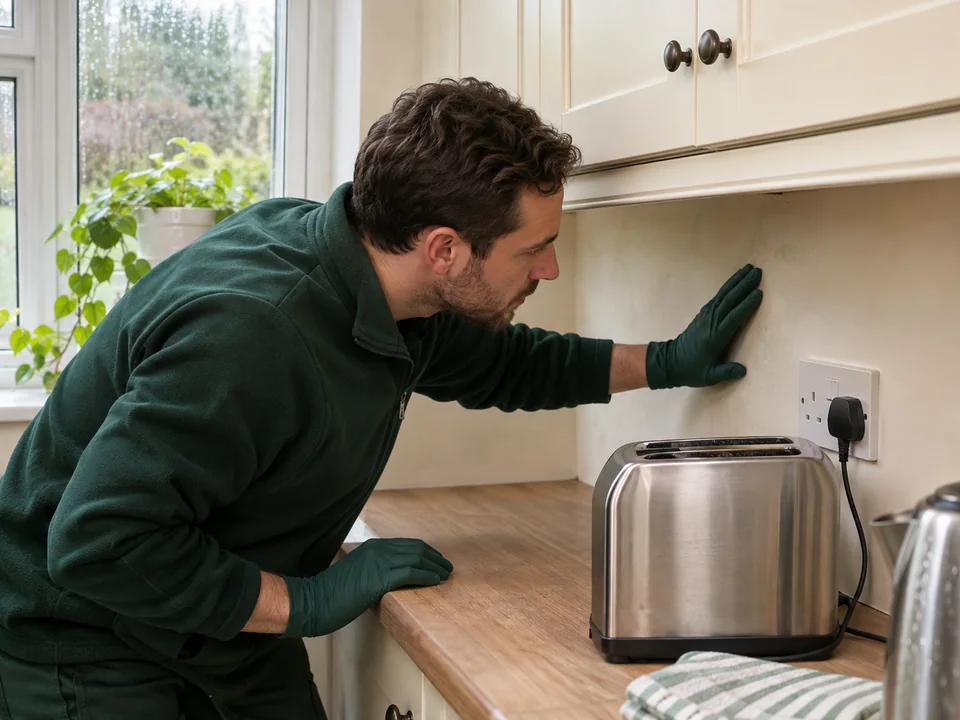
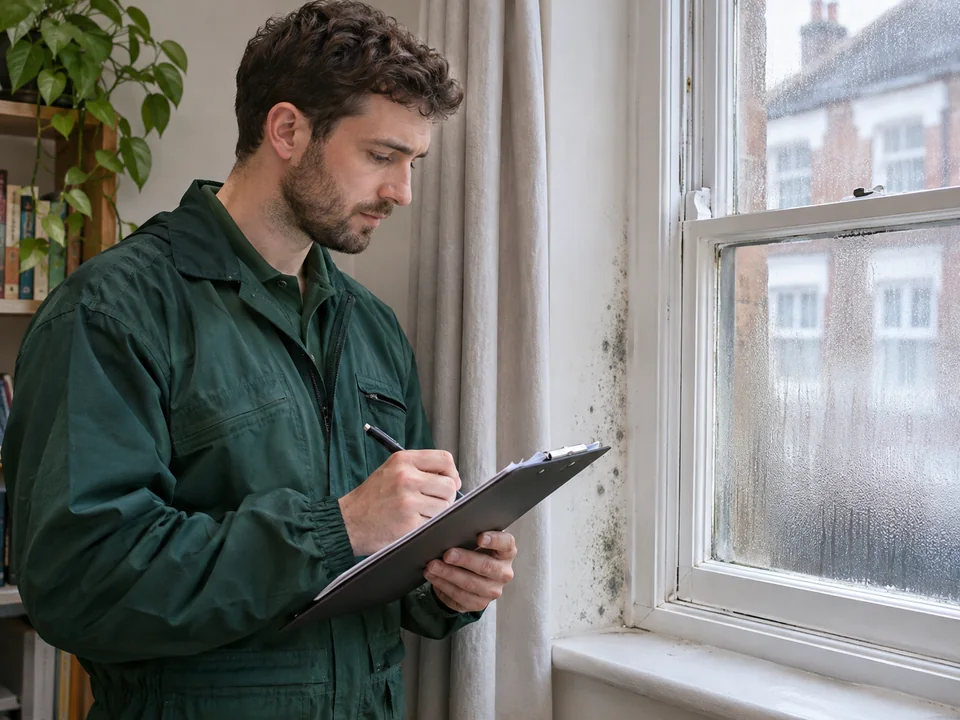
We review where the marks are and the hard surfaces they touch. For example, a visible patch could begin on paint beside a window and extend to a hard trim or another finish. We discuss the visible condition of each part and consider what can be reached. If there are several patches in one room, indicate where they lie in relation to each other, the approximate size and whether they run behind a fixed item. A wide photograph from a safe place can show how the position and finish relate to a door, window or fixture.
Where paint is damaged or an area is partly hidden, we identify what can still be assessed in its current state. An apparently similar finish in the same room may need a separate decision if it is lifting or the underlying material is unknown. Mention anything that has been repaired, papered over or painted before the present condition was noted. We can discuss a hard exposed surface while keeping any question about the adjoining porous or concealed material separate. Tell us if a different person needs to identify the material or confirm access before that part can be considered.
For high or obstructed areas, describe the approach rather than trying to get closer for a photograph. Tell us if a patch is above a bath, fitted cupboard, stair or substantial item of furniture. We can consider the approach and visible material as separate questions. If the exposed area can only be seen from one side, tell us the position of the accessible edge. We discuss how far the assessment can go and whether another person needs to decide what happens to a fixed or concealed part of the property.
If the affected area meets a finish installed recently, share what you know about the new material. A coating on the visible surface may differ from what surrounds it. We ask whether the appearance or condition changed after installation and where the visible marks are now. If the material is unknown or appears damaged, we discuss any questions that must go back to the installer or property contact before treatment is agreed.
| Visible area | How we assess it | Separate question to resolve |
|---|---|---|
| Hard surface near a window | Visible extent, approach and finish condition | What can be considered at adjoining materials |
| Damaged coating beside a patch | What can be seen on the surface and at the edges | Whether the material underneath requires review |
| Higher section above a fixture | Height and conditions of access from the room | Whether a different access arrangement is needed |
| Section only visible at one edge | Accessible part and what is obstructing it | Who can consider the concealed area |
We prepare and clean the work area agreed for the visit
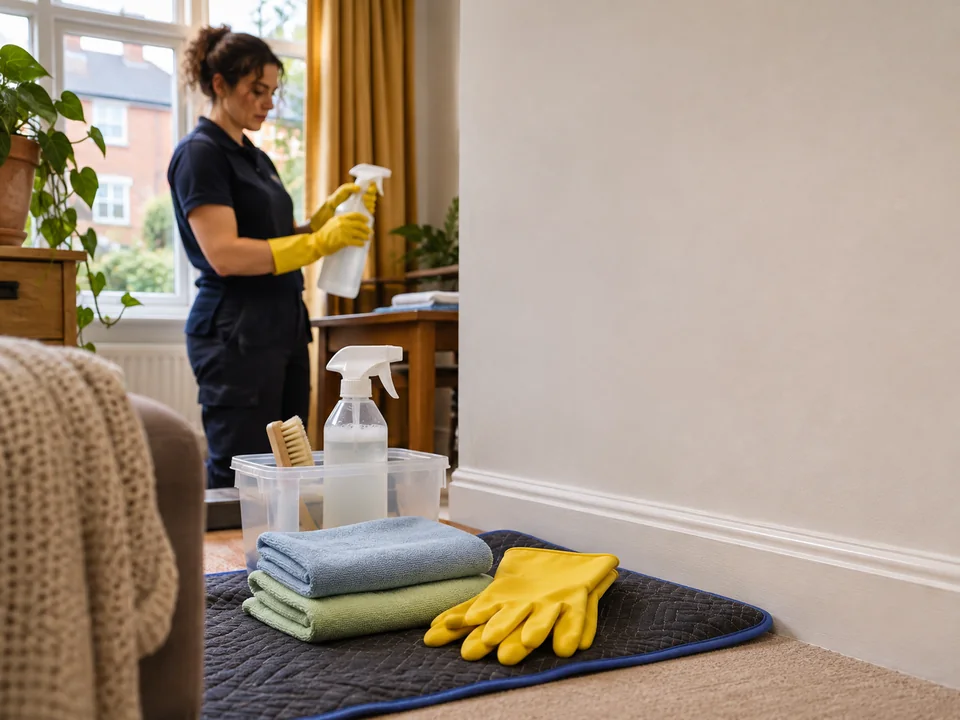
When we can agree suitable surface work, we confirm which immediate area is included and what we need to arrange around it. Tell us which items may be cleared, which surfaces or contents require protection and what must stay in place. If a room is occupied or used for household activities, identify the available period and any route that has to stay usable. We use those details to discuss preparation before we begin. If the same enquiry includes areas in different rooms, we agree which locations are open and whether they can be prepared in the same visit.
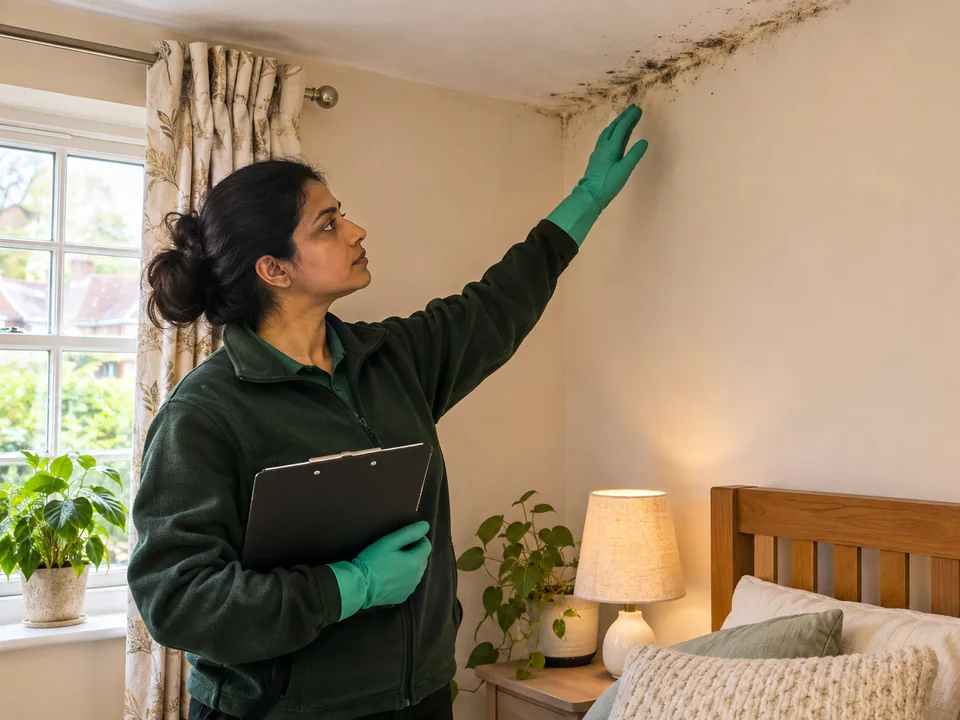
We remove visible mould from the agreed suitable accessible hard surfaces. If we see a change in material or extent, we discuss it before considering anything outside the agreement. A surface that was visible in a photograph may be blocked by furniture on the visit date, or a closer view may show an adjoining section is damaged. We recognise those limits and discuss what preparation or separate assessment is needed. A landlord or property contact may need to decide what happens to an inaccessible or unsuitable part. We keep those areas distinct when discussing the work that can go ahead.
Properties with more than one person arranging access need a clear record of preparation. Ask who can confirm that a room is ready if another person normally uses it. Give the time when an area can be made available and explain if the route passes through another occupied room. We can discuss the practical order of work with you. If one area depends on a separate decision, we agree which other surfaces can be considered independently. That keeps the work aligned with the areas available and agreed for the visit.
A work area may be close to an entrance that has to remain in use. We identify how the accessible section can be approached and whether anyone needs to arrange a time when the route is clear. If the resident is making a room available around a household routine, agree who will confirm that it is ready. A change to the room arrangement can affect preparation even when the visible marks remain the same.
- Confirm which items should be cleared, protected or left in place.
- Agree which rooms are available and in what order.
- Discuss a changed surface or obstruction before adjusting the work.
| Stage | What we agree |
|---|---|
| Preparation | The immediate working area and route to it |
| Cleaning | Suitable accessible hard surfaces included for visible mould removal |
| Change in condition | Which areas need further assessment or an amended arrangement |
We review what was covered and identify the next contact
If you have a repair reference or information about a report of damp, tell us what it concerns and which room was viewed. Give dates and note if moisture or the effect of a repair still needs checking. We discuss the visible marks and explain if a property professional should investigate the source separately. If different areas have different histories, tell us which report applies to each one. A record of what has happened can inform the next step without establishing why a patch appeared. An unresolved property issue remains a separate decision from removing visible mould on an agreed hard surface.
At the final review, we identify the locations covered and any that were outside the work. Ask who will receive this information if the person present is a keyholder, resident or representative for another individual. Share the relevant parts with whoever manages any outstanding repair or condition review. If the visible marks return, let us know where and when you noticed them and whether anything in the room changed. We can then discuss the area alongside the earlier record. A quote depends on the agreed areas, visible condition and access, so share the current information when you speak to the office.
If another cleaning visit is being considered for unaffected rooms, prepare a separate list and explain if it needs to happen before a handover or after another trade has visited. The office can discuss the room or item list on its own. Keep the agreement for the mould visit with the related area descriptions. Where an inspection of a different surface remains outstanding, a separate record helps the next person identify the right place without having to rely on a general report about the flat.
A handover can also record what needs to be confirmed before booking a return visit. For example, a landlord may be waiting to receive a report on the condition of a separate area before deciding whether it can be accessed. Keep that issue beside the appropriate room description. If you contact us once the information is available, mention what has changed and whether the part discussed previously is now accessible for assessment.
- Pass the room record and exclusions to the agreed contact.
- Separate outstanding repairs from the completed surface work.
- Describe any later changes using the same room names.
| Record to keep | Use after review |
|---|---|
| List of agreed rooms and surfaces | Identify what the surface work covered |
| Excluded area or damaged material | Direct the outstanding question to the responsible person |
| Separate repair history | Check whether a new observation belongs with an earlier report |
Questions about arranging mould removal
Our block has two doors with the same street name. How do I give directions?
Give the full postal address and identify the particular entrance by its number or building name. Mention who can meet the visitor there.
May I send a wider image when I cannot safely reach a high patch?
Yes. Give the room and approximate height, show what lies below the area and tell us about anything in the way of a safe approach.
Can we agree one patch now while the second is behind fitted storage?
We can discuss the visible, accessible area and put the concealed section on a separate line for an access or material decision.
There is a report about the building but it names another room. Is it useful?
Share the date and room it concerns and identify the new area separately. That gives context without assuming the report covers both places.
Can a caretaker open the room and leave before the assessment?
Agree access and tell us who can discuss the room if the caretaker is unavailable. Give the name of the person authorised to make work decisions.
How do I pass the outcome to a property manager who was away?
Use the agreed room names and identify what was covered and what remains open. Keep any separate repair reference beside the relevant part of the record.
Other Cleaning Services in Barking
Regular housekeeping in Barking, Carpet and upholstery cleaning in Barking