 Housekeeper
Mould Removal in Balham
We handle Balham mould removal enquiries by first identifying the visible area and the work you want to discuss. Give us the full address, the rooms involved and any previous repair information. We can then discuss what needs assessment, which suitable hard surfaces can be included and how we will review the agreed work at handover.
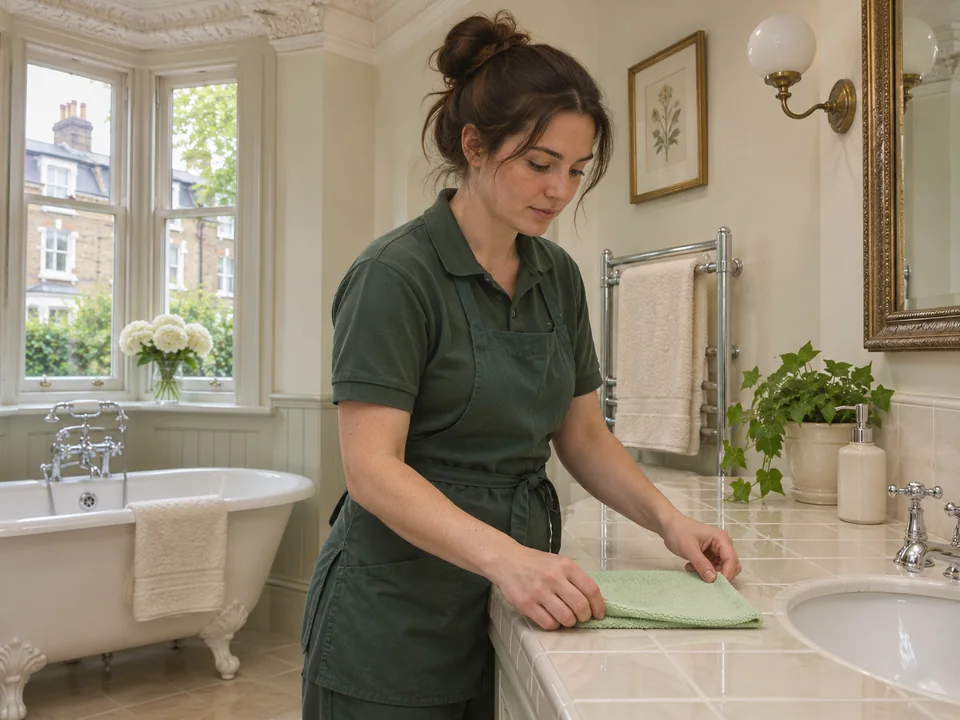
What helps when arranging an SW12 visit?
Give the full address and name the door leading to the dwelling. Mention shared entry, stairs or a separately numbered entrance.
What if only one of two affected rooms is open?
Tell us which room can be assessed now. We discuss access and the appropriate timing for the remaining area separately.
Tell us which parts of the property the enquiry covers
We start by asking where the visible marks are and who can give access. Use the full postcode, flat number and floor. Wandsworth Council describes Balham High Road, Bedford Hill and Balham Station Road as the three main roads of the town centre. Its streets include buildings where homes sit above other premises. For a particular address, explain which door is used for the flat and whether someone has to meet the visitor outside. If your usual entrance is approached from a different street, give both the postal address and the address or name that identifies the correct door.
An address can have more than one affected place without making them one work area. A lower room and a loft room, for example, can involve different materials, access and history. Give us each room's name and a reference point such as the wall beside the bay, the end of the passage or the ceiling next to a fitted cupboard. We then discuss what can be reached, which rooms can be considered together and which may need a separate step. If one room is locked or reserved for use by another person, describe that limitation clearly at the start.
Tell us who can answer questions once the property is opened. At an occupied home, a relative arranging keys might have no knowledge of the finishes or repair history. The person able to describe the affected areas might not be the one who can agree work or admit a visitor. We record which contact is responsible for which decision. This matters when more than one floor or household is involved, and when a date depends on a landlord, occupant or manager resolving a different part of the enquiry first.
If you want us to consider only one part of the property, explain that directly. You can mention a second area as useful background without making it part of the proposed visit. We discuss the named rooms and access arrangements you can offer. The full postcode helps identify the property, while the room list helps us understand the work you want considered. Give any relevant date, such as a change of occupier or a planned repair, so we can discuss the order with the person arranging the visit.
- Identify the visitor door and the full SW12 address.
- Use recognisable names for every room in the enquiry.
- Tell us who can give access and who can agree work.
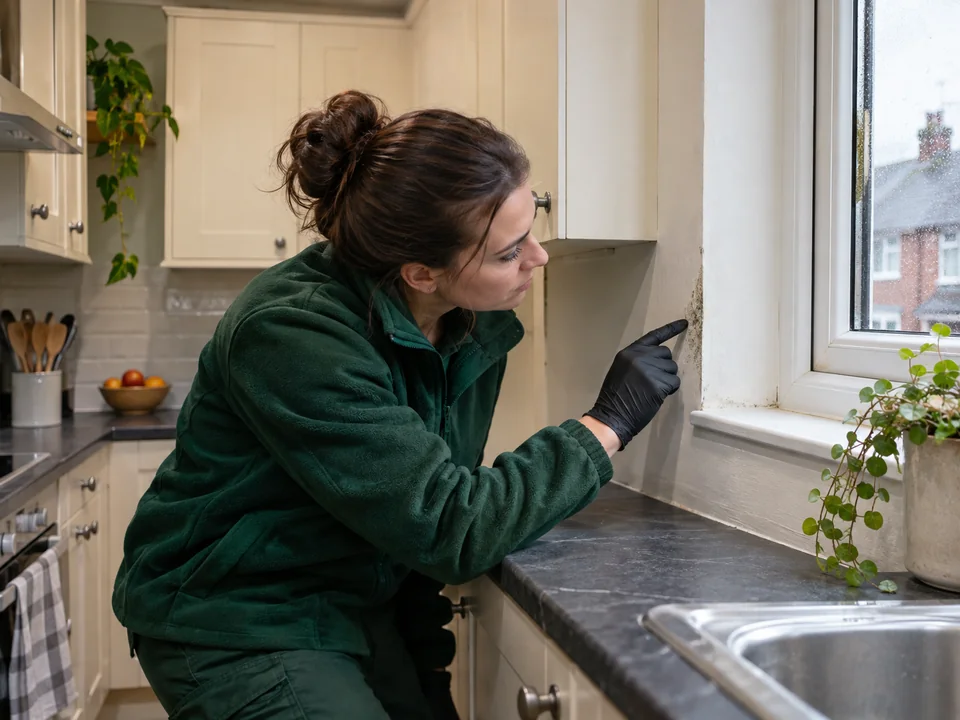
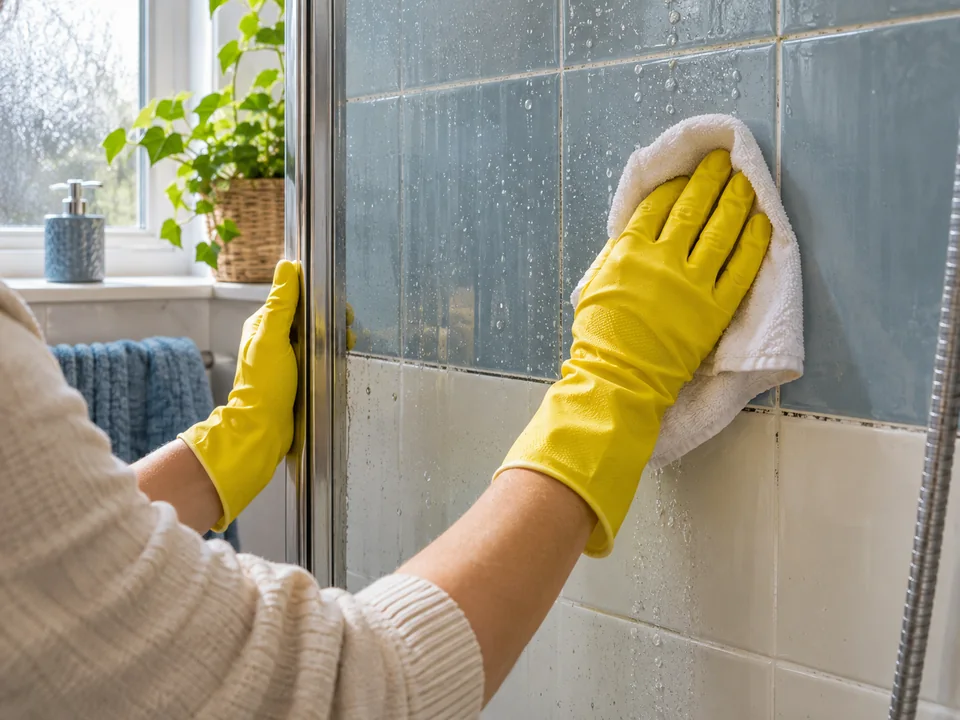
We compare visible surfaces before considering how to clean them
We use the first description to identify the visible area and approximate dimension. If marks are at the junction between two materials, such as a painted wall and a piece of trim, we review the condition of each part. A finish that appears sound may be different to a neighbouring area where the coating is lifting or the base material is uncertain. Give us a wider photograph where possible, showing the room and the point where the surfaces meet. That context helps us assess the boundaries of the exposed area before we discuss surface work.
If two rooms show similar marks, describe them using separate notes. A lower room with a changed finish and an upstairs room with a mark by a window may raise different questions, even if the spots look alike. Tell us what you can see in each room and which side of any partition or window the marks touch. If an area cannot be reached because of furniture or a fixed panel, describe the visible edge and the obstruction without moving the item. We can discuss what is accessible now and what may only be reviewed after a separate assessment.
Record which surfaces may be porous, damaged or sensitive. A nearby item made from fabric, paper or another material may need advice or an independent decision. We separate those items from the suitable exposed hard surfaces we can consider for treatment. If the material cannot be identified from a description and photograph, say what you know about how it was decorated or repaired. We may need to see the finish before agreeing the work and can explain what needs another person to review.
Consider the approach to a high location as part of the enquiry. A mark on a ceiling beside a stair may require a different access discussion from one in the centre of an open room. Describe what lies below it and whether the approach can be made available. We use that information to discuss which areas can safely be assessed. Give dimensions from a safe position and let us know if you can only estimate them. We can talk about an initial assessment without requiring you to reach beyond a fixture.
If a patch sits close to a skirting board on an exposed wall, give the approximate height from the floor and tell us whether the boards or wall finish are marked too. That lets us distinguish the location from a nearby mark on another wall. If you have already cleared a freestanding item so the area can be seen, say when the layout changed and whether the route to the wall remains clear. We discuss what is now accessible during assessment.
| Reported area | What we assess | Question to settle before work |
|---|---|---|
| Sound exposed hard finish | Visible extent and adjoining surfaces | Is the accessible area suitable for treatment? |
| Damage beside a mark | Condition of the visible finish | Does the material need further review? |
| Ceiling above a fixture | The room approach and height | Can the area be reached safely? |
| Area behind storage | Exposed edge and obstruction | Who can decide whether further access is needed? |
Check the order of work if a repair or drying decision is outstanding
We ask about visible changes and any maintenance that has already taken place. If a repair involved an upstairs pipe, say which room it served and who can provide the details. An appointment might have dealt with a different part of the house from the place showing marks today. Keeping those locations separate makes the history useful. We use it to discuss what can be assessed and whether the person responsible for the property should obtain more information before surface work is agreed.
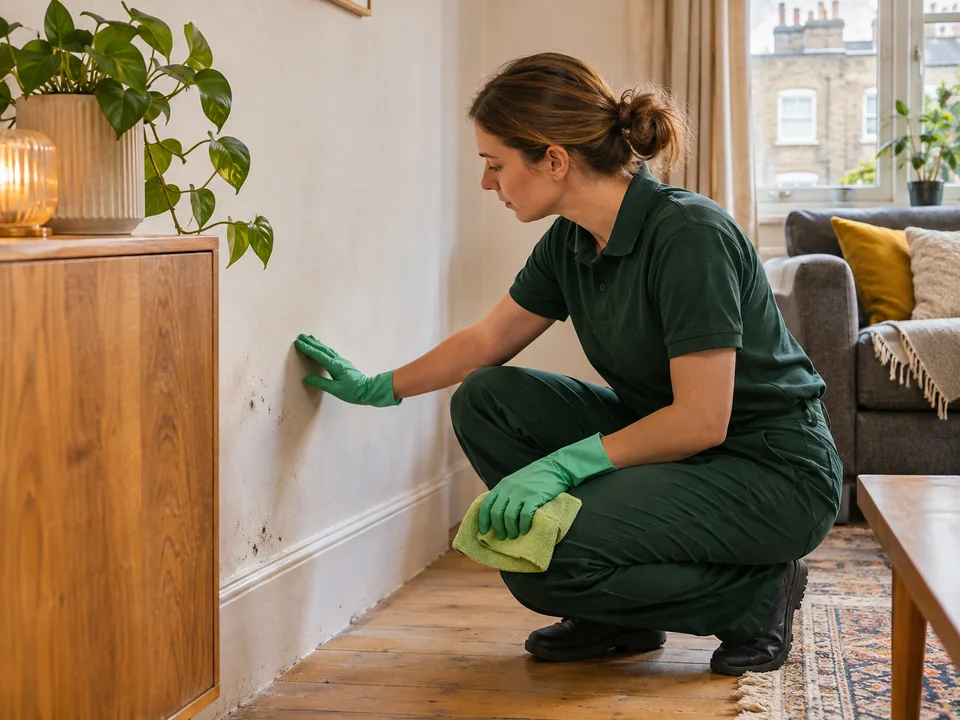
The appearance of a surface is part of the assessment, and so is the history you can provide. If a room has been affected again following earlier surface work, let us know the dates, whether the same part of the room was involved and what is known about any changes. A recurring sign may need a separate investigation of moisture or the building fabric. Cleaning suitable areas and addressing the underlying condition are distinct decisions. We explain where a property professional may be needed before a room can be added to the agreed work.
Where one room remains in use and another is empty, we can discuss whether an assessment should be planned in stages. If repair access affects one room, give the date another person expects to attend. Confirm which rooms can be used for access and whether the situation may change before the proposed appointment. We review those practical details when discussing the visit so the estimate reflects the areas that can be considered and the preparation that has been agreed.
- Put repair dates alongside the room they concern.
- Say which areas are waiting for another decision.
- Tell us if the available rooms or access times change.
| Condition to discuss | Useful information to bring |
|---|---|
| Area changed after a reported repair | Date, location and current appearance |
| Marks returned after previous work | Earlier area, repair history and when signs were noticed again |
| Room cannot be reached yet | Access limit and who can update it |
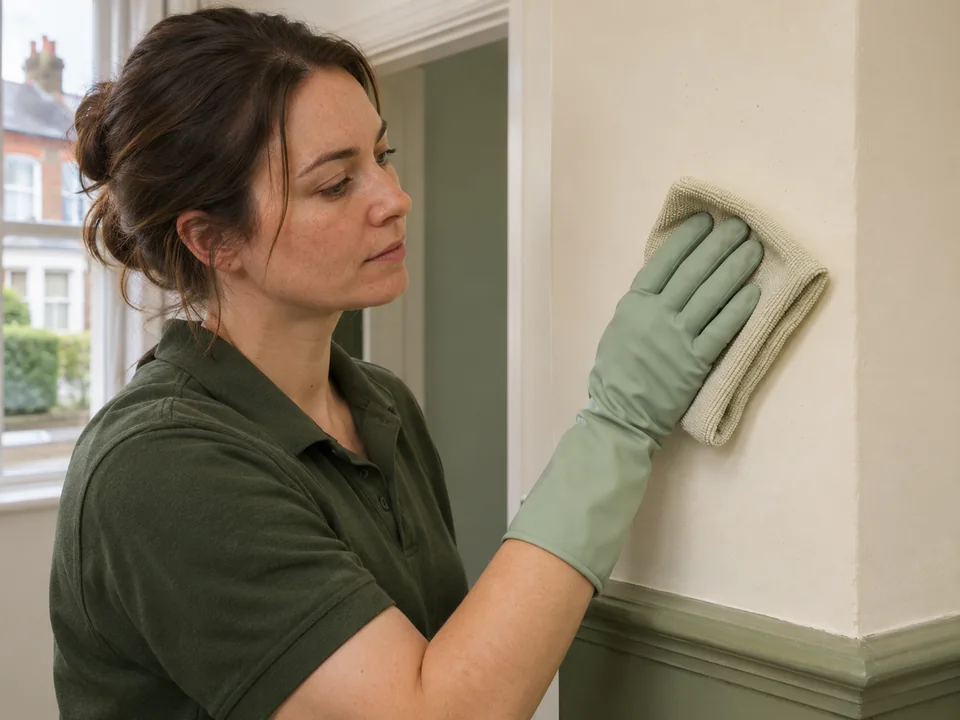
We prepare the agreed area, clean suitable surfaces and review them
When we agree the work, we confirm the immediate area and what is needed to prepare it. We discuss surfaces or items nearby that need protection, what may be cleared and what should stay in position. When the visible extent is different from what was first described, we identify that change before considering extra work. We remove visible mould from the agreed suitable accessible hard surfaces and keep any adjoining material that needs a separate decision outside the agreed work. Where more than one room is included, we check the list rather than assuming every reported area can proceed on the day.
At the final review we identify the surfaces covered and any locations that remained outside the visit. If the occupied home has more than one person involved, agree who receives that information and how it should be passed on. The work depends on the finish, access and areas agreed for that address. Tell us the complete postcode and affected locations when you ask for a quote. If you also want to consider regular housekeeping or a move-out clean, give those rooms and tasks separately so we can discuss them on their own terms.
Share any return-visit needs at the review if an area has been left open for a decision. A room might require another person to check material condition, an agreed route to become available or further information about a repair. We distinguish those issues from the work already covered. If signs return later, use the same room descriptions and provide the date and visible change. That makes it easier for us to review the earlier information and discuss the next step for that particular surface.
If a room can be entered only during part of the agreed time, tell the person arranging the visit what can be seen in that period. We can discuss whether the room needs to be assessed first, whether it can be prepared in advance or whether a separate arrangement makes more sense. Ask us to identify any excluded section before the final review so the named contact can pass on a clear account.
- Confirm preparation and the included surfaces before cleaning.
- Review what was covered in each room.
- Record which other decisions still need a named contact.
| Visit stage | What we do |
|---|---|
| Prepare | Agree access, materials and what stays protected |
| Clean | Remove visible mould from the suitable accessible hard surfaces included |
| Review | Confirm what was covered and discuss any separate issues |
Questions about arranging mould removal
My entrance is beside a shop with a similar building number. What should I send?
Give the complete postal address and a separate note identifying the residential entrance, including the flat number and relevant bell or contact.
There are two patches in the same room but only one is close to a window. Are they one location?
Identify each patch with its own position, approximate extent and surface. We can then discuss them as separate parts of the room.
Can the downstairs area be assessed while upstairs is unavailable?
Tell us which parts are accessible and which are waiting for permission or another visit. We can discuss suitable timings and what can be considered now.
How can I show the difference between a wall finish and a trim that both look painted?
Share a wider view showing the junction and give any information you have about the two surfaces. Tell us where the finish is damaged or unclear.
Another contractor has given me a date for a possible repair. Should I confirm mould cleaning first?
Give us the repair date, affected room and what remains uncertain. We can discuss assessment or suitable surface work with that sequence in mind.
Can the person holding the key receive the handover?
Agree who should receive the information while arranging the visit. If the keyholder is only handling entry, identify the resident or property contact who will receive the details.
Other Cleaning Services in Balham
Regular housekeeping in Balham, End of tenancy cleaning in Balham