 Housekeeper
W10 · Rental handover
End of Tenancy Cleaning in North Kensington
Include the full address, which part of the building your tenancy occupies and the time the rooms will be clear. Tell us about surfaces that need particular care or items the owner wants left behind.
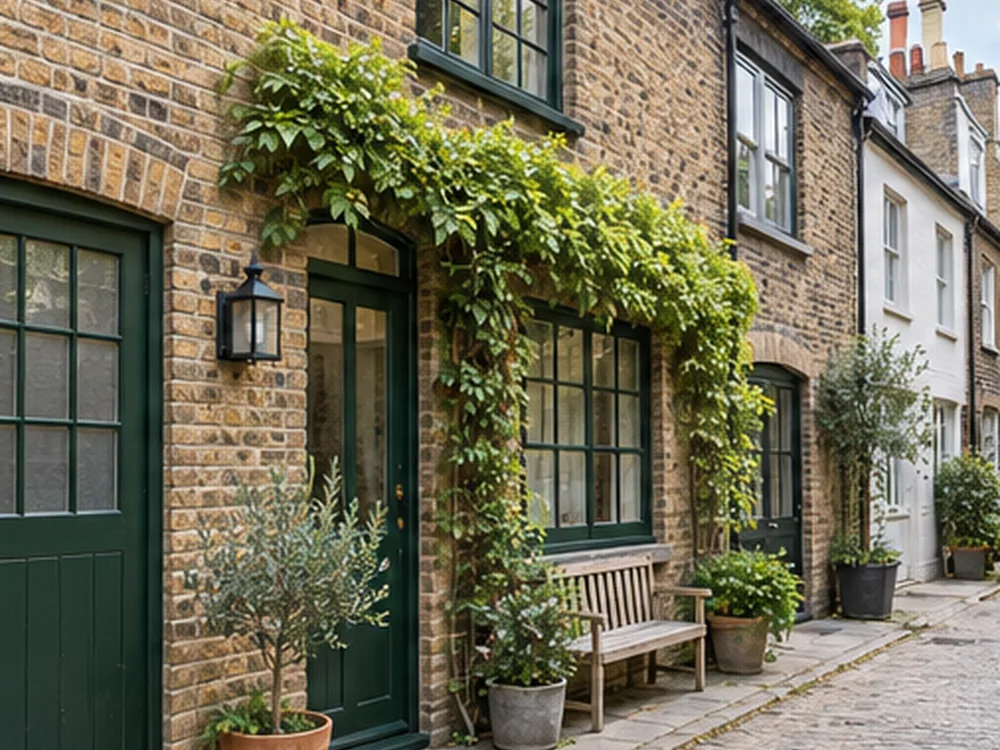
Make a clear request for floors, glazing and built-in shelves
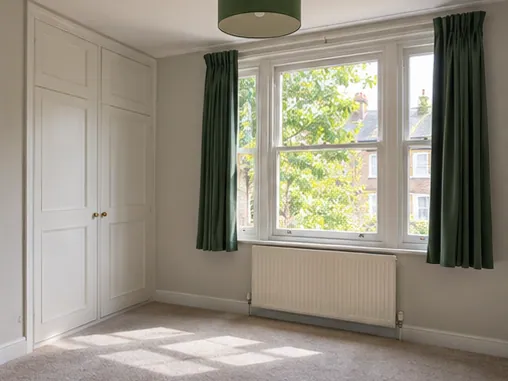
Inspect the floor after the last large items move. Areas underneath a shelf or sofa may show the difference between settled debris and older wear. Say whether the floor is carpet, painted boards, wood with an applied finish or tile. Send a photograph where a dark patch is difficult to describe. Ask separately about carpet and upholstery cleaning when the requirements include a treatment for a textile.
List windows that can be reached safely from inside and describe which panes, tracks or sills the agent asks to see. If a sash sticks, a handle has broken or a restrictor prevents opening, describe what can still be reached and report the fault. In a room with alcove cabinets, confirm that the landlord’s stored items will be moved by the appropriate person before the clean. Give the office any instructions for original woodwork or a painted ledge.
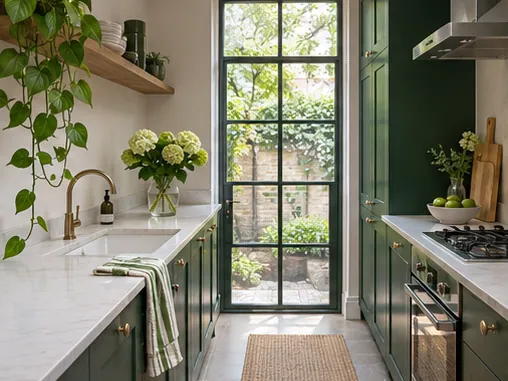
Split the appliance list from the surfaces around it
Write down the refrigerator, freezer, oven and any separate grill or combination unit. A gap beside a freestanding cooker may collect debris, while a fitted cooker can have a gap that cannot be reached without moving it. Show the office which type you have. Identify the shelves and drawers that should be empty, and keep supplied trays and racks in the appropriate appliance for checking after the visit.
Ask about oven cleaning if the cavity and detachable parts are on the inspection list. Tell the office about a rack that is already damaged or a fault in an extractor control. For a tall freezer, agree how and when it should be emptied and defrosted, taking care of the water before cleaning. If there is a shared kitchen, agree which shelves and appliances the tenancy actually covered before the final person leaves.
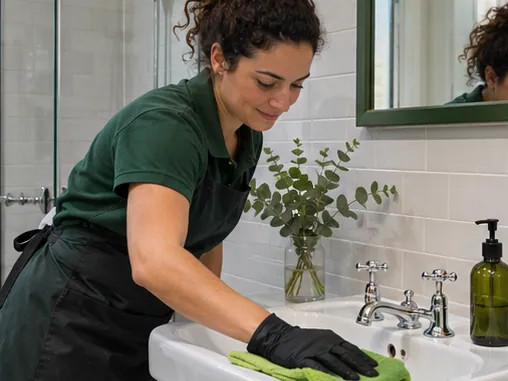
Decide how to document a recurring moisture mark
If the paint beside a window or shower discolours repeatedly, photograph it and describe when it tends to reappear. Water residue, a damaged seal and staining on painted plaster call for different decisions. Tell the agent about any known leak, loose bath panel or damaged ventilation. Give the office a room list that includes the separate WC or second basin and identify any areas that need a particular kind of care.
- Move toiletries and linen out of the cabinets the inventory expects to see.
- Identify any coated screen or stone ledge with its care directions, if available.
- Note which room or fitting the last resident still needs to use before checkout.
If the shower opens onto a very small space, explain what area is available to work and whether towels, a freestanding cabinet or a laundry basket are leaving. In a split-level home, label the lower and upper washrooms by their floors rather than assuming the office will know which is the main one. Let the property contact decide what to do if a fitting needs repair.
Explain how to reach your W10 door
The Royal Borough of Kensington and Chelsea’s Oxford Gardens and St Quintin conservation area appraisal locates the area in the northern part of the borough in W10. It identifies Latimer Road and the railway near the west side of the area. The borough’s conservation maps set this area alongside distinct nearby conservation areas. The names identify parts of the neighbourhood, but a visitor still needs the property number and route.
Specify whether the flat is reached through the main address, a shared hall or a gate with a different name. If the house has numbered steps leading up to the main door but your flat is below them, say how to find your entrance from the pavement. If the tenancy is on an estate, include the block and access point rather than relying on the postcode pin. The office confirms availability using your actual address.
Address details
- Kensington and Chelsea · Local authority
- W10 · Main postcode districts
- Oxford Gardens and St Quintin conservation area appraisal · Local reference
Explain three different ways into a W10 home
| Type of route | Ask the property contact | Pass on to the cleaning office |
|---|---|---|
| Lower-ground entrance | Where is the gate and can equipment turn on the steps? | The road number, gate and length of the stair |
| Converted house | Do two flats share a main door and an inner door? | Which keys open each one |
| Estate block | Which entrance reaches your level? | Block name, buzzer and route across the landing |
Clear the last items before starting work
Round up loose packaging from cupboards, stairwells and garden paths if those places are part of the agreed route. Ask the building contact how to manage rubbish beyond ordinary household collection. An armchair or spare bed picked up late can take up the space intended for cleaning equipment. Agree a suitable holding area and a collection time that still gives access to every agreed surface.
Name any other work that needs coordination, such as a lasting moisture issue, a painted area that has been touched up or damage to a wooden floor. Ask the relevant person to say when the surface can be cleaned. Tell the office which areas to leave alone while work is pending. After the appointment, keep keys with the agreed person and note any room whose contents or condition still need the agent’s decision.
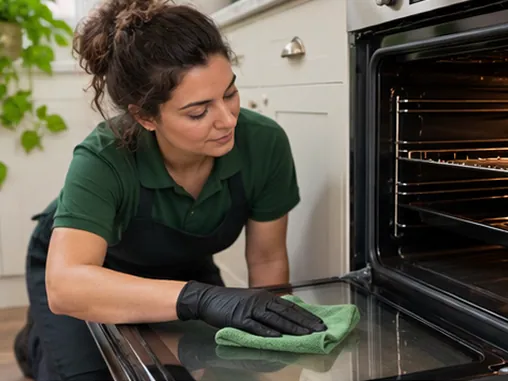
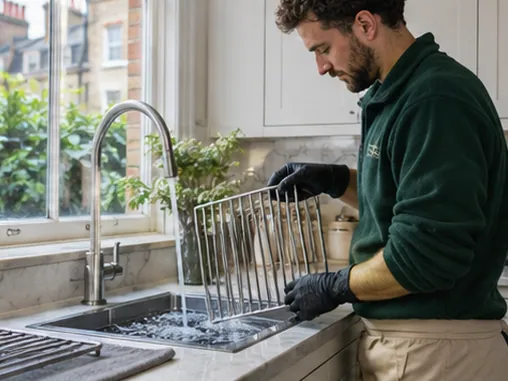
Oven cleaning
List the cavities, removable racks and separate grill when asking about appliance work.
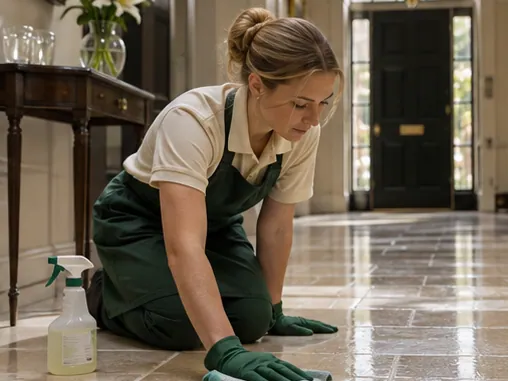
Hard floor cleaning
Identify the material, previous treatment and any damage for an assessment.
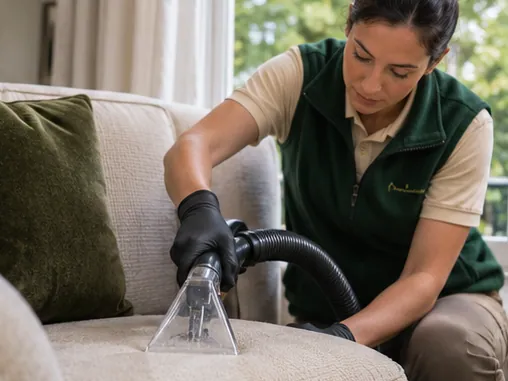
Carpet and upholstery
Describe the textile and leave drying time before the inspection.
Plan the final route between move and inspection
| When | Who should check | Result to agree |
|---|---|---|
| After the last removal | Outgoing resident or representative | Boxes and collections no longer block the route |
| Before the cleaner starts | Person with keys and office | Access to agreed rooms and necessary utilities |
| After the clean | Person handing over to the agent | Property secured and each key accounted for |
Match the condition notes to the right rooms before leaving
Compare the inventory with what you can see once your things are out. A filled room can hide older scratches by a bed or patches where a reusable hook lifted paint. Photograph those marks before the furniture goes if practical, or once the removal team exposes them. Name the location using the floor and room, and let the agent know where a fixture differs from the description in the original record.
- Empty the agreed drawers, wardrobes and shelves so the cleaner can reach them.
- Remove bags from shared paths and arrange separately for furniture that is being collected.
- Tell the office if a room will be locked, occupied or still in use when the visit is due.
Confirm who will keep the keys and who will let the cleaner in. If each resident has a different set, verify that the one available opens the street door, any inside door and the flat. Check that the utilities needed for cleaning will still be available. Keep copies of the inventory and key instructions accessible after phones or paperwork have been packed.

Check the whole route rather than stopping at the building door
For a lower-ground flat, give the number of steps beyond the gate and confirm that the equipment can get round any turn. For a flat approached from a deck or shared path, explain which block entry reaches it and whether an inner door needs a separate fob. Check with the building contact where unloading can be arranged and who has permission to occupy the agreed space. If entry is controlled at set hours, ensure there is time for the cleaner to leave with equipment as well.
- Give the buzzer number and a practical alternative contact if no one answers.
- Confirm when the shared route will be free after the removals finish.
- Arrange a private channel for key or entry instructions and agree where the set goes back.
Where the agent’s office is elsewhere, allow travel time and check when someone will be there. If the tenant and cleaner leave separately, decide which person makes the final lock-up. Tell the office what to do if a shared gate closes automatically or if re-entry depends on an extra fob. An inventory clerk arriving later needs to know which part of the property can be reached with their set.
Before you hand over the keys
- Floor beside a previous rug
- Bath or shower panel
- Kitchen appliance interior
Use photographs to identify what the inventory means
| Area | Photograph to send | What to include |
|---|---|---|
| Floor beside a previous rug | The edge of the marked and unmarked area | Material and whether treatment is requested |
| Bath or shower panel | The visible mark and the fitting around it | Any leak or loose item already reported |
| Kitchen appliance interior | The cavity and model or control panel | Which removable racks or trays belong to the owner |
Get the condition and limits into the written quote
Describe the whole property, including bathrooms, laundry areas and cupboards beyond the main room count. Identify the requested interiors and share recent photographs if the condition is difficult to explain. A relative or agent arranging a clean from another location can ask whoever is returning the keys to check for tenant belongings and send a short room list. Include access time if stairs or a building sign-in are involved.
Ask the office to confirm which work is included and how to agree an addition before it starts. For a badly marked textile, an exterior window or a surface in need of restoration, supply enough detail for a separate discussion. Tell us if the Agent must inspect on the same day or if another contractor’s work changes the time a room can be used. The agent or landlord deals with the inspection and any deposit decision.
Information for your quote
- After the last removal
- Before the cleaner starts
- After the clean
Questions before booking in North Kensington
Is the main address enough if my flat door is under the front stairs?
Include the street address and describe where the door is reached from the pavement. Mention whether the gate or inner door uses a different key.
What if my allotment of space in the shared kitchen has no label?
Agree the relevant shelves, drawer and appliances with the agent or household. Give the cleaner a clear way to identify them.
Can the office quote before I know whether a moisture mark needs repairing?
Send photos and explain what recurs. You can ask about suitable cleaning of the reachable surface while the agent deals with the cause or repair.
Do you need to know if a wardrobe has been left by the landlord?
Yes. Say whether it is staying, whether it is empty and which exposed edges or shelves the inventory asks to see.
Can I leave one key with a neighbour for you?
Agree a private arrangement in advance. Confirm when the neighbour can be reached and whether that key opens every agreed part of the property.
What happens if a final furniture collection is delayed?
Tell the office which room or access route is affected and the expected collection time. The office can discuss timing or which work can proceed.
Ready to discuss the visit?
Have the complete postcode and key return time available when you call.
Arrange your North Kensington checkout clean
End of Tenancy Cleaning Prices in North Kensington
Tell us the number of bedrooms and bathrooms, and which extras you need for handover.
Get a Quote