 Housekeeper
TW7 · Rental handover
End of Tenancy Cleaning in Isleworth
For an Isleworth property, explain whether the easiest route goes through a front hall, a riverside courtyard or a door reached by steps below the street. Give directions to the building itself.
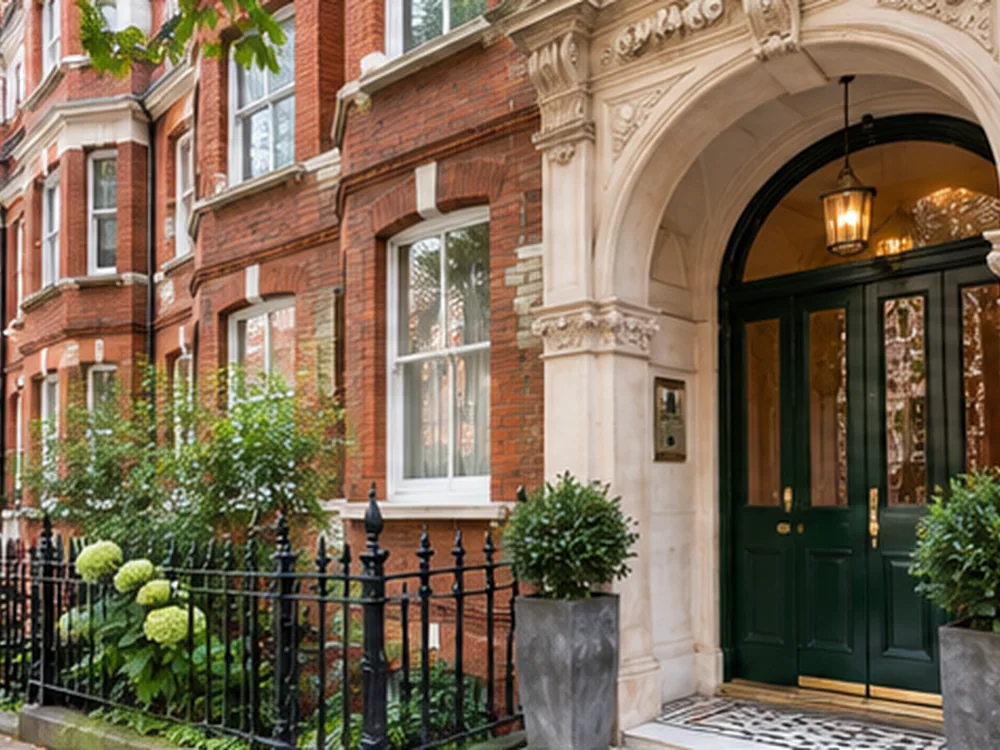
Name the address behind the landmark
The council’s Isleworth Riverside Conservation Area appraisal documents the designated area by the Thames. If you use the riverside or a nearby road as a landmark, add the full TW7 address and a description of any entrance that is easy to pass. A gate shown on a map might open onto a private court rather than the building you want. Give a separate instruction if visiting the home involves crossing a shared passage or going around to a lower entrance.
Include any known difference between the route for the letting agent and the one approved for equipment. An open courtyard when you move out might be locked at the time of the visit. Where a key holder can only stay briefly, agree who will handle a later question about access. Take a photograph at the point where two paths divide if the name on the door is hard to see from the approach.
Address details
- Hounslow · Local authority
- TW7 · Main postcode districts
- Isleworth Riverside Conservation Area appraisal · Local reference
Set the order of gates, doors and locks
Check every lock on the route from the agreed unloading point to the property. A key you use at the front door may open neither the court gate nor the secondary entrance you normally leave on a latch. If the opening instructions will change once you have moved out, ask the agent to confirm the route that will work for the full appointment. For a key exchange before any work starts, state the place, time and name of the person who can authorise entry.
Include steps below pavement level or a sharp turn into an enclosed court so the team understands how far the equipment has to go. Explain where the route stays clear of neighbours and how it is to be secured. If a key has to be turned from an external side of a door, organise the final lock before anyone leaves through another entrance.
- Ask whether the courtyard gate needs the same key for entry and exit.
- Identify any private steps along the approved route.
- Have the receiving person confirm exactly which sets are due back.

Look where the move exposes different surfaces
| Area | What comes out | What to record |
|---|---|---|
| Front room floor | Rug and any underlay | Differences in colour or finish |
| Hall cupboard | Hooks and loose storage boxes | What stays with the property |
| Window ledge | Tenant curtains and decoration | Staining or a damaged catch |
Describe the surfaces seen after curtains and rugs are removed
Follow the first daylight into each room after the movers leave. It can reveal the edge of a pale rectangle beneath a rug or a dark mark along the sill that was hidden by a curtain. Note when you saw the mark for the first time and compare with your earlier photographs. Where curtains are staying, ask who will remove them from the way if work at the window needs access. Record whether the rail itself is still secure.
For carpet and upholstery cleaning, distinguish a fitted floor from a rug that can be collected. A hallway, stairs and landing each need their own description because a treatment requested on one may not extend to the others. Note the affected treads and whether a loose edging strip would need attention first. Share the material of a retained seat if there is a care label, and mention existing wear along the seam separately from the mark you want assessed.
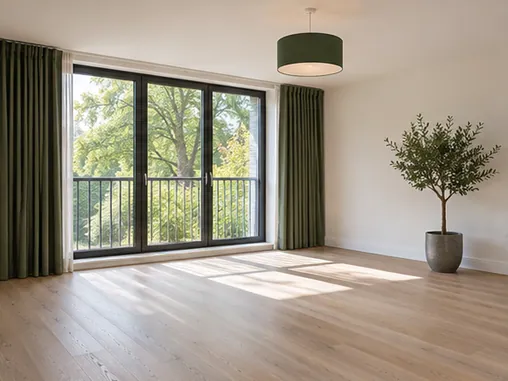
Decide which traces of the move should go with the last load
A tenant clearing a room can see the furniture but miss the smaller things that protected the finishes beneath it. Check for felt pads from a removed cabinet, clear mats used beneath a desk and temporary runners left in the passage. If a mat was provided with the house, check the inventory before taking it away. Ask where to leave it to keep the doorway available for work. Photograph the boards or tiles after the protection is lifted, and send any pre-existing problem to the agent as a separate note.
Check that each remaining item has a named owner and a home. Cleaning supplies left for incoming tenants should be put together only if the agent agrees to keep them. If the tenancy has an outdoor cupboard or understairs bay, confirm that it is empty and state which key opens it.
- Write down where the removable mats and furniture protectors will go.
- Empty the highest shelf of each fitted room cupboard.
- Mark the room whose exit still needs to stay open for removals.
Plan the preparation
- Front room floor
- Hall cupboard
- Window ledge
Distinguish the old finish from the residue on it
Find out what the worktop and splashback are made from if you can. A wooden counter with signs of wear around a sink is a different enquiry from glazed tiles with a visible film. Record swelling in a cupboard base or loose edging before the move, when it is easiest to show the room and exact fitting. Direct a leak or repair to the managing agent and ask what can go ahead safely if repairs have to wait.
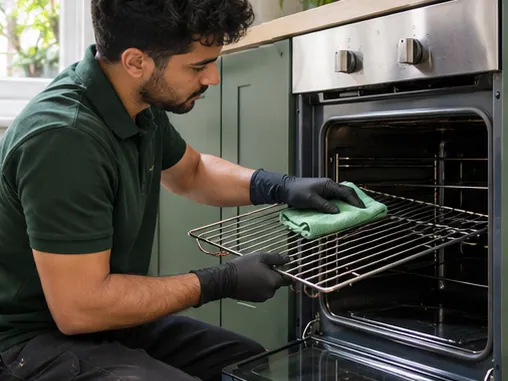
A cottage or flat can have a cooker that appears to sit in the cabinets with small gaps at each side. Give the model and say whether it is fitted or freestanding; avoid promising that it can be moved. If you are enquiring about oven cleaning, name the cavities, racks and removable trays you want included. Empty a fridge drawer as well as the shelf above it. Ask how the appliance is to be handed back if it will be switched off for several days.
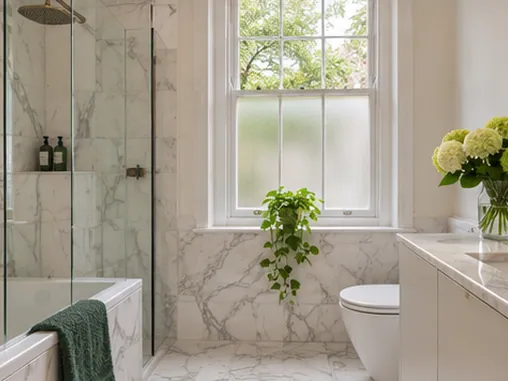
List the wet room fittings along with any restrictions
A bath with a wall-mounted screen may have an outward swing that needs space. Tell the office if fittings or an obstruction prevent a panel from swinging as intended. For a shower, check where residue is visible and where the seal has changed colour or lifted. The distinction helps the landlord understand whether the concern needs a cleaning quote or a repair note. If a panel or hinge is loose, identify it without moving it to take a better photograph.
Remember any cloakroom beside the entrance, and mention a mirror or cabinet in that room if it stays. Remove medicines, razors and small accessories before the visit. If a chipped basin or scratched screen was marked in your report at check-in, add the old photo to the checkout file beside a recent one taken from a similar angle.
- List each liquid soap holder, shelf and rail that will remain.
- Check the space around the back of the basin before the room is released.
- Tell the office about a window or vent that will not operate normally.
Choose a route from the street to the tenancy
| Route point | Instruction to give | Why it helps |
|---|---|---|
| Shared court | Entrance sign and gate to use | Prevents a wrong turn at the first doorway |
| Lower steps | Position and whether a turn follows | Explains the equipment approach |
| Private door | Number and the correct key | Makes the handover easy to verify |
Agree what happens to the outside items on the inventory
A landlord may list a private bin recess, door canopy or bench just beyond the main door. Check whether the request is for clearing, cleaning accessible surfaces or simply making the items visible for inspection. If a shared route also serves another home, ask the building contact before making a booking for that space. Keep collections and attempts to shift heavy or fixed pieces off the main room list unless they have been agreed separately.
For an interior glass request, identify the side and exact pane. A ground-level room can still have a window too high or awkward to reach because the sill is deep. Give a photo from the room, and tell the office about stiff latches or limits on opening. Ask who is expected to attend if the landlord plans to repair a window before the clerk arrives.
If handover takes place after a furniture delivery into a nearby home or work in the courtyard, check whether the two bookings affect the same path. A short change in where a van can wait may make a difference to a lower door reached by steps. Put the approved alternative in the notes while the building contact is available to explain it. If a shared gate is kept open for the other visit, confirm who will close and secure it after both parties go. Include the ordinary door description as well, so nobody has to guess whether the alternative is a permanent change.

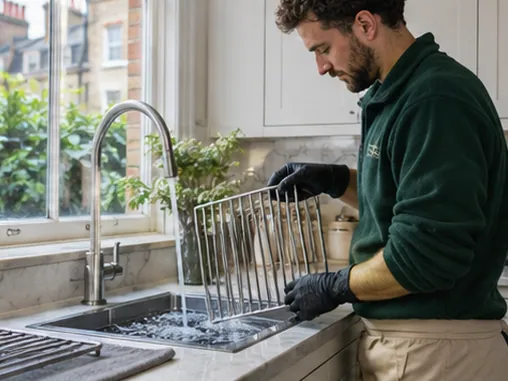
Window cleaning
Identify reachable glazing and agree a separate price for exterior access.
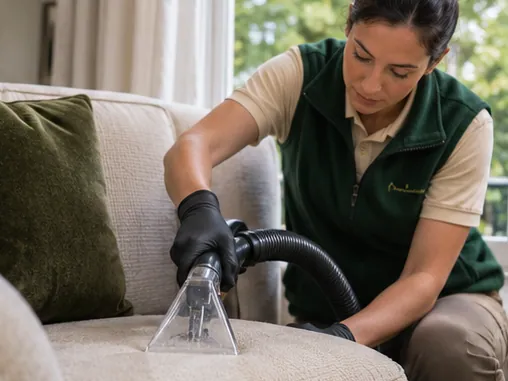
Carpet and upholstery
Describe the textile and leave drying time before the inspection.
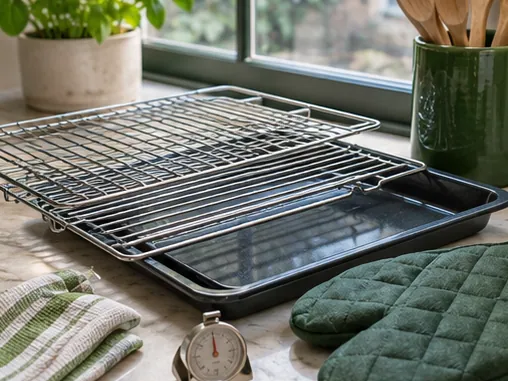
Oven cleaning
List the cavities, removable racks and separate grill when asking about appliance work.
Use the room list to make quote differences visible
Give each quote the same layout and condition information. Include two bathrooms if the small cloakroom is a second space, and describe a kitchen plus utility separately when both contain equipment. Send clear pictures if a loose tile, restricted window or heavily marked appliance would change what the office can discuss. If any room is still in use while the rest is being handed back, give the time it clears and say which routes pass through it.
Read the replies beside the inventory and compare the treatment of appliances, cupboards, glass and carpets. A cooker’s standard cleaning request might list different elements from a request for a separate grill and multiple racks. Ask for clarification where wording leaves a practical decision unresolved. Confirm your address and key time before the clerk is booked against an expected finish.
Information for your quote
- Bath screen
- Cooker
- Courtyard bench
Distinguish fixtures from separate decisions
| Item | Decision needed | Contact |
|---|---|---|
| Bath screen | Whether loose hinges require repair | Managing agent |
| Cooker | Which trays and cavities the request includes | Office and tenant |
| Courtyard bench | Who owns it and whether work is agreed | Landlord or building contact |
Questions before booking in Isleworth
Is Isleworth Riverside enough to describe the address?
Add the street, number and full postcode. If the home is reached through a second entrance, give that location and permission for the route separately.
Can an outdoor cupboard be included in the checkout enquiry?
Give the inventory name, door position and condition. Check whether the agent expects clearance or surface work and who will open it.
What if the courtyard gate locks itself after the movers leave?
Tell the office when the gate changes and identify the person or key that can open it during the whole visit.
Will a cabinet with swelling near the sink be cleaned as usual?
Report the damage to the agent and share the position and a photo with the office. Ask which accessible surfaces can be considered without disturbing it.
Should the hall and stairs be entered as the same carpet area?
Give them separate entries, with treatment requested and any loose edges or stained treads. This makes the quote easier to compare.
Do I leave the owner’s curtains drawn or open?
Ask the agent how they should be left and explain whether they prevent access to glass or sills during the visit.
Ready to discuss the visit?
Have the complete postcode and key return time available when you call.