 Housekeeper
Practical carpet care for lived-in homes
Carpet Cleaning in Victoria
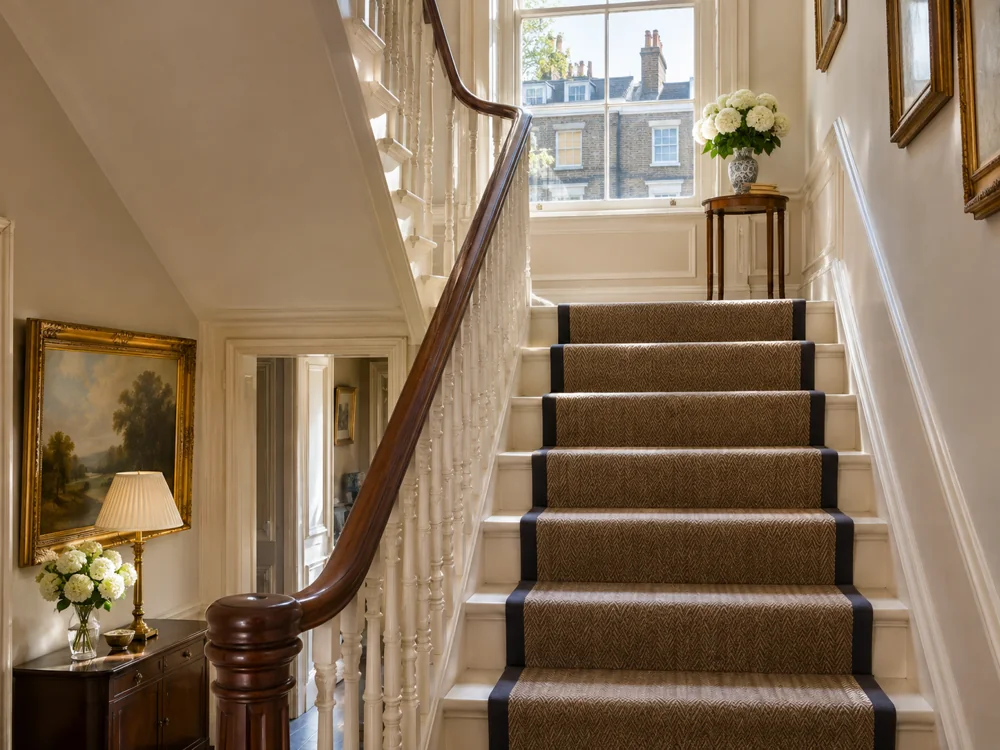
For carpet cleaning in Victoria, tell us where the fitted floor runs and how equipment can reach the residence. We can discuss the condition, potential methods and what the room layout means for drying. Identify any rug, step or narrow section separately so it can be considered when preparing the estimate.
What should I send for carpet cleaning in Victoria?
Provide the fitted areas, carpet condition and the precise entrance approved for equipment. Add separate information for any rugs.
Can I request a quote with limited lift access?
Yes. Give the approved arrival and departure window and tell us who confirms it.
Distinguish the entrance from busy public arrival points
Westminster City Council’s Victoria Neighbourhood Plan refers to Victoria Street and Terminus Place within the area. A direction using only Victoria station or the street name leaves a visitor to work out the rest of the approach to the home. Give the building number, street, postcode and how to recognise the authorised door. If it faces another street or sits beside a public entrance, say which one to use and which words appear on its panel. Clarify if there are two doors to open and whether somebody must meet them in between.
Send the route inside as well. A door may lead to a lobby several steps down from the street, then a lift may stop on a landing that still requires a short staircase to reach the flat. If building staff specify a separate service entrance, describe that route from the pavement. Ask about permitted arrival and departure periods and give a contact who can confirm the arrangements if the building changes them.
- Include the full address and exact approved door.
- Explain any lobby, lift or stairs beyond the entrance.
- Check who has authority to open the whole route.
Identify exactly which floors are fitted
| Room feature | What to report |
|---|---|
| Length of carpet at an entrance | Dimensions and whether it connects without a join. |
| Dressing area | The accessible part and nearby built-in pieces. |
| Inset mat | Whether it lifts and any visible care information. |
Show how fitted areas are laid around hard flooring
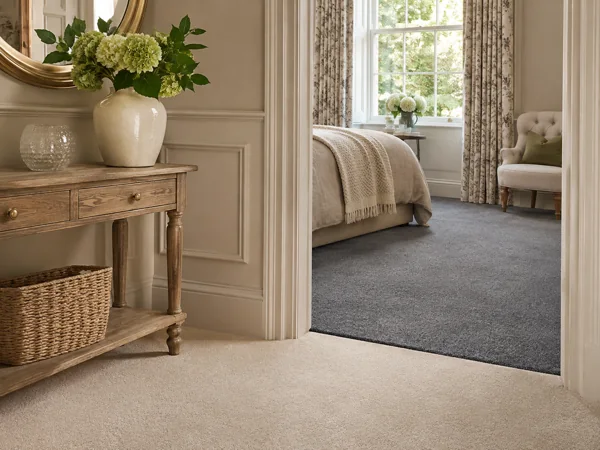
Many carpet enquiries depend on a room-by-room description. Add which parts of the room are fitted carpet and where they give way to boards, stone or tile. For a room with a long entrance or a fitted corner, a sketch can show the relation between main area and smaller sections. Give approximate dimensions and identify places carpet is hidden under built-in or heavy items. If there is a door strip at the transition, show whether it is flush, raised or loose. Do not lift it for a photo.
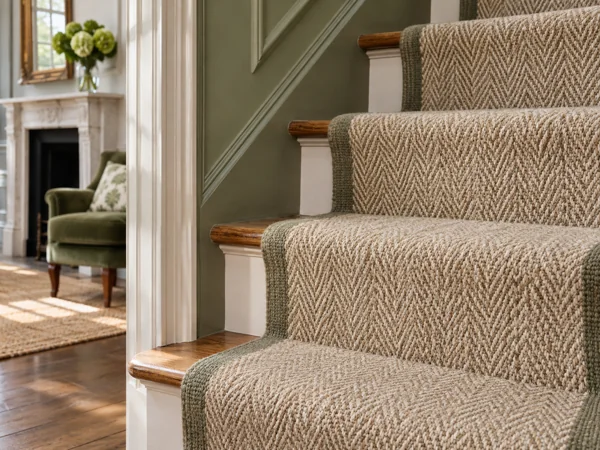
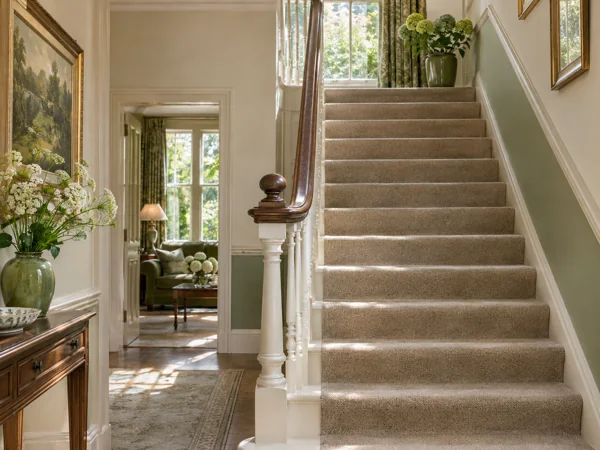
Where the fitted hall leads to a separate home office or dressing room, indicate if you want both surfaces included. A short strip can be easy to miss if it does not have a room name. For stairs, report the tread count, carpeted risers and landings. Keep a loose runner or inset mat separate from the fitted list. It can be assessed using its own backing and fixing details, even if it sits next to the same threshold.
Check marks that follow a fixture or repeated activity
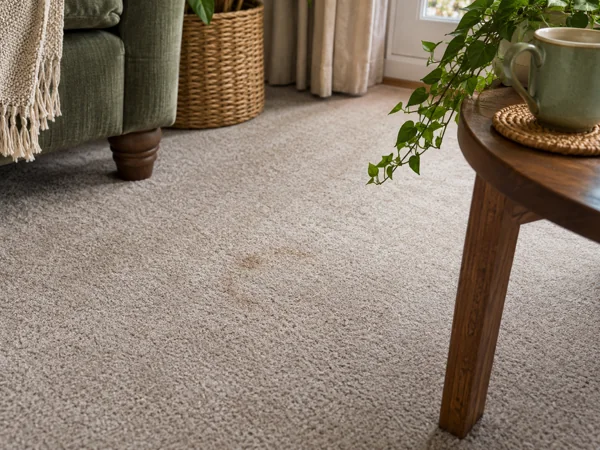
Look at the relationship of the visible mark to a stool, waste bin, entrance or radiator. A white line beside a door may have appeared the first day you moved furniture, while a darker route may have formed over several years. Give an image that shows the whole area and then one that makes the pile visible. If the apparent colour changes as you move toward the window or across the room, say so. Mention whether the room was recently redecorated or whether a floor cover was in place.
Explain why the mark concerns you. You may want to know what can be treated, whether a repair needs assessment or how a worn stretch compares with neighbouring carpet. A technician can use the condition, any known history and checks on the surface before recommending a way to approach it. The result for an old stain can differ from normal soil removal, and areas changed by wear or dye loss may remain visible.
- Record where the mark sits relative to a fixture.
- Compare one wide photo with a close view.
- Tell us if the carpet was recently protected or exposed.
Bring the history of spot treatments to the assessment
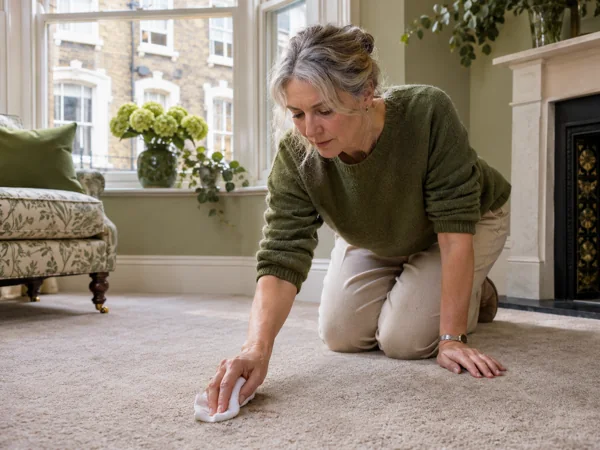
Make a short written record for the areas you know have been treated. List what was used, approximate dates and whether any water or rinsing followed. If you still have a printed label, photograph it or keep the container available without applying more product. Explain which change you noticed first and how the area felt after it dried. An old ring may have started at the outer edge of a wet patch, so describe how far the liquid went at the time rather than pointing only to the darkest part.
If the property was occupied by somebody else when the stain happened, report any facts you were given and note what you cannot confirm. Flag odour, recurring marks or dampness before the visit. If adjacent surfaces were affected, show each in a separate photo. A mark by carpet joining timber may also need decisions about the visible edge and which area can be reached. A useful description allows time for a practical check rather than assuming the stain has a known cause.
- Give products, time and what changed after treatment.
- Say if water or another surface was involved.
- Report whether an odour or damp patch remains.
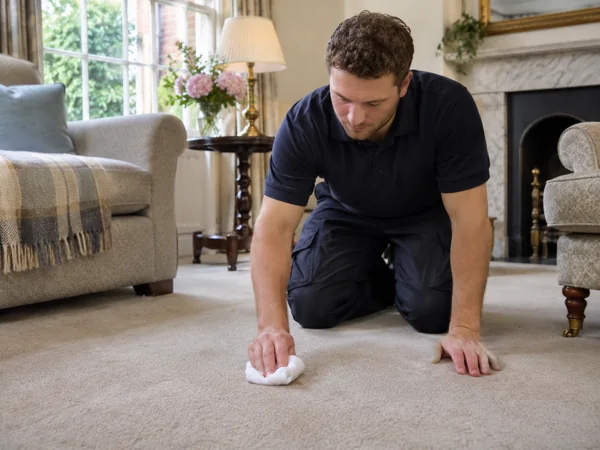
Trace a mark through normal room use
| Possible history | Useful evidence |
|---|---|
| Repeated furniture movement | Position and photos from two directions. |
| Recent spill | Material, date and what was applied after. |
| Persistent dampness | Current condition and effects on adjoining surfaces. |
Assess the fibre, join and condition together
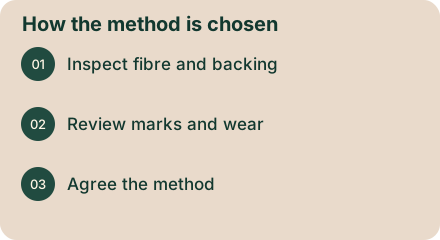
A care label or installation record can identify fibre, but the technician should also see the fitted carpet and its condition. Show a worn edge or repair before deciding how a room can be treated. If the backing is visible from a spare sample, make it available rather than taking up a fitted piece. Let us know if carpet in the bedrooms was installed separately from the corridor, even if colours were matched. Ask which checks or tests are appropriate and what could change the proposed method in an old or delicate area.
Water-based extraction can be considered for carpets suitable after assessment. A lower-moisture method or specialist assessment might be preferable where construction, colour response, condition or a repair calls for it. Send the measurements and details of loose rugs separately, with any care information and an image of seams or fringe. A separate note also helps if the initial plan only includes the fitted room but you want to discuss a rug before the appointment.
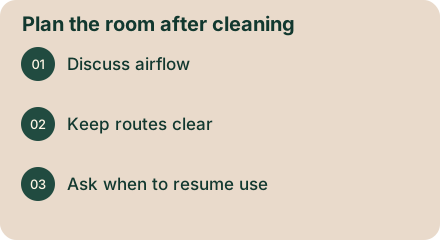
Give the occupants a workable place to be while drying
Describe the people who may be at home and the parts of a fitted corridor they cannot avoid. Choose an untreated room where they can wait, with medicines, keys, chargers or pet supplies nearby. Leave their route clear before moving small furniture into any adjoining space. Where someone has to reach the front door regularly, discuss which carpeted section can be treated first and where to wait if the front section is unavailable. Tell us if access to a home office or bathroom changes during the day.
Consider how windows, vents and interior doors can be used safely, particularly when a person will leave and return later. Drying depends on the carpet, method and conditions, and an interior room might vary from an area with opening windows. Follow the advice for each treated area before replacing rugs, boxes or other items that cover the pile. If a caretaker returns the keys while different people use the flat, agree how those aftercare details will be passed on.
- Mark what route must be usable during the visit.
- Keep essential belongings near an untreated waiting space.
- Confirm who can manage windows and pass on advice.
Give a complete contact plan
| Person | What they need |
|---|---|
| Building contact | Agreed entrance, lift slot and departure arrangement. |
| Resident or keyholder | Room list, access time and decisions they can make. |
| Anyone returning later | Drying guidance and which routes can be used. |
Check a reserved access slot with both property contacts
Confirm details for approved unloading, any protective covering and permitted routes with the building contact. A visitor who can bring in a bag may still need a different corridor for equipment. Ask whether a lift must be reserved and whether another delivery is expected to use it. Describe the distance from the approved unloading place to the door, particularly any curb or short set of steps. Provide the name of the person who can give access to the flat and check that they know when the equipment is expected.
If reception hours are shorter than the planned visit, ask what happens at departure and who can release the route. Where a handover depends on collection of a key, agree in advance how to reach the relevant person. Share sensitive access particulars directly with the right contact. An estimate depends on whether the approved route remains available and whether there are unexpected restrictions, so update the details if a visit, work or event changes them.
Some properties will ask for confirmation of a named visit or a vehicle before anybody arrives. Ask how far ahead that has to be arranged and pass on the instructions privately. Give the technician a way to confirm the agreed visit if the person on reception has changed. A reachable contact matters when the approved door cannot be used for reasons outside the control of the resident.
Set the included carpet work against the handover plan
Review the quote using the floor list and photographs, noting whether fitted strips and loose items have been shown separately. Correct dimensions, conditions or access details before accepting the estimate. If the person meeting the technician cannot approve changes, agree how somebody else will be reached. Tell us which mark or room comes first if there are competing priorities. If there is an inspection or another service at the property, explain when it is planned and how furniture or access will change around it.
Keep key dates, agreed rooms and aftercare information in the same handover note. Record what can be reached and who will deal with windows or room access after the visit. If you expect a delivery, try to agree an order that gives the treated carpet time to dry before opening the room to traffic. Where the resident and property manager have different appointments, send the confirmed timings to both so the plan can be adjusted if needed.
Get a carpet cleaning quote in Victoria
Request a quote with the carpeted rooms, stairs and any loose items listed separately.
Get a QuoteOther Cleaning Services in Victoria
Local references · Westminster City Council: Victoria Neighbourhood Plan
Victoria carpet cleaning questions
Can an entrance carpet strip be included?
Name it separately and show its approximate dimensions and the adjoining floors.
How do I distinguish our door near Terminus Place?
Give the full residential address, which street the authorised door faces and the panel label.
Should I report flooring work done before the carpet was fitted?
Tell us what you know where it helps explain a join, raised transition or carpet backing.
Can I include a room with no opening window?
Explain what ventilation is available so the likely drying conditions can be discussed before booking.
Does a landmark help estimate building access?
It can help orient a visitor. Give the actual approved approach, lift and doors for the estimate.
When do I involve the resident or manager?
Agree entry and departure arrangements beforehand and say who will take the drying guidance.