 Housekeeper
Inspection, preparation and extraction
Carpet Cleaning in Vauxhall
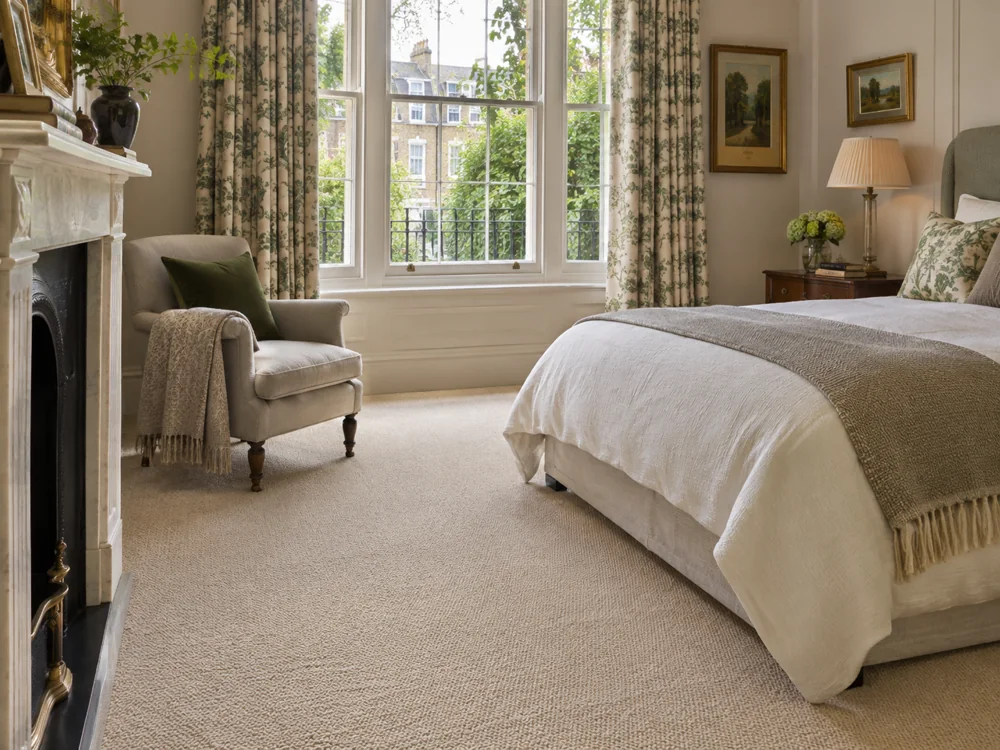
Tell us which fitted carpets you want cleaned in Vauxhall and what you would like us to look at before settling on a method. Include an estimate of the size, the position of the carpet and the furniture that affects access. Explain any separate door or lift arrangement for the property.
How do I request a Vauxhall carpet cleaning quote?
Send the fitted areas, photos of the surface and the authorised door or lift, including who can grant access.
Can you quote for a stain that crossed a rug edge?
Show each affected surface, tell us what spilled and report any product you already used.
Explain the residential route from the Vauxhall interchange
Transport for London lists Vauxhall Underground station on the Victoria line. A direction using only the station name can leave several possible approaches in the neighbourhood. Give the full address and the door that actually leads to your home. Include a turn into a private courtyard or a lobby visible from a different street. Provide the exact flat label or floor and indicate if there is another entrance used by visitors. If so, ask building staff which entry is approved for equipment before assuming that the public-facing door is available.
A lift or a level entry might still involve a sharp turn or several steps at your end. Show the approach from the street and then the internal route, noting any door that cannot open very far. If somebody must hold a gate to let equipment pass, agree when that person can be there. Ask where to wait if access is delayed so the entrance remains clear and other people can get through.
- Give the actual block address, entrance and flat label.
- Note any turn, step or second locked door.
- Confirm who can open the route and at what time.
Draw the transitions instead of counting rooms alone
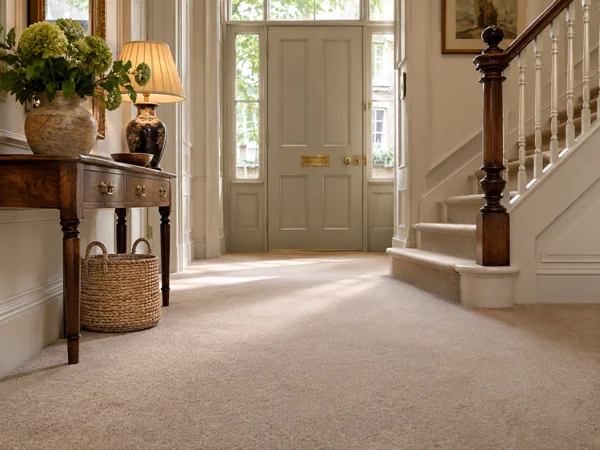
An apartment with a carpeted sitting room may also have a fitted strip through a door to a small study. Indicate whether the two pieces run without interruption or meet against a threshold. Sketch their relation if it is hard to see from a photo. Include approximate dimensions and explain whether you want both pieces covered. Note any fitted carpet under a moveable chair or table that will be cleared and show where carpet ends beneath permanent cupboards. A sketch is most useful where the space turns around a fitted desk or sill.
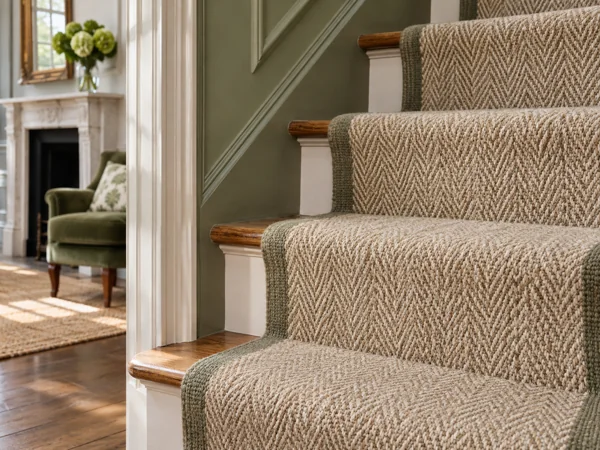
Do the same for a corridor, landing or flight of stairs. Count treads, carpeted risers and landings as separate features. Show the exact position of a runner over hard flooring and send the width, length and any label separately. If part of the route beyond the front door belongs to the building, confirm who would have to request work to that carpet. A document showing where the private floor ends can prevent misunderstanding when the door opens.
Look under the things you can move safely
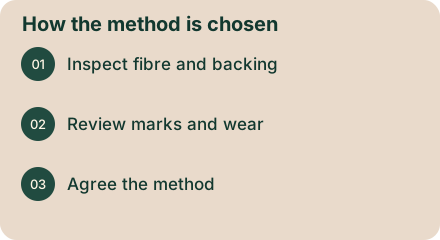
A floor protector, umbrella stand or loose mat can conceal a visible boundary around the part of the floor that normally gets walked on. Lift only items you can move safely, then take a photo of the surrounding pile and the uncovered part under the same light. Say how long the item was in place and whether its base left an impression. Show any marks that look related to the position of a leg, wheel or mat edge. If the whole surface is older, note whether the pile feels different where it was protected.
Leave heavy or fixed pieces as they are and show the accessible gap. Make a separate note for an item that is due to be moved by an owner or furniture delivery team. When the furniture is removed, supply an updated view if it reveals carpet that is torn, heavily marked or joined differently than was visible before. Describe how the layout will look when the technician arrives. That is the arrangement on which the visit should be based.
- Photograph exposed and protected carpet in the same light.
- Mention the positions of furniture feet and mats.
- Tell us if new carpet appears after furniture is removed.
Put each surface on the right line
| Surface | Details to give |
|---|---|
| Fitted main room | Open dimensions and walls, furniture or a threshold that limit access. |
| Inner hall and steps | Where fitted carpet starts, tread counts and any carpeted risers. |
| Loose rug | Dimensions, label, construction and any fringe. |
Explain a mark that reaches more than one surface
A spill from a tray or plant pot can reach a rug, the fitted carpet underneath and the edge of a hard floor. Begin with what you saw at the time, indicating the order in which the areas were exposed. Mention any cleaning product or water used and share the label if you still have it. Tell us which items are still in contact, particularly if a carpet edge runs against wood or a rug is backed with another material. Give a wide image and then a close view of the point where the mark crosses the edge.
If the carpet or floor underneath the rug remains damp, report it so the condition can be considered first. Note any odour, texture change or mark that returned after drying. A technician can discuss the carpet and each loose item on their own merits. Some appearances are associated with dye loss or wear and may stay visible after cleaning. Ask about the most affected area first, then discuss the extent of any work to surrounding carpet in terms of what is safe to reach.
- Trace the visible mark through each affected surface.
- Describe any product already applied.
- Identify current dampness, odour or texture change.
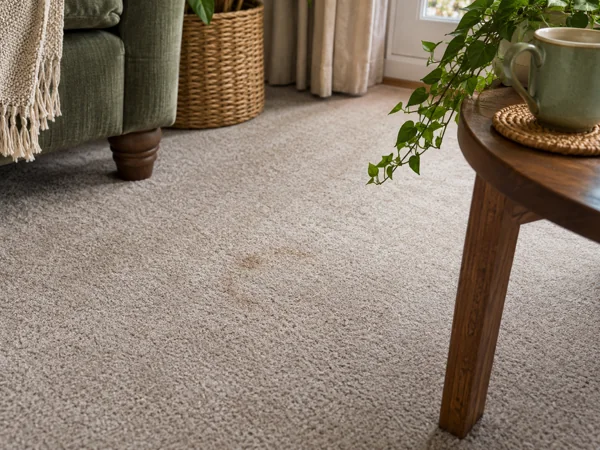
Look at how the carpet and its edges may respond
Provide a spare sample or paperwork if that is available, but show the carpet in place as well. A repaired seam or damaged edge can change how work is approached even when the manufacturer instructions for the main material are known. Indicate each join and any piece with visibly different pile. Where the carpet is backing onto another surface, do not disturb the join to expose it. The technician can check the fibre, construction, condition and response where practical and discuss whether a test or additional assessment is needed.
Water-based extraction may be an option for fitted surfaces where the condition and material permit. A lower-moisture method or specialist assessment can be discussed when fibre, dye or backing presents a concern. A loose rug with a hand-finished border or unknown backing should be listed on its own. Describe the size and edging and send any care instructions. Where the flooring does not look the same across two rooms, mention when each was installed if you know.
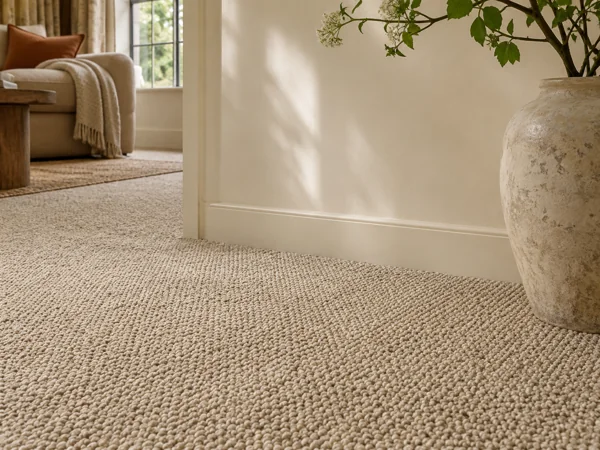
Show where the condition changes
| What you notice | What helps explain it |
|---|---|
| Mark across two surfaces | Which item was affected first and where liquid went next. |
| Worn patch under a chair | Placement of feet and wheels and how long the chair was there. |
| Damaged edge | Photo of the join and details of any previous repair. |
Check air movement in rooms with different windows
Some parts of a flat are easy to air but a fitted inner hall can depend on open doors into other rooms. Tell us how much a window opens and whether it is safe to leave it in that position. Mention windows that stay closed while a resident is out, and rooms where pets affect ventilation. If a room uses mechanical ventilation rather than an opening window, say what can be used. The drying plan needs to fit the way occupants can actually use and check the home after the visit.
Drying depends on the method, carpet and conditions. Do not arrange a deadline based on what worked in a different room or on the fact that a surface feels dry at one edge. Follow the guidance on returning items and covering treated carpet. Keep a route to essential things and allow room for furniture to wait. If another occupant comes home before the person who met the technician, make sure they know the routes to avoid and how to get the instruction that applies to their room.
- Describe the ventilation you can safely use.
- Keep a dry route to essentials and the front door.
- Pass the drying advice to anyone arriving later.
Check when a managed building can accept and release equipment
Ask the property contact which route is approved and what needs to happen during unloading. They may direct visitors to a door or service lift that is not evident from general directions. Confirm any permitted times and any covering needed for entrance flooring. If another delivery or move is scheduled, find out if the arrangements overlap and whether the access route can stay clear. Send the practical information while the quote is being discussed and update it if the building gives you revised instructions.
Tell us how equipment can leave if a gate or reception door closes before the resident is home. Check if the person who can release the lift is the same person who keeps the flat key. Confirm who will arrange key return and where the person on site can wait. If a call is required from the entrance, verify the contact method with the attendee before the visit. The directions must work during departure as well as on arrival.
Arrange the work sequence around the most important room
Review the estimate with your sketch or measurements. Put the fitted areas that matter most first and say why they have priority. Check that any loose item, threshold or stair carpet has a separate description where needed. Confirm what can be reached and what stays in position. If the quote depends on an assumption about room size or a clear path, correct it before agreeing the visit. The person meeting the technician should know which room takes priority if the carpet needs something different from the original plan.
Ask them to record aftercare and make sure occupants know what they will be able to use. Keep the key return, drying advice and any restrictions in the same handover note. If somebody is responsible for ventilation or fitting furniture back, check that they are available. Tell us about another service, a change of resident or a delivery that will need the room shortly afterwards. Allow the expected sequence to be reviewed against the actual layout and known drying arrangements.
Confirm arrival, access and use
| When | What to check |
|---|---|
| Before the visit | Actual entrance and person responsible for the lift or gate. |
| While work is under way | Dry place for occupants and accessible belongings. |
| During drying | Safe airing and the route that can reopen first. |
Get a carpet cleaning quote in Vauxhall
Request a quote with the carpeted rooms, stairs and any loose items listed separately.
Get a QuoteOther Cleaning Services in Vauxhall
Local references · Transport for London: Vauxhall Underground station
Vauxhall carpet cleaning questions
What entrance details matter if our block has two lobbies?
Send the exact approved door, the street it faces and the contact who can release it.
Do I need separate measurements for a fitted strip?
Give its size and point out the join or step that separates it from the main room.
Should I lift a rug if the carpet below might be wet?
Report possible dampness and share the details you can see safely before arranging the assessment.
How can I explain a mark left by furniture?
Show the affected carpet and where the furniture sat, and say when it was moved.
Can an internal fitted hall dry at the same time as the sitting room?
Conditions can differ. Explain how each area can be ventilated and ask for advice for both.
Who needs to know about an access slot?
Give the confirmed time to the building contact, the person letting us into the flat and the person arranging the visit.