 Housekeeper
Fitted carpets and localised marks
Carpet Cleaning in Tufnell Park
Start a Tufnell Park carpet cleaning enquiry with the fitted rooms and the stairs or hall that connect them. Tell us about worn fibres, loose joins and anything used on a stain. We can discuss what the carpet is suited to after assessment and how the work can fit around access and drying.
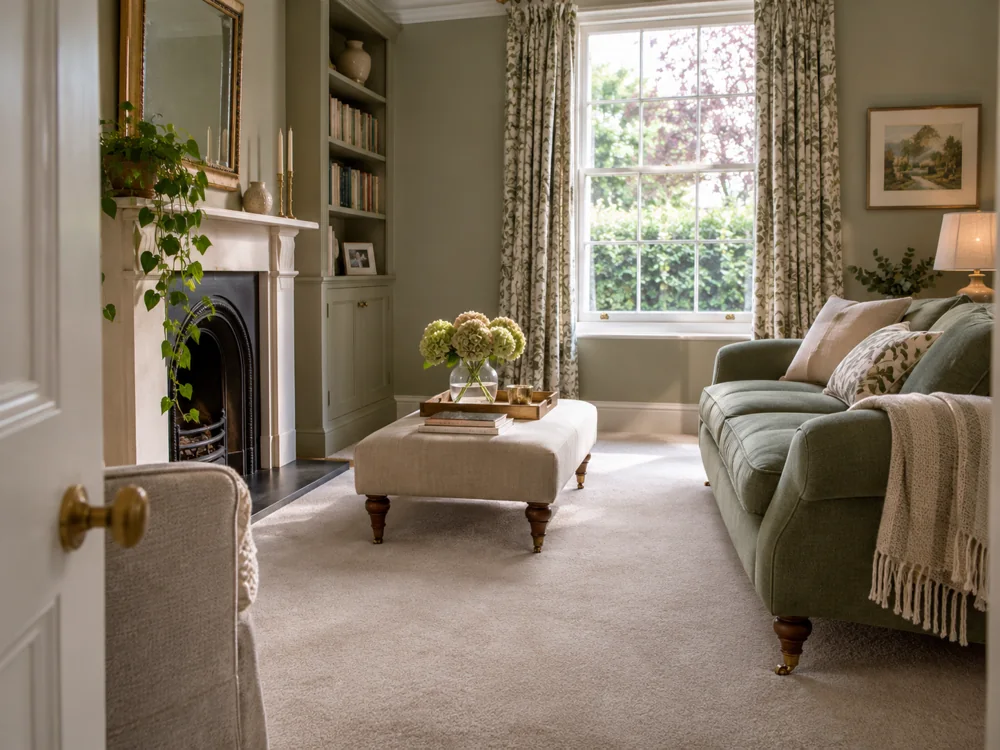
What should I send for a carpet cleaning quote in Tufnell Park?
Give the full address and floor list, with any recesses, stairs, loose pieces and photos of the carpet condition.
What if a stair edge moves underfoot?
Identify the exact step, mention any previous repair and leave the fixing undisturbed for assessment.
Confirm the path from Fortess Road to your own entrance
Transport for London lists the entrance to Tufnell Park Underground station on Fortess Road. It gives a useful reference point for a home nearby. From there, give the precise street and number, full postcode and way to identify your gate or bell. Some houses have a path shared with a downstairs flat or a set of steps that is hard to see behind the boundary wall. Say which branch of the path to take and who will meet the technician. Point out any edge of a planter or low wall that narrows the part of the route you use.
If the home has more than one possible entrance, check which one is approved for equipment and which steps lead to the correct door. Identify where keys or a bell are needed after the front gate. If a neighbour or property contact is arranging that element, make sure they have the same directions and arrival information as the household. Explain any last turn into a landing before the visit.
- Give the actual address and gate or bell facing the street.
- Show where any shared path divides.
- Confirm the approved access and contact.
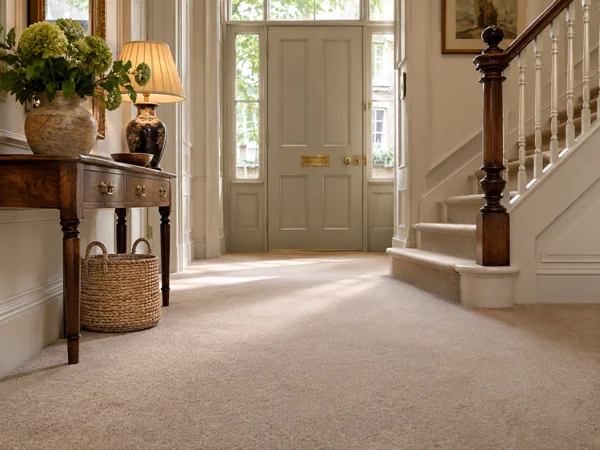
Include landings only where you want them treated
Measure the fitted area of each room, or draw a rough shape with its dimensions. A front room can have a recess either side of a chimney breast. List them if they are carpeted and easy to miss. If carpeting stops where a fitted cupboard begins, show that edge. Indicate any part of the room you cannot make accessible. Count steps and carpeted risers separately when asking about a stair carpet, and say where a fitted piece ends at the top or bottom. Show if there is a half landing that joins two shorter flights.
If you use a loose runner over bare boards, describe it independently. Provide length, width and, if visible without lifting anything fixed, the label or fastening. Do not assume a shared stair becomes part of the quote when it runs from a private room. Find out who can arrange carpet cleaning for that part of the building. Familiar room names and a photo from the hall help someone locate each listed area on arrival.
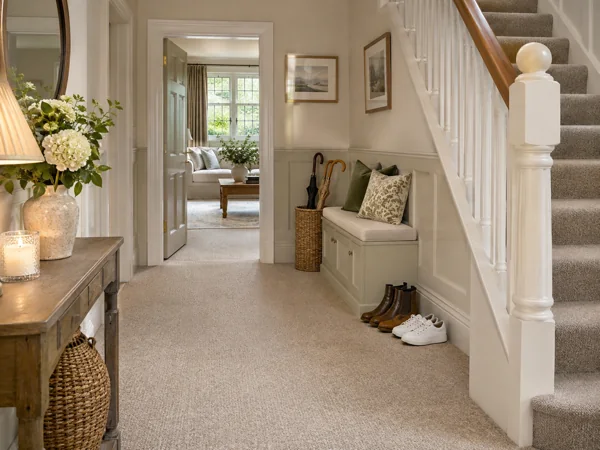
Identify fitted carpet on different levels
| Section | Detail |
|---|---|
| Main room | Approximate measurements, recesses and furniture that will stay. |
| Stair flight | Number of treads and risers, with any edge that has moved. |
| Half landing | Size, adjoining floor and whether it is within the property. |
Show construction around worn stair noses and seams
Look at the floor in the direction you usually approach it. A snag can appear at the stair nose only when you come from above or when light hits the carpet at an angle. Send a wider view and a close one. If a join flexes under normal use, describe where it is and whether it has been repaired before. Do not pull it open for a photograph. A technician can check how the carpet is fixed and what parts should be approached carefully. It is useful to know if the underside is exposed anywhere before arranging the visit.
Point out places where the pile sits lower after years of foot traffic and where the fibre is visibly broken. Take note of the edges along door swings or sharp turns, not just the middle of the walk. An old seam might be beside a mark without having caused it. These details help put limits around what carpet cleaning can do for appearance and what may need a fitter or other specialist to assess.
- Identify the stair, join or threshold in the photo.
- Flag signs of movement and any known repair.
- Give a close view without disturbing the carpet.
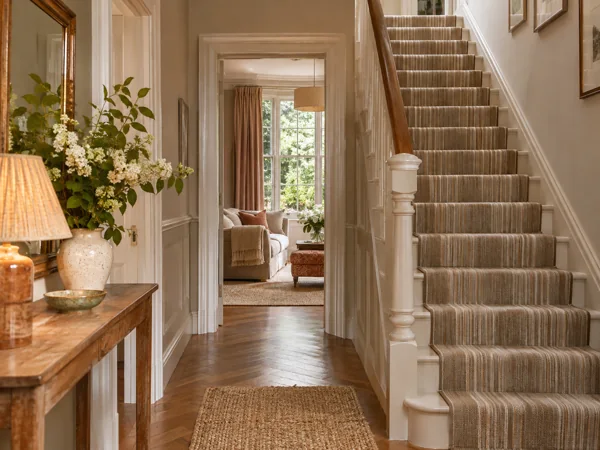
Keep notes for each attempt on a spill
Write down what reached the carpet and approximate time of day or age of the spill. Record what was placed on it afterwards, including a household cleaning product, water or a powder. If you have a label, photograph the instructions and main product name. Note any darkening after drying, a paler outline or a lasting change in feel. A throw or mat may have covered the area since then. Keep one image that shows the affected part in relation to the room so it can be identified without searching around furniture.
Report current dampness, a smell or a mark that returns after the carpet has looked dry. Say whether a similar spot elsewhere had a different history. If you have just moved into the property, note what you know and indicate that the origin is uncertain. A check can establish more about condition and suitable work. Old staining, colour loss and fibre wear may remain, so discuss the visible issue before deciding how much attention to give it.
- Put the known events in order.
- Photograph labels or packaging for products used.
- Tell us about dampness or a returning mark.
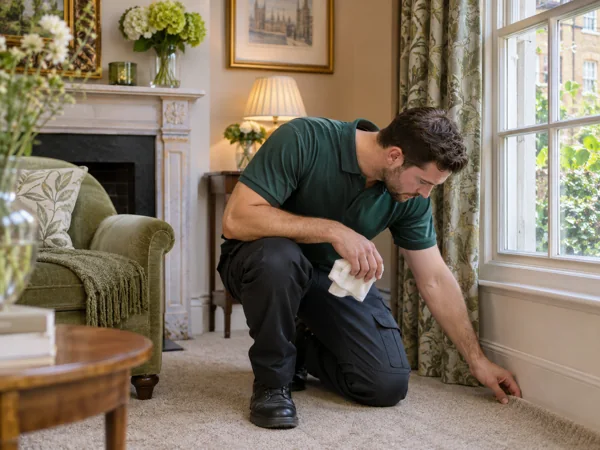
Describe what a photo cannot tell by itself
| Visible point | Useful history |
|---|---|
| Light outline | Product used and whether the appearance changed as it dried. |
| Loose stair nose | Previous repair or movement under normal foot traffic. |
| Flattened lane | Time it has been visible and usual foot route. |
Let the material guide the cleaning discussion
Begin with the care information available and an inspection of how the carpet has been fitted. Show old joins, weak edges and any separate insert near a door. A sample from when the carpet was fitted may help describe its construction, but an assessment also considers condition, fibre and dye. Where a place was cleaned repeatedly in the past, explain what you know about the process and point out a visible difference. Ask which checks apply to the proposed method and what a change in the observed condition would mean for the work.
Water-based extraction may be suitable after assessment for a carpet that can take it. A lower-moisture approach or specialist assessment may be considered where there are concerns about construction, backing or colour. Give handling details for a rug separately, including a patterned or fringed edge, repairs and care information if available. Do the same for carpets on a different level if you know they were fitted with a different material.
Keep a way through the house after stair treatment
If stairs are the only route to a bedroom or bathroom, decide where people can wait before treatment starts. Explain who will be home and who may need to cross the floor while it dries. Move any items they will need in advance, such as a bag, charger, medicine or pet supplies. For families who usually keep a gate across the steps, agree if it stays in position or must be managed by an adult during the visit. Clear the alternate route equally carefully, including the spot where a carpeted area meets hard flooring.
Drying depends on the carpet, approach and which rooms can be safely ventilated. A landing may rely on air from an adjacent room, while a front window can have restrictions when a child or pet is present. Tell us what can be opened and for how long, then follow the guidance for the treatment and conditions. Ask before putting protective cloths, runners or furniture back. Plan any use of the stairs with the resident rather than setting the same deadline for each carpeted area.
- Show which stairs and routes must remain available.
- Put essential belongings where they can be reached dry.
- Check safe ventilation before the visit.
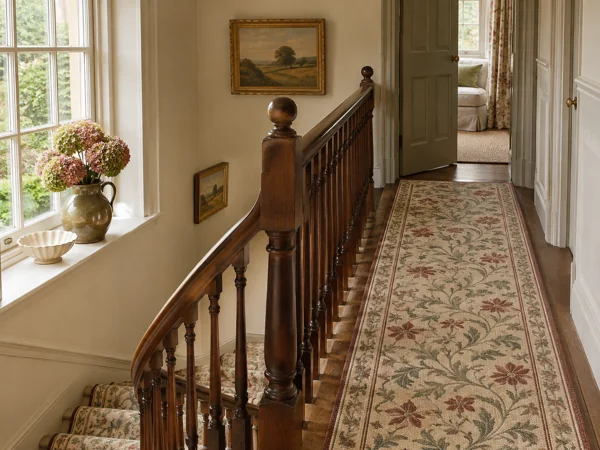
Choose where bags and furniture can be kept temporarily
Walk through the rooms before moving anything and choose a waiting place for chairs and small possessions. It should be away from the route to the carpet and easy for occupants to leave alone. If a dresser or cabinet will stay in position, photograph the available edge rather than trying to reach its underside. Note items on top that might need securing and give the clearance round the legs. A pair of sofas can limit access along a wall even if there appears to be plenty of space in the centre of the room.
Where the same hallway is used for equipment and for access to other rooms, keep the space wide enough for both uses where possible and discuss a different arrangement if not. Explain if a door cannot be opened fully or a latch needs to be held while equipment comes in. If there is approved space for temporary unloading, describe the distance from there to the authorised door, including any step.
Make a plan for the stairs and key rooms
| Timing | Decision |
|---|---|
| Before arrival | Agree which door and clear the way to the fitted rooms. |
| During work | Keep essential belongings and occupants on a dry route. |
| After the visit | Review ventilation, stairs and when mats can go back. |
Confirm the quote with the shape of the house in mind
Match the quote to your plan of the fitted areas and check that separate surfaces have been treated as separate items. Give more detail if the bedroom that looks like a rectangle on paper has a narrow run around a built-in unit. Send photos of anything that changes after the original enquiry, including a newly loose carpet edge or furniture that cannot be moved as expected. Clarify which parts are essential and who knows the condition best if the person opening the door has not seen the room for some time.
Agree how to handle a change on the day, especially if the technician asks about a different approach after inspection. Give the property contact the floor list and drying plan, including which route can reopen first. Ask who will relay aftercare instructions to anyone who comes back later. If there is a caretaker or housekeeper who is responsible for windows or keys, explain when they can arrive and how they can find the written information.

Get a carpet cleaning quote in Tufnell Park
Request a quote with the carpeted rooms, stairs and any loose items listed separately.
Get a QuoteOther Cleaning Services in Tufnell Park
Local references · Transport for London: Tufnell Park Underground station
Tufnell Park carpet cleaning questions
Is a stair runner quoted in the same way as fitted carpet?
Describe the runner separately, including width, length and fastening, so its material and condition can be assessed.
Should I undo the rod to show a loose edge?
Leave fixed parts alone. Show what is visible and report any movement and previous repairs.
Which details help with a shared garden path?
Tell us which gate is approved, where the path divides and who will open the private door.
Can I send a photo of a cleaner I have already used?
Yes. Include the label and tell us when it was applied and what changed afterwards.
What if there is one route to the upstairs bathroom?
Raise it before booking. Discuss the order of work and where occupants can wait while the route dries.
Does a standing cabinet need moving?
Give a photo and explain what can be accessed. Agree separately any movement the household can manage safely.