 Housekeeper
Plan the equipment route before arrival
Carpet Cleaning in Soho
A Soho carpet cleaning enquiry is easier to quote with a floor list and a clear arrival note. Tell us where the fitted carpet sits, what you can move and what needs assessing. If you have a separate entrance above other premises, confirm when equipment can use that route.
How do I request carpet cleaning in Soho?
Send the fitted areas, photos of the condition and the authorised entrance. Include who will let equipment into the building.
What if we need to use a desk during the visit?
Tell us where you can work and which route has to stay clear while the carpet dries.
Identify the entrance even when the ground floor uses another number
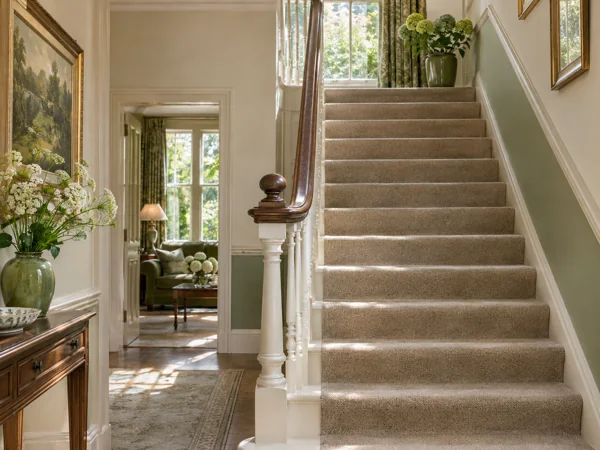
Westminster City Council places Soho Square Gardens just behind Oxford Street. If you use the gardens as a reference for the area, add a turn-by-turn note for the final approach to the home: the street, building number, bell label and the floor. Where the doorway is beside a shopfront, give a feature that can still be recognised with the shop closed. A shop name can change or a shutter can obscure a residential number. Say which door is authorised for equipment, and whether a narrow staircase or lift comes immediately after it.
Tell us in advance if the only entry is through a managed entrance or a commercial lobby. Confirm the person who has agreed the route and the person who can release the door on the day. One may be a manager who is not based in the building. Have an alternative contact ready if the first person is away from the telephone and identify where a visitor can wait without obstructing a doorway or the pavement.
- Give the full property address and recognisable private door.
- Explain the permitted route above or behind other premises.
- Name the person who can open it during the visit.
Measure an occupied room around the things that stay put
A compact flat may use one room to eat, work and relax. Identify the fitted carpet under each part and explain where you can create an open path. Show the desk, sofa and table in a photo from the doorway. If there are seats that can be shifted safely, choose where they will wait. Do not fill a hall needed for reaching the next room. Give the approximate floor dimensions and describe the amount of floor under fixed pieces. That is more useful than giving the room dimensions with no information about what is actually accessible.
If a section of floor has a desk mat, confirm whether the resident can move it before the visit. Note any tape, floor protector or cable cover applied to the carpet. Tell us if a piece of furniture straddles a carpet edge and a hard floor. Moving an item may expose colour differences or impressions that need discussing. The agreed quote should reflect the floor covered and any areas that cannot be reached.
If the desk chair normally rolls from a clear mat onto the carpet, put it on a stable dry surface while the room is unavailable. Take a look at the wheels before returning the chair and check that any mat can go back safely. Where residents take turns using the same desk, share the room timing with the next person.
Details that distinguish the residential route
| Feature | What to provide |
|---|---|
| Shopfront or shutter | Describe the private number or bell position beside it. |
| Managed entrance | Give the contact and the time they can grant access. |
| Turns above ground | Flag any sharp staircase bend or small lift opening. |
Trace a localised mark before agreeing a wider clean
A resident might want attention around the front door or under a chair and have little interest in carpet elsewhere. Send the location and a photograph of the most affected area with some context around it. Say whether the mark starts at a doorway or follows the path under a moving seat. If a spill has spread, indicate where it went or how large the affected area was at the time. Give the label of anything already applied and note whether the pile changed colour after you tried it.
A local mark can sit in the middle of a surface that has also changed colour through wear or light. Look at the carpet from the side and from the position where you usually notice it. Explain how long the carpet has looked uneven. A technician can discuss feasible treatment after looking at the condition of the pile and may advise what appearance to expect in relation to the surrounding floor. A mark or worn patch may still be visible afterwards.
- Show the mark and surrounding carpet together.
- Explain what caused it if known and list earlier products.
- Record any change that happened gradually.
Protect the small joins between carpets and hard floors
In a flat with little clearance between rooms, the first likely point of contact is the edge beside the door. Check for a raised threshold, a loose strip or a sudden change to tiles. Take a photo from the low side of the step so the height is visible. Tell us if a door swings just above the pile or drags across it. If you usually prop the door open, explain the direction in which space is needed. A note about the edge helps plan the approach without struggling to turn equipment once inside.
Small entrance mats can look fitted even if they lift from a recessed section. If you can see a label or discover that the lining below it differs from the main carpet, list the mat independently. Point out a loose end or a glued join before treatment. An edge may need a check on the day even when the carpet in the body of the room is in good condition.
- Point out raised strips, small steps and narrow swing clearance.
- Identify loose or recessed entrance mats.
- Show where timber or tile meets the fitted floor.
Confirm the fibre and finish before a treatment is used
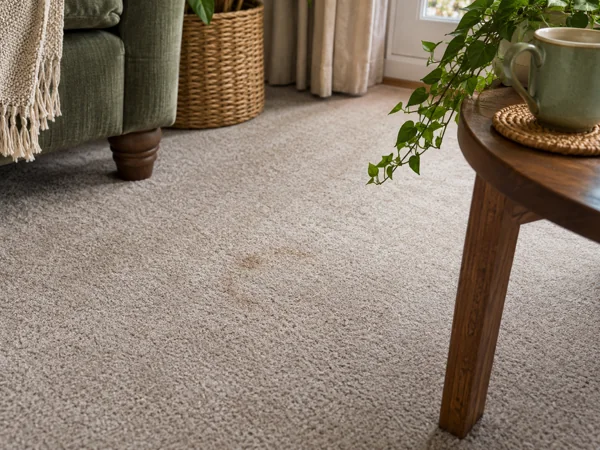
Ask for a check of the installed carpet, including known fibre, backing where visible, seam, dye and condition. A photograph of a label helps prepare for the appointment if you have it. Pile can change over time under chair wheels or heavy use, so an older invoice does not explain the current condition. Show any thread that pulls or place where a repair was made. Ask what can be established on site and where a small test or specialist opinion might be required before a suitable method is chosen.
Water-based extraction may be appropriate for suitable surfaces following assessment. Where construction, dye or wear makes that approach a concern, discuss a lower-moisture method or specialist assessment instead. Give loose rugs their own dimensions and material details, particularly where a fringe or light-coloured border needs checking. If the available time for airing is limited, tell us during the discussion so it can inform the plan, alongside the carpet rather than deciding the treatment in isolation.

Record the fitted floor as it is used
| Area | Question for the estimate |
|---|---|
| Desk corner | Can the chair and mat come out without leaving cables in the way? |
| Front door | Is the mat loose, inset or part of the fitted carpet? |
| Dining area | Which chairs can be moved and what stays in place? |
Leave a usable place for calls while the carpet dries
If part of the flat serves as a working area, plan where you can take calls without needing to cross treated carpet. Think about access to a power socket and where your mobile phone, laptop and bags will be. Also identify the route to the bathroom and the front door. Where a single corridor joins everything, tell us before the job is planned. It may affect what is possible in one visit and which surfaces could be treated first. Explain if windows cannot stay open during calls or must close when the resident goes out.
A fan or an open window may affect conditions, but drying still depends on carpet, method and the room. Ask what the resident can do after treatment without creating a problem for another part of the home. Keep small rugs and floor mats away until following the advice on when covers can go back down. If work finishes just before somebody returns for the evening, tell them which part of the floor can be used and when to seek updated advice.
- Keep an untreated route for essential movement.
- Give any limits on window use or room access.
- Share aftercare instructions with anyone returning later.
Check the arrival window against ordinary building use
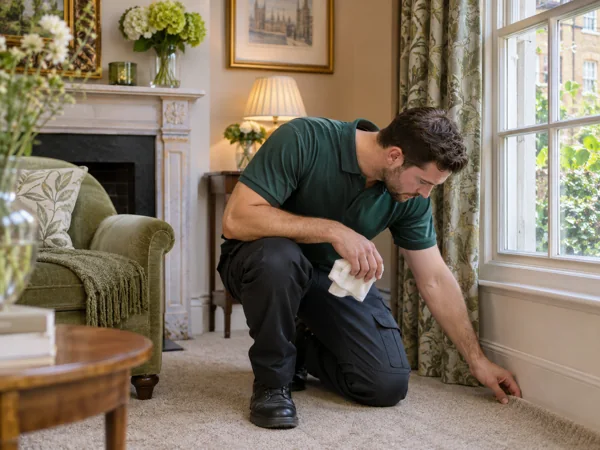
Tell us if changes in building use affect the entrance, for example when a delivery period ends or a reception door becomes unstaffed. Ask what authorised loading or transfer arrangements are available and state what you confirmed. If the main street door serves customers at some times of day, find out where to pass through without getting in the way. Check whether the approved route involves stairs with a tight turn at the top, and mention any surfaces through which equipment must pass before it gets to the flat.
Suppose a caretaker passes on the building instructions but a resident is responsible for the flat keys. Give them both the same estimated arrival window and exact door. If the window changes, refresh both arrangements together. Confirm how departure will work, especially if a staffed gate is expected to close during the visit. Give us updated notes if another contractor or event in the building affects a previously agreed route or time.
List what must be included and who can make a change
Review the room names and measure any additional strip or landing you want assessed. Identify anything that is outside the fitted work, such as a mat or decorative rug, and ask for it on a separate line when it is part of the request. If part of the main carpet is inaccessible behind a desk, give a photo and check what the quote allows. Record a mark as something to look at rather than asking for an outcome based on the photograph alone. Confirm which touchpoints must stay available if someone is at home.
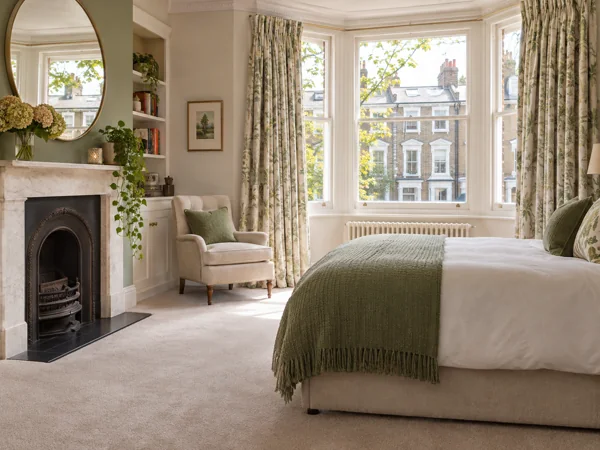
Give the latest room list to the resident or keyholder attending the visit. They should know which concerns have already been raised and who can approve a change if the carpet needs a different approach. At handover, leave them to record drying guidance and pass it to the people returning. A small flat may need a few rearrangements before it is back in everyday use. Explain these dependencies beforehand if there is another visit or furniture delivery booked for the same day.
Coordinate the visit around an occupied flat
| When | Decision |
|---|---|
| Before arrival | Agree the route and keep another room or work spot clear. |
| During cleaning | Keep access to essential rooms and belongings. |
| After treatment | Follow drying advice before returning covers and moving items back. |
Get a carpet cleaning quote in Soho
Request a quote with the carpeted rooms, stairs and any loose items listed separately.
Get a QuoteOther Cleaning Services in Soho
Local references · Westminster City Council: Soho Square Gardens
Soho carpet cleaning questions
Can you quote fitted carpet around one desk?
Describe the accessible floor and tell us which chair, mat and equipment can be moved.
Is a closed shopfront enough to describe where we live?
Give the full address, private door and bell label, plus the authorised route for equipment.
Does a loose inset mat count as carpet?
Identify it separately with its dimensions and any label so the surface can be assessed.
What if I think the mark came from a chair wheel?
Show the position and describe how it appeared. The technician can assess wear and soiling separately.
What if the common entrance closes at lunchtime?
Ask who can open it later and let us know the permitted times for arrival and departure.
Can I take calls while the carpet is drying?
Identify a dry space with a route you can use and discuss how window access affects the drying plan.