 Housekeeper
Practical carpet care for lived-in homes
Carpet Cleaning in Maida Vale
Book a discussion about the carpets you want cleaned in Maida Vale. Give us the layout of the flat or house, the condition of the pile and the access route from the street. List loose rugs separately so we can discuss how each item could be assessed and give you an estimate for the work you choose.
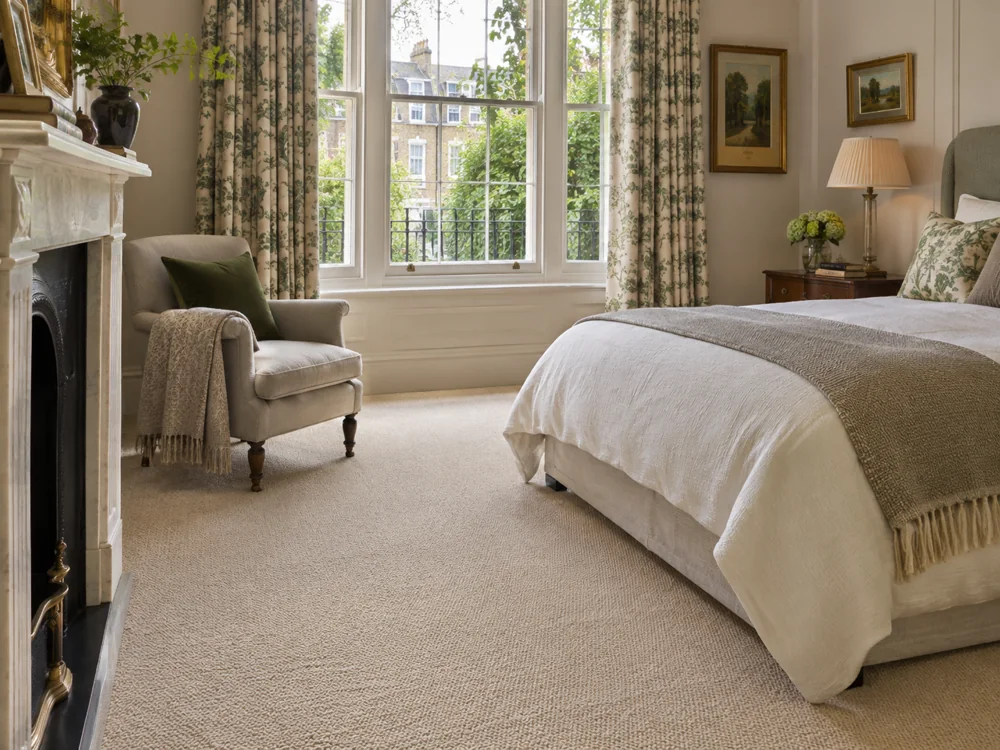
What do I send for a carpet quote in Maida Vale?
Give the full property address, the carpeted areas, any stains or repairs and the entrance approved for equipment.
How should I plan drying in a flat?
Tell us which rooms or stairs you have to use and how the windows can be opened.
Show the difference between the map pin and your front door
The Canal & River Trust describes Little Venice as a meeting point of London canals. Around the waterways, a path down from the street or a bridge can be a useful landmark without being the correct way to reach a home with carpet equipment. Send the street address and the door number or bell label, then explain which approach from the residential street is approved. If the public side faces the canal while the residential door faces another street, spell out the difference. Mention any courtyard gate that can be opened only from inside and say who will be there to meet the technician.
A building may have a staircase down to the floor from one entrance and level access from another. Check with the resident or manager before counting on the easier option. If you have permission to use a service door, confirm the time that it opens and what to do if the agreed person has stepped away. Point out exterior steps without a handrail, or a tight turn just inside the entrance.
- Send the full address and actual entrance.
- Confirm who can open the door from inside.
- Describe the route from the street to the carpeted floor.
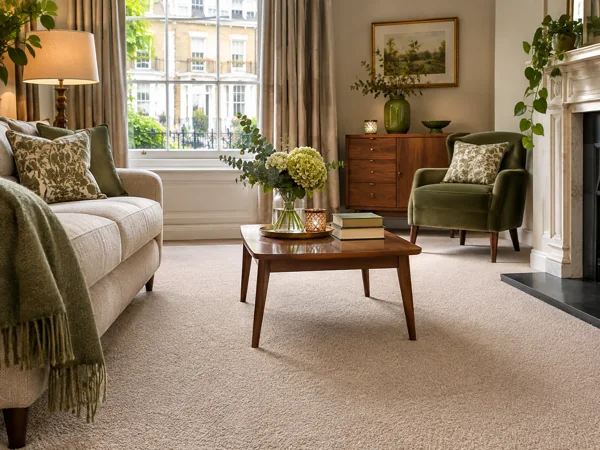
Make the room description concrete
| Floor feature | Detail to send |
|---|---|
| Window bay | Give its depth and say if it is carpeted under any seat. |
| Stairs | Count treads, risers and any turn. |
| Hard flooring border | Say where the carpet meets it and flag a raised edge. |
Measure the parts of the room that are actually fitted
A room measurement that includes a fireplace hearth, fitted cupboards and a stretch of exposed timber can be misleading. Tell us where the carpet starts and stops and give the length and width of any alcove you are including. A rough sketch is fine for an initial discussion if you cannot take dimensions. A photo showing the whole floor from the door can identify a recess or a window seat that would otherwise be counted as part of the main rectangle. Let us know if a border is a different material or joins another surface under a door.
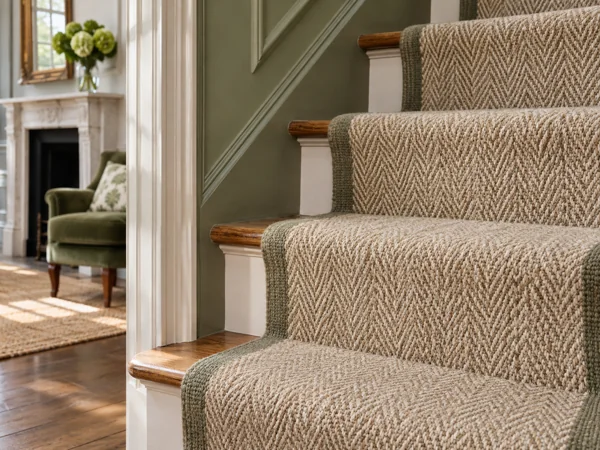
For a staircase, count the treads and indicate whether the vertical risers are carpeted. Include a half landing or turn if you want it assessed. A fitted stair carpet can differ from a loose runner with rods, so explain how it is held and send a photograph of any worn fastening you have noticed. Mention if the stairs are needed to reach a front door or a sleeping room.
Describe traffic wear around furniture and doors
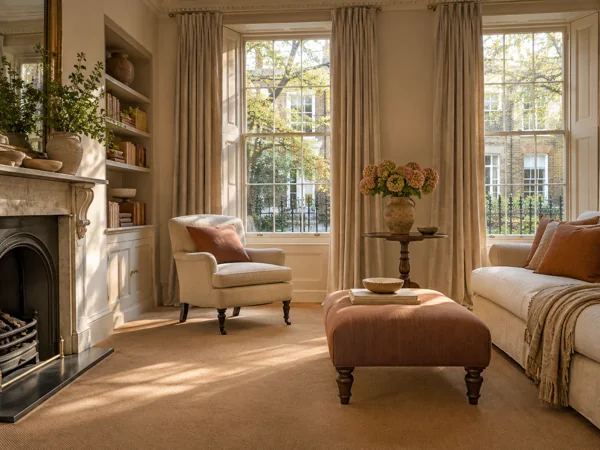
An armchair can leave a protected patch of pile next to a flatter route where someone walks past it each day. Show the relation between the visible mark and the furniture in a photo taken at an angle. If the difference only appeared after replacing a table or turning a chair, say so. The pile can reflect light differently where it has been compressed, while direct sun can affect colour across part of a room. Tell us whether moving the furniture is part of the plan, since the boundary of the cleaned area may be different if the furniture stays put.
Look closely near hinges, metal transitions and skirtings. Flag any thread that catches on the door or appears pulled away from the edge. Report old darkened areas under a radiator along with any known leaks or repairs. Share the history with the technician before furniture is shifted so any weak place can be identified. A mark that appeared with a spill has a different assessment from a change associated with wear or ageing.
- Show the approach to the worn patch from the door.
- Separate marks you can date from older colour differences.
- Point out worn join lines and snagged fibres.
Give a clear account of anything already applied
If you have a bottle or packet from a product used on the carpet, photograph the label and say approximately when it was applied. Mention repeated efforts to rinse it or the use of a powered household cleaner. Tell us if the affected area changed texture after trying the product, or if it felt sticky once dry. The more precise you can be about the order of events, the more useful the information is when deciding what to assess on arrival. If you are unsure what a previous occupant did, say which facts you know and which are uncertain.
Where somebody wiped up a spill straight away, note whether the liquid reached the carpet edge or spread into a carpeted threshold. A visible drop mark may make up only part of the area that got wet. Tell us if there is currently an odour or moisture or if the mark returns in particular weather. Avoid promising yourself an invisible result when the history is incomplete. The visit can identify a suitable approach and discuss the likely limitations once the surface is inspected.
- List the known products and timing.
- Record whether the texture or colour changed.
- Flag any dampness or odour still present.
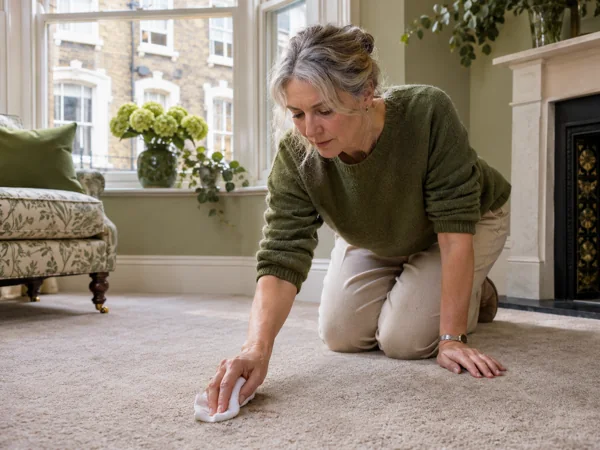
Record what is happening at a mark
| What you notice | What helps assess it |
|---|---|
| Sticky texture | Give the products applied and when you used them. |
| Different colour in sunlight | Take an image from each direction. |
| Returning mark | Note how long it takes to show again. |
Check construction before settling on the cleaning method
Two beige carpets may need different treatment. One could be a tightly woven fitted fabric, while the other has a soft surface and backing you cannot see. Check manufacturer guidance if you have it, or send a photo of any offcut you kept after fitting. Point out pieces with decorative edges, old seams or repair work. A technician can look at the fibre, construction, dye and condition, then discuss whether testing is needed. A single shared instruction for every carpet in the home is less helpful if the carpeting was fitted at different times.
Water-based extraction may be suitable after assessment of appropriate carpets. A lower-moisture approach or specialist assessment can be discussed for surfaces where the fibre, construction or condition presents concerns. Loose rugs with fringes or an unknown backing should be listed separately. If an item is valuable or has sentimental importance, say so when requesting the quote. The same applies to a fitted section where replacing damaged material would be difficult. An initial discussion helps you decide which items should be inspected first.
Keep a spare room ready during treatment and drying
Pick a place where a resident can sit, take calls or care for a pet without crossing the carpet being worked on. Clear a path to the bathroom and check whether the plan changes if the landing is included. Where the carpet joins a kitchen or tiled hall, ask how to manage the transition while the carpet is drying and keep belongings away from the route. Let us know if windows must stay shut to contain an indoor pet or if a street-facing room can ventilate for only part of the day.
After cleaning, follow the advice for the method used before returning a mat, closed-bottom basket or other object to the floor. Leave somewhere dry for those things to go while you wait. Carpet and room conditions influence how quickly the floor can be used, so build some leeway into arrangements for guests, deliveries or a change of linen. If you need the stairs throughout the day, raise it before agreeing a visit time and see what order is practical.
- Identify somewhere dry to place moved belongings.
- Explain window and pet restrictions.
- Raise any room or route you must use the same day.
Prepare for access and drying
| Place | Decision to make |
|---|---|
| Shared stair | Ask management which route and protection to use. |
| Spare room | Keep a dry space available for occupants or pets. |
| Bedroom floor | Agree when the room can be used and items returned. |
Plan a workable route through a shared stairwell
Ask the building manager how equipment should be brought through the entrance and where to pause if the front door needs unlocking again. Keep communal passages clear for neighbours and confirm any required protective coverings. A small landing with several doors needs room for other residents to come and go while a technician is reaching the apartment. Let us know if there is a fixed bench, plant stand or buggy storage point at the turn that makes the passage narrower. If a stair runner belongs to the building, ask who manages it before including it in your own enquiry.
Mention any time restriction that affects the arrival or departure, including shared lifts that must be booked. If somebody else will meet the technician, give that person the approved directions and explain which number to call if the agreed approach cannot be used. The carpet estimate is more reliable when access is described up front. Confirm the path again if a moving company is due or scaffolding has changed the entrance since you first sent the address.
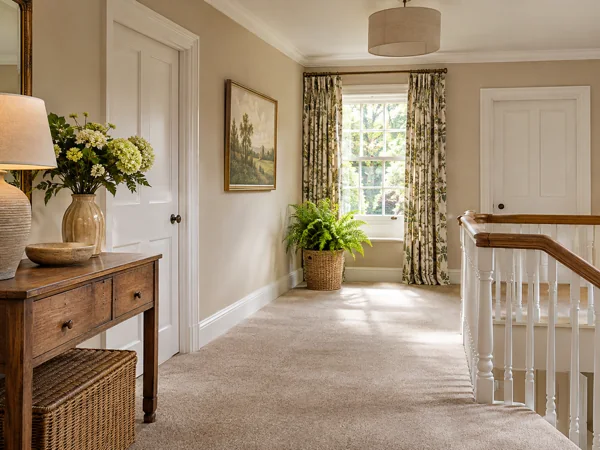
Set out the quote in the same order as the visit
Start with the fitted areas you want treated, then add any loose pieces and any marks you want assessed. Include more than a room count if there is a deep bay, a narrow flight of stairs or a steep change in level. Identify the floor you need back first and explain what you can move before the technician arrives. Ask which items are included and how uncertain fibres or unusual access affect the estimate. If you want both a sitting room and a runner, check that the proposed method is shown against the right item.
A household can have several people contributing to one enquiry. Give everybody the same description and decide who is available on the day to talk about any difference between the quoted work and the condition on arrival. If you are arranging another service at the same property, leave time for the carpets to dry and check who will follow the ventilation advice. Mention any outstanding decorating, maintenance or delivery work so the order can be discussed before the visit is agreed.
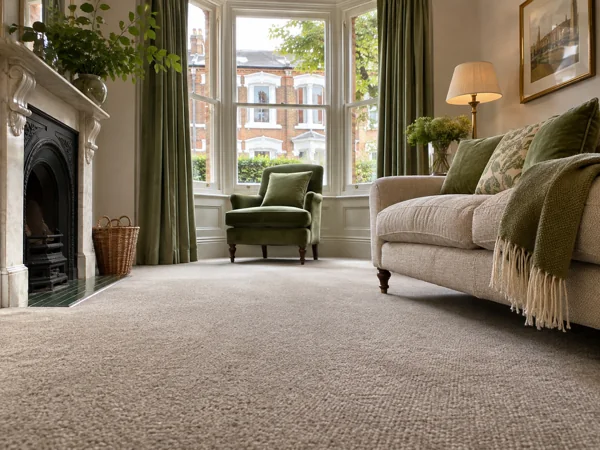
Get a carpet cleaning quote in Maida Vale
Request a quote with the carpeted rooms, stairs and any loose items listed separately.
Get a QuoteOther Cleaning Services in Maida Vale
Local references · Canal & River Trust: Little Venice
Maida Vale carpet cleaning questions
Can I send a rough sketch of the bay?
Yes. A sketch and an image from the doorway can show which areas are carpeted.
Do the risers count in a stair enquiry?
Say whether the vertical risers are carpeted and include the tread count and landings.
Should I identify the stain remover we used?
Yes. A picture of the packaging helps record what reached the pile.
Can I get two different suggested methods on one quote?
List each surface and ask what could be suitable after assessment.
How should I describe the gate near the canal?
Give the exact residential entrance and say who can open any gate on the route.
Can I put a rug back while the fitted carpet is drying?
Follow the drying advice for the treated carpet before covering it with a rug.