 Housekeeper
Fitted carpets and localised marks
Carpet Cleaning in Chadwell Heath
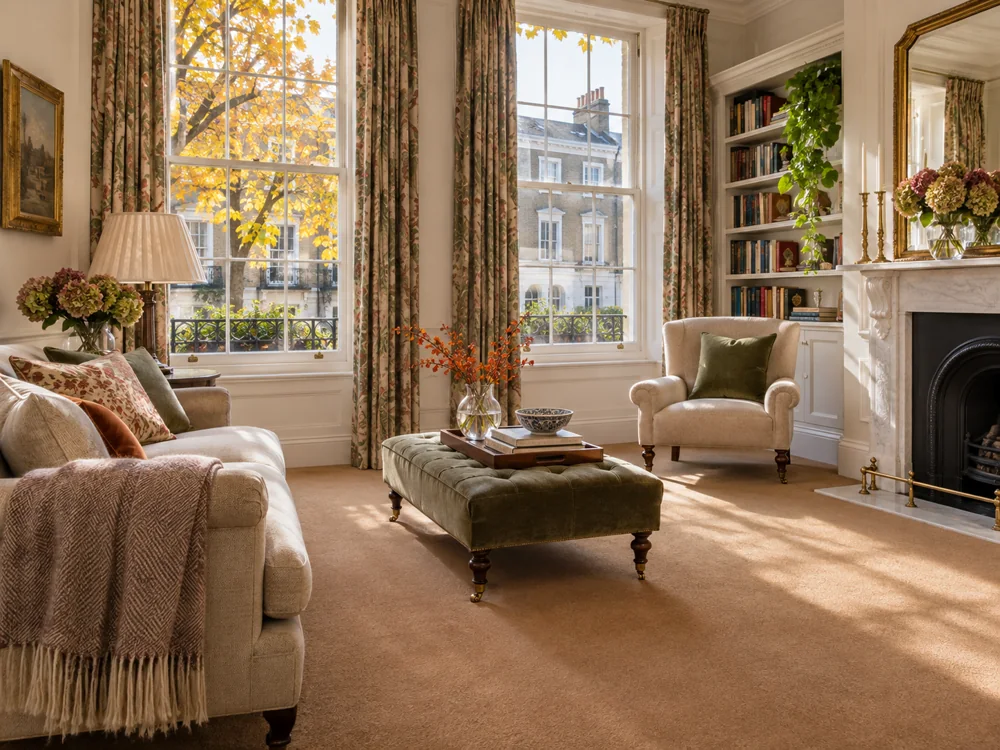
Tell us where the fitted carpet sits in your Chadwell Heath home and what signs of wear or soiling you want checked. A floor list, photographs and access directions help with the estimate. We can discuss suitable treatment based on the carpet condition and what is practical for your household.
What helps with a carpet cleaning quote in Chadwell Heath?
Send the full address, fitted areas and stair count, plus photos of the pile, edges and any stain you want assessed.
Do I need to be home for drying?
Explain who can manage ventilation and relay advice before the rooms are used again.
Continue directions from Station Road to the permitted entrance
National Rail lists Chadwell Heath station on Station Road in RM6. If you mention it while giving directions, add the exact home address rather than using the station as your destination. Include the number or name on the private door and the full postcode. Where a front path serves two addresses or goes round a bay before reaching the porch, explain which branch to follow. Say if the approved entrance is on another street or has a gate that must be unlocked from inside. Pass on the phone number for somebody who will be able to answer when the equipment reaches the address.
Check what can be carried along the route without contacting a wall, garden fitting or door. If a communal entrance is involved, ask the person responsible which way to enter and whether a lift can be used. Give the distance from the approved unloading point, plus any tilt, steps or narrow turns. Confirm whom to contact if the first agreed route is unavailable on the day.
- Give the full address and any shared path directions.
- Confirm the permitted door, access contact and route.
- Flag gates, thresholds and narrow corners.
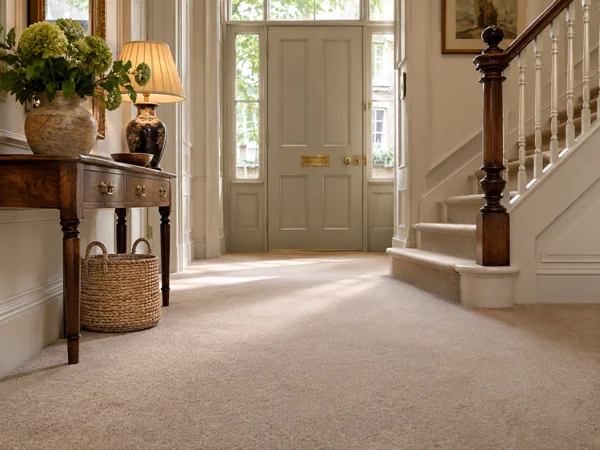
Map the carpeted route from the hall to each occupied room
Draw a simple sketch of the route from the door. Mark the fitted hall, any part beneath a shoe bench and where longer stretches continue into rooms. Give dimensions of the most important sections and point out the changes to boards or tiles. A short room beyond the stairs might contain fitted carpet around a cupboard or radiator cover. Show the shape and say if you would like it included. Identify parts occupied by heavy furniture and what will remain accessible when the carpet is assessed.
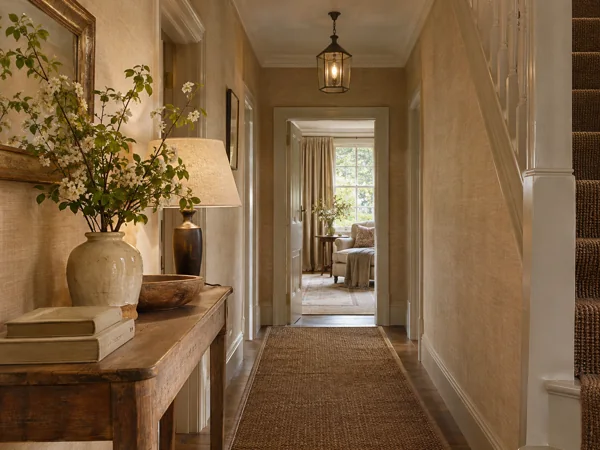
Count any carpeted treads, risers and landing turns. A loose runner or mat is a separate surface and needs its own description. Give dimensions and note the edging or fixing. A photo across a join can help show how the fitted and loose parts sit together. If a landing is shared, check who is allowed to arrange cleaning to it. Describe your own carpet inside the home and any separately authorised areas using different lines.
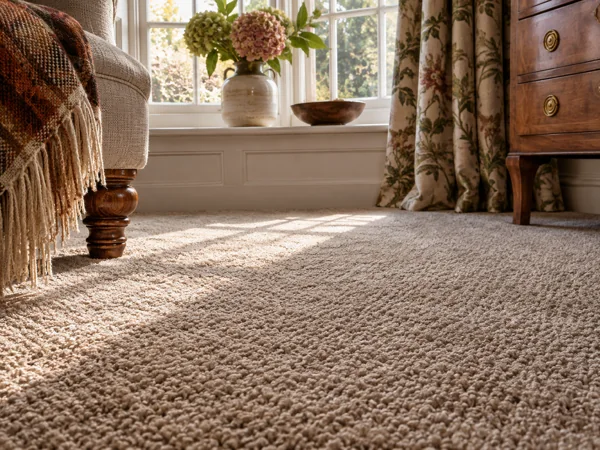
Include every carpeted part you want assessed
| Feature | Evidence or measurement |
|---|---|
| Fitted hall | Length, width and where it meets boards or tiles. |
| Half landing | Dimensions and relation to the stair turns. |
| Loose mat or runner | Size, edging and label, if visible. |
Distinguish a high-traffic lane from a mark under furniture
Show the path most often used across the room and a close view of the compressed pile. Also show any separate spot beneath a chair, around a plant tray or along a mat edge. Give the time each changed and, if known, what affected it. If the photo is taken after moving furniture, describe where it used to stand. A wide view looking towards a window can explain the amount of contrast, but send one facing the other way too. The appearance may shift with pile direction or light.
For a mark from a spill, write down what reached the floor and which products or water were used afterwards. Include the label where possible and whether the mark looked different after drying. Say if an odour, dampness or recurring outline remains. These details help a technician discuss possible treatment and the points that require inspection. Wear, alterations to colour and some set-in stains can remain visible after cleaning.
- Use one photo of the room and one of each affected area.
- Record anything applied and the condition after drying.
- Point out habitual traffic and places covered by furniture.
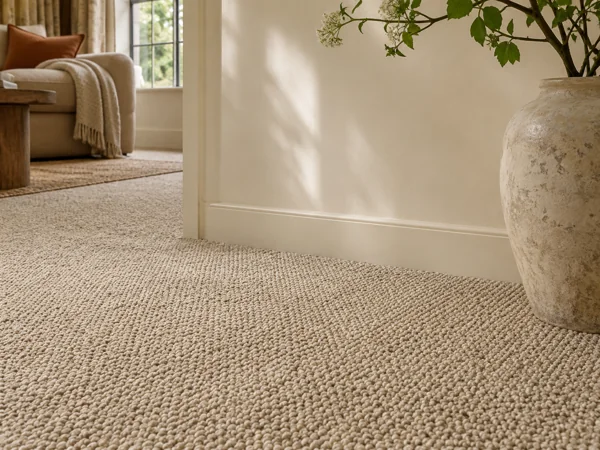
Check which furniture can be cleared without creating another obstruction
Decide where chairs, toys or a small table can wait during the visit. Use a dry place with access to the door, away from the trip between the front entrance and the fitted carpet. Move leads that can be safely disconnected and set aside a dry place for valuables. A piece of furniture left in place may conceal some of the floor. Send a view showing the gap around it. Indicate if the resident expects to move an item later and who will do that. If carpet appears underneath, give its condition and size in the updated description.
Before confirming the estimate, check whether a doorway opens far enough with all the moved furniture in place. Keep a route for anybody carrying household items or using a mobility aid if they will be at home. Tell us if a work desk, bed or child's play area has to remain available. A realistic plan should describe which parts of the carpet can be reached without blocking the place the household depends on.
- Give the accessible edges around large furniture.
- Keep moved chairs and belongings off the equipment route.
- Set aside anything needed during the appointment.
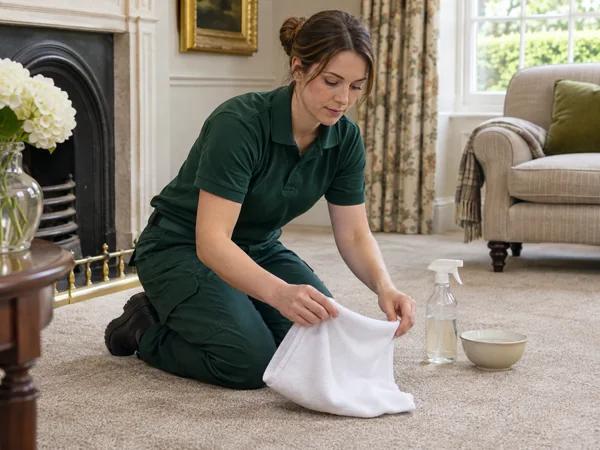
Describe the origin of carpet condition
| Observation | What to send |
|---|---|
| Flat walking route | Normal direction of traffic and close view of pile. |
| Recently exposed area | Position of furniture, rug or other covering. |
| Spill or damp patch | Known cause, products used and current condition. |
Discuss inspection, then select a method by carpet type
Retained care information and samples can help a technician identify fibre and construction. Include a photo of the label or invoice if available, and make a note of the room it applies to. If the carpet is fitted differently across levels, point that out on the layout you send. Show a seam or pulled edge without disturbing it. Condition, visible backing and dye response matter alongside the material. Ask how the technician proposes to assess it and whether any tests or further checks are appropriate before treatment.
A carpet may be suitable for water-based extraction after assessment. Other carpets or areas with concerns about colour, backing, age or repairs may lead to discussion of a lower-moisture method or specialist assessment. Treat a loose rug, runner or inset mat independently, including any fringe or visible wear. If two surfaces lie in the same room, confirm which can be assessed and how an appropriate method would be proposed for each.
If a fitted stair has a strip that matches the main carpet in colour but feels smoother, put the stair and room on separate lines even if you do not know when they were fitted. Include a view of the point where the stair carpet ends, and say whether you can see another binding or material. The technician can consider the two surfaces together without having to assume the floor plan shows the carpet construction.
Allow drying to fit the normal routes through the home
Decide if the hall or stairs are needed during treatment or while the carpet is drying. Put medicine, keys, pet supplies or work equipment in an untreated room and tell us where household members can wait. Say if a door or gate must stay closed for safety. Keeping a pet inside can affect which windows and doors can be used for air. Work out who may need to leave or return before the area is ready, and give their timing when considering the order. If the agreed dry route includes a ledge or narrow turn, flag it in advance.
Tell us what ventilation can be used safely and who can check it after the visit. Drying depends on the material, method and conditions, and a fitted hall might take a different amount of time from a room with opening windows. Wait for the advice given before putting a mat, runner or large item back. Explain the instructions to people who were not at the house when work finished.
- Identify a dry route to essentials and a place for pets.
- Give window, vent and door restrictions before booking.
- Pass on advice before bringing furniture or mats back.
Align the arrival and departure with access at the property
Confirm any permitted unloading arrangement and explain the route from there to the door. A sloped path or two front steps can change how equipment approaches even when the door itself is wide. If a manager has given conditions for using shared floors, explain what coverings or lift arrangements are required. Give a contact for the first entrance and for the room if those are different people. Explain where somebody can wait without blocking neighbours or any public route if access is delayed.
If another appointment or a household move will happen near the same time, check whether it changes the path to the carpet. Tell us when another contractor expects to clear the route and who will update that information. Where the keys come from a separate keeper, agree where they go back and when. Review the practical arrangements in advance to ensure the same place can be used for equipment to leave.
Plan around normal household use
| Stage | Decision |
|---|---|
| Before work | Keyholder, permission and clear path from the approved door. |
| Cleaning and drying | Dry route to essentials and a suitable waiting area. |
| Aftercare | Window use, return of furniture and key collection. |
Agree which areas are included and who receives the aftercare
Use the floor list, measurements and photos to check the estimate. Discuss an unlisted landing, edge or runner before accepting, as well as any further assessment needed to choose treatment. Say which item or area matters most if the condition changes the plan. If a keyholder who does not live there will attend, tell them where items are and give contact details for somebody who can approve changes. Mention if carpet under a bed must be ready before a furniture delivery or change of occupancy.
Leave the chosen contact responsible for receiving guidance on drying, room use and putting items back. Give the information to the rest of the household, including anybody who may return before the contact is available. For a key return, agree when the rooms should be checked and who will close or adjust windows. If a doorway or edge still needs attention from another trade, the agreed room names and note can help the next person find it.
Get a carpet cleaning quote in Chadwell Heath
Request a quote with the carpeted rooms, stairs and any loose items listed separately.
Get a QuoteOther Cleaning Services in Chadwell Heath
Local references · National Rail: Chadwell Heath station
Chadwell Heath carpet cleaning questions
Should I say if a porch is after a shared entrance?
Yes. Show the route from the approved door, explain any steps and identify who can open each door.
Can I add the carpet around a small radiator cover?
Show the location and accessible area and ask to include it with the fitted room.
How should I explain compressed pile by the front door?
Give a photo of the normal route and the pile from close up, and say when you noticed the difference.
Do I lift a runner to show how it is fixed?
Leave fixed parts undisturbed. Describe what you can see, including the edging, dimensions and care label.
Can my family stay in one room during the clean?
Discuss a dry place and route beforehand, including any limits on ventilation or access to essential rooms.
What if another contractor needs the entrance?
Give both timings and check the approved route can stay clear for each visit.