 Housekeeper
Housekeeping guide
How to prepare for your first housekeeping visit
Plan the rooms, access and tasks for your first visit. A practical guide for flats, houses and shared homes in London.
Choose the result you want from the first visit
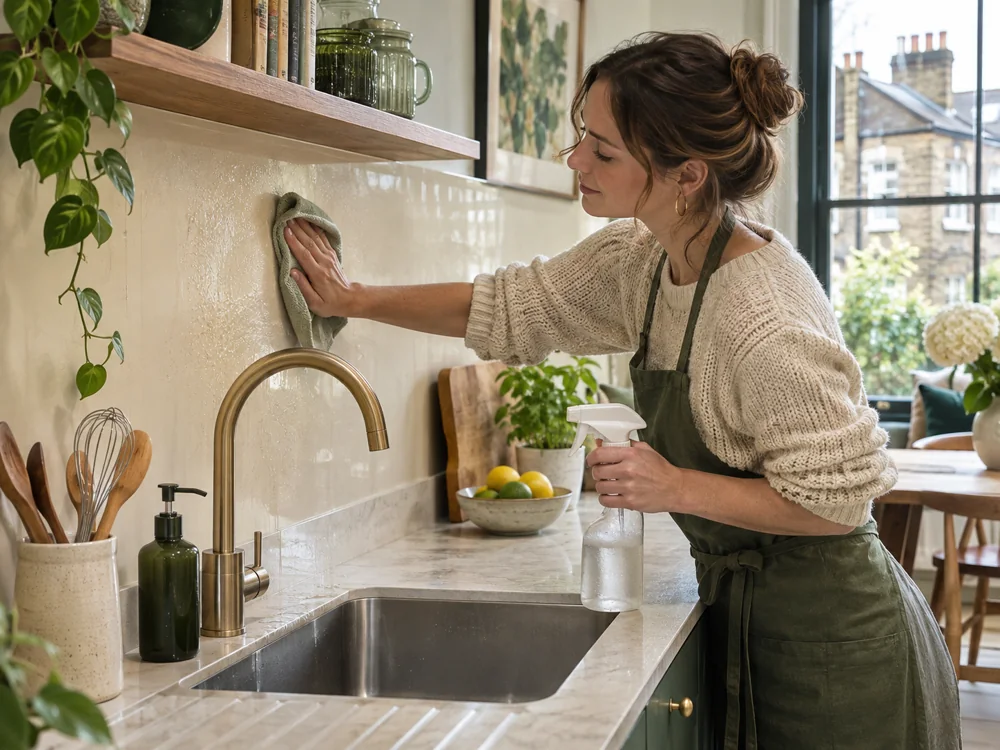
The first visit is a chance to agree the routine that will work in your home. Think about a straightforward result to ask for, such as having the kitchen and bathrooms ready for the evening and the stairs vacuumed. List the rooms that matter first. If you also want bedding changed or the inside of a cupboard cleaned, mention that separately when you enquire. This gives the office a better idea of the time needed and gives the housekeeper a clear order to work through.
A short priority list is especially helpful if you live with other people. One person may care most about crumbs under the dining table while another needs the shower ready early. Decide whose room can wait and which jobs belong in every visit. Put occasional tasks on a second list, with the ones that matter this week at the top. You can see how much of that list fits after the main work is done and decide what to rotate next time.
Give directions that end at the right door
In a London flat, the address used for post can be enough to find the block but leave a visitor unsure which lobby to enter. Send the full postcode, flat number and the name or number displayed where the housekeeper should ring. If the door is on a side street or down outside steps, describe that approach in one sentence. For a lift that stops on a landing between floors, explain the remaining steps. Say who will be there to let the housekeeper in.
If the building has a porter or a separate process for visitors, confirm the arrangement with that person ahead of time. Agree what will happen at the end of the visit too. A housekeeper who comes in while you are at home may need to leave after you have gone out. Decide how the door will be closed or how keys will be handed back. Share entry instructions privately with the people who need them. A general note can describe the route without including an alarm code.
Make the kitchen usable for the work you want
Before the visit, look at the areas on your priority list. If you want the counters wiped, move papers and food you plan to keep to one end, or point out where they should stay. Put away delicate items you would rather handle yourself. If you need part of the counter throughout the morning, mention it before the housekeeper starts. Arranging the order of the visit can leave enough room for you to prepare breakfast or lunch while the other end of the kitchen is cleaned.
Tell the office about finishes that need particular care. A stone worktop, painted cupboards or an oiled wooden table may each have their own instructions. Say which products you already use and where they are stored. If you want inside the oven, fridge or kitchen cupboards addressed, describe the appliance or cupboards in the enquiry. Those requests can take time away from the regular surfaces, and the office may need to discuss a different service or a longer visit. Agree what is included before the housekeeper arrives.
Make bathrooms easy to work in
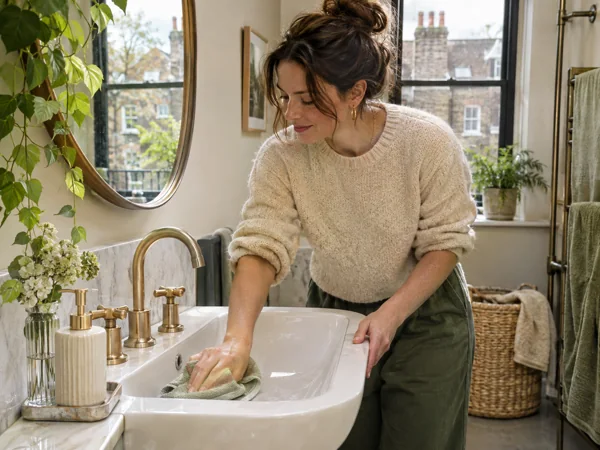
Bathrooms often look ready to clean until you notice the bottles covering a ledge or toys left in the bottom of the bath. Set aside the things you want the housekeeper to lift or leave in place. A basket can give bottles and brushes a temporary home without changing how everyone usually uses the room. If there are several bathrooms, say which one needs to be available first. That might be the one by the front door for visitors or the shower people use after work.
Explain anything that makes a surface unusual. You may have fittings you usually wipe with a particular cloth or have tile care instructions from the supplier. Show where your preferred products sit and check what the housekeeper will bring. If a bathroom has a persistent damp patch or a mark you think needs specialist attention, describe it separately to the office. You can still plan the routine clean of the other accessible surfaces. For the first visit, a clear list often helps more than setting out every product you own.
Leave clean linen in the room that needs it
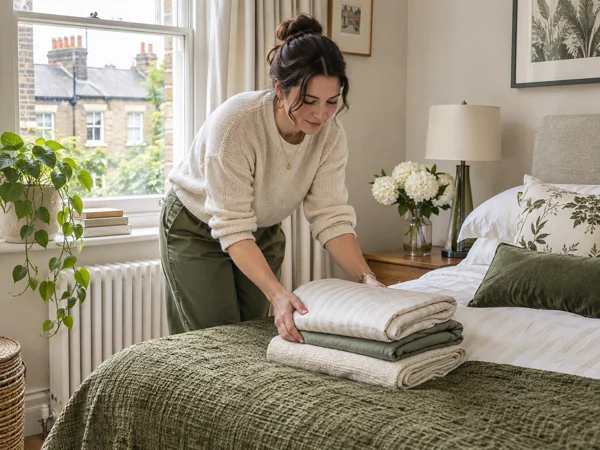
If bedding changes are part of the arrangement, put the clean set in the relevant bedroom. This is useful where several beds look alike but take different sizes of sheet. Include the pillowcases you want and say where the used linen should go. You may want it left in a basket for later rather than put into the washing machine immediately. If a guest room should be left as it is, identify it. The housekeeper can use the available visit time on rooms you use every day.
If somebody is working or sleeping in a bedroom, agree when the housekeeper may enter. A short note about which door should stay closed can prevent an awkward interruption. Explain where private papers or clothing should stay. If the floor is partly blocked by a suitcase, decide whether you want it left alone or can clear a route before the visit. A shared understanding of what can be moved is especially useful when different people will be at home on different housekeeping days.
Decide how to handle pets and shared spaces
Tell the office about pets when you enquire, including which rooms they can enter and whether they are likely to follow a person around. If a dog is nervous around a vacuum, plan where it can settle during that part of the visit. If a cat needs to stay indoors, mention any door you usually keep shut. Decide who will look after the animal while the housekeeper works. Add any instructions about doors, crates or food in a message to the person letting the housekeeper in.
For a shared home, agree which chores belong to the household and which are part of the visit. Ask people to move their own things off the stairs and kitchen counters or identify a place where those items can wait. If a flatmate wants their room left alone, say so before the visit. If the cleaner needs to use a particular socket or wardrobe to get equipment, make sure the area is accessible to them. Bring up any disagreement about priorities with the household before changing the booking.
Have products and equipment ready
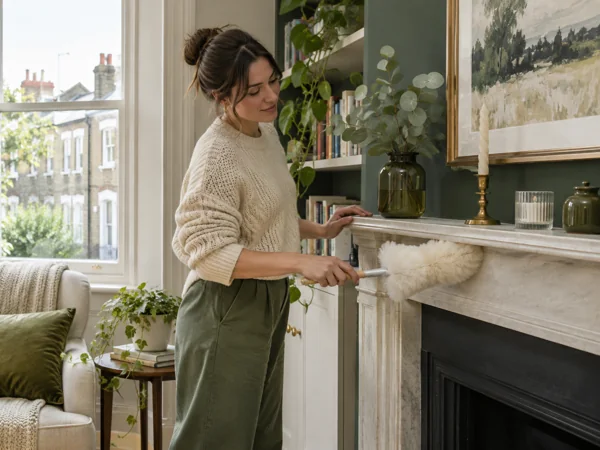
Check who supplies the vacuum, mop and other items when you book. If you provide equipment, show the housekeeper where it is. Let them know if the vacuum has attachments for stairs or upholstery and if a floor needs a particular setting. Where products are in different cupboards, a short list can be handy. Tell the housekeeper which cloths or bottles you use in the kitchen and which belong elsewhere. The aim is to let them begin the agreed jobs without stopping to look for things.
If you have sensitivities or strong preferences around fragrance, mention them when you arrange the visit. Give the names of products you have agreed can be used on the finishes in your home. If there is something the housekeeper needs to bring or identify in advance, arrange that with the office. Household products can have different directions, so leave them with their labels and have any care instructions available. Explain if a separate item, such as a stepladder or specialist appliance, needs to stay where it is.
Review the first visit while the details are fresh
Walk through the priorities you agreed. Which rooms were completed and what took longer than expected? If a room was reached but one task needed a different product or more time, ask what would make it easier next time. One visit can reveal a useful order. For instance, it may make sense to finish upstairs before the school run brings people back through the hall. Note anything that should be repeated and the jobs that can be left to a quieter week.
Keep the notes brief. The next housekeeper needs the agreed rooms, the products or restricted areas that matter and the tasks to do first. If you book recurring help, revisit those notes when the home or routine changes. A guest staying for a month can turn a rarely used bathroom into an everyday priority. Changes to the number of rooms or tasks are best discussed with the office so everyone knows how much time is available and what the visit can realistically cover.
Send the office a short description of your home
Start with the postcode, preferred day and whether you are arranging a one-off, weekly or fortnightly visit. Add the rooms you would like covered, the two or three jobs that come first and anything that changes how work can be done, such as a finish with care instructions or a stair leading to the kitchen. If you want laundry, bedding or a specialist cleaning job discussed, list it as its own item. A plain description of the day is enough to make the first conversation practical.
If you are arranging the visit for someone else, confirm that they know who will arrive, which doors can be opened and what has been agreed. Share the priorities with the person who will be home. Ask the office about any points you could not answer from the booking information, including the expected visit length and how to change it if your plans move. The first visit can then be organised around the home as it is used, with a route into the right rooms and time for the jobs that matter most.
Read about regular housekeeping or plan your first visit.