 Housekeeper
Practical care for every room
Regular Housekeeping in Queen's Park
A busy hallway can tell you more about what to book than the size of your home. For regular housekeeping in Queen’s Park, tell us which areas see the most daily use, which surfaces need particular care and what should be ready by the end of a visit.
Can I use Queen’s Park as a landmark for my housekeeper?
Yes. Add your full property address, postcode and the street your own door faces.
Can the hallway take priority after a wet week?
Yes. Tell us which parts need attention first and where the kit for each floor is kept.
Use the park to orient someone coming to your door
Brent Council identifies the junction connecting Salusbury Road, Brondesbury Road and Harvist Road in its Queen’s Park neighbourhood material. If you live near that junction, you can use it to explain which direction to approach from, followed by the house number and complete postcode. The City of London lists Queen’s Park, Kensal Rise and Brondesbury Park as stations near the park, so a station name by itself can leave a visitor with several plausible routes. Give the street your entrance faces and mention a distinguishing sign or step if the number is difficult to see.
For a return visit, confirm if that route is still the one to use when you are away. A shared gate may be open when you are expecting someone but locked on an ordinary weekday. Explain who can open it and where the flat door is after the gate. If the front path and side passage lead to different doors, give the route you have authorised. Arrange any private instructions directly with the office, and let us know in advance if a different member of the household will be responsible for opening up that week.
Plan for shoes, school bags and wet coats
Start with the path people use as they come in. When the hall is carrying the most dirt, agree which mats, stairs and parts of the floor are useful to do. Tell us if footwear should be left where it is, moved to a particular tray or put back after the floor is dry. A pile of bags on the bottom step can slow down access to the rest of the stairs. Choose a place where the bags can sit for the duration of the visit or leave that step clear before work begins.
If children are coming home during housekeeping, say what time the entrance needs to be available. It may be easier to do a wet floor earlier and leave dry dusting or another upstairs task until later. If there is a change from tile to timber at the foot of the stairs, point out where the method changes. Give clear instructions for mats that need to stay flat or dry in place. Decide who will return shoes and coats to the hall once the surface is ready for ordinary use again.
Decide what stays in the hallway
| Item | Instruction for the visit | After the work |
|---|---|---|
| Shoes | Use the agreed tray if the floor needs clearing | Return when the floor is dry |
| Hall runner | Show the attachment for the surface and edge | Keep the runner aligned with the stairs |
| School bags | Leave a low shelf or agreed position clear | Keep the bottom step free for foot traffic |
Keep the kitchen and dining area usable between meals
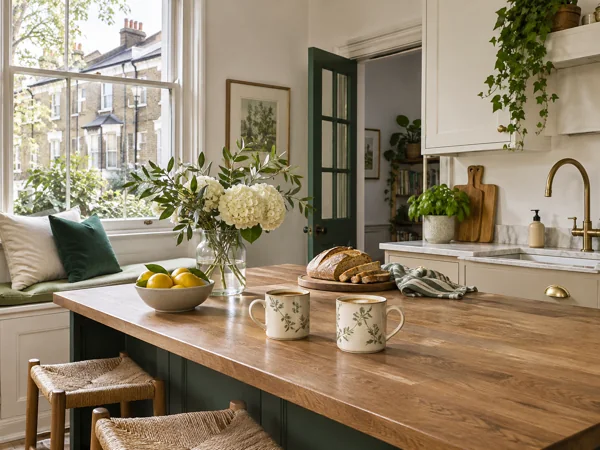
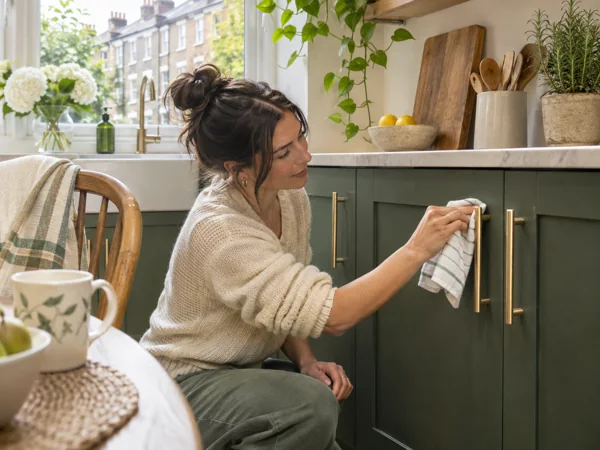
Tell us which surfaces you want to use straight after the visit. You may care most about the worktop next to the hob and the sink, or you may need the eating area clear for an early meal. List the reachable parts of each area and say where small items can go while a surface is being cleaned. Give the approved method for a wooden table and a different finish on the worktop. Ask about the inside of an oven or fridge separately, with enough detail to understand its current condition.
In a combined kitchen and dining room, give the space enough time for the floor to dry. A chair or highchair may need to be returned to the same spot before the room is used again. Put loose food away, give a place for items that are staying out and say which dishes or appliances should be left as they are. If lunch is still under way when the visit begins, arrange work in another area and explain who will say when the kitchen is free.
Schedule bathrooms around the way people get ready
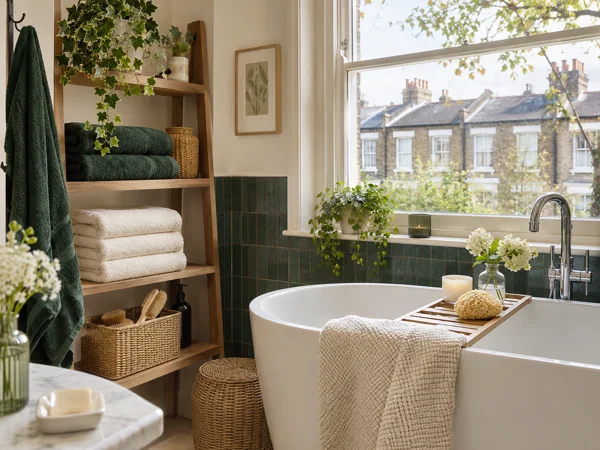
Identify the bathroom that needs routine work most often and say what it contains. A family bathroom with a bath and shower screen may take a different amount of time from a downstairs loo. Say which sanitary fittings, mirrors and floors you want covered, along with anything that makes them harder to reach. Put toiletries in the agreed place or tell us which items can be moved. Show how finished metal, painted panelling or a stone shelf should be cared for and leave the correct cloths or products.
If somebody needs a shower during a regular appointment, arrange when that room can be done and keep a second task available. With more than one bathroom, you might want to leave one available until the other is ready. State where any replacement hand towels are and what to do with used ones. A room that has been closed up while guests are away could go on a rotating list. Give the dates when it next needs to be ready so the regular work can be planned around it.

Give the sitting room a practical reset
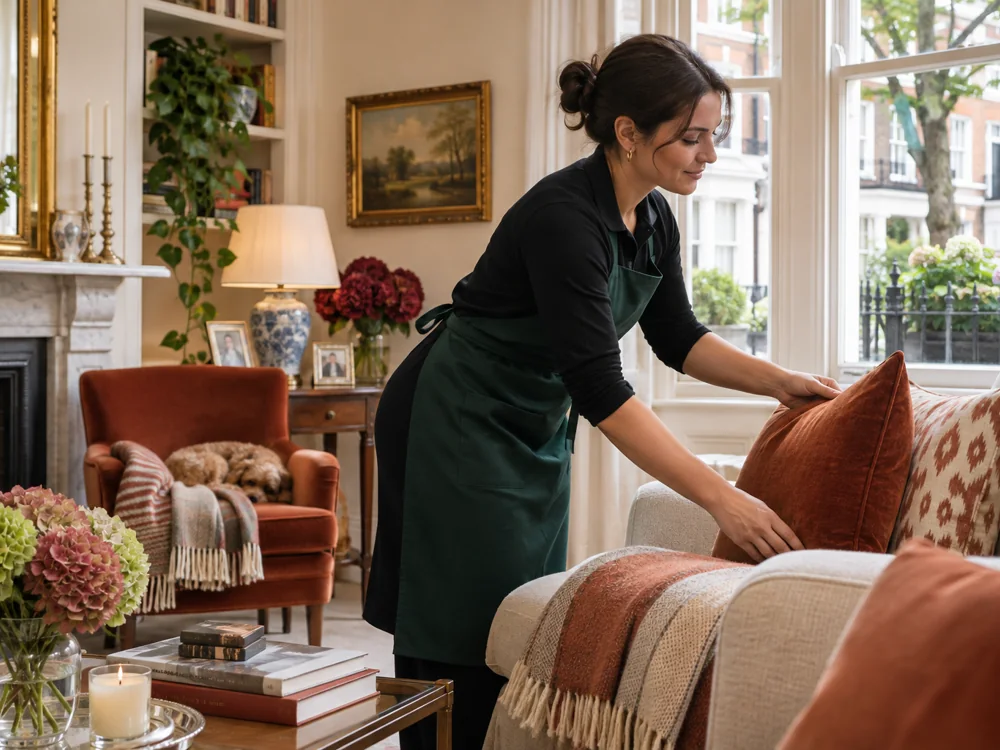
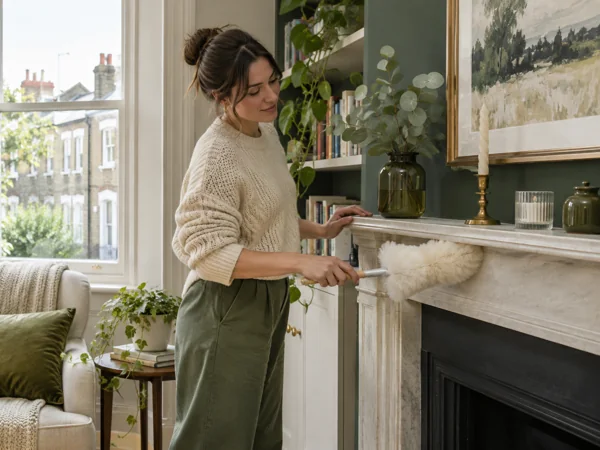
Decide which parts of a sitting room would make a difference next time you use it. A coffee table might mainly need its reachable top clear, for instance, while a rug collects crumbs beside the sofa. Agree whether to work on a rug in place and show the vacuum tools suited to it. If the room doubles as a workspace, specify the papers and devices that should be left alone. Put delicate ornaments away yourself if you are particular about how they are handled or exactly where they stand.
Name the best time for vacuuming if the room is shared by someone working from home. If a call is running over, provide another room for the housekeeper to move on to. Let us know if access to a floor depends on furniture being moved and describe the pieces. For upholstered furniture that needs stain treatment or a deeper clean, give the fabric and the issue separately. A regular visit can still include the reachable floor around it, with any special instructions for the edges of the rug or furniture.
Use different instructions for adjoining finishes
| Two nearby surfaces | Detail to give | Timing to consider |
|---|---|---|
| Tiled entrance and timber landing | Mark where the product and tool change | Work around use of the front door |
| Dining table and kitchen worktop | Put the approved product with each surface | Finish before the next meal |
| Bath surround and painted panel | Explain which cloth is used for each | Allow for someone getting ready |
Meet Housekeepers Covering Queen's Park
Tell us your postcode and preferred frequency so the office can check who covers your address.
Get a QuoteSet out one bedroom and linen plan at a time
Say which beds, if any, you would like changed as part of the recurring work. Put out mattress, duvet and pillow covers suitable for the particular bed. In a shared cupboard it may be difficult to distinguish two similar sets in different sizes, so leave the right one in the room. Provide a place for used linen and clarify any laundry arrangements separately. If one bedroom is being used at the time of the visit, say when it is free and whether a partial visit to that floor would help.
For ordinary bedroom upkeep, discuss the reachable floor, bedside surfaces and other furniture you want included. Give instructions for items that should remain on a surface and let the cleaner know if an open wardrobe or storage area is off limits. A guest room used a few weekends a year can have work timed around arrivals, while the rooms you use daily stay on their usual list. If bedding is missing on a particular visit, give the office an alternative priority to fill that part of the appointment.

Make the first visit representative of an ordinary week
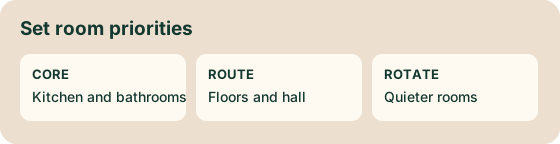
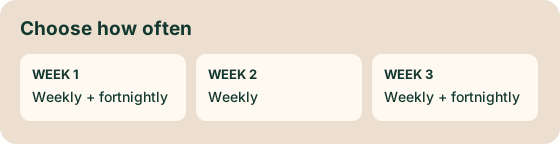
Talk through an ordinary day before deciding what you want from each visit. Tell us which rooms tend to be free, which jobs build up quickly and which rooms you already keep on top of yourselves. If the first date is unusually quiet, mention the tasks that might take longer once the usual routine returns. A first visit can give you an idea of how much time the important jobs need. Discuss what to alternate if the visit length you want leaves room for only some of the less frequent jobs.
Tell us if there are changes to access or priorities on school holidays, when visitors stay, or when somebody starts using a room to work. For a temporary change, give the specific dates and which tasks are affected. If the preferred frequency is still undecided, explain how often the important rooms need attention and give two possible days. Confirm the repeating arrangement before passing it to anyone else who opens the door, puts out the products or looks after the rooms during the visit. If people use different doors on different days, put the authorised route next to the relevant weekday in your notes.

Keep equipment within reach of the rooms it serves
Pick a place for the vacuum and attachments, mop, cloths and products where they can be reached at the start of the visit. If an upstairs floor uses a particular mop head, put it with the approved product and label the floor it is for. Mention where there is a suitable place for supplies while the housekeeper works. In a narrow entrance it can help to set equipment down in a different room instead of leaving it beside the door you need to use to come and go.
Some tasks will need more time or different equipment than ordinary care. Give the material, condition and location of a rug, an oven interior or a stained upholstered seat when asking about a separate clean. Mention how any larger equipment can reach it, including steps between the entrance and the room. If you want a one-off extra job within the regular arrangement, say what you would leave out that week to allow for it. After the visit, note which priorities should go back to their usual place on the list.

Prepare for a date with a different routine
| Change | Information to share | Decision to make |
|---|---|---|
| Children home earlier | Time the hall needs to be open | Sequence of dry and wet work |
| Guest coming | Room, arrival date and linen set | Which work can rotate that week |
| Different keyholder | Approved route and named contact | Who sets out the equipment |
Quotes for Queen's Park homes
From £23 per hour. Confirm the rate and visit length for your address when you request a quote.
Get a QuoteRelated cleaning services
- Spring cleaning · Ask about a one-off visit for rooms that need additional time.
- Oven cleaning · List the oven cavities and removable parts when requesting appliance cleaning.
- Carpet and upholstery cleaning · Tell us the material and which areas or pieces you want treated.
- End of tenancy cleaning in Queen's Park
Local references · Brent Council, Queen’s Park Healthy Neighbourhood · City of London, visiting Queen’s Park
Queen's Park housekeeping questions
Can I book with a park or station name as the address?
Give the full private address and postcode. The place name can be added as a reference if it helps to explain the approach.
Can we leave the stairs until after school bags have moved?
Yes. Explain when the steps will be clear and agree another suitable task for the start of the visit.
Can I provide different cloths for timber and stone?
Yes. Leave them where the housekeeper can find them, with clear instructions for each finish.
How do I prepare for an occasional guest bed change?
Give the date the room needs to be ready, leave the right bedding in the room and agree where the used set goes.
What happens if we are using the sitting room during the visit?
Say when it is likely to be free and offer another room or task to do while you are using it.
Could I ask for a rug clean as well as my regular work?
Describe the rug, its material and condition, and ask what separate arrangement is suitable. Agree which regular work you still want.