 Housekeeper
Local housekeeping enquiries
Regular Housekeeping in Enfield
Choose a routine that follows how your Enfield household uses its rooms. Tell us where the housekeeper should enter and which tasks you want to see done each time.
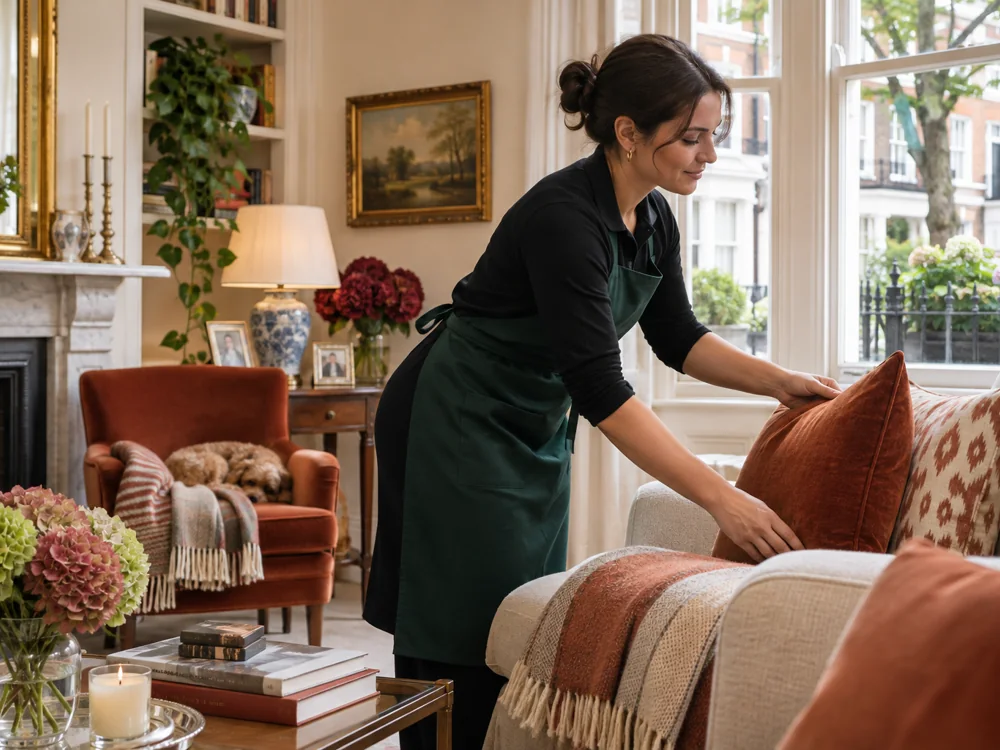
Can I use Enfield Town station as a meeting reference?
Yes. Add your residential street, complete postcode and exact door after describing that landmark.
Can I put the high-use rooms ahead of an extra bedroom?
Yes. Name the priority rooms and choose when the extra bedroom goes into the rotation.
Meet Housekeepers Covering Enfield
Tell us your postcode and preferred frequency so the office can check who covers your address.
Get a QuoteContinue the Enfield directions from Southbury Road to the residential door
National Rail lists Enfield Town station on Southbury Road in EN1. Use it as a reference only where it helps place your part of the area. Give the residential street, complete postcode and the number or sign on the actual entrance. A flat near a town-centre building can have a side door rather than the frontage shown on a map. A house may open from a drive or shared path. Describe the turn and give the floor or bell where needed. Make clear which door a visitor should use if residents have more than one way in.
Agree the person who can admit the housekeeper and which time they are available. Provide any private details directly when you arrange the visit. From a common doorway, tell us what stairs, lift, landing or turn goes to the home. Say if the equipment can be reached at the property and where it sits. A narrow route or separate upper floor can make it useful to have supplies near the starting room. Confirm any door change or new contact in advance if the usual access only works on certain days.
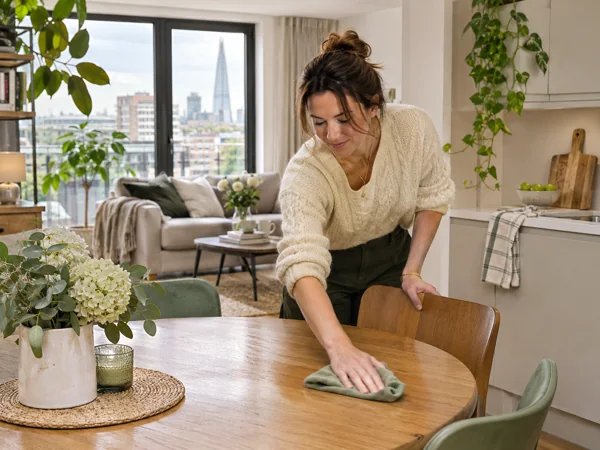
Get the first visit to focus on the work that returns every week
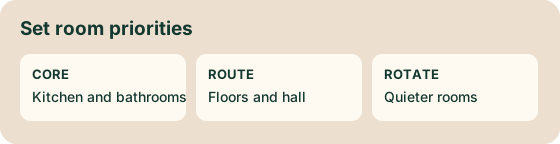
Choose a few useful jobs as the starting list. A kitchen and daily bathroom might matter before guests or family return, while a flat with floors in constant use may want the hall and open floor first. Name which surfaces in each room are accessible and when somebody needs the area back. If a room is occupied at arrival, offer an alternative start. Give a less important task that can wait if the usual work needs longer. Decide whether the first visit is for establishing a routine or for using more time in one particular room.
Show the products and equipment and what belongings should stay as they are. Leave an ordered note if the housekeeper will arrive while you are out. After the visit, tell us which room came too late or took more time than planned. A quieter room can alternate, and a busy room can be moved to a clearer time. If the fixed work still needs longer, discuss a more suitable length. Keep the important jobs identifiable so you can adjust the visit without putting aside a task the household relies on.
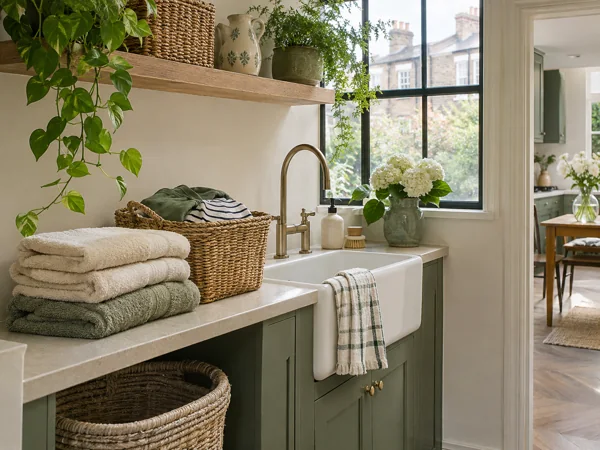
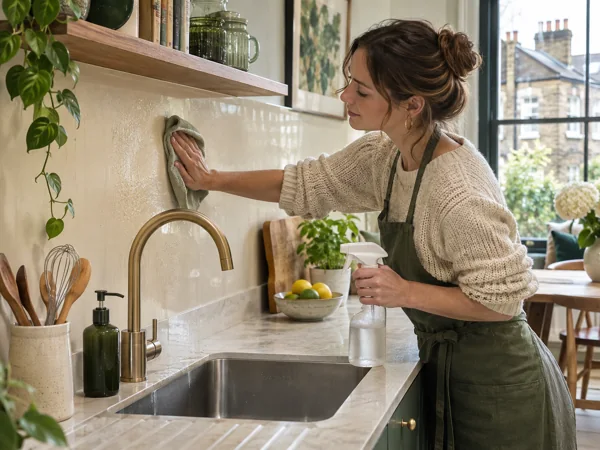
Set worktop and floor boundaries before agreeing the kitchen clean
Specify accessible preparation surfaces, hob and appliance exteriors, splashback, sink and taps and relevant flooring. Tell us if work extends around the dining table or to a utility space. If meals are prepared or work happens during the visit, say when a counter can be reached or which room can start instead. Give a named product for a finish needing special care and the exact area to use it on. Move personal things and heavy objects yourself when you want to reach underneath. Let us know where a lightweight item can go temporarily and be returned.
Choose when the kitchen needs to be ready again. If a table is used for a call, leave it until you say it is free. Name any oven cavity, fridge shelf or cupboard interior as a separate enquiry. Tell us which fittings and what will already be empty. Discuss if more time is appropriate or if a separate appointment would keep the everyday list manageable. Preserve the agreed worktops, sink and floor whether or not you want to add inside tasks. Give any deadline when asking so ordinary and extra work have clear timing.
Give a separate place to the daily washroom and the extra WC
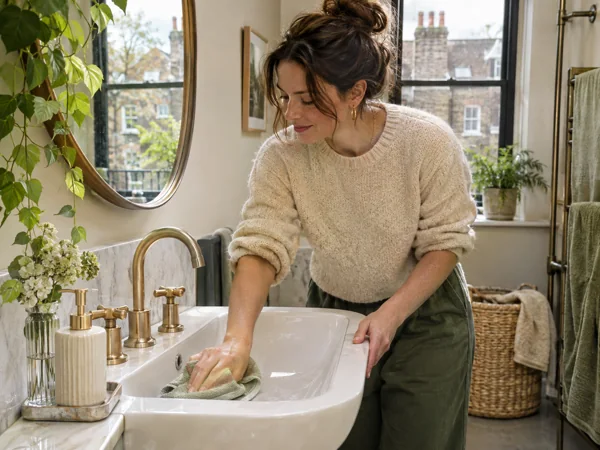
Name the bath or shower room and how it is used. An agreed regular clean can include accessible shower or bath areas, basin and taps, mirror, WC and suitable floor. Give the time that room will be available and a room that can start if somebody is still getting ready. A smaller WC can stay on the list because it is used every day, while a guest bathroom may rotate. Identify the proper product for a special fixture and leave its label visible. Keep room names clear where more than one bathroom sits on the same level.
Clear a ledge or choose which personal things should remain where they are. If a fresh mat or towel should replace a used one, agree a place to leave the old pieces. If a screen or tap has a persistent mark or heavier deposit, describe it separately when booking. Tell us which panel or fitting is affected and ask about suitable time. Keep the ordinary mirror, basin, WC and floor work in the schedule independently. Agree when the room needs to be ready for the next person rather than waiting until the last moment to mention it.
Give the final part of the Enfield route
| Local reference | Then provide | Confirm directly |
|---|---|---|
| Southbury Road station | Full home postcode, entrance and turn | Who can admit the housekeeper |
| Shared lobby or porch | Bell, private level and door | Where equipment can be picked up |
| Private drive or side path | Visible number and gate | Correct approach to use on the day |
Plan reachable bedroom and sitting-room work without moving delicate things
Identify the bedrooms that can open. Give the reachable surfaces and floor for each and a time for a bedroom in use. If you want fresh linen discussed, put a complete set on the correct bed and name a place for used pieces. A room can stay private or come into the work only at selected appointments. Decide where dusting stops around personal belongings, papers and devices. Give the housekeeper a name or position to distinguish a guest room from another bedroom. A room used as a study may stay outside the repeat list unless it is free.
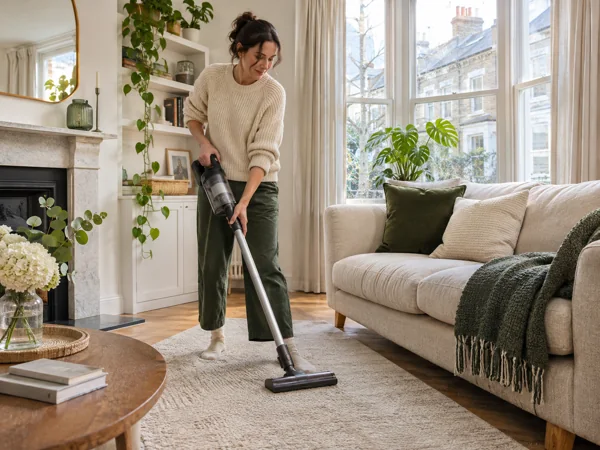
For a living room, identify the accessible shelves, tables and walking floor. Move fragile items yourself or give a boundary around them. Let us know which lighter furniture or mat can be lifted and where it returns. Say what to do around devices or cables that stay connected. If a rug or chair needs specialist work, identify the material and affected side in a separate enquiry. Keep ordinary accessible dusting and floor care around it as regular tasks. A marked item can be considered separately when you have enough detail for the specific work.

Follow the private hall, stairs and flooring people use most
Give the route where household floor work starts, particularly past a communal threshold. Name the hall, landing and stairs included, and note if people mainly use a rear entry. Identify transitions from tile to timber, carpet or a runner and the correct tool or product. Point out a repaired section or loose edge the housekeeper should not work over. If a mat can be moved, say where it can sit while the floor underneath is reached. Decide which part of the route matters before adding a lower-use landing or spare-room floor.
Give somewhere for bags or footwear and the time the route needs to be clear again. If a pet will be there, agree its safe location and which gates or doors remain shut. Explain whether its bowls and bed can be moved and where you want them put back. Keep the correct head or pad with the tool used in that area. If the stairs separate two sets of products, label them by level or finish. Name where the housekeeper should return them afterwards rather than leaving equipment in a busy entrance.
Put regular work into an effective order
| Priority room | Agree this work | If unavailable |
|---|---|---|
| Daily kitchen | Preparation surfaces and floor | Begin in another agreed room |
| Main bathroom | Accessible shower and basin, WC | Return at stated time |
| Entrance and stairs | Private floor and runner | Choose a clear period |
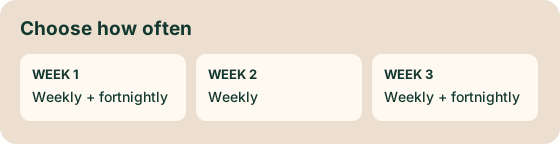
Choose weekly or fortnightly visits based on how the household uses the home
Weekly housekeeping may suit a busy home when the same kitchen, washroom or floor needs work again after a few days. Fortnightly care can be useful if the household already does ordinary wiping and wants time on jobs that still need attention. Tell us what returns first and what you deal with yourselves. Give fixed priorities and which low-use surfaces or rooms could alternate. Make temporary changes when guests arrive or when somebody works in a different room. Keep the normal list clear if the adjusted order is only for one date.
Give the preferred weekday and another option. If rooms are occupied or entry depends on a person, tell us which times are workable. Ask about a preferred housekeeper while discussing availability. For a holiday or special timing, give the affected date and who can provide entry. Say when the original plan resumes. Confirm the new day and use of space with any resident or building contact who will meet the housekeeper. A schedule can remain consistent even if the time that a room is reached changes.

Record tools, product preferences and extra work separately
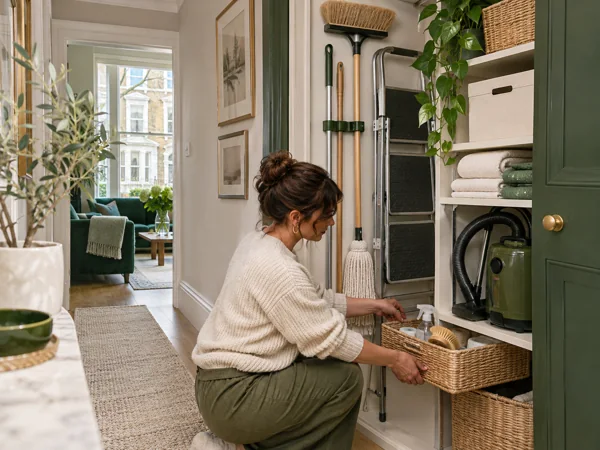
Tell us which equipment, attachments, pads and products are already at the address. Label products by use and give a place for a spare head or charger. If an item is unavailable, ask about it before confirming work that uses it. Keep equipment somewhere open if the usual room will stay shut. Give where to return the items. Leave a note for pet doors, delicate finishes or belongings that should stay as they are. The housekeeper can then see the information when they pick up the tools rather than needing to find a resident.
Give the exact occasional job, material or appliance fitting when making a separate enquiry. A rug or seat needs the affected area and fabric; an oven job needs the cavity and removable parts. Give any date that matters and what will be clear first. Discuss timing separately from ordinary room cleaning. Before confirming, check the full domestic postcode, doorway, preferred interval and jobs included. Give one contact who can respond to changes and check the agreed route and equipment instructions when another person handles access.
Keep occasional jobs identifiable
| Ordinary work | Optional request | Details to provide |
|---|---|---|
| Worktop and sink | Oven cavity | Parts and deadline |
| Living-room floor | Marked rug or seat | Material and affected section |
| Bedroom floor or surfaces | Linen change | Full set and used linen location |
Quotes for Enfield homes
From £23 per hour. Confirm the rate and visit length for your address when you request a quote.
Get a QuoteRelated cleaning services
- Spring cleaning · Ask about a one-off visit for rooms that need additional time.
- Oven cleaning · List the oven cavities and removable parts when requesting appliance cleaning.
- Carpet and upholstery cleaning · Tell us the material and which areas or pieces you want treated.
- End of tenancy cleaning in Enfield
Local references · National Rail · Enfield Town station
Enfield housekeeping questions
Can I use Southbury Road to explain the area without the full address?
Give the full home postcode and exact entrance first. Southbury Road can be a landmark for the route.
What if a resident cannot open the usual door for one appointment?
Give the affected date, replacement route and who is authorised to admit the visitor. Agree any private details directly.
Can the inside floor by the back door stay on the regular list?
Yes. Mark the indoor threshold, any mat and change in surface. Tell us when the route needs to be clear again.
Can the housekeeper work around a private home office?
Yes. Give the area or door to leave and when it can be reached if it is included. Choose another agreed starting room.
Do we have to do both bathrooms during every visit?
No. Name the regular washroom and discuss the frequency for the one that is used less.
How should I ask about marked upholstery as a separate item?
Give its material, label if known and affected panel. Say whether a certain date matters and keep the normal room work separate.