 Housekeeper
Weekly and fortnightly visits
Regular Housekeeping in Leyton
Put the room work that matters in your Leyton home on a short repeat list. Tell us how the housekeeper should reach the door and which spaces are available first. We can discuss a regular day and interval.

Can I note that I live near Coronation Gardens?
Yes, as a reference. Include the full postcode, actual residential entrance and how to reach it from the road.
Can I name the hall as my first housekeeping priority?
Yes. Give its private boundary and the floor stretches or stairs you want included.
Place the actual door beyond Oliver Road
Waltham Forest Council lists Coronation Gardens on Oliver Road in Leyton, E10. If the gardens help a visitor recognise the area, add where to turn and your complete home postcode. A building may be easier to identify from the road than the domestic entrance is. Give the sign or number the housekeeper will see, plus any shared gate, side path or flight of steps. For a flat, state the outer bell name, floor and number on the private door. If the postal address uses another side, give the route you want used on the actual day.
Choose a person who can admit the housekeeper when you are not there, and make sure they know the day, time and entrance. Any key or private entry arrangement should be confirmed directly. Give the route from the main entrance to the household when there is a second door or stair. Tell us where equipment lives once the housekeeper is inside. If the usual tool is in the room someone needs for work or sleep, make it accessible on a different floor or say where it can be picked up. Mention a narrow doorway or other difficulty in advance.
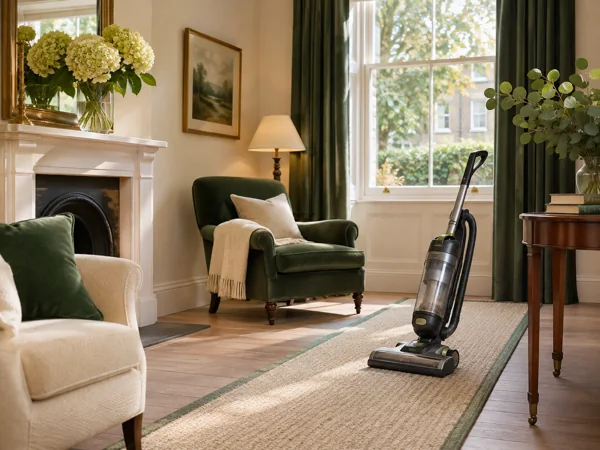
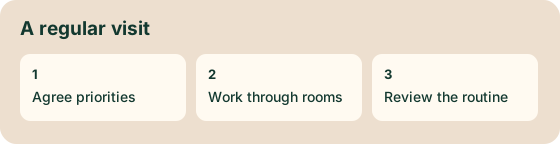
Give precise Leyton directions
| Reference | Then send for the home | Confirm in advance |
|---|---|---|
| Coronation Gardens | Onward street and postcode | Which domestic entrance is available |
| Oliver Road approach | Exact door number or intercom | Who admits the housekeeper |
| Separate stair or path | Turn to the private door and level | Where household equipment can be reached |
Give the first visit a few priorities you can judge afterwards
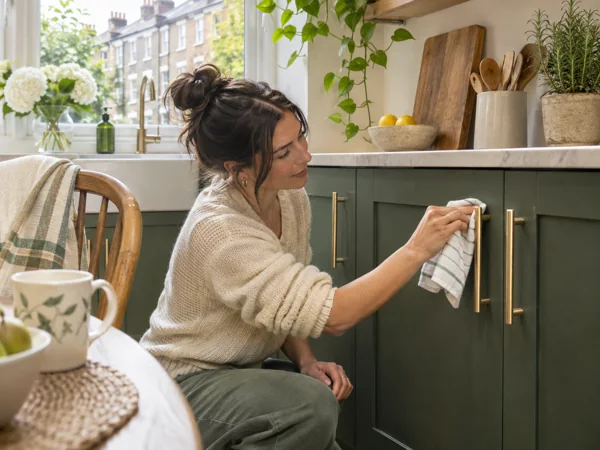
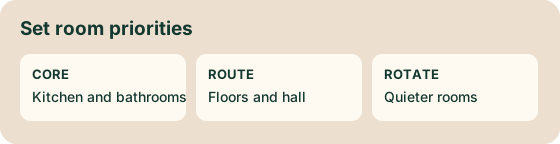
Pick the rooms you want ready when the visit ends. The kitchen and daily bathroom may matter most before people come home, or a route from a front or rear door may need regular attention. Tell us what part of each room to include and which doors should not be opened. If somebody is normally busy near the start, give another room to begin. Put the optional jobs underneath the fixed ones and decide what can wait if the ordinary work takes longer than your household expects.
Point out supplies and particular finishes on the first visit, or leave a short note where the equipment can be found. Tell us how to avoid an item or private area. Afterwards, tell us if another starting point would work better or if you want more time for one item. A room that rarely sees use can rotate instead of taking a share each visit. If you need to alter the time, give what should remain on the recurring list before adding optional work or making the usual day longer.
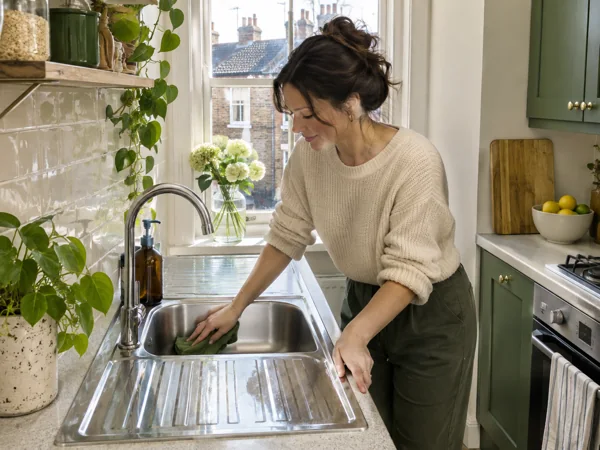
Fit the reachable kitchen work around meals and time at home
Agree the accessible worktops, outside of the hob or appliances, splashback, sink, taps and a suitable floor. Specify if work continues into the dining area or stops before another finish. Tell us when the preparation area needs to be ready again for cooking. Move personal objects yourself if you want the surface beneath reached, and say which other items can move safely in the time available. Keep a labelled product for a particular finish near the place it is used and identify anything that needs to stay plugged in.
Choose when the housekeeper can work in another room while the kitchen is occupied. Give the time the worktop and floor become available. If you want a cavity or shelf cleaned inside an oven, cupboard or fridge, ask separately. Name the area and describe what will already be clear. A separate job might take different time and affect when the kitchen is returned to use. Decide which ordinary chores should still stay fixed while you ask about work on an individual item. Give a date if the extra work matters for a particular visit.
Make room for the washroom people use most
Name the bathroom or WC on the repeat list and the usual period it is free. The routine can include accessible shower or bath surfaces, basin and taps, mirror, WC and a suitable floor. If there is a smaller toilet, decide whether it should be done before a bathroom that is still in use. Tell us when a person using the shower normally finishes and what agreed work can start elsewhere. Use a separate product for a sensitive fitting only if you have identified the exact item and left the right labelled bottle.
Make enough room around the basin or shelf to reach what you want. Tell us if any personal things stay where they are. Leave a clean mat or towel only if there is a discussed change, and give somewhere for used items. Bring up a heavier deposit or stain separately from ordinary splashes and state where it is. Make sure the usual floor, wash surfaces and WC stay on the regular plan while time for the additional work is discussed. A washroom with more than one use may need the visit order changed rather than the whole appointment moved.
Choose which bedrooms and floors are included without moving private things
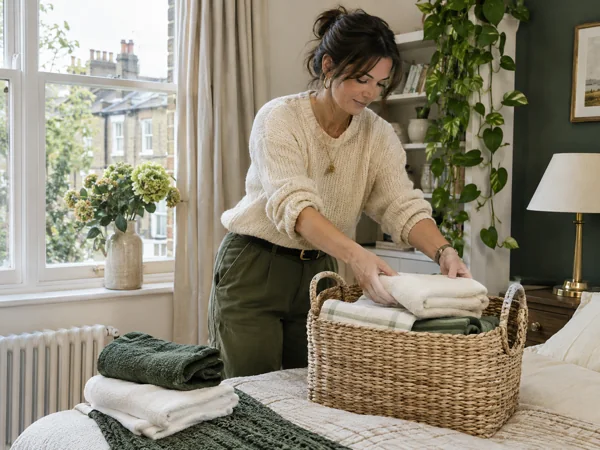
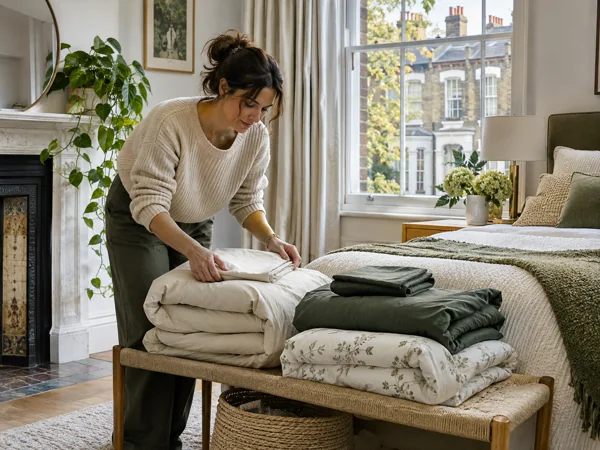
Agree accessible floor and surfaces for any bedroom you want done. Tell us if the room is occupied and when it can be reached. A bed change can be discussed separately and can still take place only every few visits. Leave the whole clean set on the expected bed and say where old linen should go. If there is a work desk, identify the objects that remain untouched and floor the cleaner can reach. Use a room name or position to identify doors that stay shut when other rooms are included.
For a sitting room, name the table, shelves and walking route where you want help. A delicate item may need putting away by the household. Decide which smaller objects can move and where to return them. Mark cables or equipment that stay attached. If a floor covering has a loose edge, give an ordinary vacuuming instruction that accounts for it. An upholstery mark or rug treatment should be asked about separately with its fabric and affected side. A normal living room visit can still include accessible floors and surfaces even if the textile work needs a different appointment.
Agree the best moment for each shared room
| Room | Core work | Arrange if occupied |
|---|---|---|
| Kitchen | Accessible preparation area and floor | Name another agreed room to start |
| Daily bathroom | Wash surfaces and WC | Return at agreed time |
| Sitting room | Open floor and ordinary dusting | Leave work area until it is free |
Meet Housekeepers Covering Leyton
Tell us your postcode and preferred frequency so the office can check who covers your address.
Get a QuoteUse the E10 floor plan that follows the way into the home
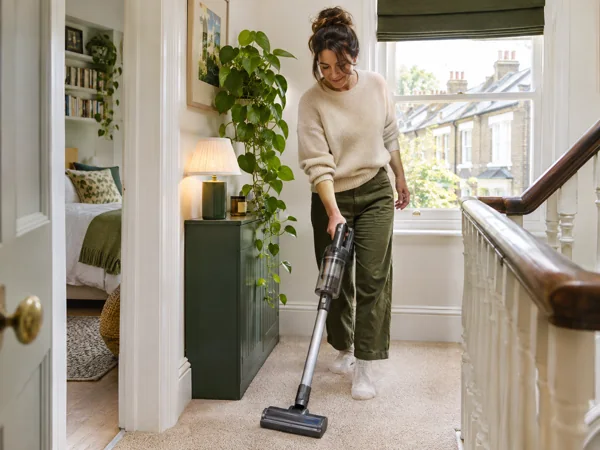
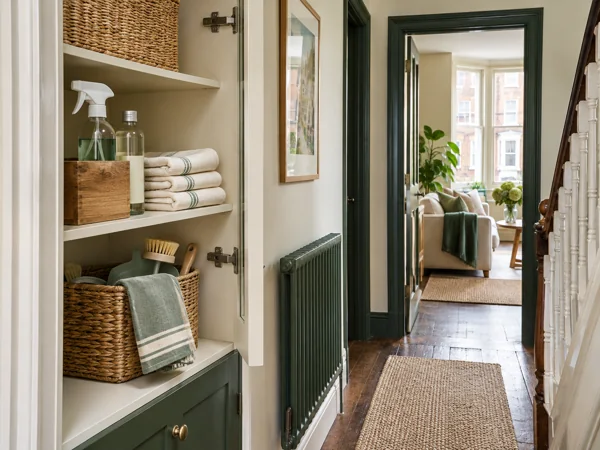
Identify the private side of a shared step, hall or landing with the line where you want floor work to start. A house may need the route from the rear door more often than some of the front hallway. Name which steps and landing belong to the same list and which runner is fitted. Specify where surfaces change from tile to timber, carpet or rugs and leave the indicated attachment or product. Point out a repaired joint or loose trim before the appointment. Tell us whether a mat can move and where to place it for the work.
Give a spot for shoes and bags during the visit and an idea of when the main route is needed again. If a pet will be at home, agree its location, where to leave bowls or bedding and any door or gate to keep shut. Let the housekeeper know where to find the tool for a floor on another level, and where it should be returned afterwards. A short note helps if everybody comes home through the same area later. Choose an open time for the work instead of expecting the hall to stay free throughout the appointment.

Pick an interval and decide what can alternate
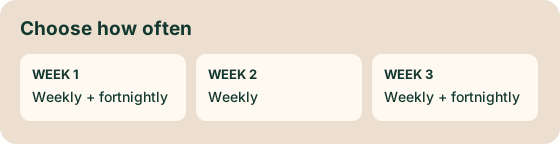
Tell us which jobs come back after just a few days and what the household already handles itself. Weekly visits can be useful for busy showers, kitchen surfaces and floor routes. A fortnightly plan can work for homes that manage ordinary tidying and wiping and want help with reliable floor or washroom care. Pick the tasks that stay fixed and a few optional ones that can rotate. An extra bedroom or lower-use surfaces may change according to occupancy, and a guest can make an unusual room more important. Give us the dates of temporary changes separately.
Send a preferred day and a spare option. Let us know if somebody works, rests or gets ready in an area at that time. Give another place to begin if a particular room is occupied. Ask about a preferred housekeeper when discussing availability. If you need to move an appointment or change who opens the door, give the affected date and the person who can help. Agree when the ordinary plan returns. Confirm access and timing with the resident or building contact before the changed date.
Show where tools belong and discuss bigger jobs independently
Leave the vacuum and heads, mop or pads and labelled products in an accessible place. If kitchen and bathroom cloths stay separate, mark them by use. Explain where tools go back and if a different one is on another level. Discuss a product or piece of equipment that is missing before agreeing the work. Give where to work around personal storage and how to handle a pet or belongings in the agreed route. Put the household note somewhere the housekeeper can find it without needing access to a private room.
Give larger work its own enquiry. A mark on one chair needs information about the exact textile and affected area; an appliance job needs its cavity, fittings or preparation. State when you want it considered. Keep ordinary room priorities visible while you decide whether it needs a separate booking. Confirm the full home postcode, authorised door, preferred schedule and products needed before going ahead. Keep the person who manages access informed in case an entry detail or the timing has to change before the housekeeper arrives.
Make the flooring boundaries clear
| Location | Work to discuss | Detail to give |
|---|---|---|
| Entry mat | Clean around or under it | Where it should go temporarily |
| Private stair | Reachable steps and runner | Mention any loose edge |
| Open kitchen and lounge | Agreed walks and flooring transitions | Product or pad for each finish |
Quotes for Leyton homes
From £23 per hour. Confirm the rate and visit length for your address when you request a quote.
Get a QuoteRelated cleaning services
- Spring cleaning · Ask about a one-off visit for rooms that need additional time.
- Oven cleaning · List the oven cavities and removable parts when requesting appliance cleaning.
- Carpet and upholstery cleaning · Tell us the material and which areas or pieces you want treated.
- End of tenancy cleaning in Leyton
Local references · London Borough of Waltham Forest · Coronation Gardens
Leyton housekeeping questions
Should I use the park address for the enquiry?
Use the home postcode and entrance. Give the park as an optional first reference only.
Can a shared bathroom wait until someone has gone out?
Yes. Give a clear return time and an agreed room to work in first.
Can I leave personal items on a table while other areas are included?
Yes. Say where they will remain and which surface or floor around them is accessible.
What if the private stair starts behind a communal entrance?
Identify the position of the private stair and which steps and landing belong in the visit.
Can a spare bedroom change from one appointment to the next?
Yes. Give the room, date and the ordinary tasks you want kept steady when it is added.
Should I ask separately about a mark on a fabric seat?
Give its location, material and timing. Discuss fabric work separately from ordinary surface and floor cleaning.