 Housekeeper
A routine for the home you live in
Regular Housekeeping in Clerkenwell
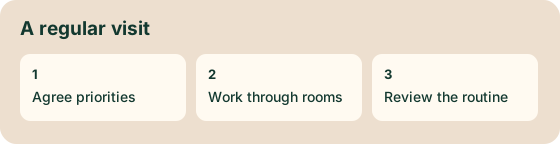
Start with what should be ready at the end of a regular visit to your Clerkenwell home. Set the kitchens, bathrooms, floors or rooms that matter most and tell the office how and when to reach them.
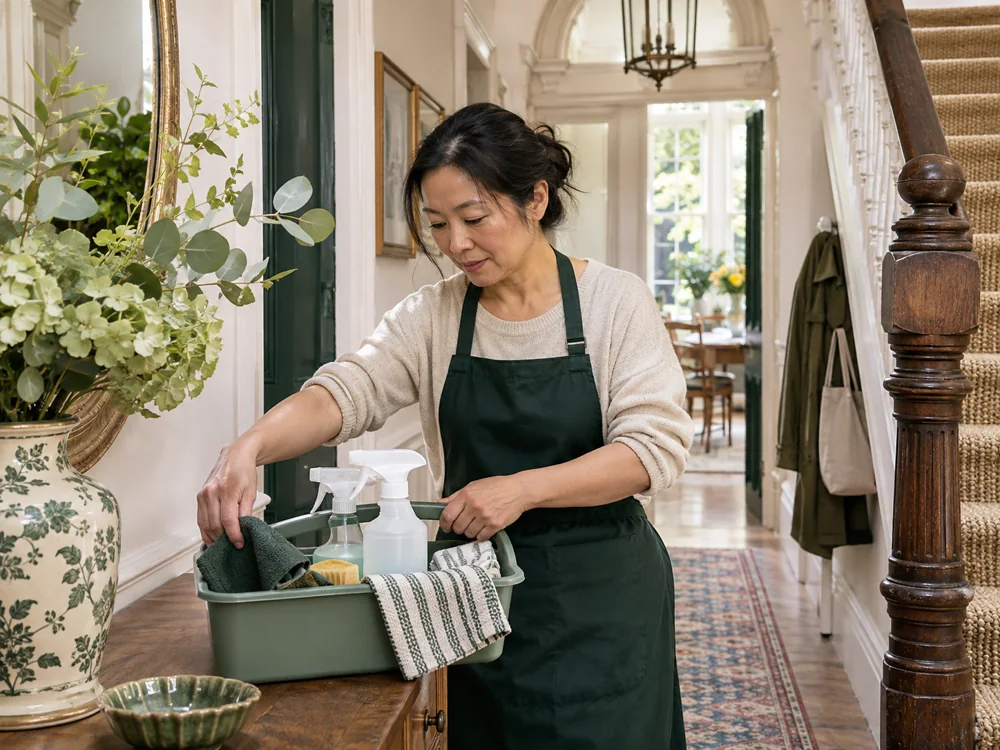
Can I give Clerkenwell Green as a guide?
Yes, if it helps a visitor reach the street. Give the full home postcode, door and floor separately.
Can the housekeeper leave a mixed work and living area partly untouched?
Yes. State the available floor and surfaces, and keep private items outside that boundary.
Give the exact door beyond Clerkenwell Green
Islington Council describes Clerkenwell Green as a public space for people who live and work locally and those visiting. Its community plan also identifies St James’ Church Garden in Clerkenwell. Use either as a reference when it is useful, but include the residential address and a route to the correct entrance and floor. A property may have a residential door beside a workplace, a courtyard with several numbers or access on a street different from the mailing address. Give what a visitor will see on the door, bell or building rather than relying on a map pin or the nearest business name.
Check which entrance a visitor may use and who will be there to admit them. If a building requires someone to meet the housekeeper at reception or show them to a lift, set the point and time. Give ordinary directions in the enquiry and discuss keys or codes privately with the office. If a visit changes day or time and the building arranges access differently, share that change before the next appointment. Confirm that the rooms will be available as well, especially if they are used for work, guests or calls during parts of the day.

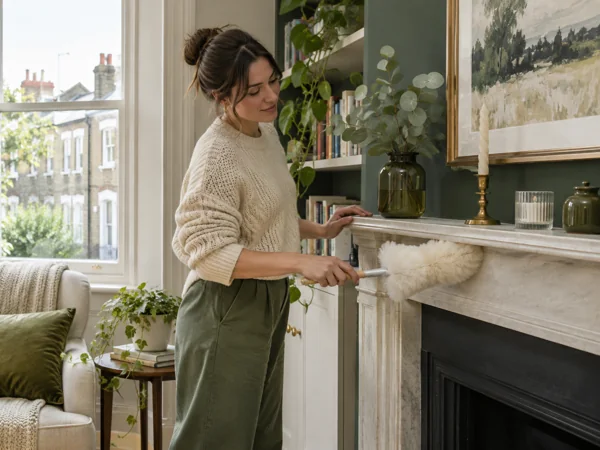
Use part of a room rather than expecting the whole home to be available
Decide what should be cleaned while the housekeeper has access, including any division of a room that serves more than one purpose. A kitchen table can be used for work and left in place while nearby floors or surfaces are reached. Give a stopping point around devices and papers. If a call makes the open room difficult to enter, choose another first job and say when to return. Ask the office for a time when the most-used rooms are likely to be free. Give an alternative if an appointment day depends on a meeting or another visitor.
Review the first visit after you know what the agreed time can reach. If a room or surface stayed occupied, decide if moving the starting point or time would help. A slightly longer visit could be appropriate for a core job that takes more time every week. Optional work can take turns on a later date. Give the office the original priorities and any change before the next appointment. If you expect the housekeeper to work around a new activity or property arrangement, explain what they should reach and what is no longer available.
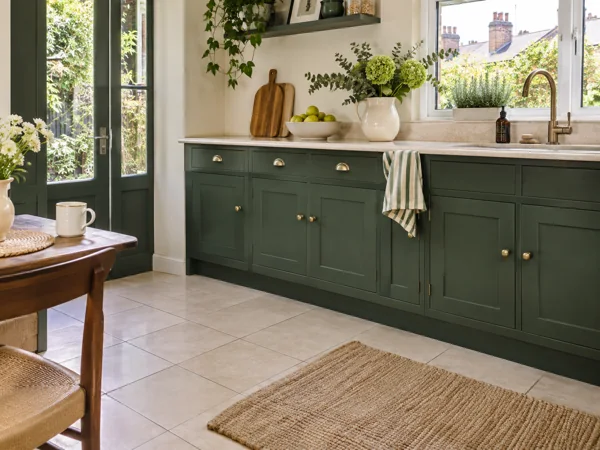
Give the kitchen a clear list and a free worktop
Choose the accessible sink, hob, preparation surface, splashback and floor you want reached. State whether a dining table or other eating area needs to be included. If appliances or materials stay on the main counter, give the place where light objects can sit for a while and what should remain in position. Let the housekeeper know when the hob will cool and when food preparation finishes. Offer an available start elsewhere if the kitchen is in use. Leave a clear part of the counter, or remove belongings that you prefer to put back yourself.
Tell us which cloth and product suit whatever finishes you have in the kitchen. Put the particular bottle next to its surface or mark it. Give a place for the products and cloths when the work is done. If you want to ask about an interior oven or fridge, tell the office what condition it is in and when it can be reached. Discuss that as a separate job if it takes different work or time. The ordinary kitchen housekeeping can then stay focused on the accessible worktops, sink and floor you use most.
Explain the route beyond Clerkenwell Green
| Reference | Include | Confirm |
|---|---|---|
| Public place | Exact street, house number and postcode | Visitor door |
| Shared courtyard | Which turn and door name | Permission on the day |
| Mixed-use building | Residential entry and floor | How a visitor is admitted |
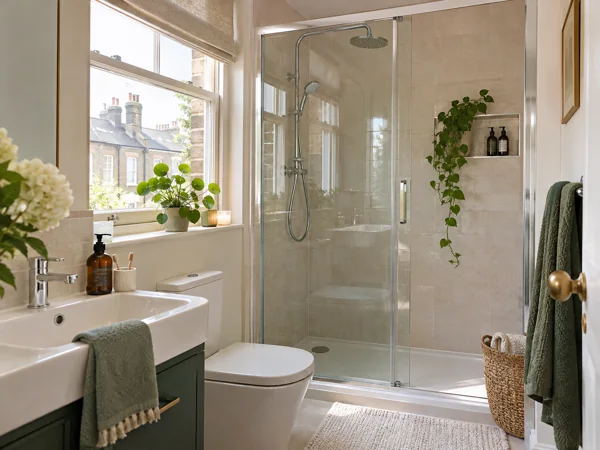
Count the bathroom fittings you want reached and the time they are free
Give each shower room, bathroom and separate toilet its own place in the plan. Choose the accessible fixtures and mirror, basin, bath or shower and floor you expect to be done. Put the room that matters first when it is available and set alternative work if it is still in use. Tell us if a floor should be dry before somebody re-enters. Give a spot for toiletries and which things should stay in place. The housekeeper should know what can be reached rather than moving items that belong to someone else without a plan.
Identify the suitable product for any coated fitting, glass, tile or stone and give the correct cloth. Explain a loose fitting or a damaged patch to avoid. If a towel or bath mat is to be changed, leave the clean one ready and say where the used item goes. Ask about more involved work separately if a surface needs attention beyond the routine. Give a condition and specific area so the office can discuss what kind of time or service might suit. Leave the regular bathroom work in the order you want it.
Meet Housekeepers Covering Clerkenwell
Tell us your postcode and preferred frequency so the office can check who covers your address.
Get a QuotePlan bedrooms and seating without moving everything
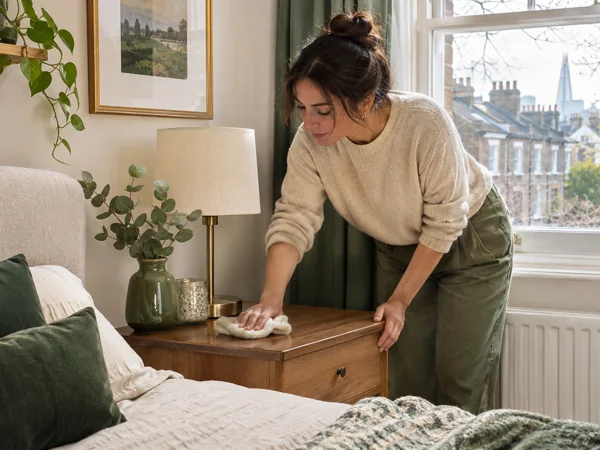
Agree which bedroom floors and furniture surfaces can be reached and what should be left untouched. If a bed needs changing, provide the complete set at the right bed and a place for used linen. A room with a desk can stay shut for work or be reached later, if you give a likely time. A guest or spare room may alternate after use. Move private items or anything delicate yourself to put the surface underneath on the list. Give alternative work while a room remains closed so a temporary change does not use up the agreed visit time.
For a lounge or open-plan seating area, select the floor and reachable shelves and tables that matter most. Choose where cushions or smaller objects can go briefly and which equipment should stay where it is. Do not expect a large item to be moved without discussing it. Tell us if there is a loose rug edge or restricted floor route. If the furniture itself needs an upholstery treatment, describe the piece, fabric and condition in a separate enquiry. The accessible floor and room surfaces can remain the regular work.
Use an open room in parts
| Space | Accessible work | Keep clear about |
|---|---|---|
| Kitchen counter | Reachable surfaces, sink and hob | When it is free |
| Work and lounge area | Open floor and agreed table section | Private papers or tools |
| Main bathroom | Agreed basin and shower | Right product and dry time |
Prepare the floor route and how it changes between materials
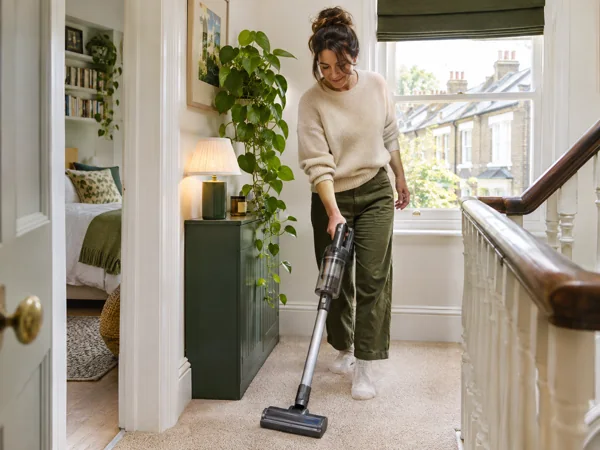
Describe the entrance floor and other finishes along the route you want cleaned. A small threshold can separate a tile, wood or carpeted area and a rug may hide that change. State where to use a suitable mop or vacuum and anything that you want to keep dry. Give stairs or landings their own place if included. Move shoes, bags or small boxes to an agreed spot. If somebody needs the only route in and out at a particular time, plan when there is enough room to do the floor and let it dry.
Keep the hoover, suitable heads and mop in a place where they can be reached when the visit starts. Check the bag or battery and leave suitable cloths. Mark a product for a specific finish and show where it belongs afterwards. If the equipment is normally kept in a room that will stay occupied or secure, leave it elsewhere in advance. Explain to the office if you want a separate floor treatment and give its material and condition. The repeated appointment can keep its ordinary tools and accessible floor work.
Choose a recurrence and give the pet care arrangements
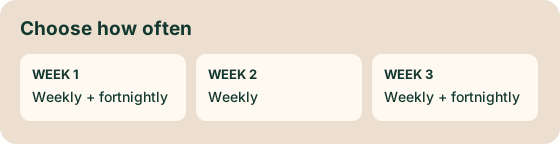
Talk through which work you need every week and what might wait for a fortnightly appointment. Give the main areas that matter on either pattern and which can rotate. Tell us what the household does between visits so the quote can consider the tasks that are still left. Ask for a preferred day and another possible window when the same rooms will be open and the entry route available. If the household needs a change, check the new date with the office and give any revised instructions for access and room use.
Give a plan for every pet that will be in the property. Explain which doors stay shut and which area it can use, and tell us who takes responsibility. If a dog comes back during the visit, explain the time and what floor route should be dry and ready. Give a place for bowls, a blanket or a lead if they can move. Check after a date change that the same arrangement is possible or tell the office what needs to change about pet care and what tasks the housekeeper can reach first.
Give the details for the recurring quote and what needs separate work
Send your full postcode, the number of rooms and floors you would like covered, the frequency and the work that needs to repeat. Include any temporary first-visit priority or finishes that take a particular product. Ask about the length and quote based on what the property will make available. Review after the first clean and decide whether the same time and order are useful. Add a quieter room to an alternating list if you want the main work done first even when a task takes longer.
For a larger spring clean, separate oven job, carpet treatment or upholstery work, describe the item, condition and time when it can be reached. Ask whether it needs another quote or appointment. If a separate job includes a different room or entry route, confirm who can admit the visitor before settling the date. Make clear which work only happens once. Keep the regular housekeeping list available for the next dates unless the office and household have discussed a continuing change.
What can rotate or be arranged separately
| Task | Possible approach | To prepare |
|---|---|---|
| Spare bed | Only when used | Correct linen set |
| Quiet study | Alternate when free | Set time after calls |
| Chair or rug treatment | Separate enquiry | Condition and material |
Quotes for Clerkenwell homes
From £23 per hour. Confirm the rate and visit length for your address when you request a quote.
Get a QuoteRelated cleaning services
- Spring cleaning · Ask about a one-off visit for rooms that need additional time.
- Oven cleaning · List the oven cavities and removable parts when requesting appliance cleaning.
- Carpet and upholstery cleaning · Tell us the material and which areas or pieces you want treated.
- End of tenancy cleaning in Clerkenwell
Local references · Islington Council’s Clerkenwell Green information · Islington Council’s Clerkenwell community plan
Clerkenwell housekeeping questions
Can I give directions past St James’ Church Garden?
Yes, as a landmark. State the complete property address and the correct residential door as well.
Can I leave an open study corner untouched?
Yes. Mark which surfaces or floor are not available and give another job to start.
Can the housekeeper wait to use the vacuum until my call ends?
Tell us the time and agree a quieter accessible task in the meantime.
Can one small shower take most of the visit?
Tell us which fixtures should be reached and ask about the appropriate order and time.
Can I use different equipment for a timber hall?
Yes. Identify the floor and leave the suitable attachment and product in an accessible place.
Can I ask for a separate price for one piece of upholstery?
Give the piece, material and condition to the office for an individual discussion.